
Looking at You
JUNE 5 - AUGUST 1, 2026
TALKS: Looking at You panel, Friday, JULY 24, 5-8pM
Kevin Brusie
Arlene Collins
Denise Laurinaitis
Jack Montgomery
Barbara Peacock
Jan Pieter van Voorst van Beest
Richard Wexler
Bret Woodard
New smart article about the exhibition in MUSEE, Vanguard of Photography Culture by Emily Satterthwaite
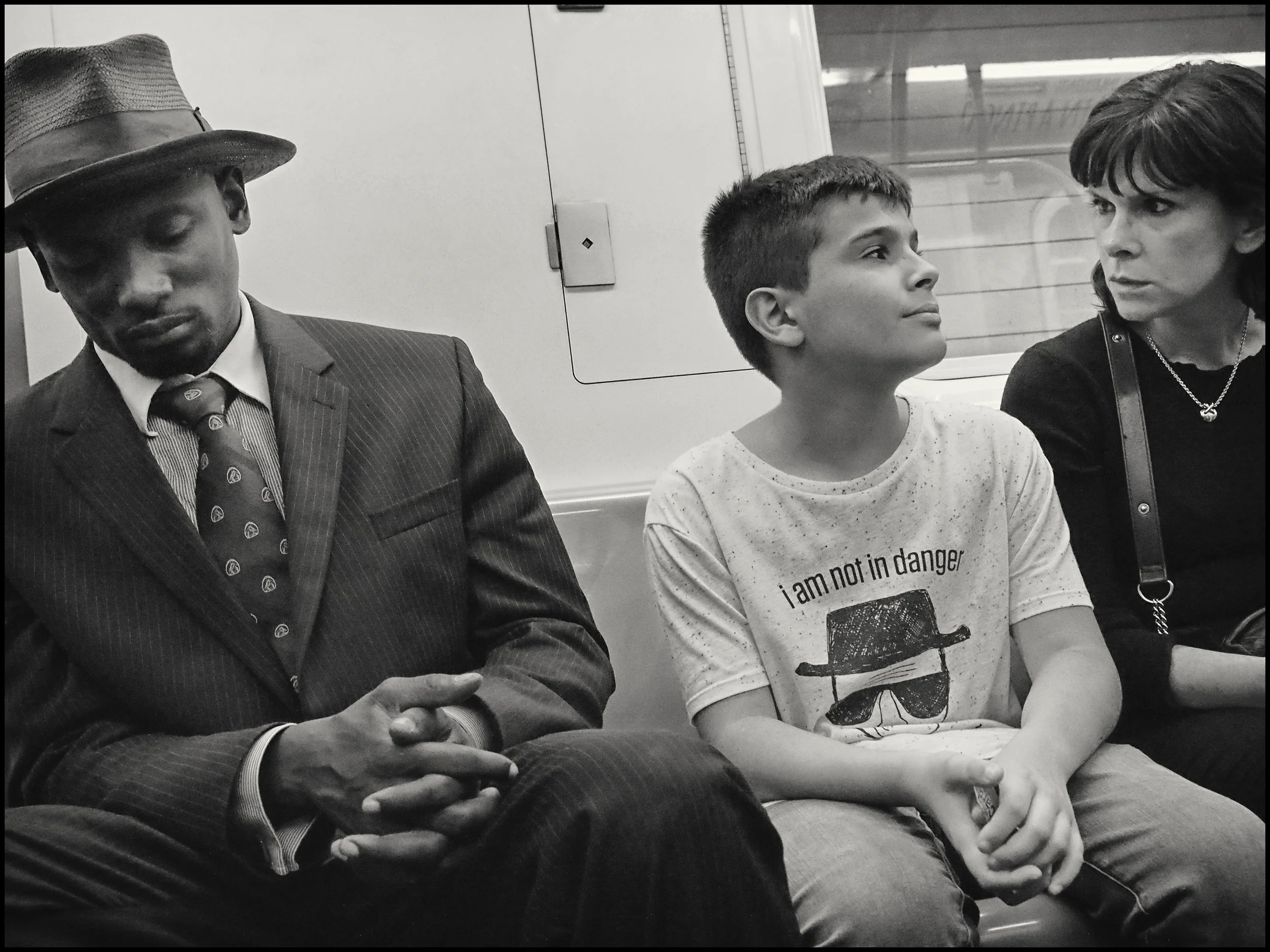
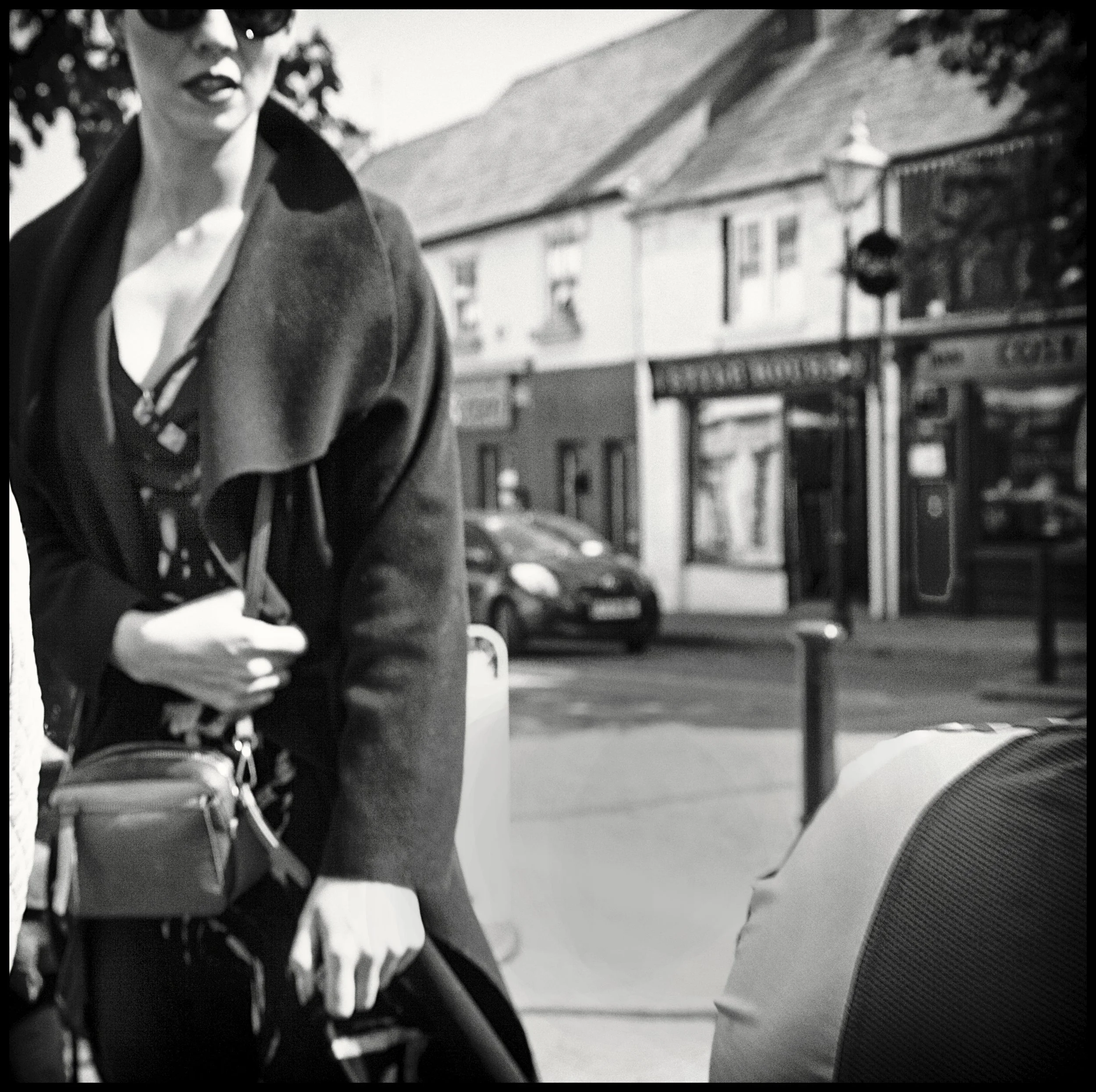
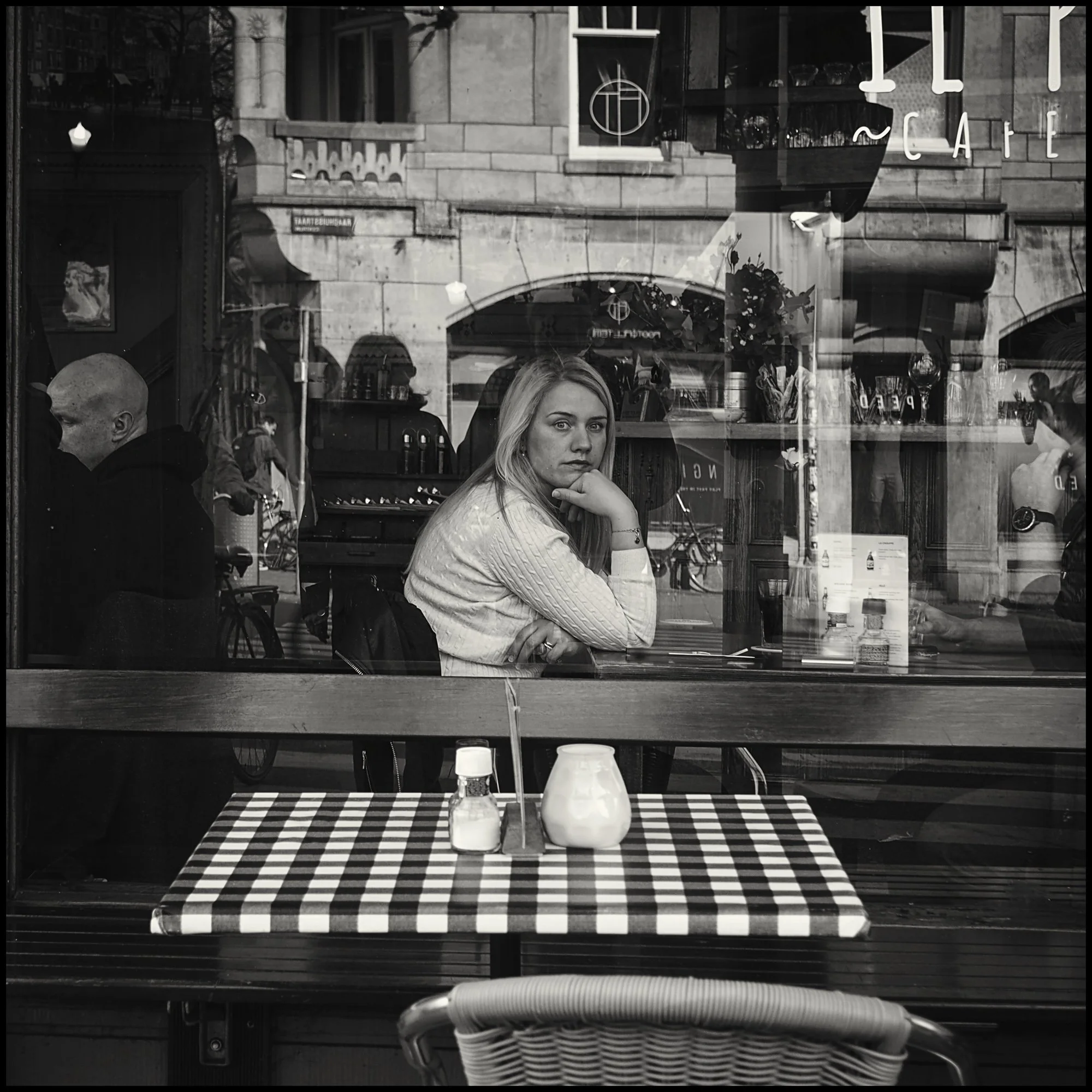
Jan Pieter van Voorst van Beest, I am not in Danger, 1/5, 2023, Archival Pigment Print, 15 x 22 inches, $1600
This exhibit entitled Looking at You presents a compelling exploration of street photography, emphasizing its instinctual, unpremeditated, reactive, and spontaneous nature. This form of photography captures fleeting moments—chance encounters and random events—that together weave visual narratives reflecting the human condition. While these characteristics define street photography, the exhibit reveals that it transcends this definition, showcasing the unique perspectives and approaches of eight distinct photographers.
Drawing inspiration from Edward Steichen’s reflections on the “Family of Man” exhibit, this exhibition highlights a dynamic interaction between the viewer and the photographed subjects. Steichen observed that audiences often felt a connection, as if the people in the pictures were looking back at them, creating a profound sense of recognition and participation. Similarly, street photography frequently captures moments that verge on portraiture, fostering a silent dialogue between photographer, subject, and viewer.
The images in this collection document seemingly small, everyday moments that collectively form the rich tapestry of human experience. The exact location or context is secondary to the act of witnessing and preserving these slices of time. By capturing these transient instants, photographers contribute to an ongoing historical record of life itself.
Throughout photography’s history, the human condition has remained its dominant theme. The power of the medium lies in its ability to capture people in their complexity, relationships, and environments. This exhibit invites us to look at each other and ourselves, to reflect on our shared humanity through the lens of these candid images. As Henri Cartier- Bresson famously said, “We are passive onlookers in a world that moves perpetually. Our only moment of creation is that 1/125 of a second when the shutter clicks, the signal is given, and the motion is stopped.” Looking at You encapsulates this fragile, decisive moment, inviting us to pause, observe, and connect.
— Jan Pieter van Voorst van Beest
Jan Pieter van Voorst van Beest
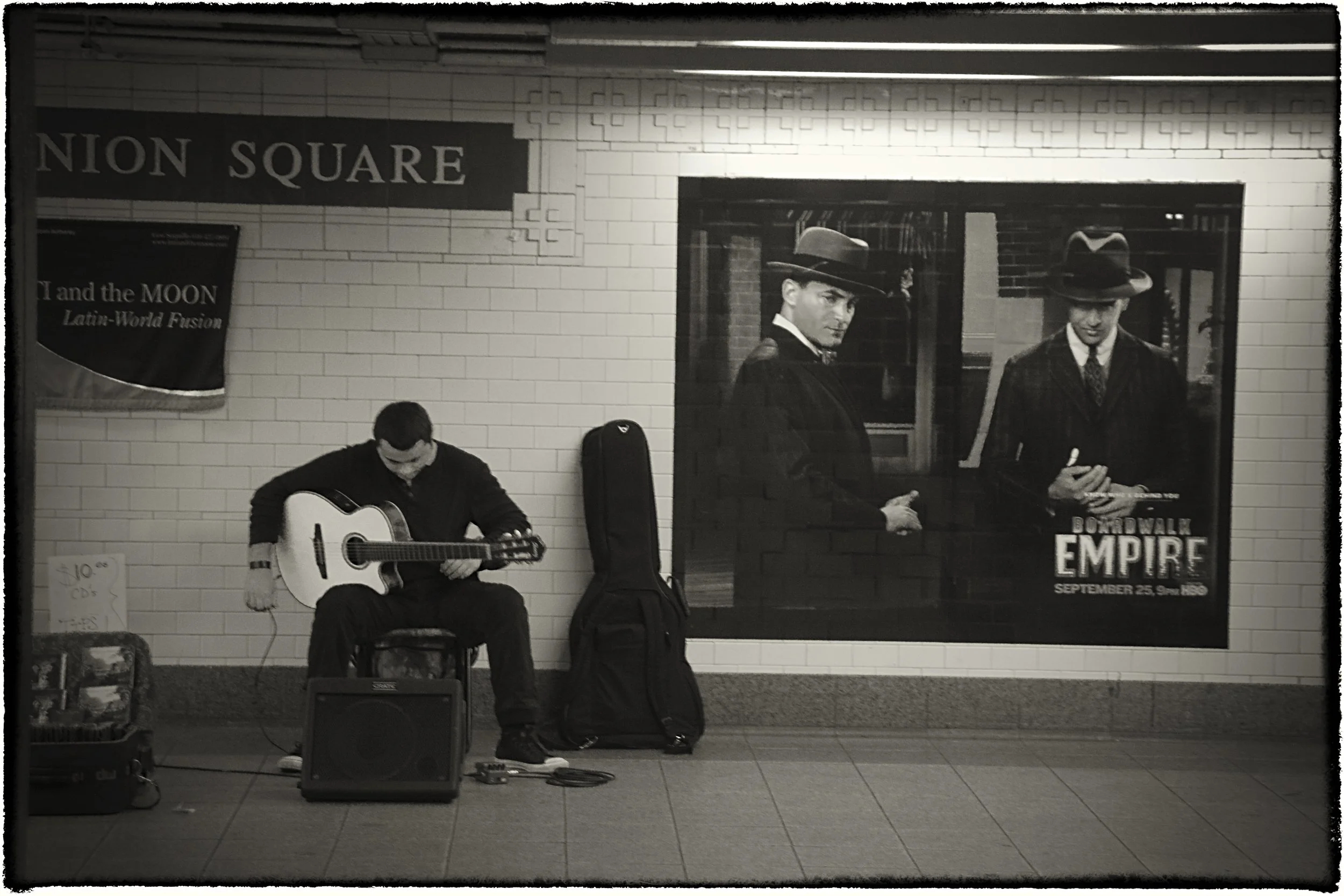
Jan Pieter van Voorst van Beest, Union Square, 1/5, 2016, Archival Pigment Print, 14 x 22 inches, $1600
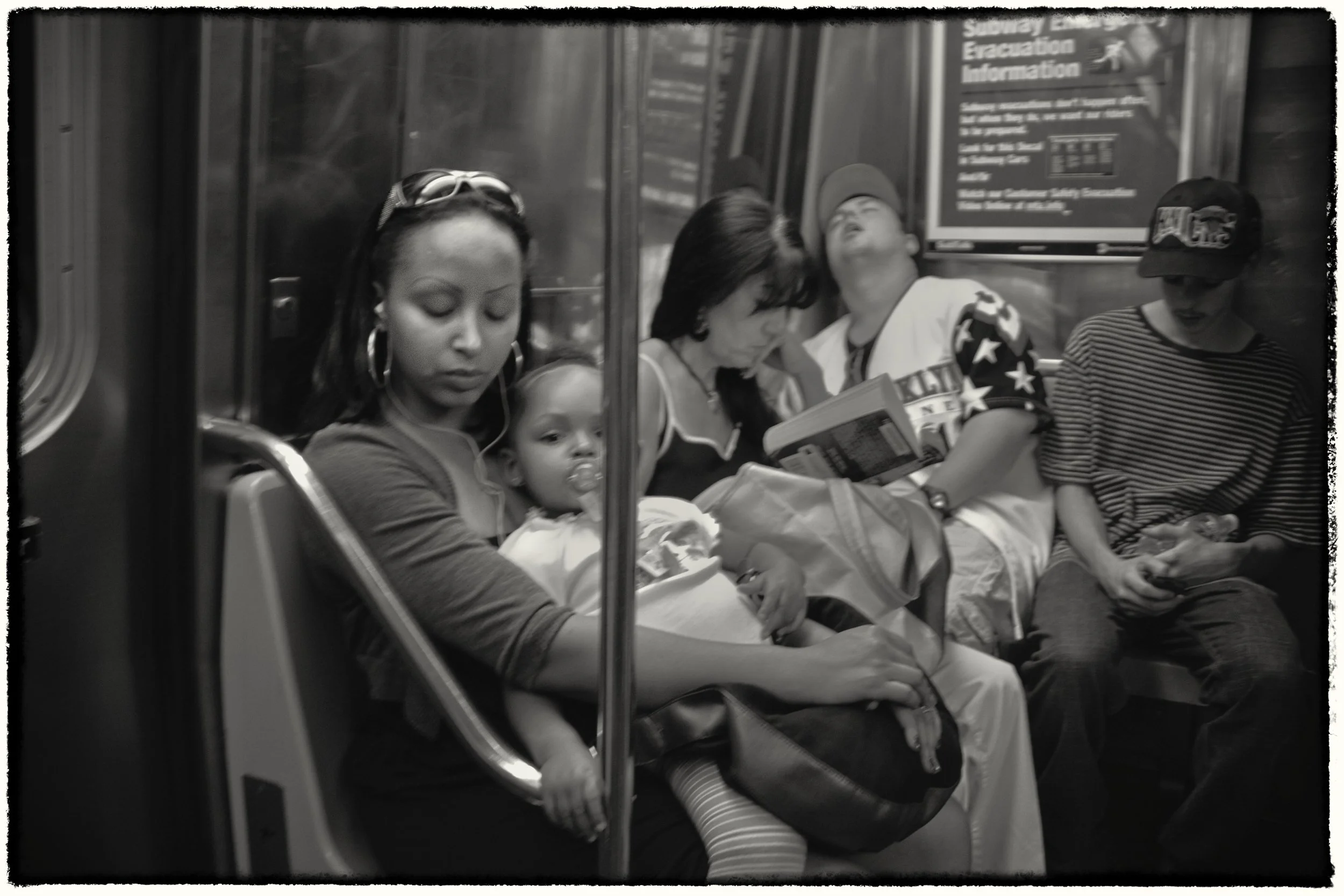
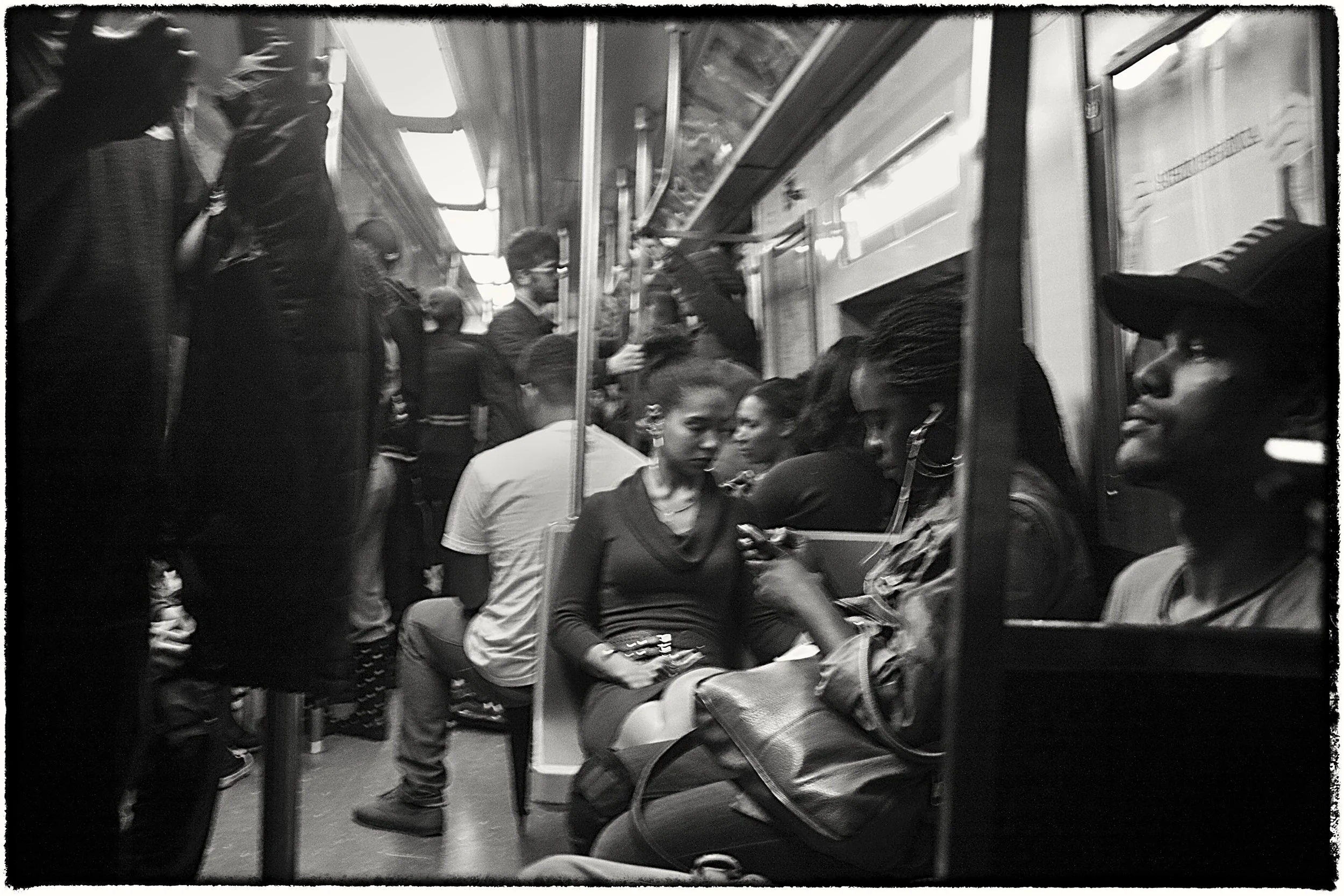
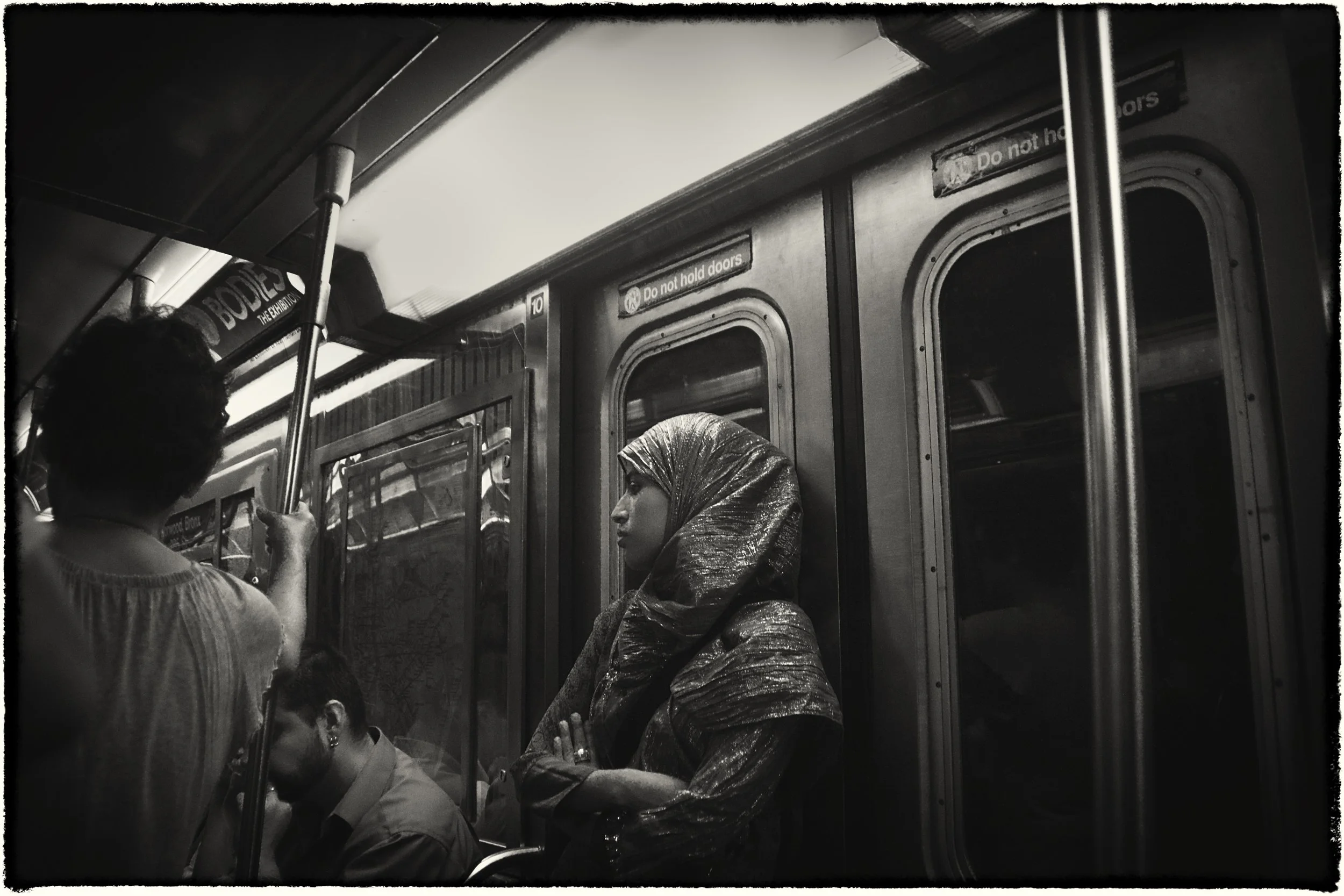
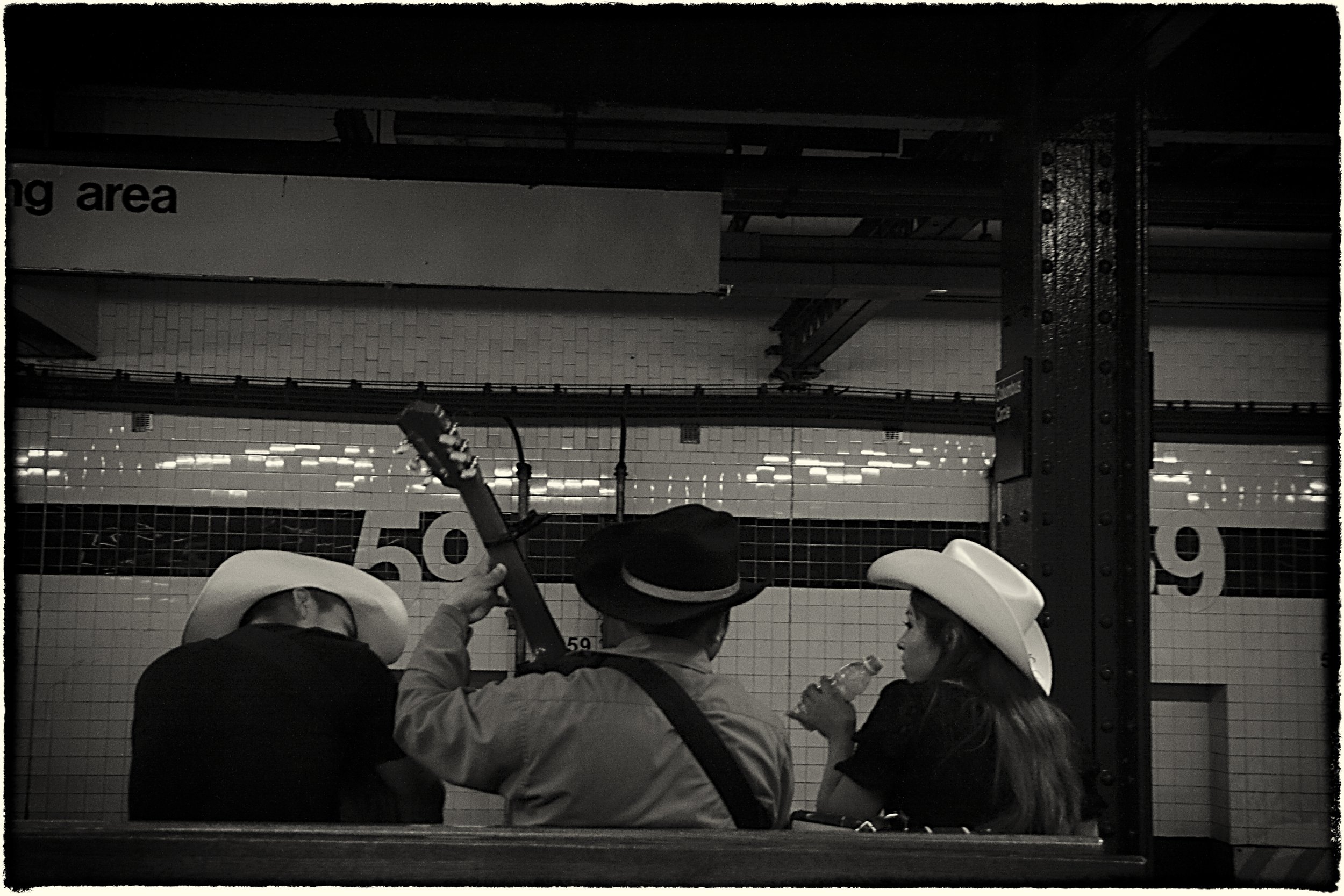
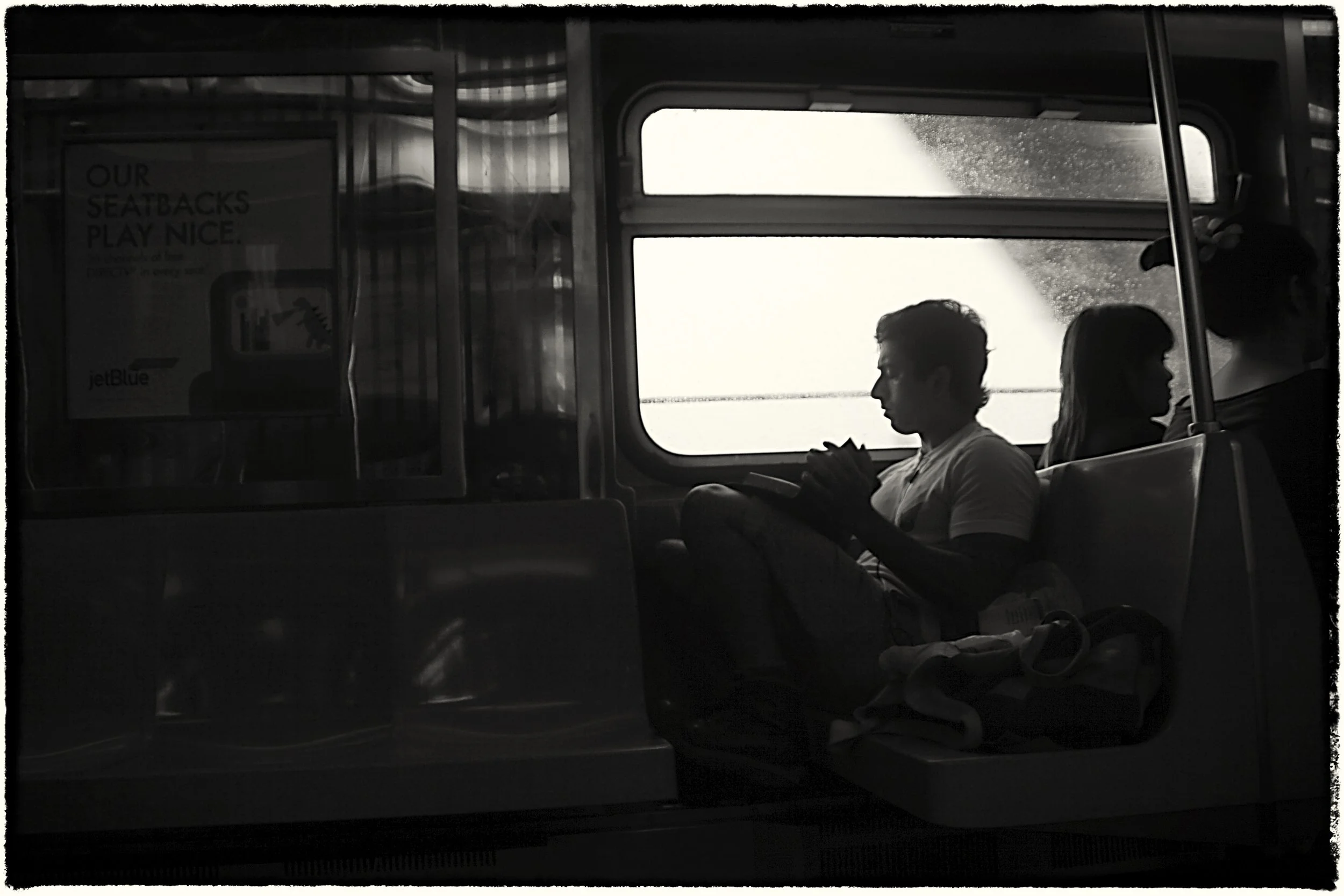
Jan Pieter van Voorst van Beest, Crossing the Hudson, 1/5, 2017, Archival Pigment Print, 14 x 22 inches, $1600
The photographs in this exhibit all focus on people, their interactions with each other, with their environment and sometimes with the photographer as well. Here are reactive chance encounters that create visual narratives. For years I have been taking photographs in the New York subway. The subway is a laboratory of the human spirit. It is democratic and does, for a while, erase all class distinctions. People of all backgrounds are packed together, people of different colors, races, religions and economic class. And during the short time of their ride, between Brooklyn and Manhattan, they must, like it or not, at least tolerate each other. The subway shows us, be it on a small scale, that living together while tolerating each other ( we don’t have to love each other) might be possible, even after we step out of the subway.
The other group of photographs are what I classify as “Urban Street Portraits”, Presented in a 2 ¼ format photograph I explore the relationships between the characters in the photograph, how they interact with each other and sometimes how they relate to the photographer as well. But the photographed moments are random, small events in the history of life. I document these moments. Are there relationships? Does one event happen because another event has happened? Are all moments interconnected? What is the narrative?
Is everything important or is nothing important? As a photographer I am just a witness.
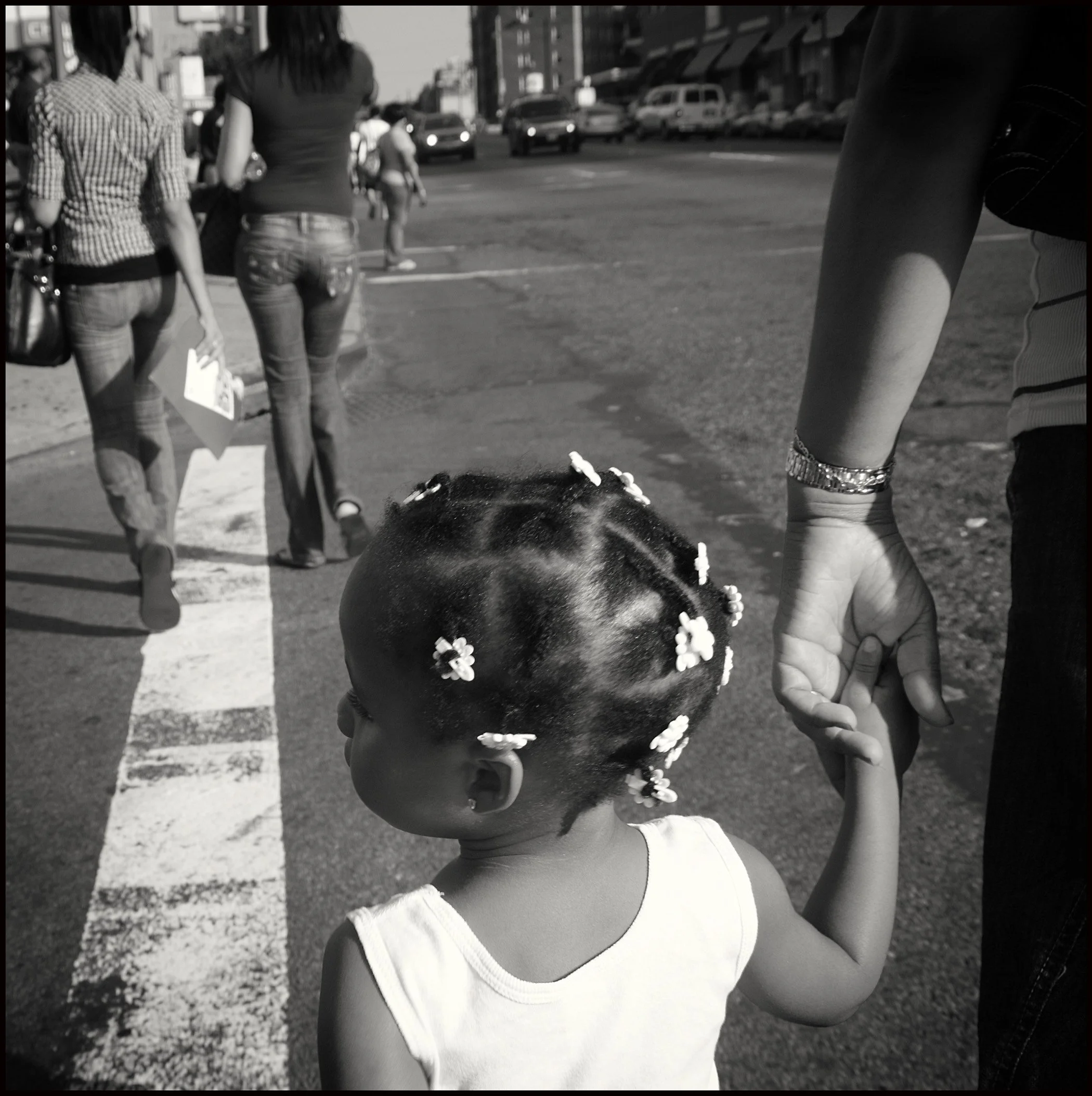
Jan Pieter van Voorst van Beest, Brooklyn, Hold my Hand, 1/5, 2016, Archival pigment print, 19.5 x 19.5 inches, $1700
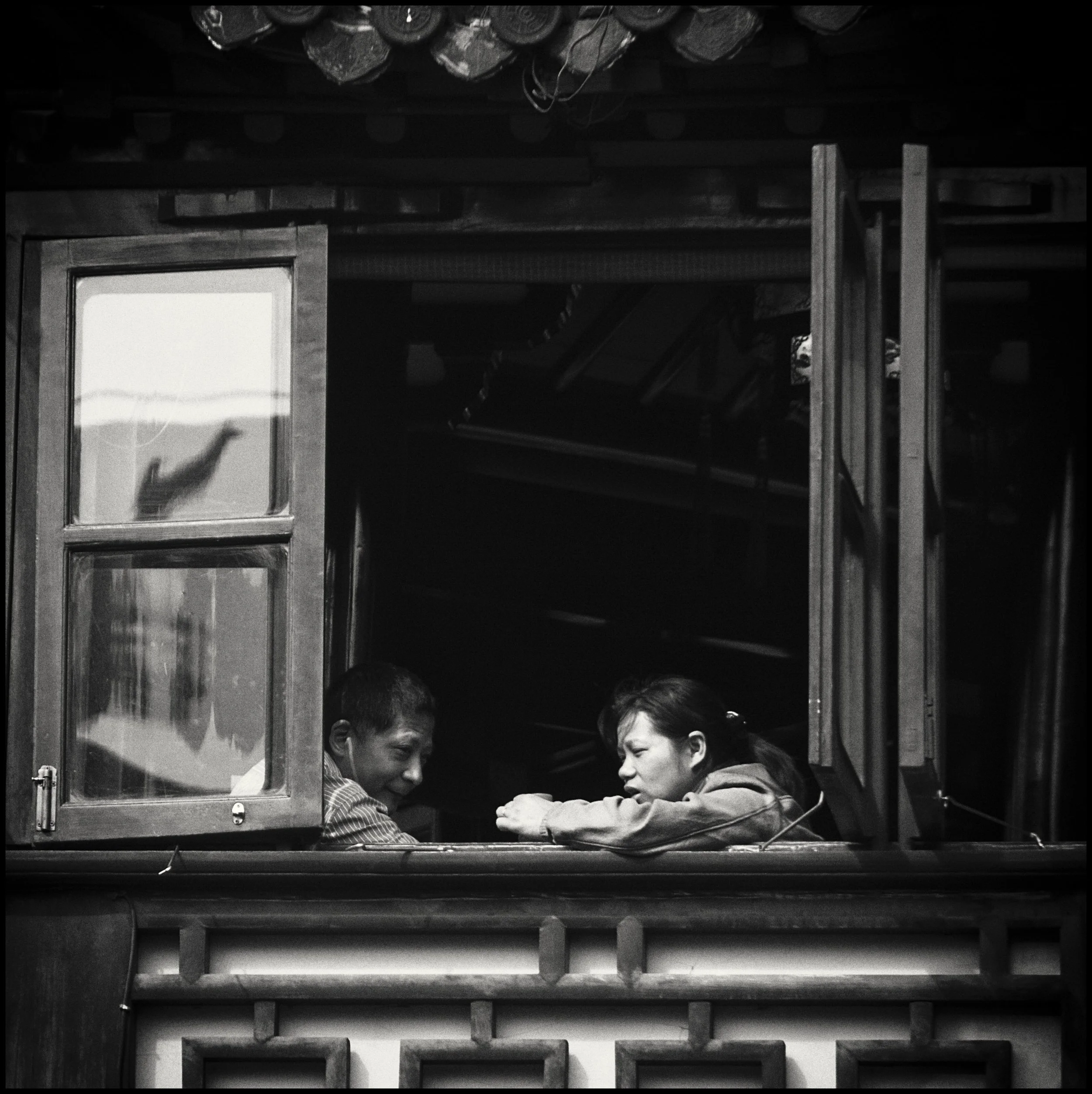
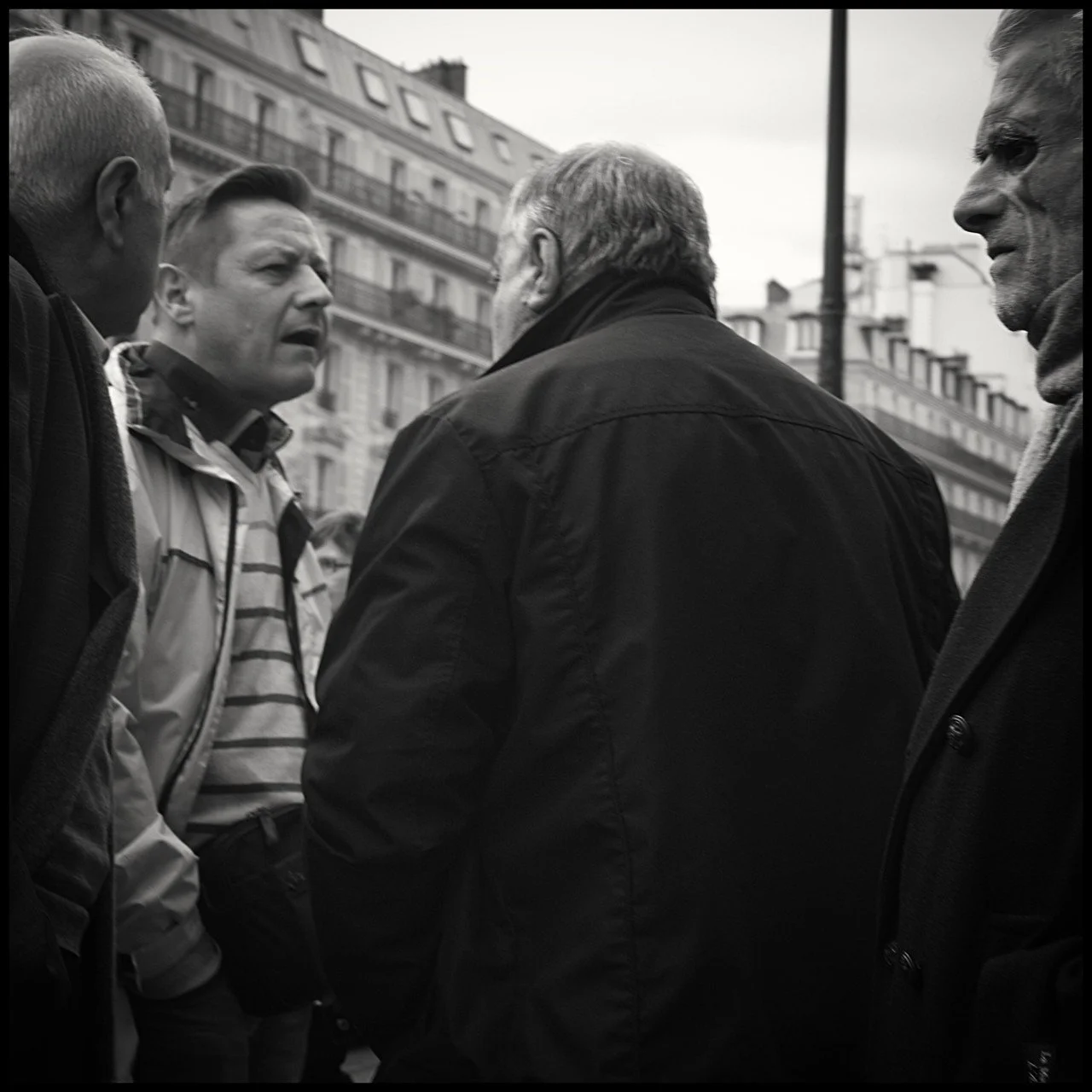
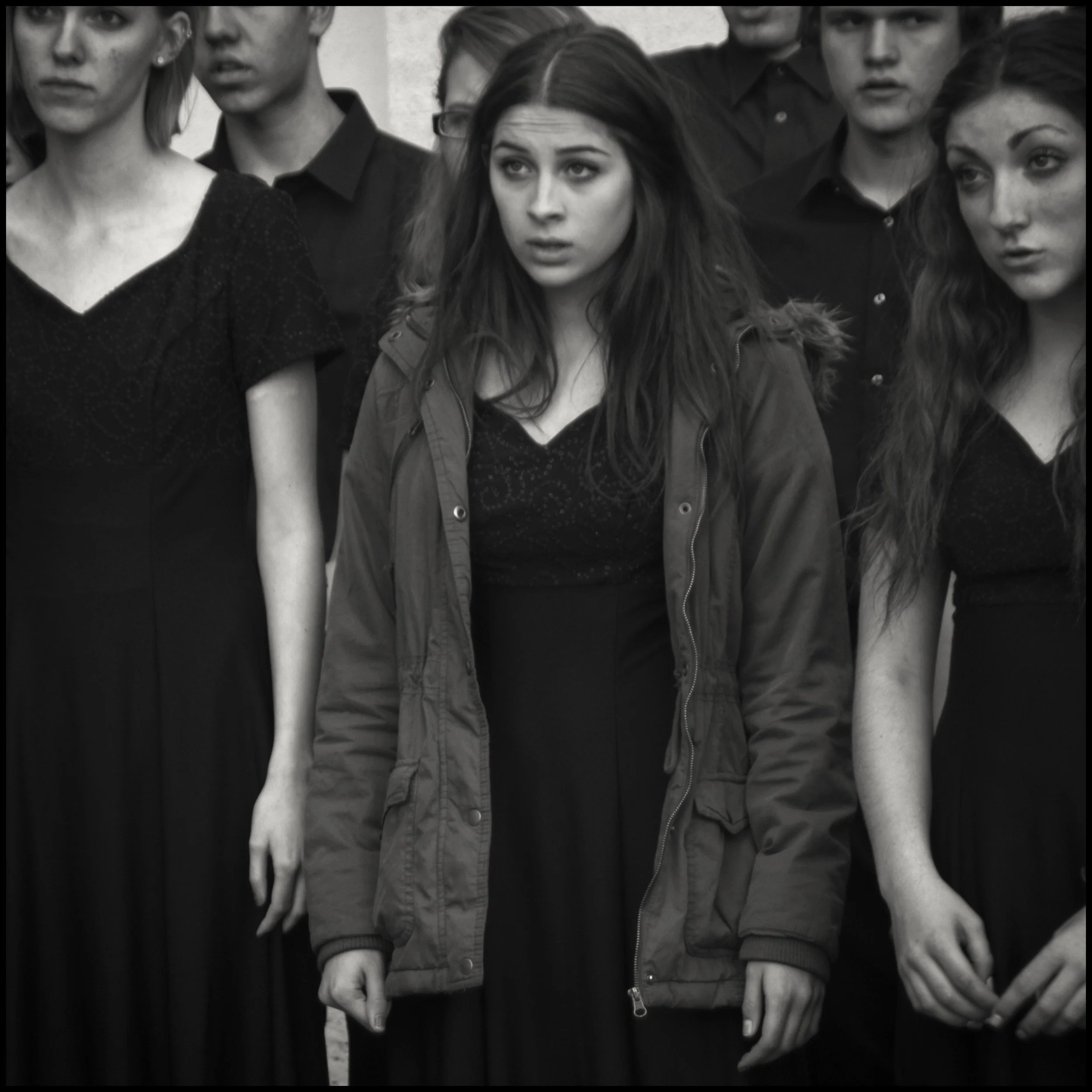
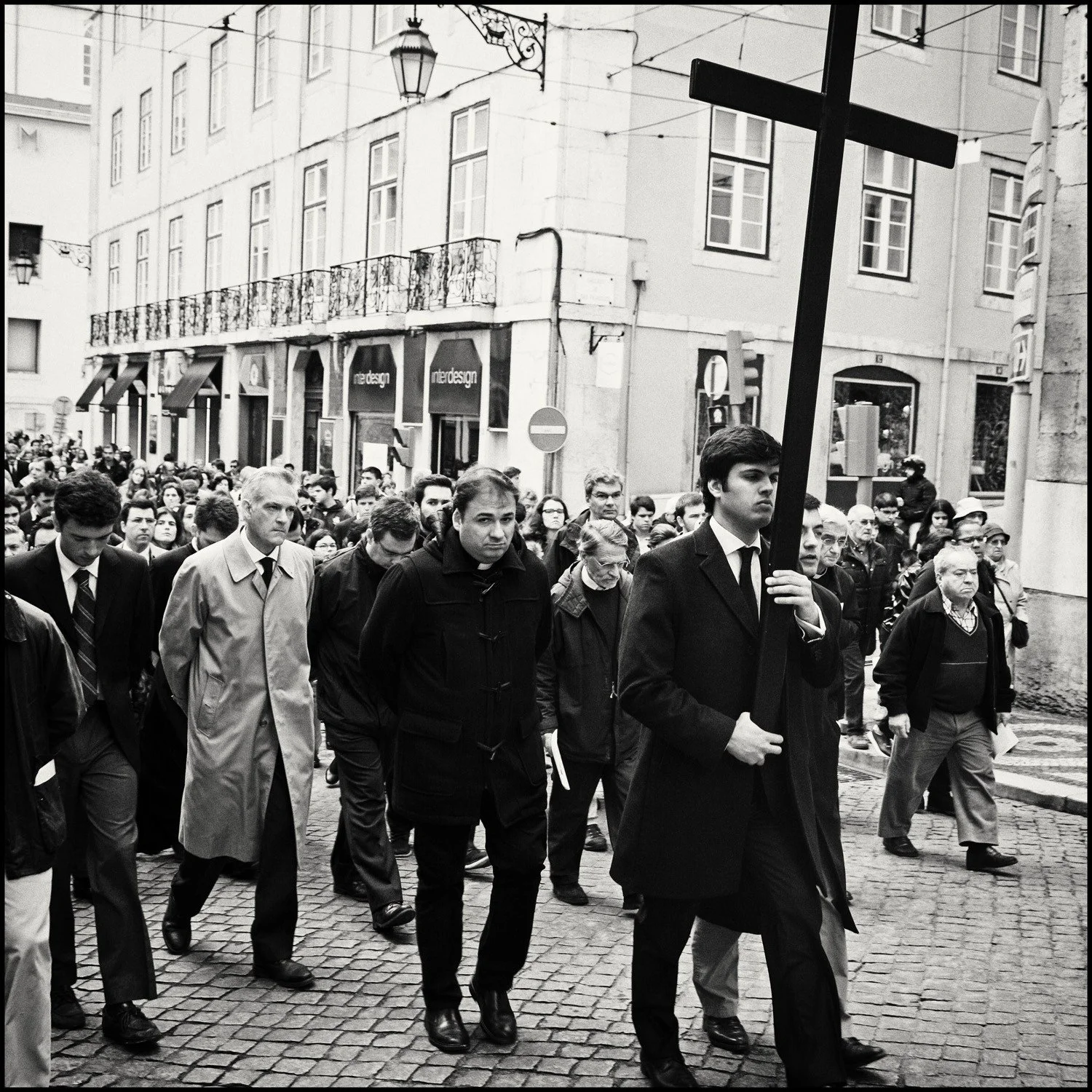
Jan Pieter van Voorst van Beest is a Fine Arts photographer living in Pownal Maine. He studied photography at the Portland School of Art and at the Maine Photographic Workshops with Joyce Tenneson and Arnold Newman. The majority of his work can be classified as street/ documentary and portrait photography. His work has been published in a variety of magazines and books and has been exhibited in the U.S, the Netherlands and Russia. The Portland Museum of Art, The Bowdoin College Museum, the University of Southern Maine and the Art Gallery at the University of New England are among the many places his work was shown. It can also be found in several collections. In 2009 he co-authored the book: “New Mainers, Portraits of our Immigrant Neighbors”, which was published at Tilbury House Publishers. He has been a board member and a co-curator at the Maine Museum of Photographic Arts since 2016.
Kevin Brusie
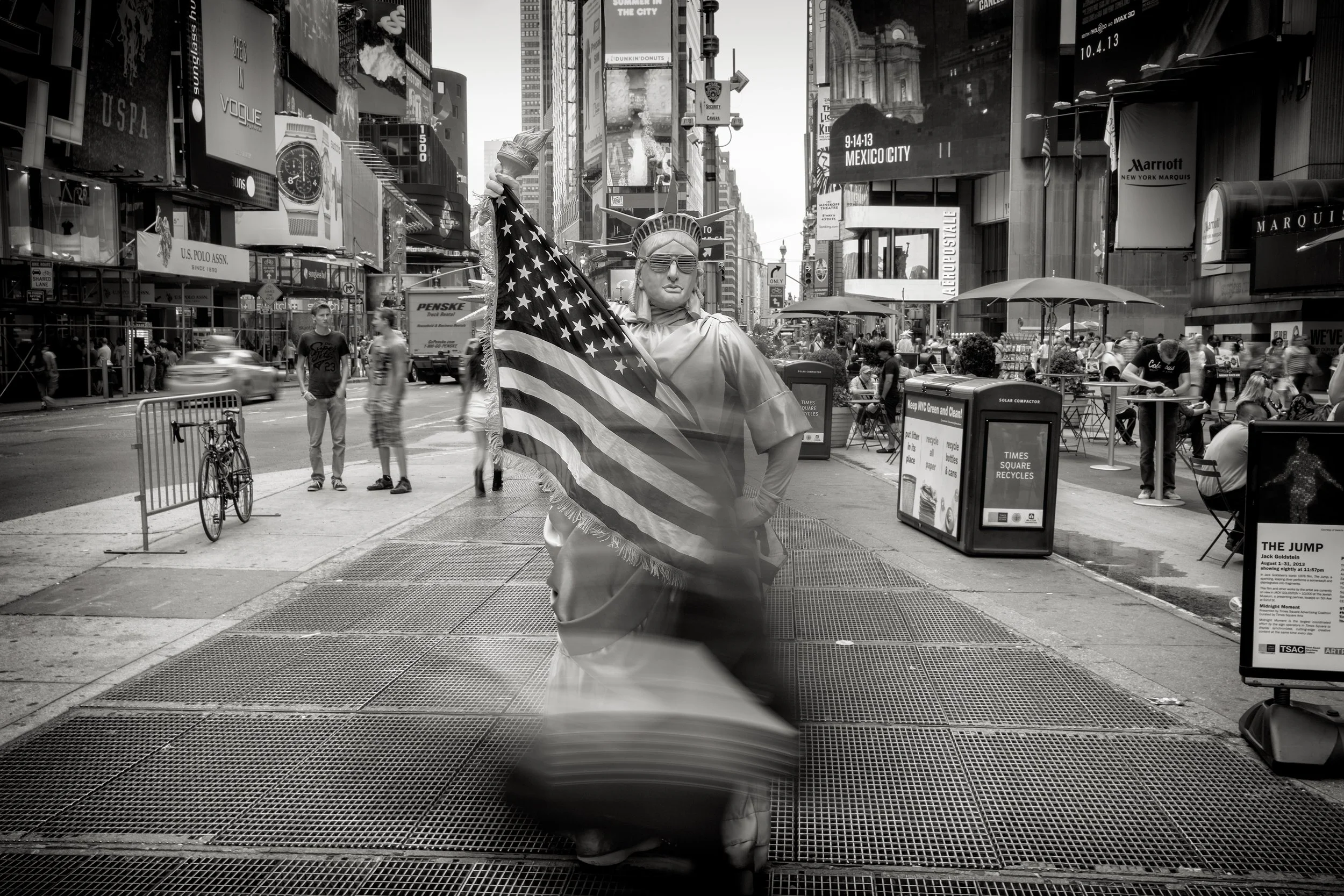
Kevin Brusie, Times Square Recycles, 2013, 1/10, Archival Inkjet, 14 x 21 inches, $950
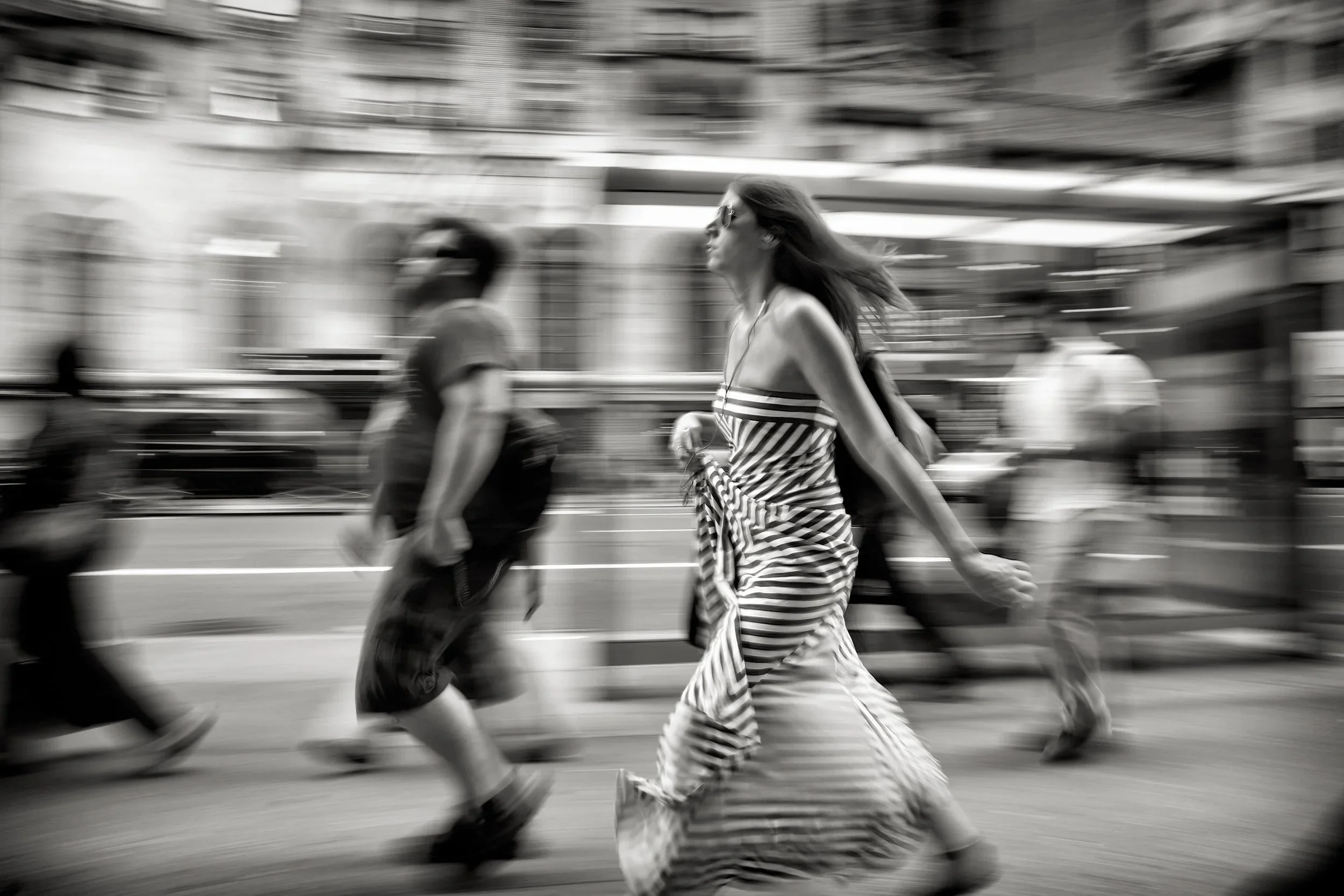
As a New Yorker living in self imposed exile in Maine, I still love my return visits. In August of 2013, I was in Manhattan for an assignment. Wrapping late in the morning, I stashed my gear, grabbed one camera and one lens, and set off to see an exhibit at MOMA. Walking the streets from Hell’s Kitchen to MOMA, I wanted to capture the energy that is everywhere in NYC, yet find the stillness that I feel when within it. I settled on photographing handheld, at an extremely small aperture (f/22) and low ISO (100). The goal was no camera movement as the world rushed by before me. The last two are photographs of commuters heading back to Penn Station on 7th Ave from a window seat in a Starbucks. For these I panned the camera with the passing subjects, isolating their movement in the environment. In the mayhem of NYC, no one noticed, or cared, that I was “looking at you.”
— Kevin Brusie
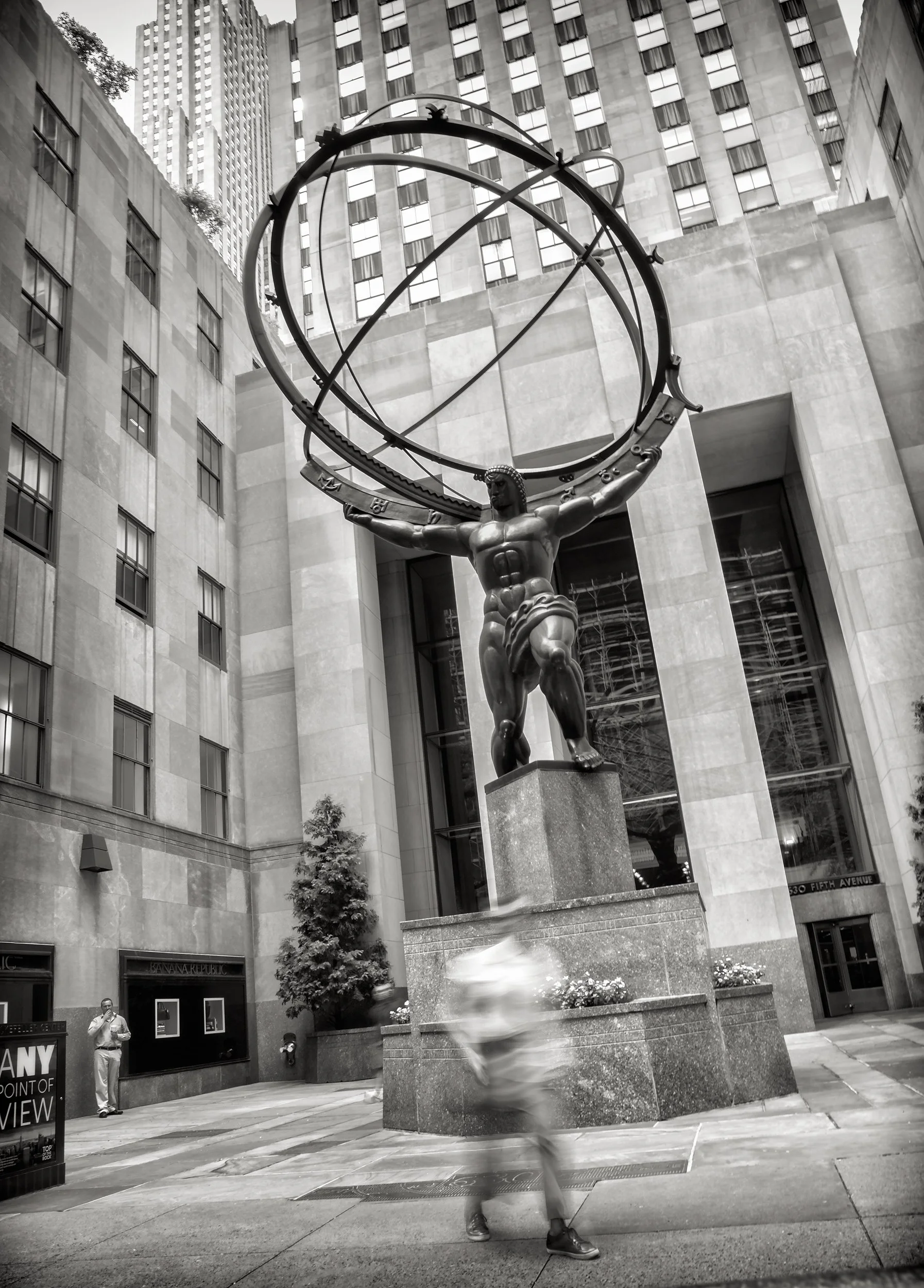
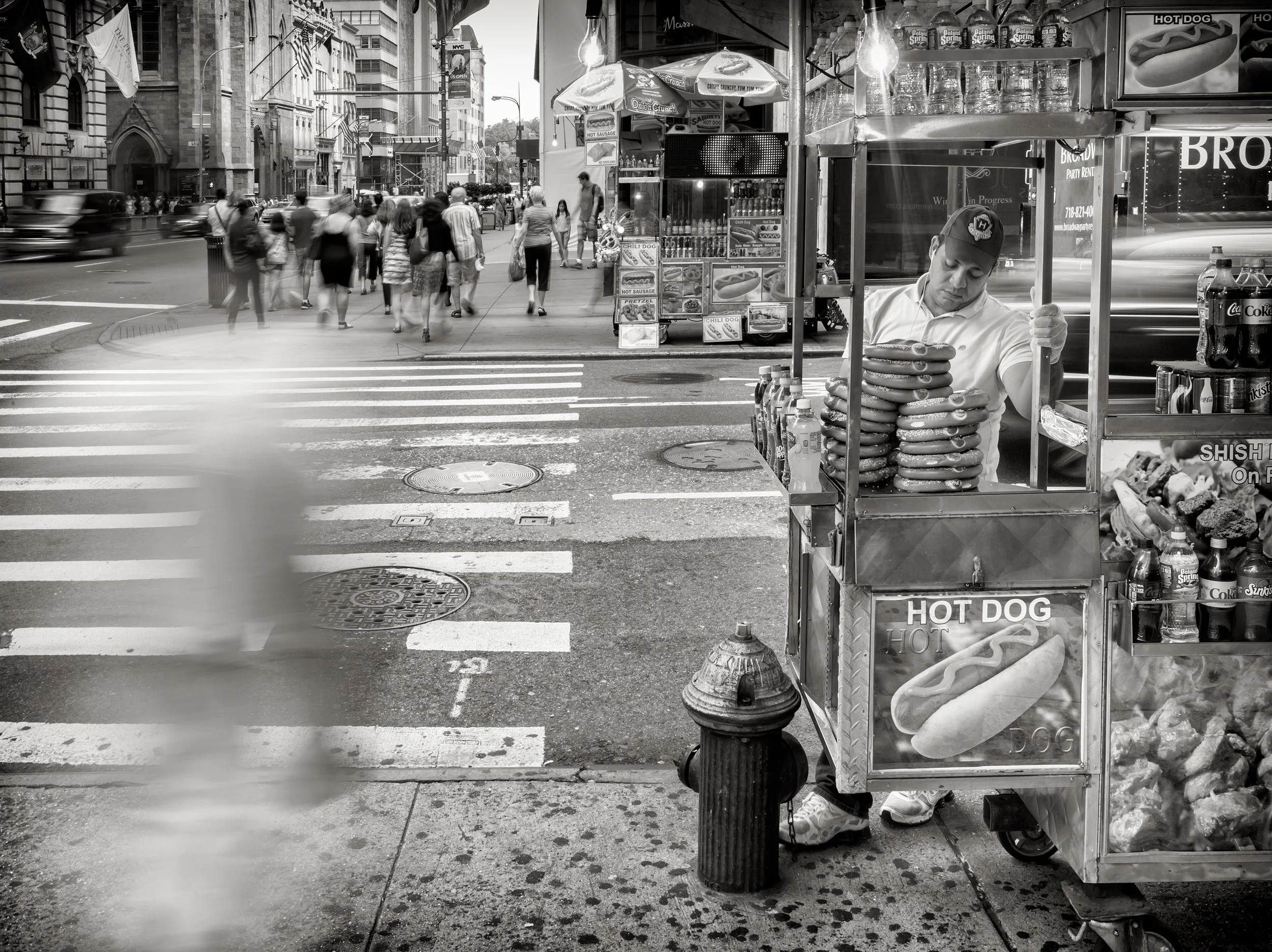
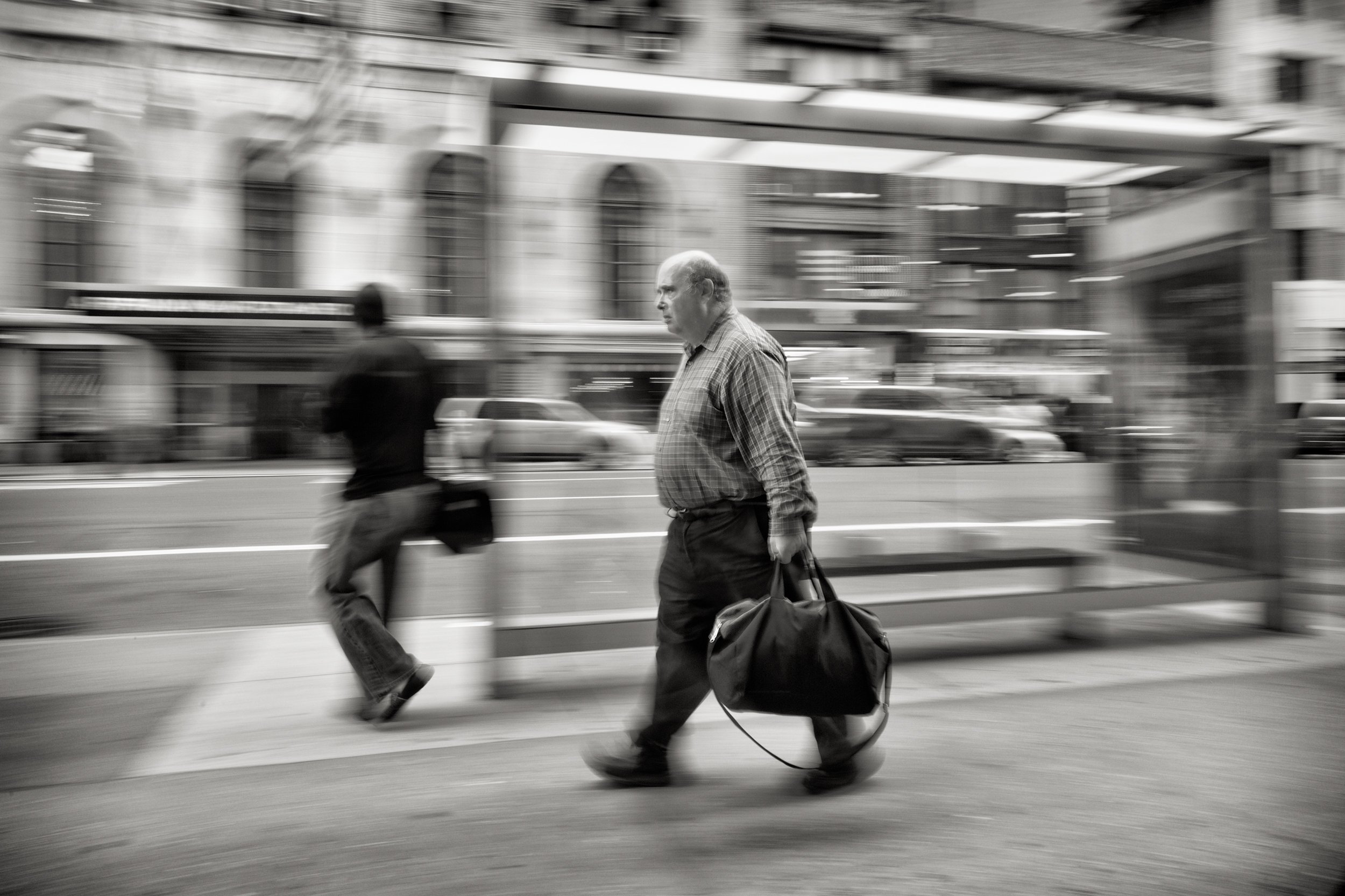
Kevin Brusie is a commercial photographer and video producer based in Maine, though he spent the first half of his life in NYC. His professional work is currently summarized with the phrase “Photographing Suits and Lab Coats in their Natural Habitat”, as his client base is mostly in medical, biotech, and finance, ranging from small local businesses to Fortune 500 firms around the country. Having worked for over 35 years as a professional, he is filled with gratitude for being graced with the opportunity to make a living with his cameras. Kevin is a 30+ year member of ASMP (American Society of Media Photographers) and currently serves as the National Board Chair of ASMP.
Arlene Collins

Arlene Collins, Train Car E #12, Lahore, Pakistan 2014, 1/5, Archival Pigment Print, 15 x 21 inches, $950
As a documentary photographer, my work is rooted in a deep respect for cultural complexity and a commitment to revealing the human experience in places that are often misunderstood, misrepresented, or entirely unseen. I travel to the world’s most remote regions and politically sensitive locations, as an observer seeking to capture authentic moments.
My approach is considerate as I peel back the facades. My compositional style is direct and deliberate. I prefer muted colors, using lines to direct the viewers eye toward the central element of the narrative. Working primarily at night or in low light allows me to capture subjects often hidden in the shadows, where the mood is raw and intense. People drop their guard in the shadows. The camera appears when my subjects understand and approve of my photographing.
My photographs are visual archives – records of lives, cultures, environments and traditions some of which are in transition. They document a specific time, place and human experience where change is rapid and perhaps irreversible. I aim to create images that reveal and question these current transformations.
— Arlene Collins


Arlene Collins is a New York City based photographer who specializes in documenting the changing civilizations of people & cultures living in remote areas of the world, where she thrives on photographing in challenging environments and situations.
She has produced and lead international photography workshops to over 20 destinations including Papua New Guinea, Iran, Russia, Greenland, Mongolia, Uzbekistan and Turkmenistan.
She co-curated the Second Image of the Silk Road Photography Biennial in Tianshui, China. She has taught numerous workshops throughout the world, including in Lahore, Pakistan; at ROSPHOTO the Russian State Museum of Photography in St. Petersburg, Russia; the Centro de la Imagen in Mexico City, the Fototeca de Cuba in Havana, and the Three Shadows Center for Art & Photography in Beijing, China.
Her North Korean photographs were featured on www.L’Oeil de la Photographie.com and she contributed to the publication ‘Workshop Stories changed through photography”. Her work is in the permanent collections of the Brooklyn Museum and the City Museum of New York.
She studied photography with Lisette Model and is included in the Model Monograph. In New York City she taught in the International Center of Photography documentary and photojournalism program and is an Adjunct Associate Professor of Photography at Parsons School of Design and in the summer teaches at the Maine Media Workshops.
Denise Laurinaitis
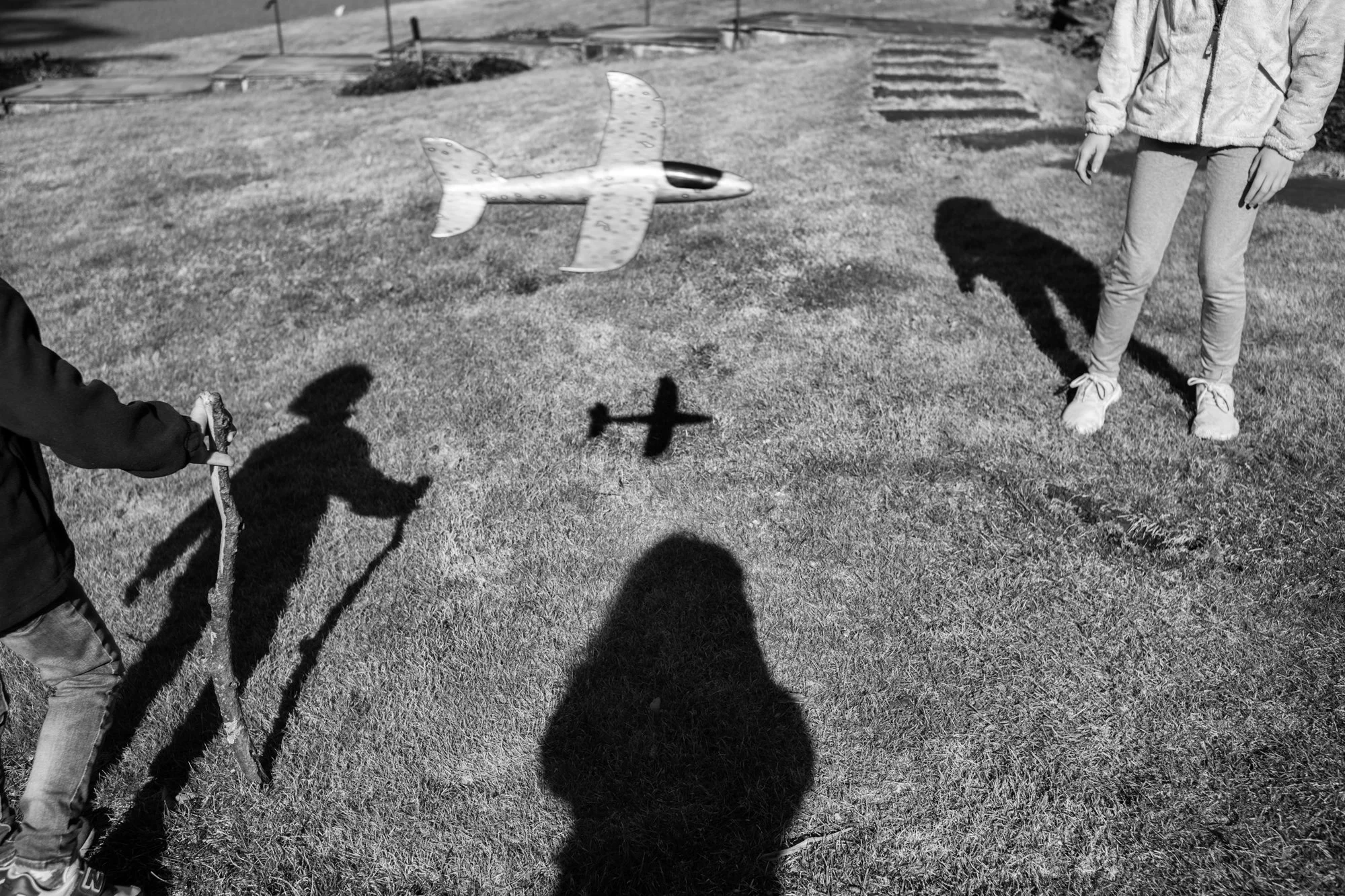
Denise Laurinaitis, In Flight, 2020, Archival pigment print, 20 x 30 inches, $2,200
The Missing Photographs
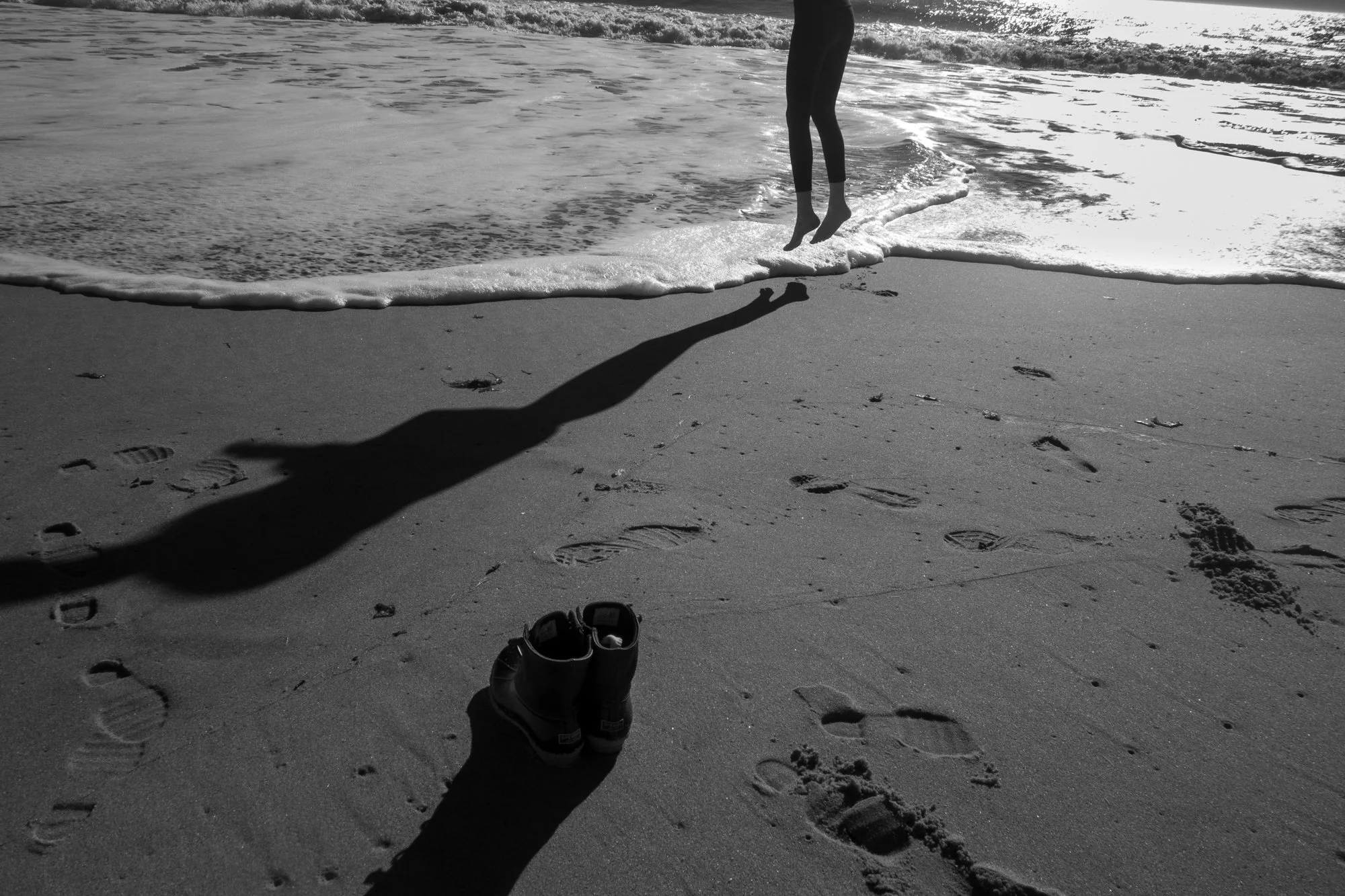
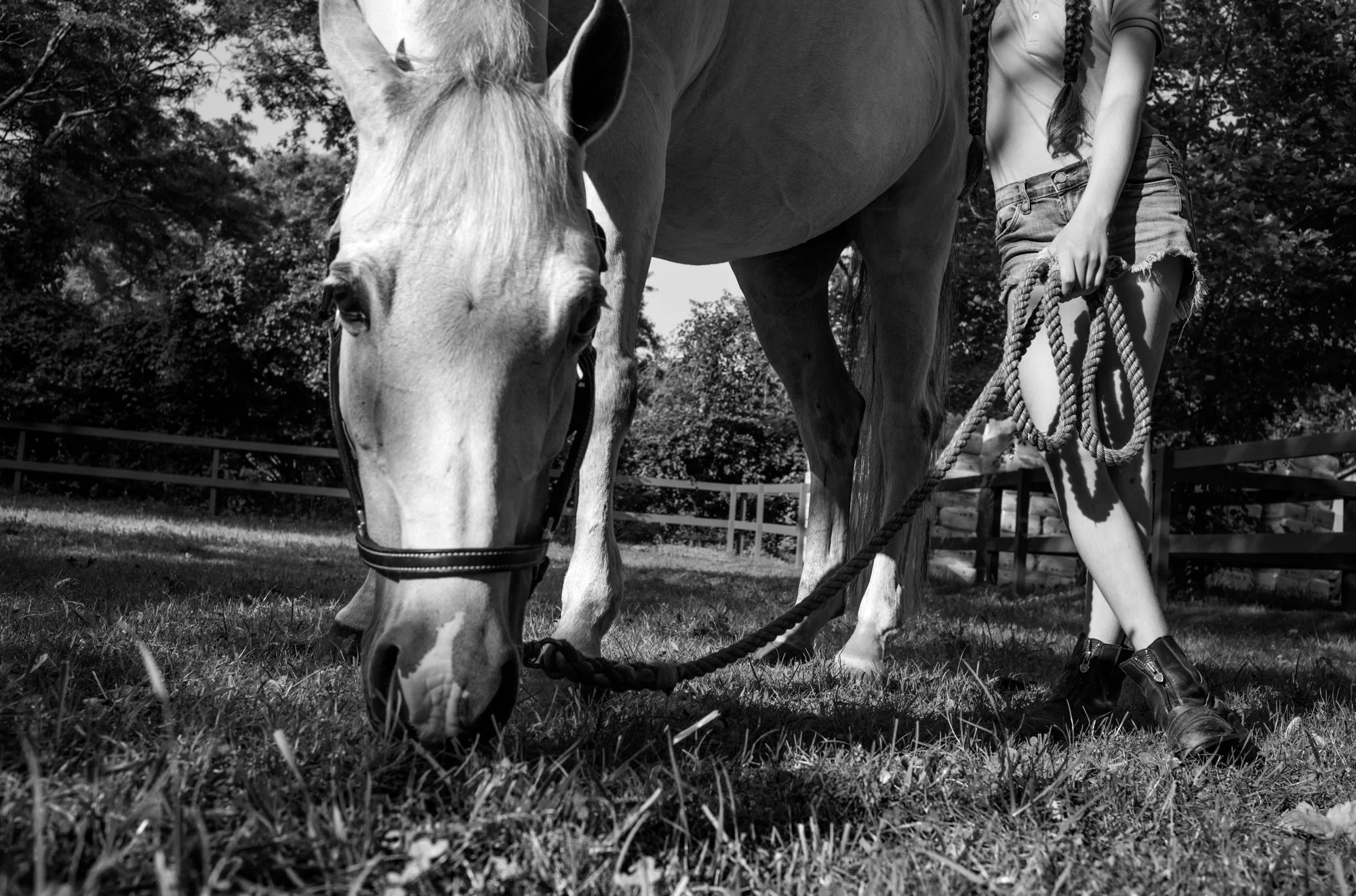
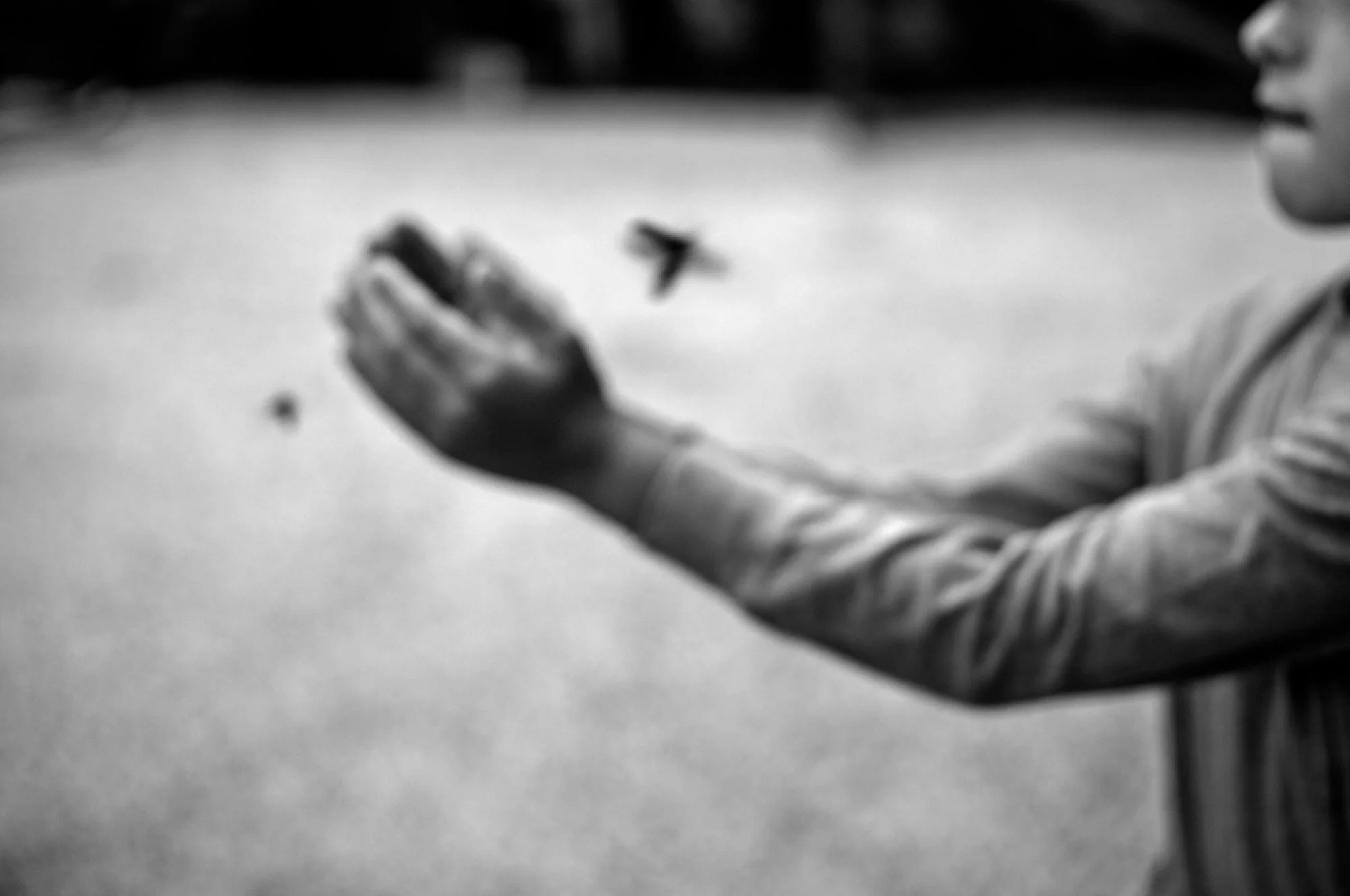
There was a big box of family photographs that my mother kept on a top shelf in her closet for years. It was rectangular, with a lid that popped off the top easily so that she could add to the pile inside it. She left it that way for years. And years. Open, drop in, close. And done. Then came that Mother’s Day when I organized the photographs for her. I bought a massive album and lots of photograph holder corners, old-style, lick and stick. I arranged the photographs in chronological order as best I could across the floor. And that is when it dawned on me: there is a gap. A missing portion of my childhood. It just isn’t there. The gap between early childhood and adolescence, as if it didn’t happen. The gap between my father’s death, and when we kids were old enough to photograph with our pocket-sized 110 film cameras. Memories of my father have faded like the velvet sofa that sits too long in the window’s sunshine. I sit here, in my home, with my husband and children by my side. I am here, today. Everyday. Present. I see my children for the little people they are. Devoted favorite colors that have not budged once. Organization, and disarray. They are at the age of the missing photographs of my youth, representing the time right after my father’s death. The days pass quickly, and I take it all in. Childhood is fleeting, and I get to experience it all over again. The wonderment, the skinned knees, the giggles, and the in between. I feel that excitement in holding a firefly, its tickle so gentle as it walks across my hand. Did I actually live this before?
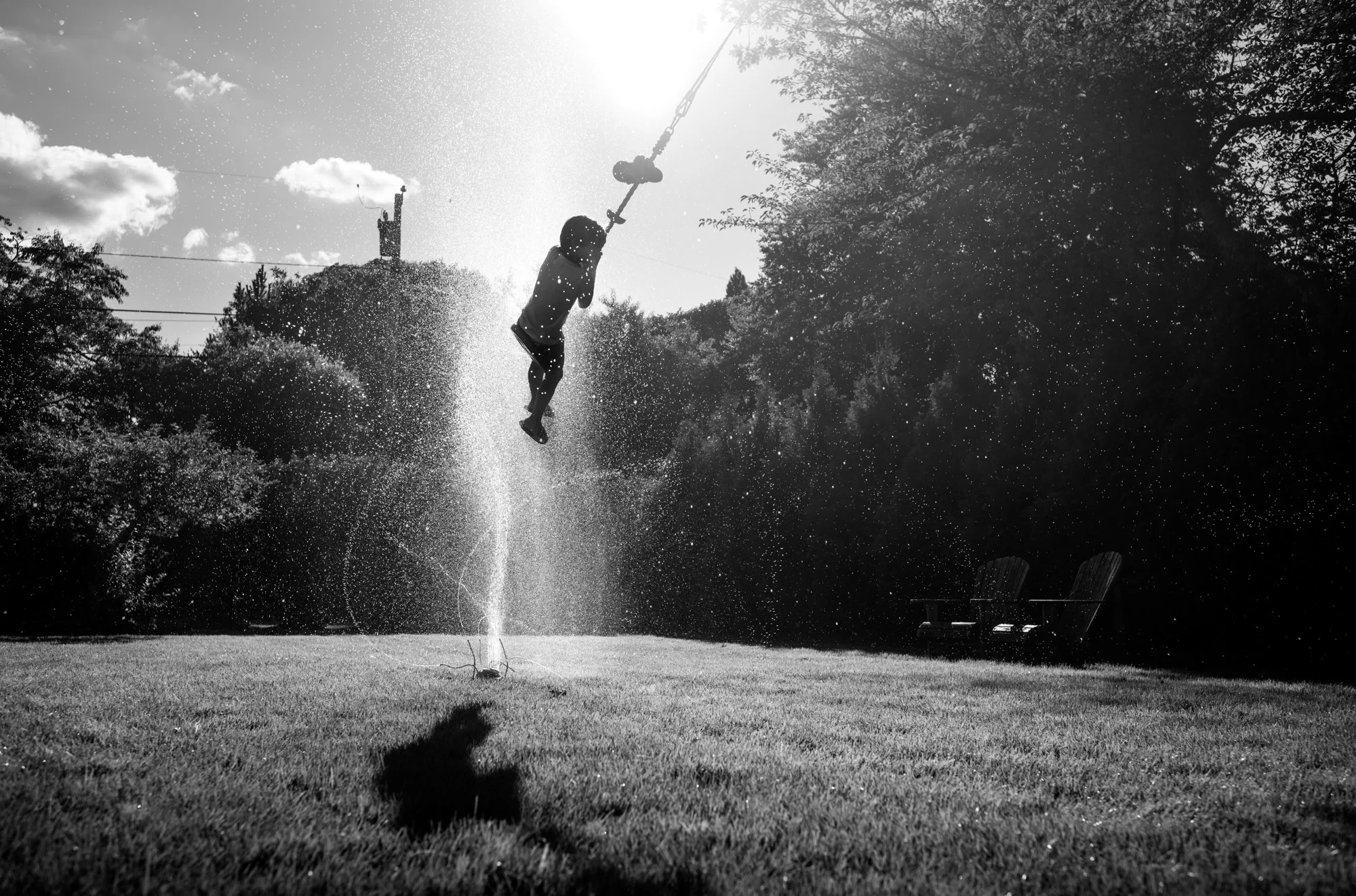
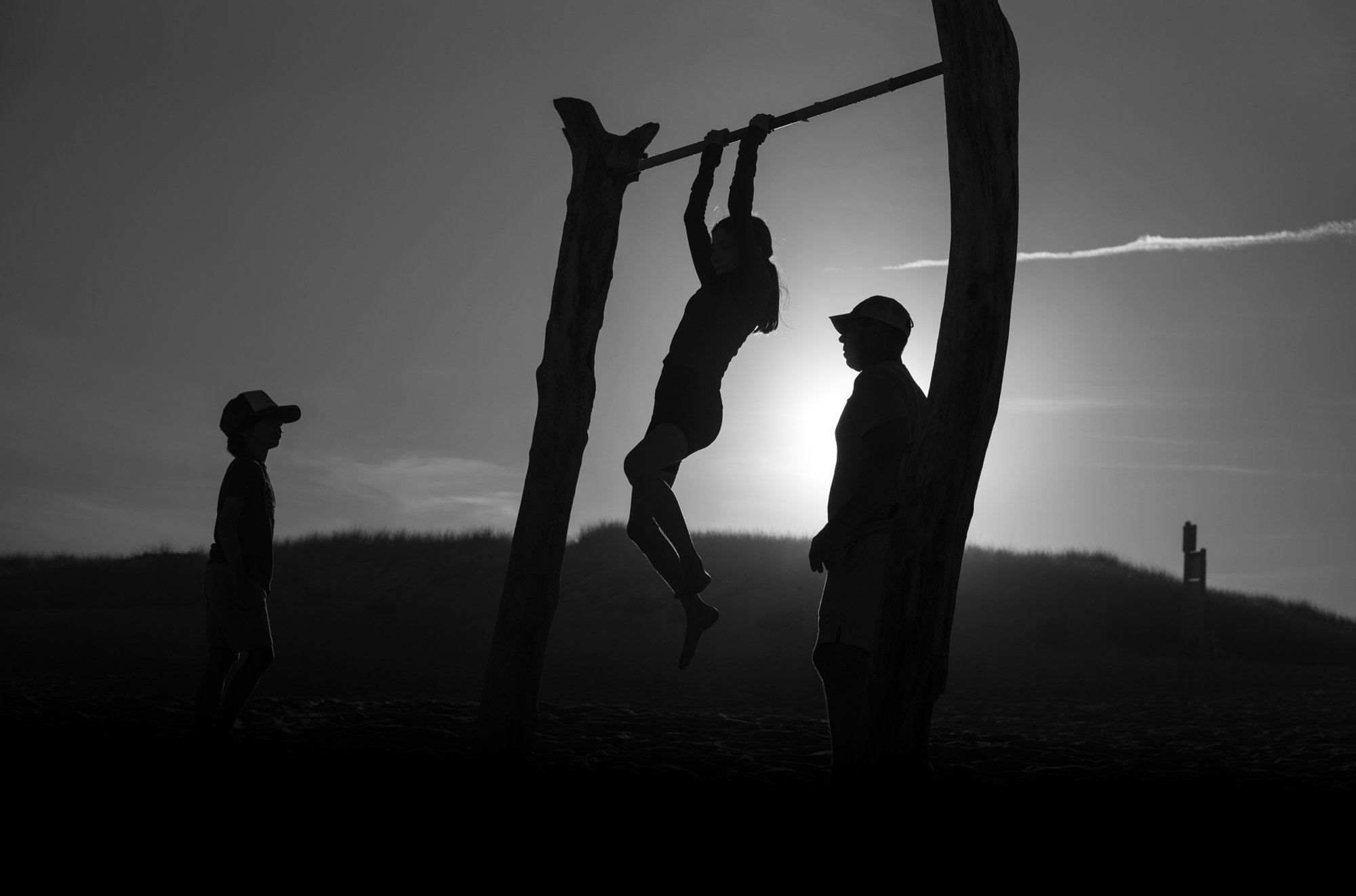
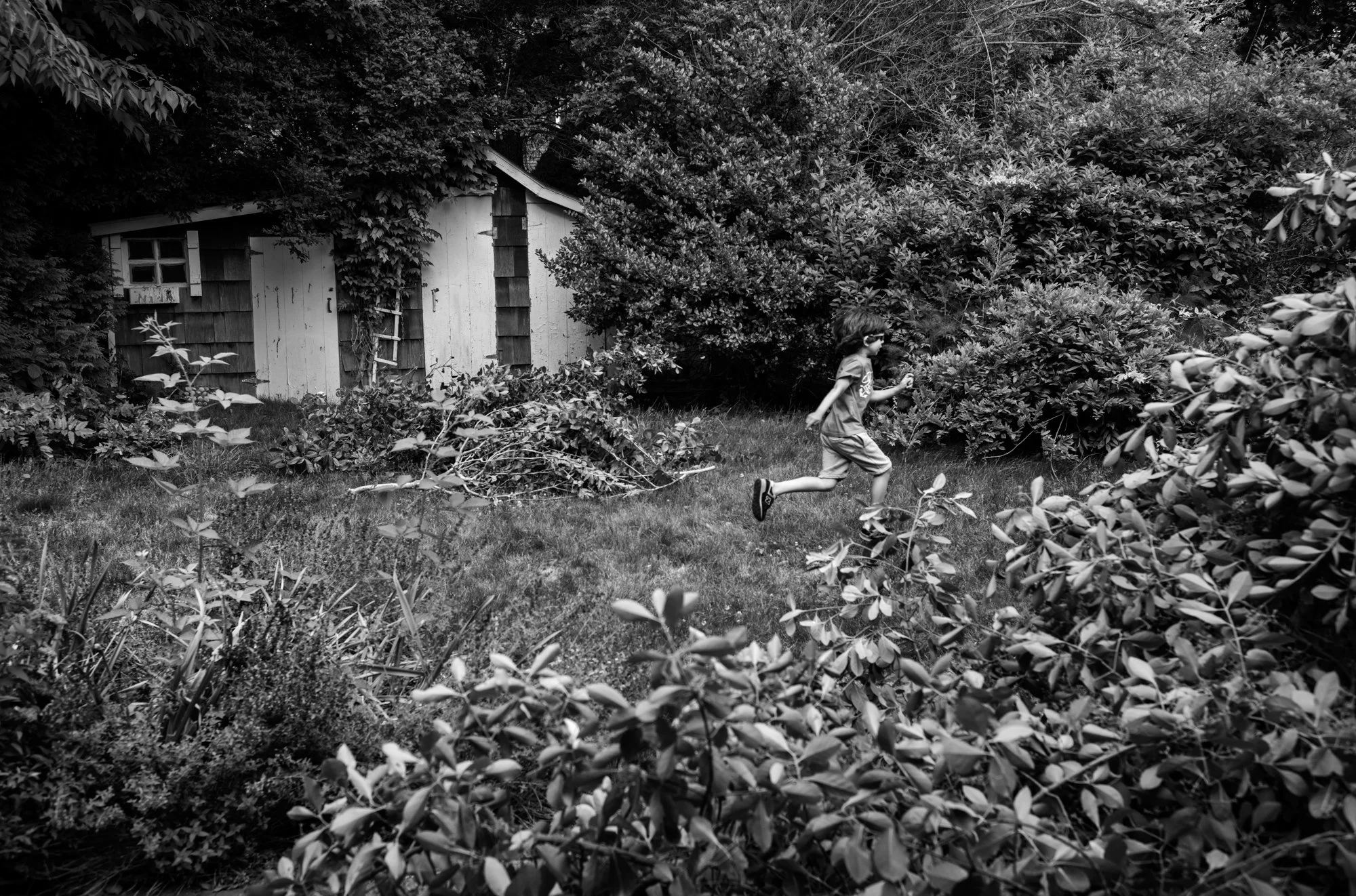
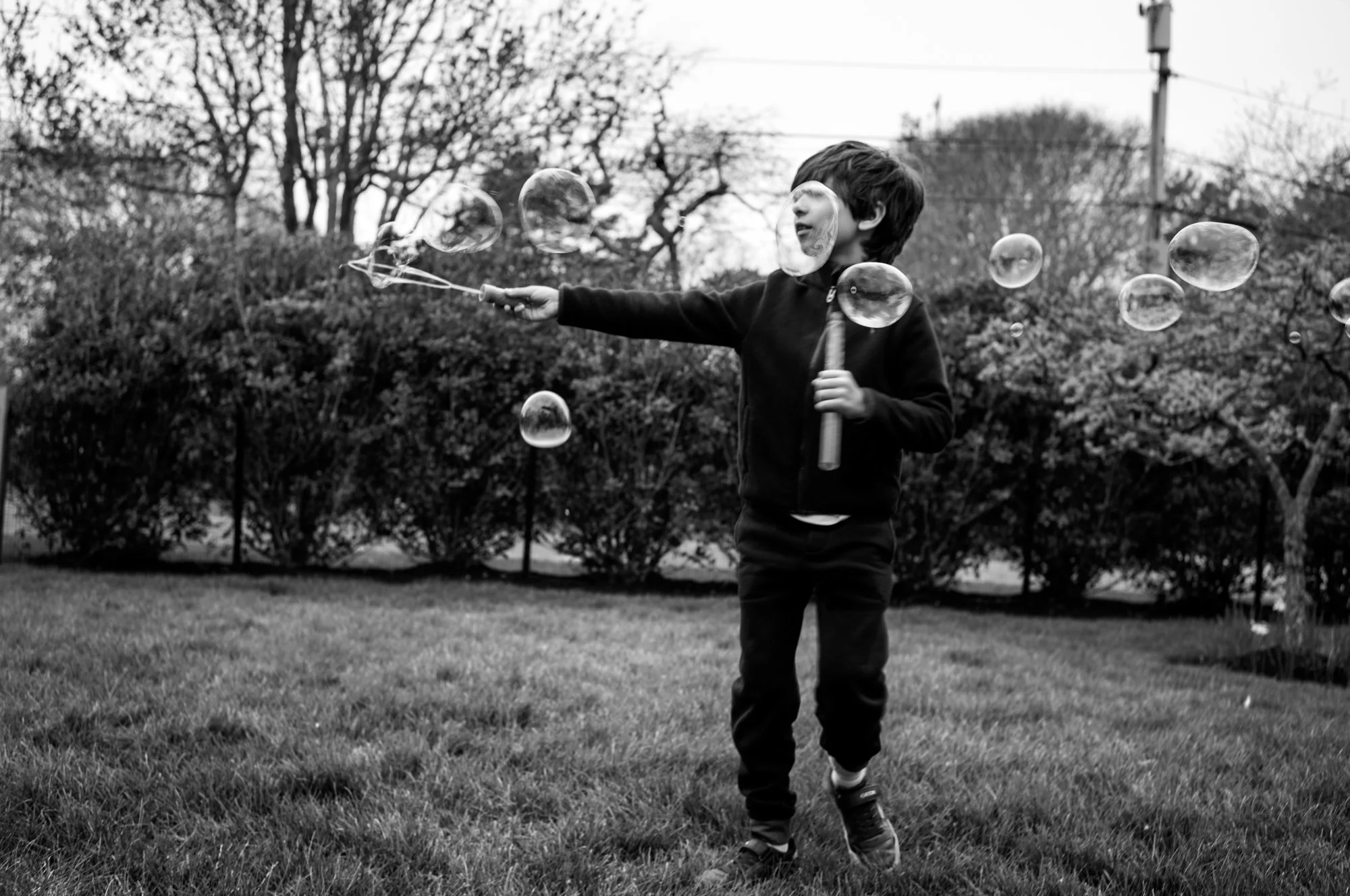
Denise Laurinaitis is an artist whose work expresses an implied narrative and explores topics of memory, time and identity. Each photograph is a reminder that the past and present are always connected. Denise holds a BA from Georgetown University, a JD from Hofstra School of Law, has studied at the International Center of Photography, and is currently pursuing an MFA at Maine Media College. Denise has won numerous awards, including First Place at Center of Photographic Art’s 2024 International Juried Exhibition, PRC Choice Awards (Directors Award) at Photographic Research Center's Exposure 2023, Third Place Winner at Soho Photo Gallery's 2023 National Competition, and Honorable Mention at Colorado Photographic Arts Center's 2023 Member's Show. She was selected as a Critical Mass Top 200 Finalist in 2023 and 2021 by Photolucida. Her work has been exhibited nationally.
Jack Montgomery
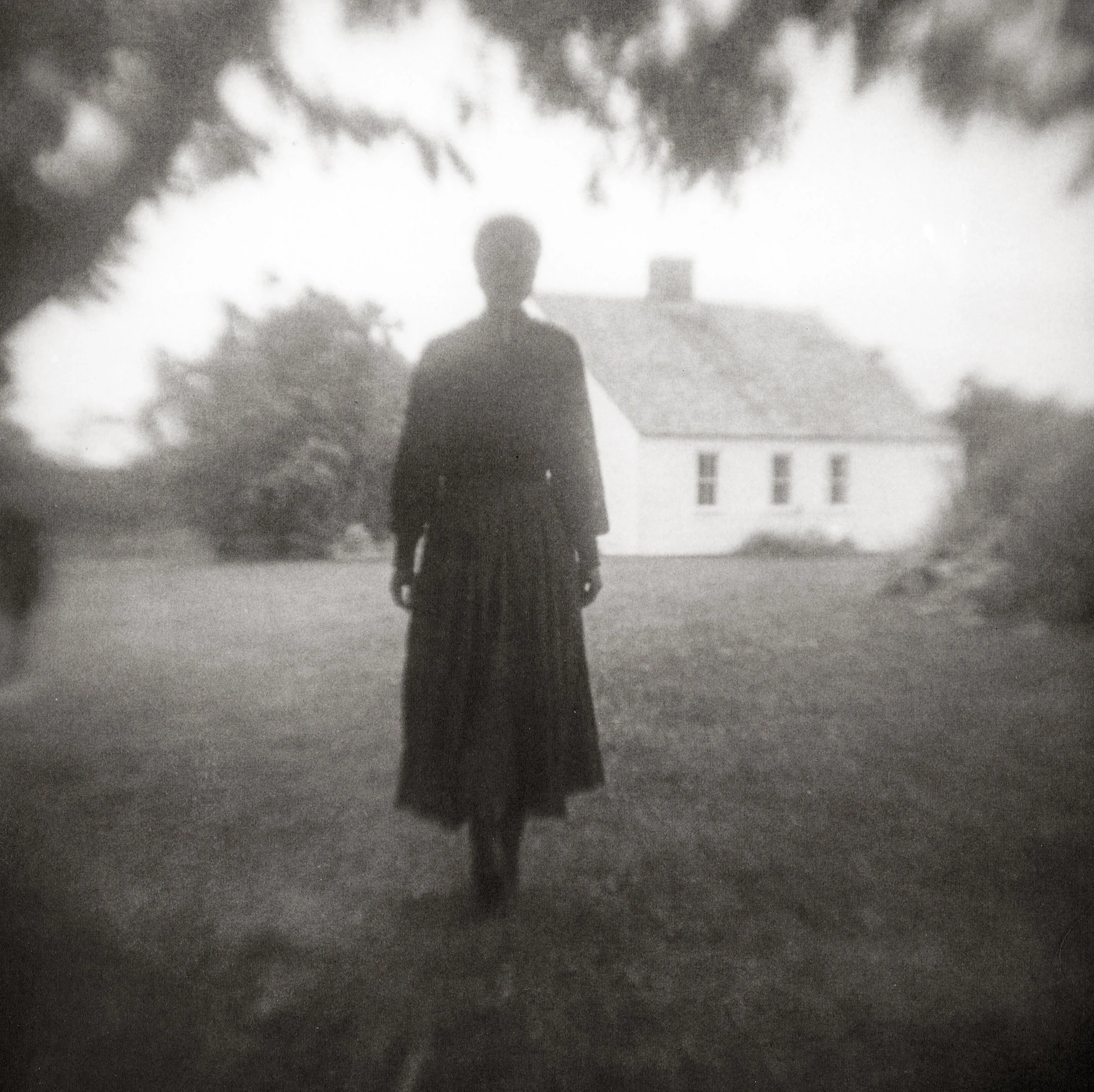
Jack Montgomery, Audrey approaching Pettengill House, Freeport, 1/10, Photogravure, 8 x 8 inches, $800
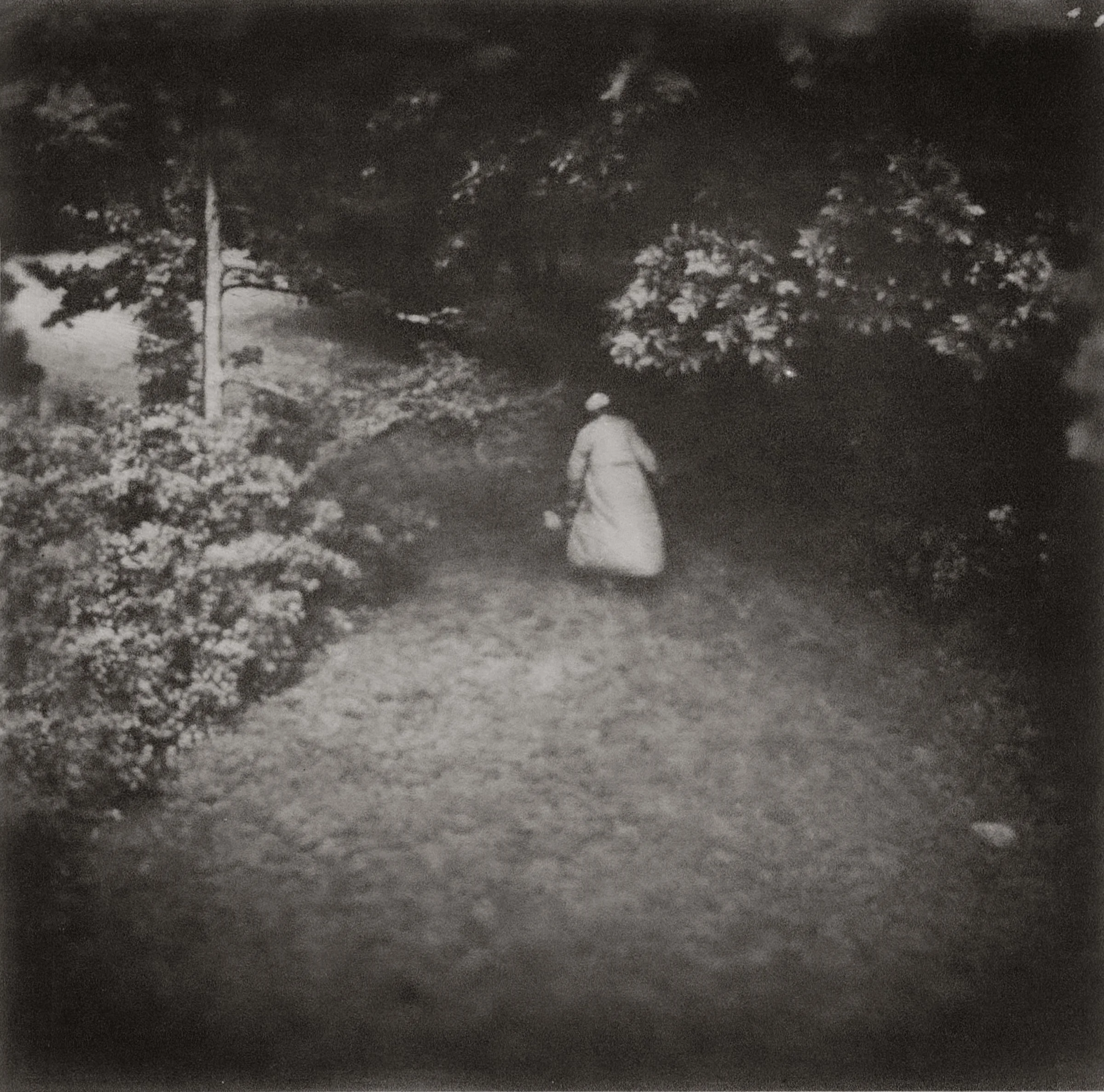
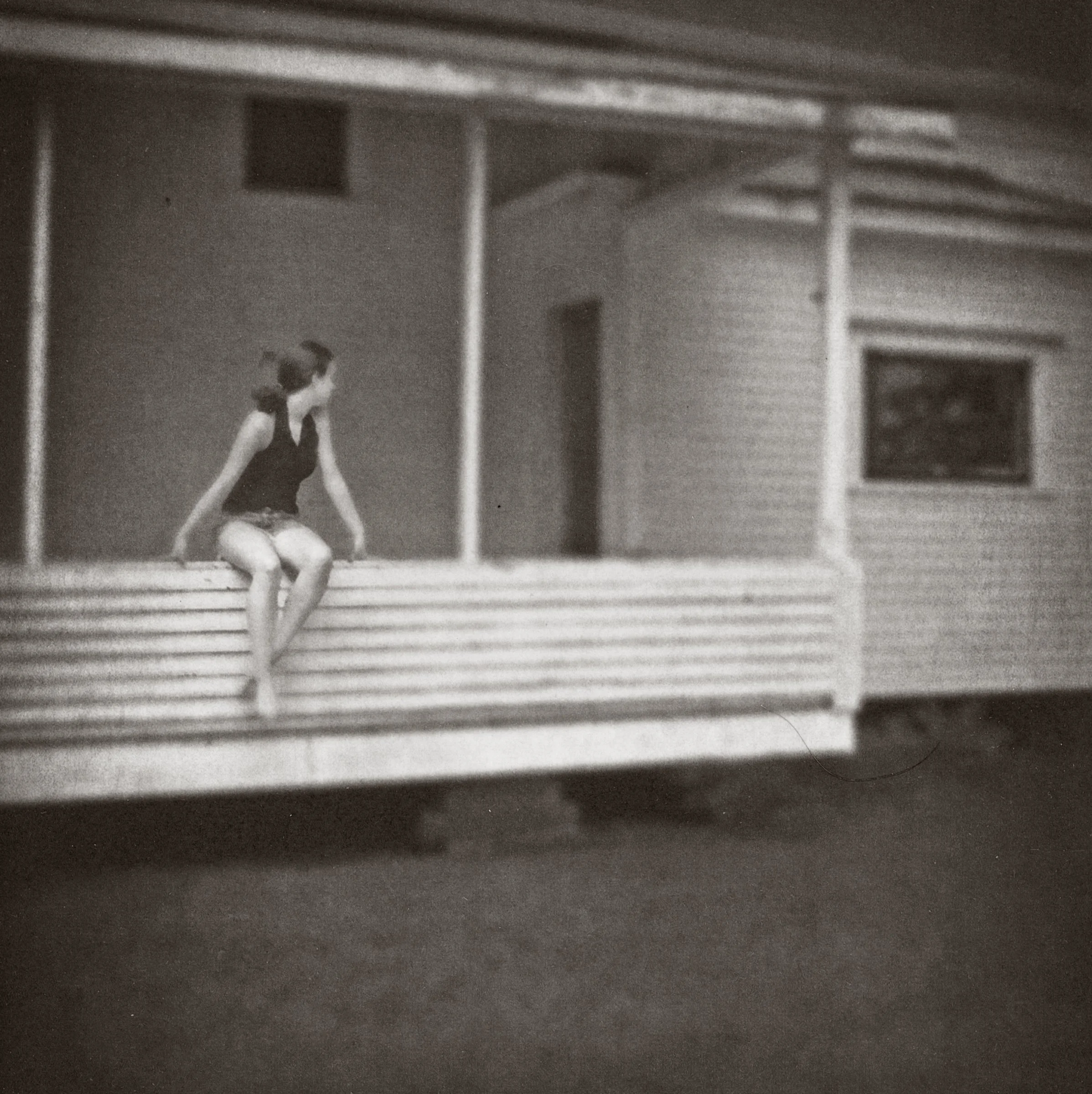
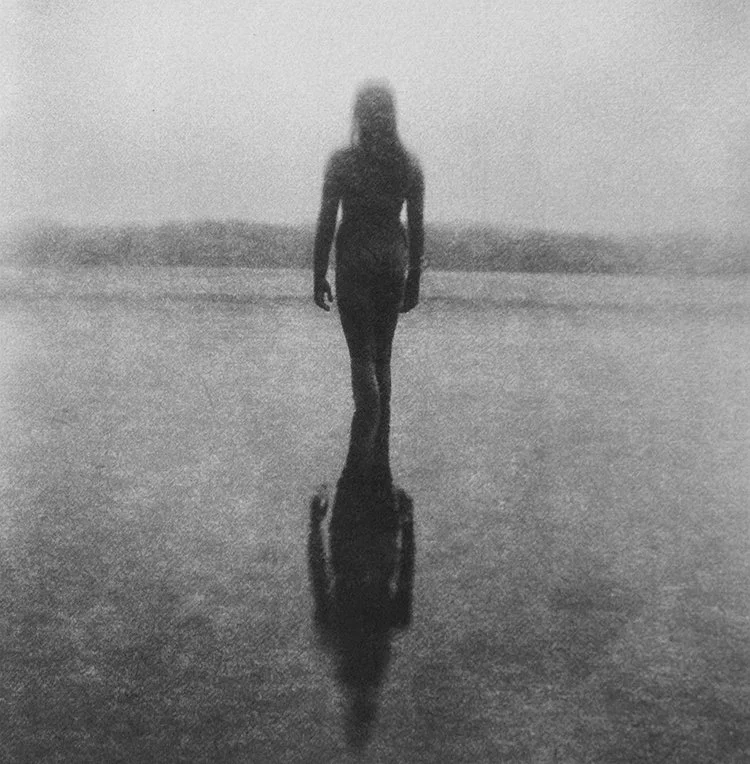
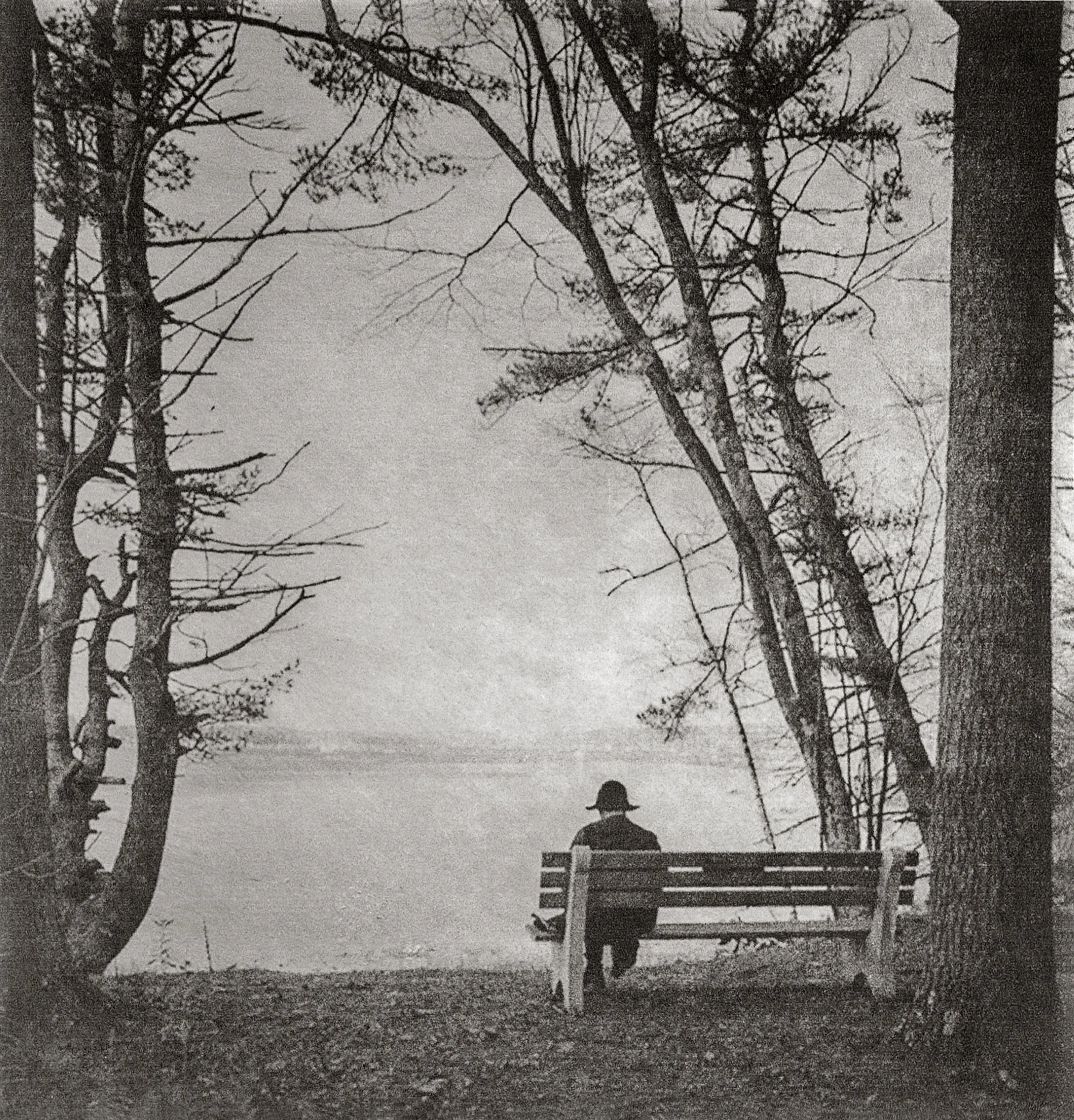
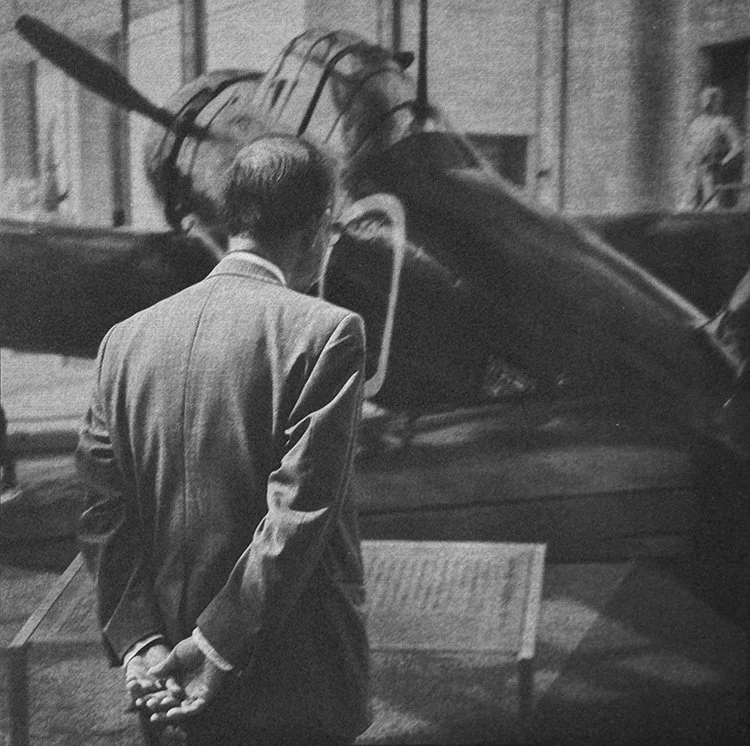
The Rukenfigur Prints
The human figure portrayed from behind (the “Rukenfigur”) is a powerful artistic device that has long been employed in classical painting, film and photography. I believe it introduces an element of ambiguity, which I welcome. Depending upon the context, it suggests to me a variety of emotions, ranging from mystery, vulnerability, tragedy, sadness, longing to many others. As I began reviewing my own images made over a period of many years, I found many embodied the Rukenfigur. As I edited them, I enjoyed the many moods they evoked in me and thus created this portfolio.
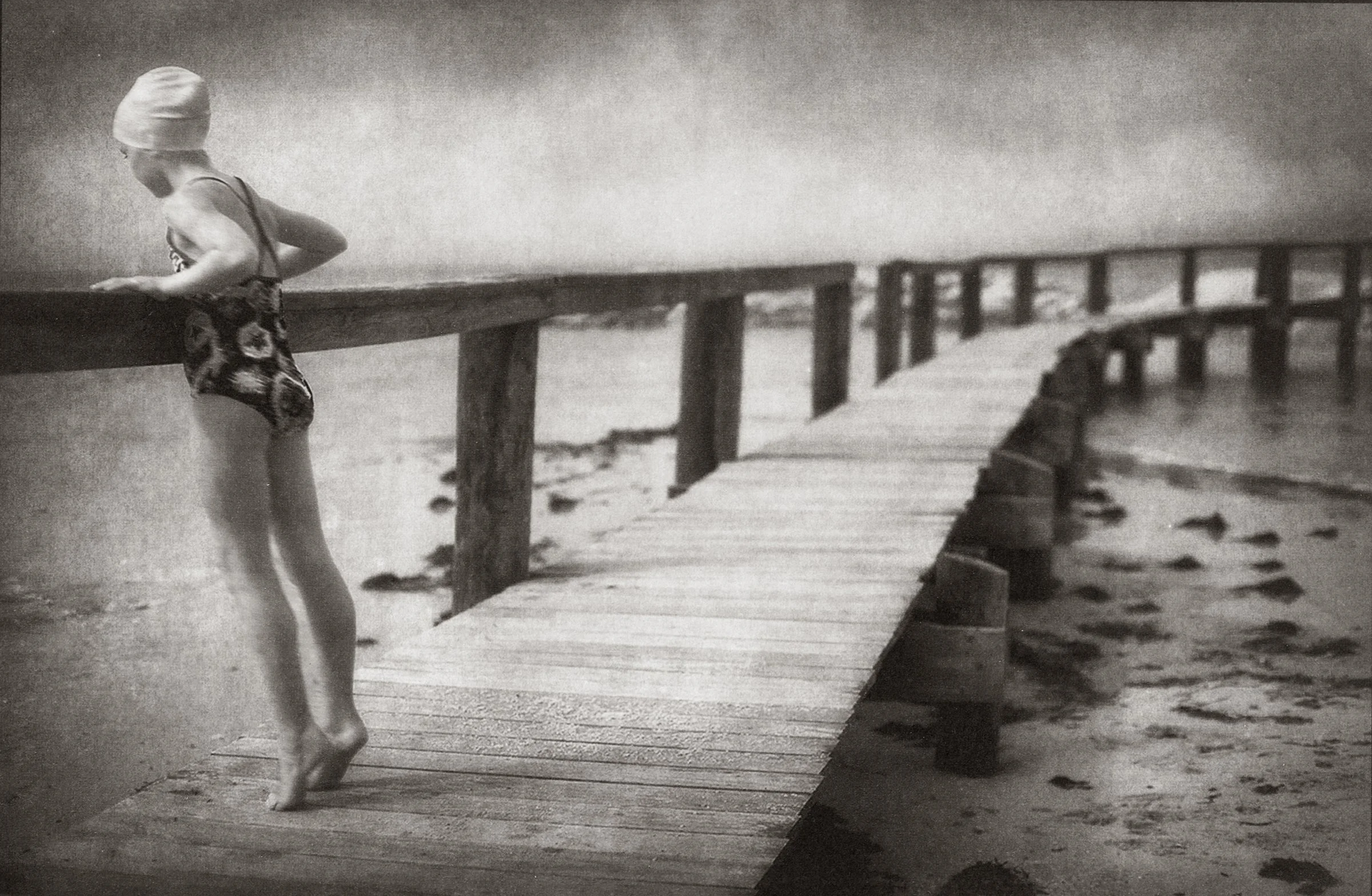
Jack Montgomery, Iona on the Dock, Nonquitt, 1/10, 2025, Photogravure, 7 X 11 inches, $800
Mise-en-Scene
I began photographing in earnest in 1992. While I have largely focused on portraiture, I am also drawn to landscape and other photographic genres. I am inspired as much by the work of painters as I am by other photographers. I have used a variety of cameras, photographing both with film and digitally. I have had the good fortune to take photographs in many places but my greatest joy has been in making images within two of three miles of my home in Freeport, Maine. The variety of subjects and locales in my town is a constant source of inspiration. For the last decade, I have primarily produced prints using 19th Century processes — photogravure, palladium and kallitype. These methods are slow, often challenging and full of surprises. I get pleasure making things by hand. Each one of these prints is unique. Just like the photographers from long ago whom I admire, working in this fashion allows me to introduce my own memories, dreams and reflections into the image. They each tell a story — at least they do for me.
Barbara Peacock
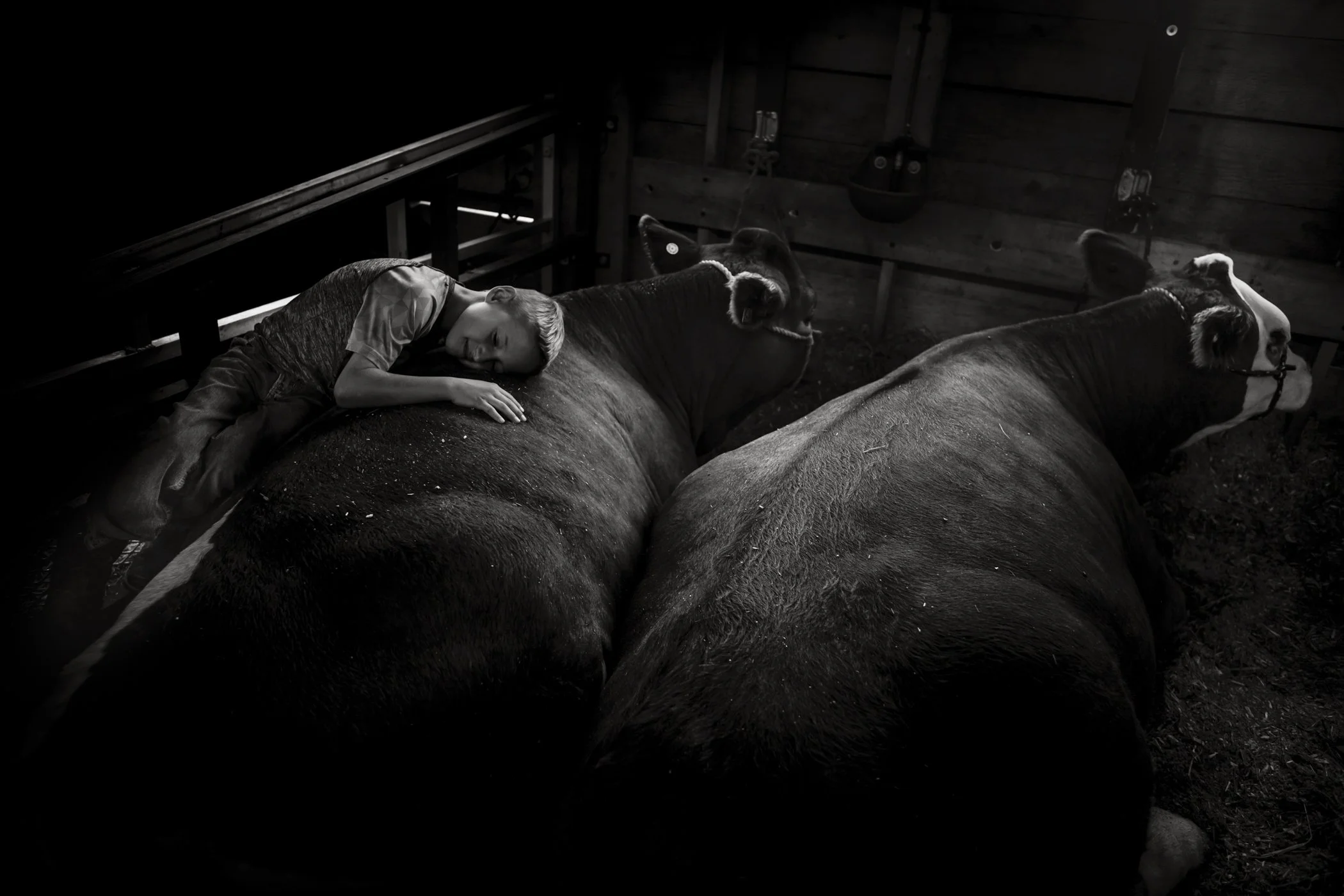
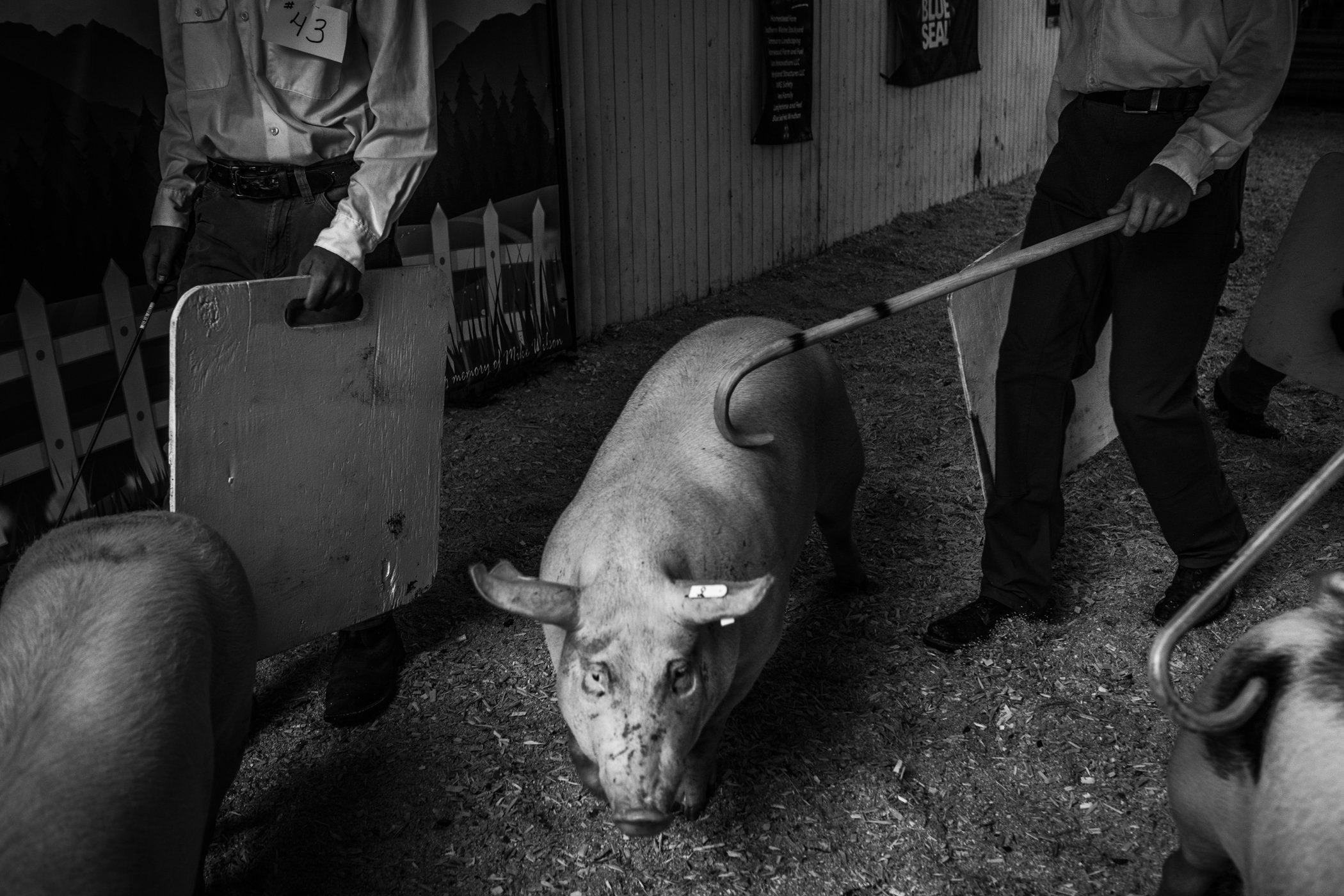
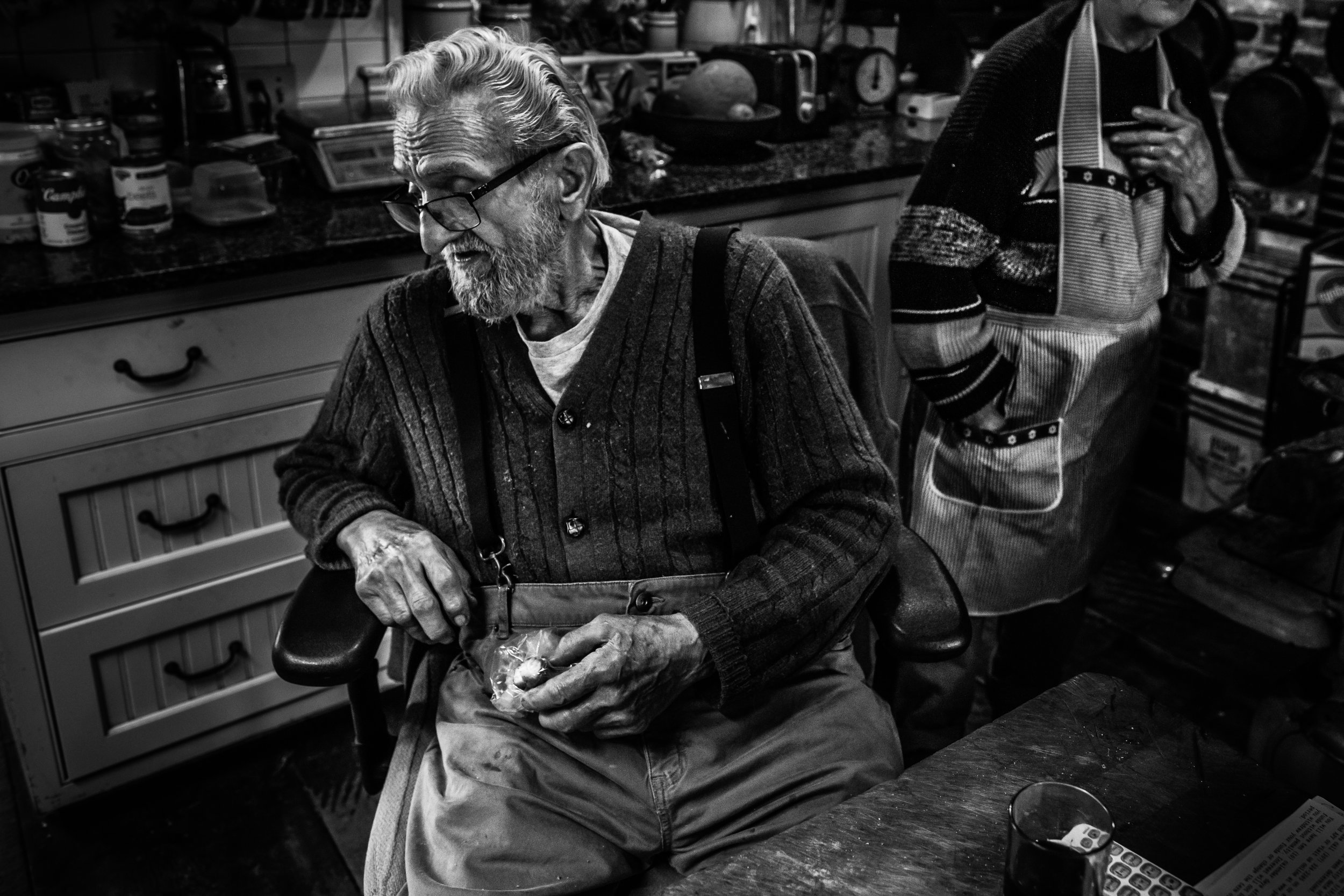
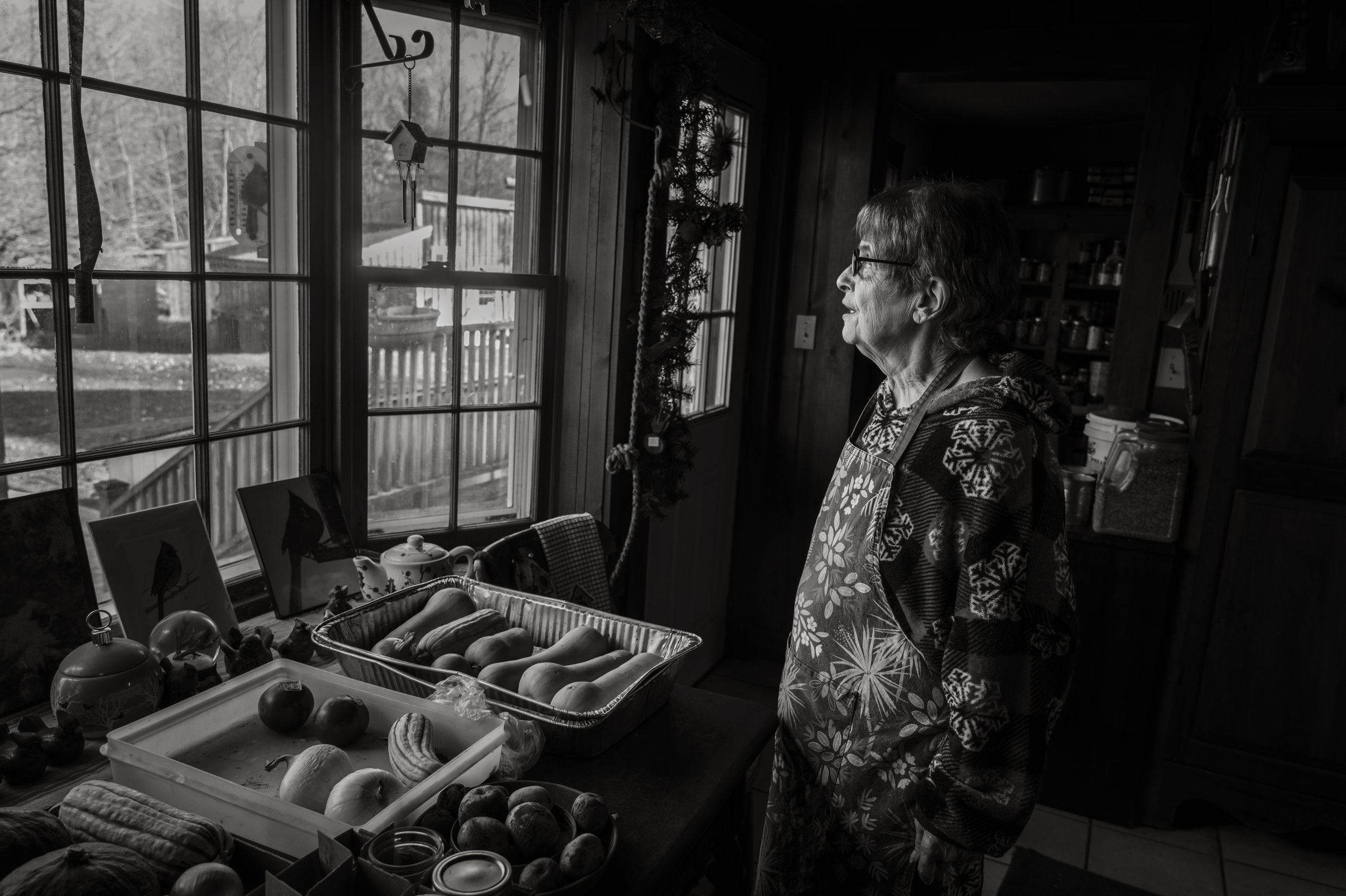
Barbara Peacock, Asher’s Cow, 2024/25, Archival pigment print, 16 x 20 inches, $750
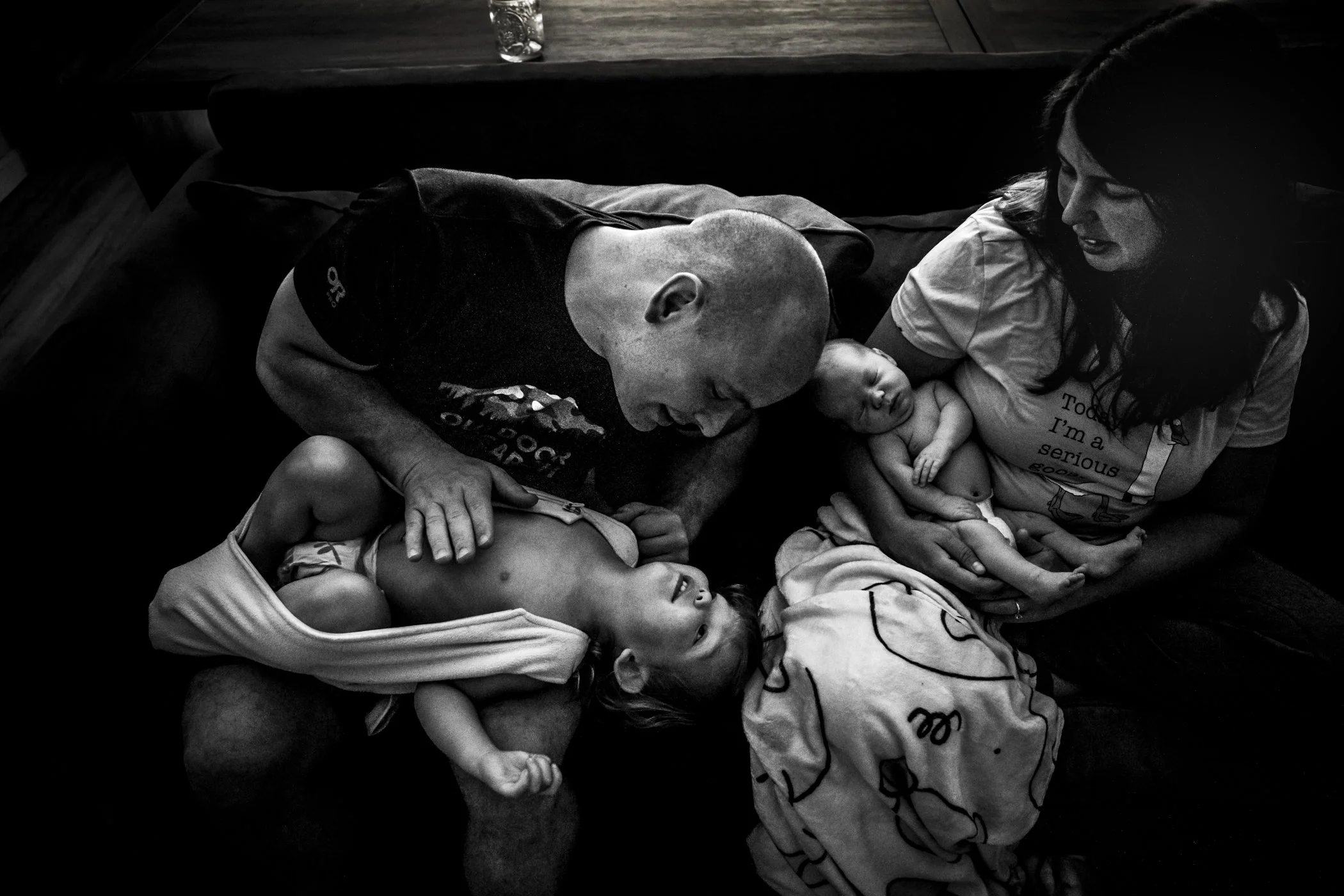
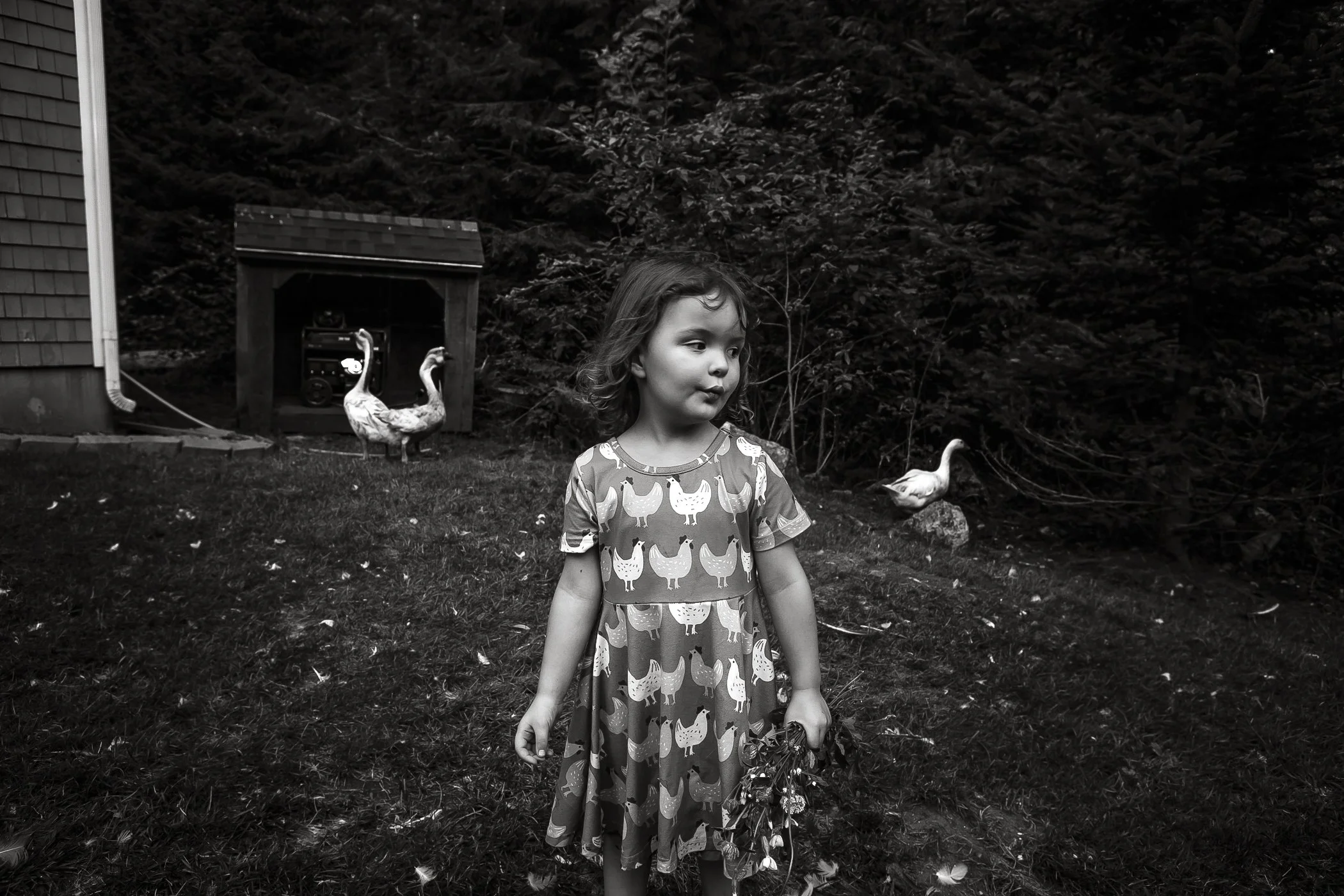
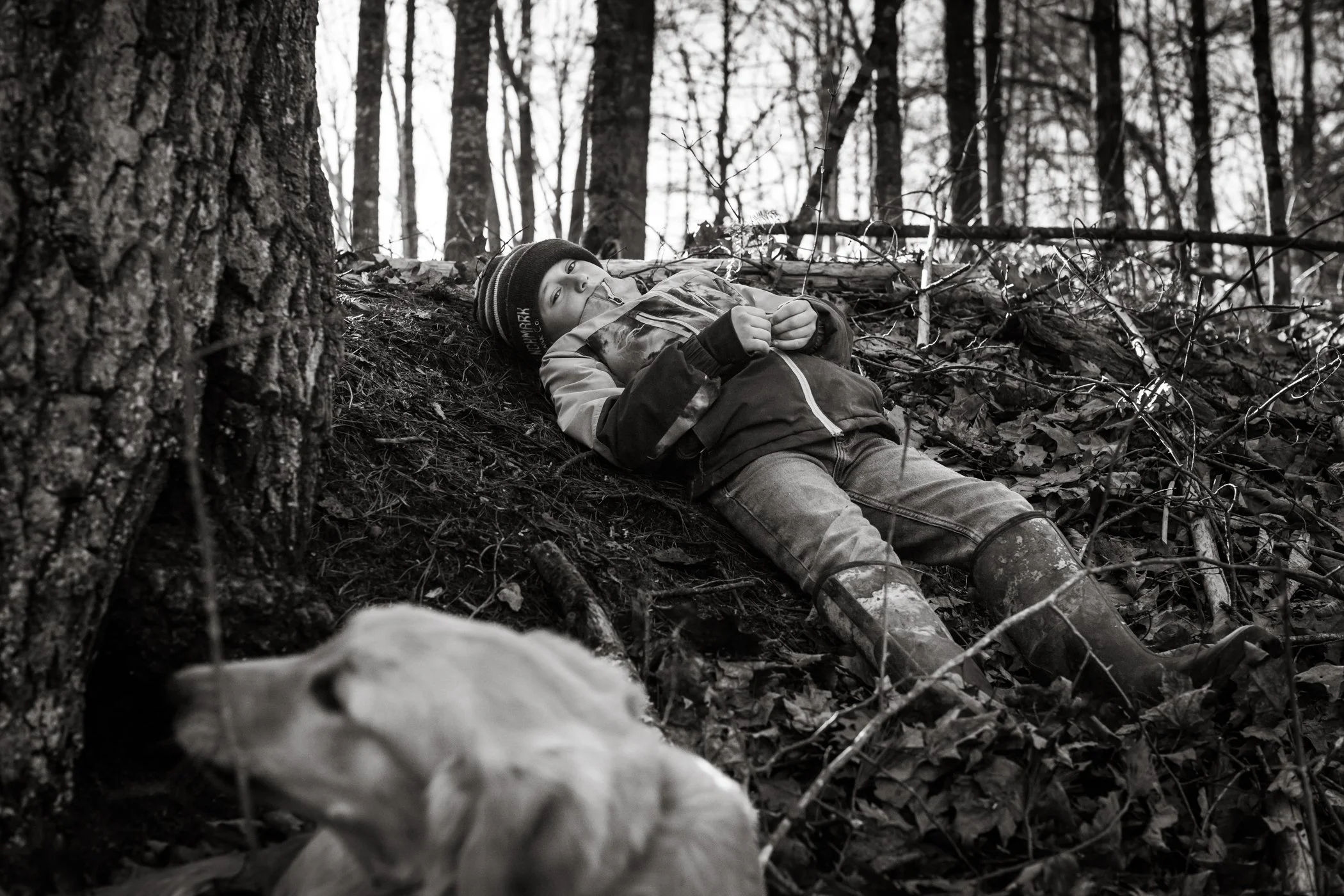
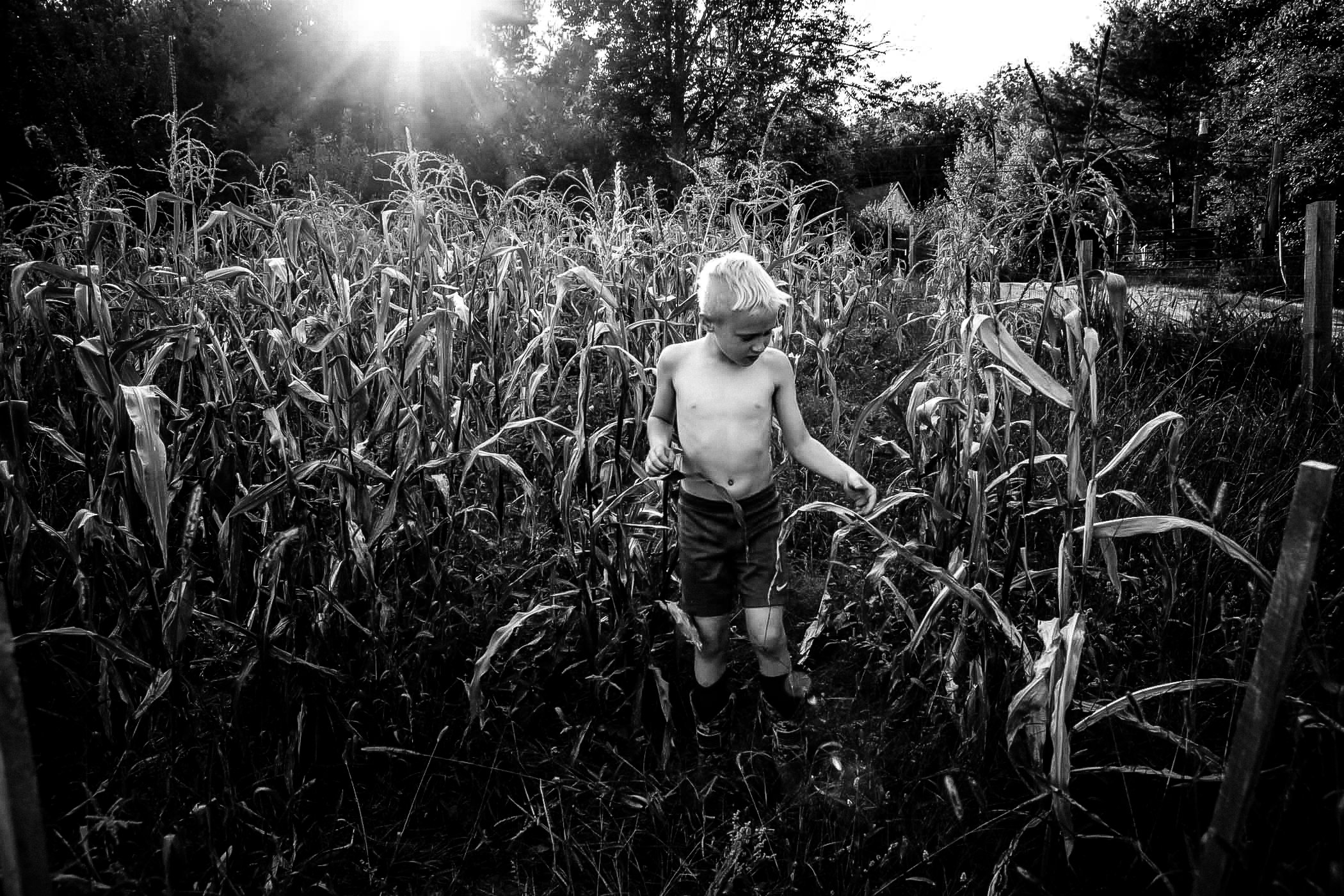
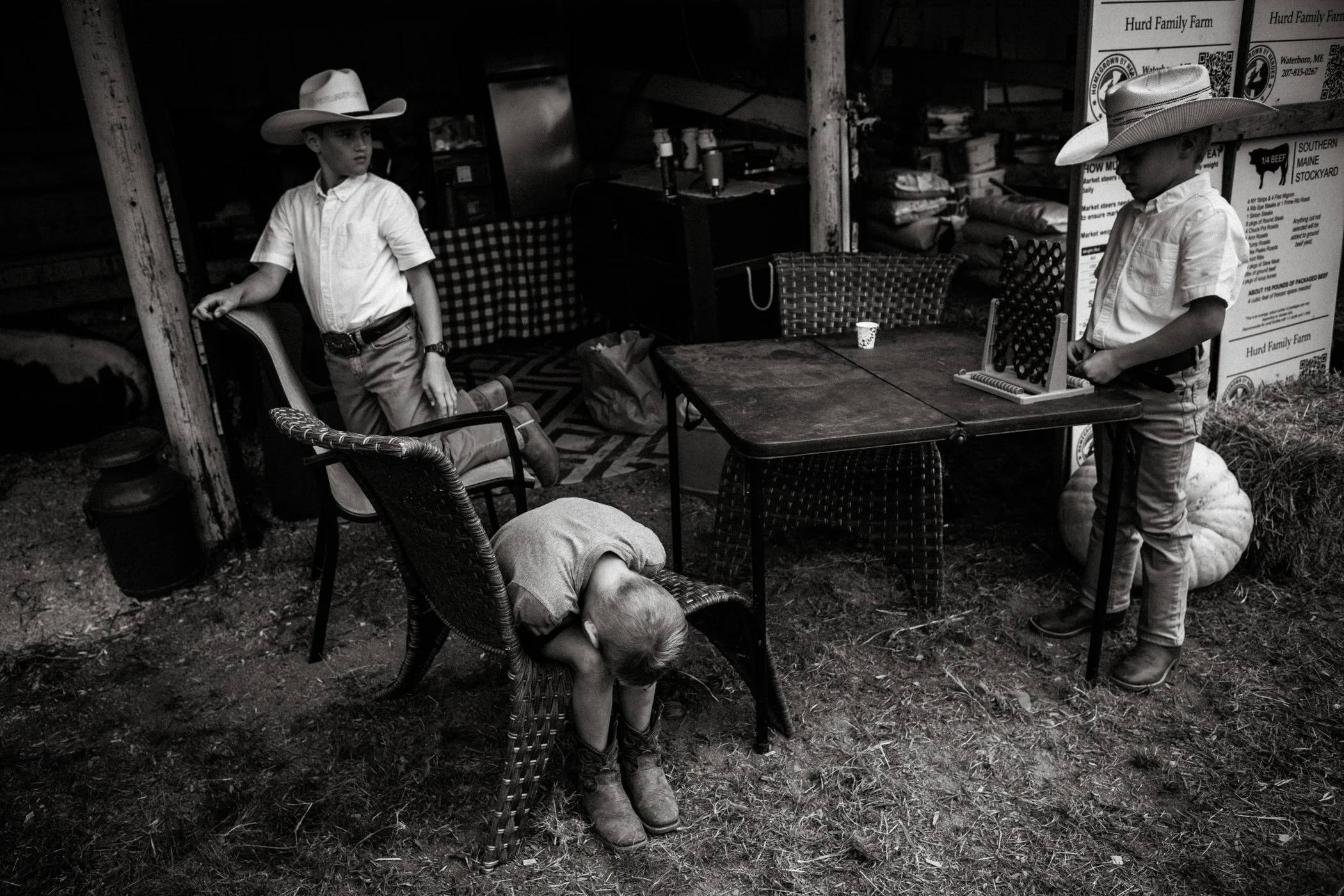
Searching for the Same Light
If we are ‘dust to dust’ then photographs are to art what words are to poetry. With this project, ‘Searching for the Same Light’ I search for the beauty in the ordinary, in daily life and rituals, in quiet human moments. The extraordinary within the ordinary. After moving to Maine, I developed a new interest in farming and rural life. I fell in love with both the people and the landscape. It began to feel like my true home.
The title was inspired by a line in a poem by Warsan Shire, The Unbearable Weight of Staying. The line reads: ‘growing to and from one another, searching for the same light.’ I found that deeply moving. It reflects the idea that, regardless of our ideologies, politics, or beliefs, we’re all ultimately searching for the same things — love, family, health, and a good life — with a bit of light shining on us. I felt the metaphor perfectly captured the essence of what I’m trying to convey with this project.”
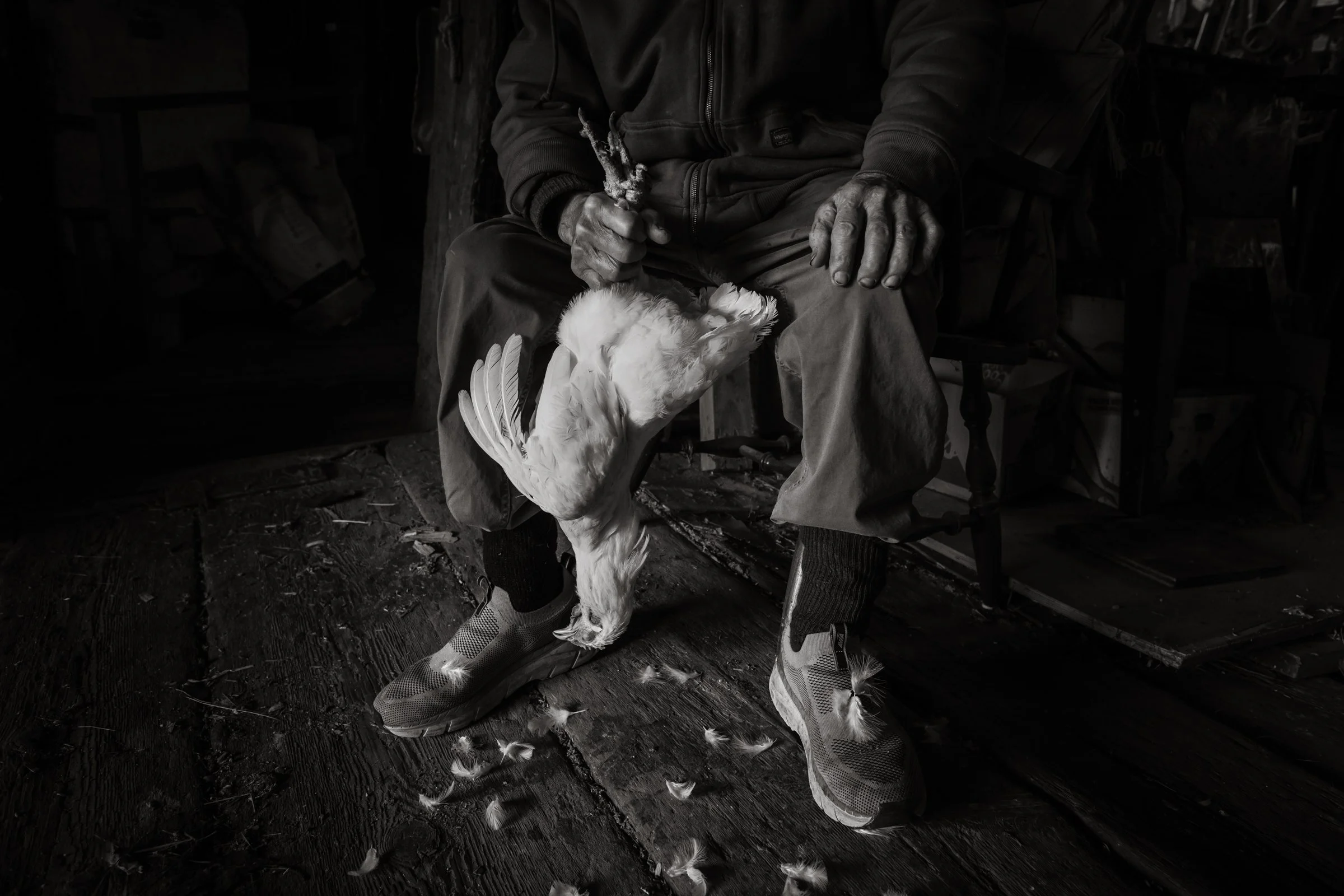
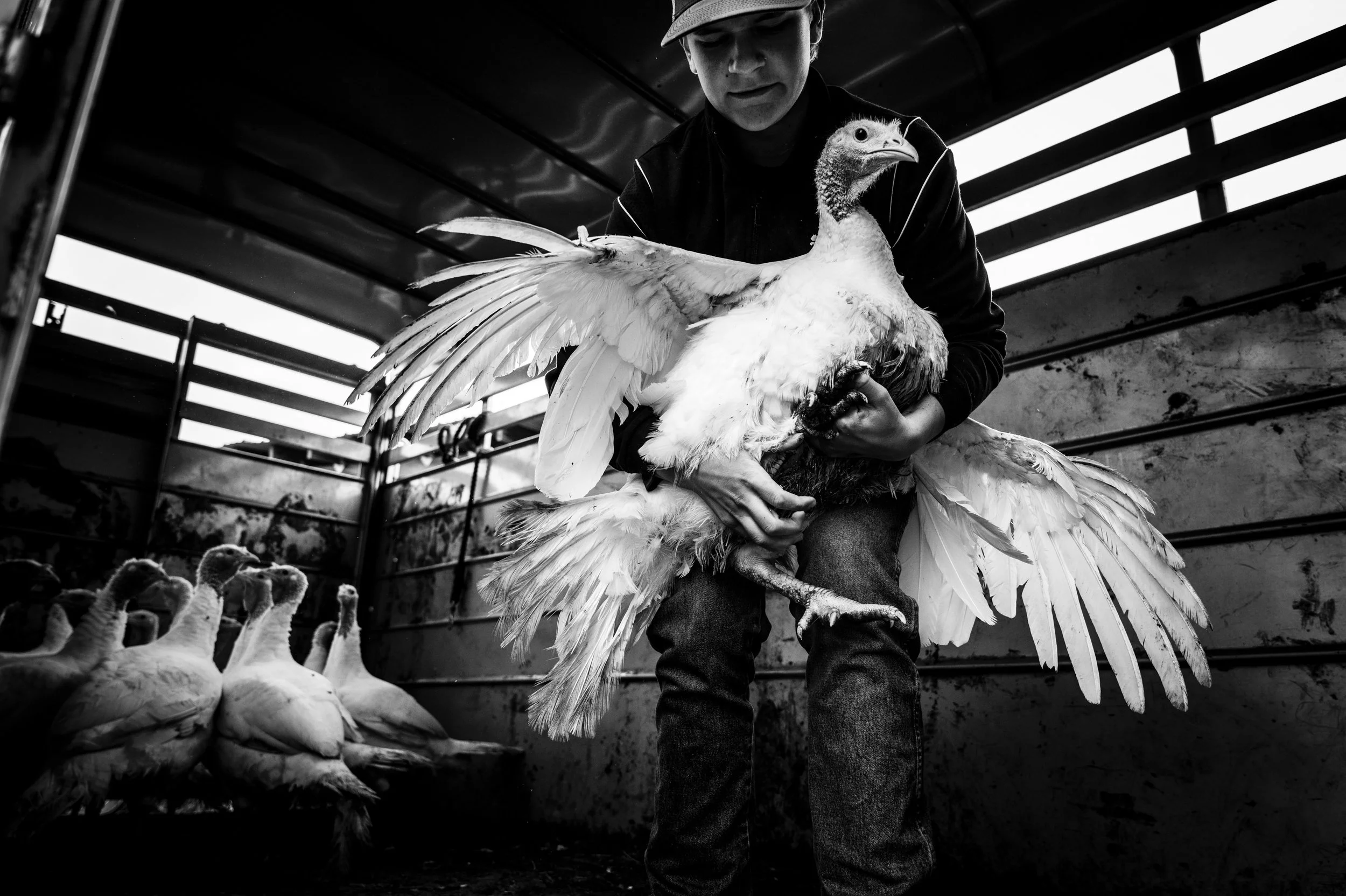
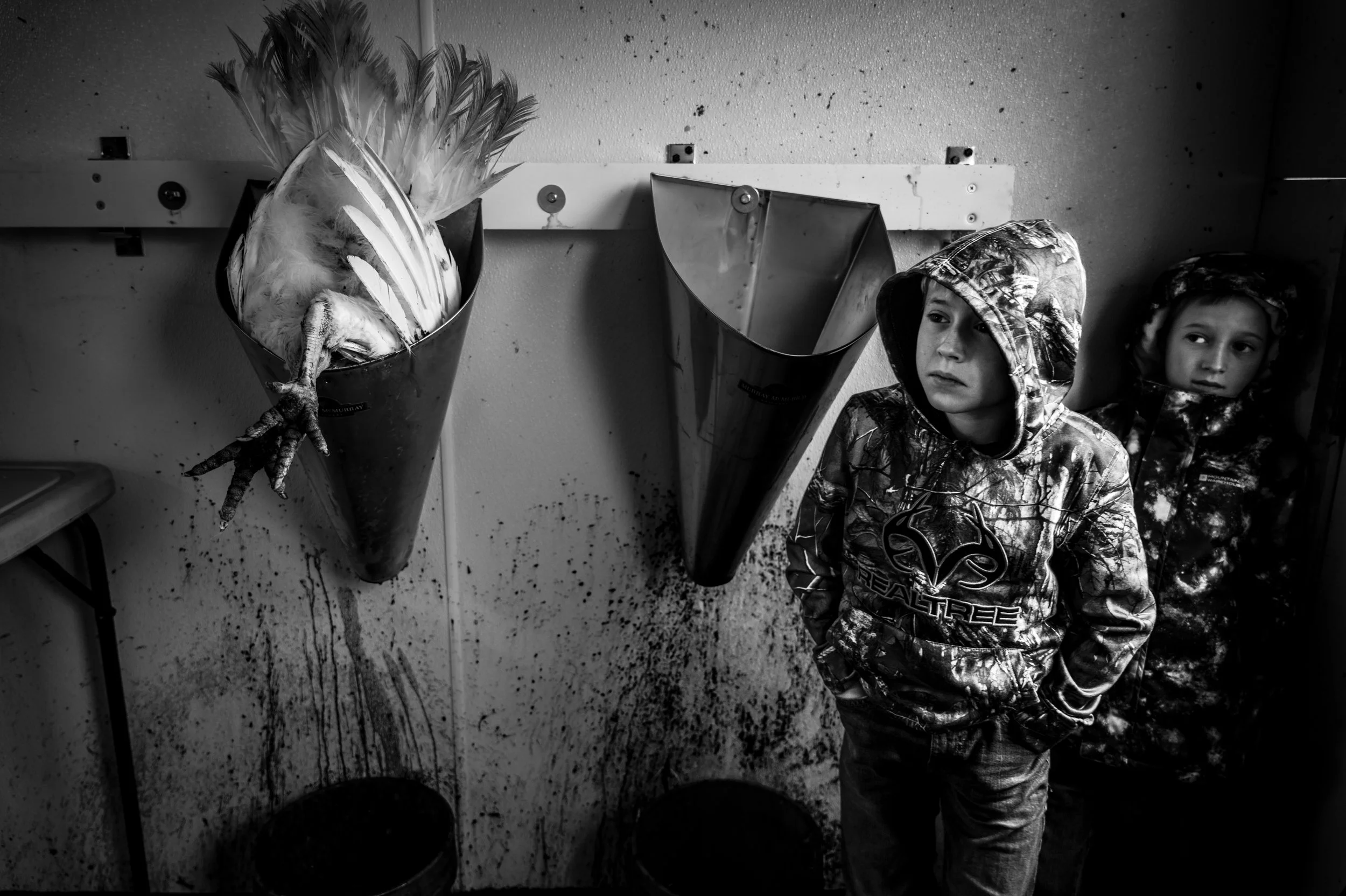
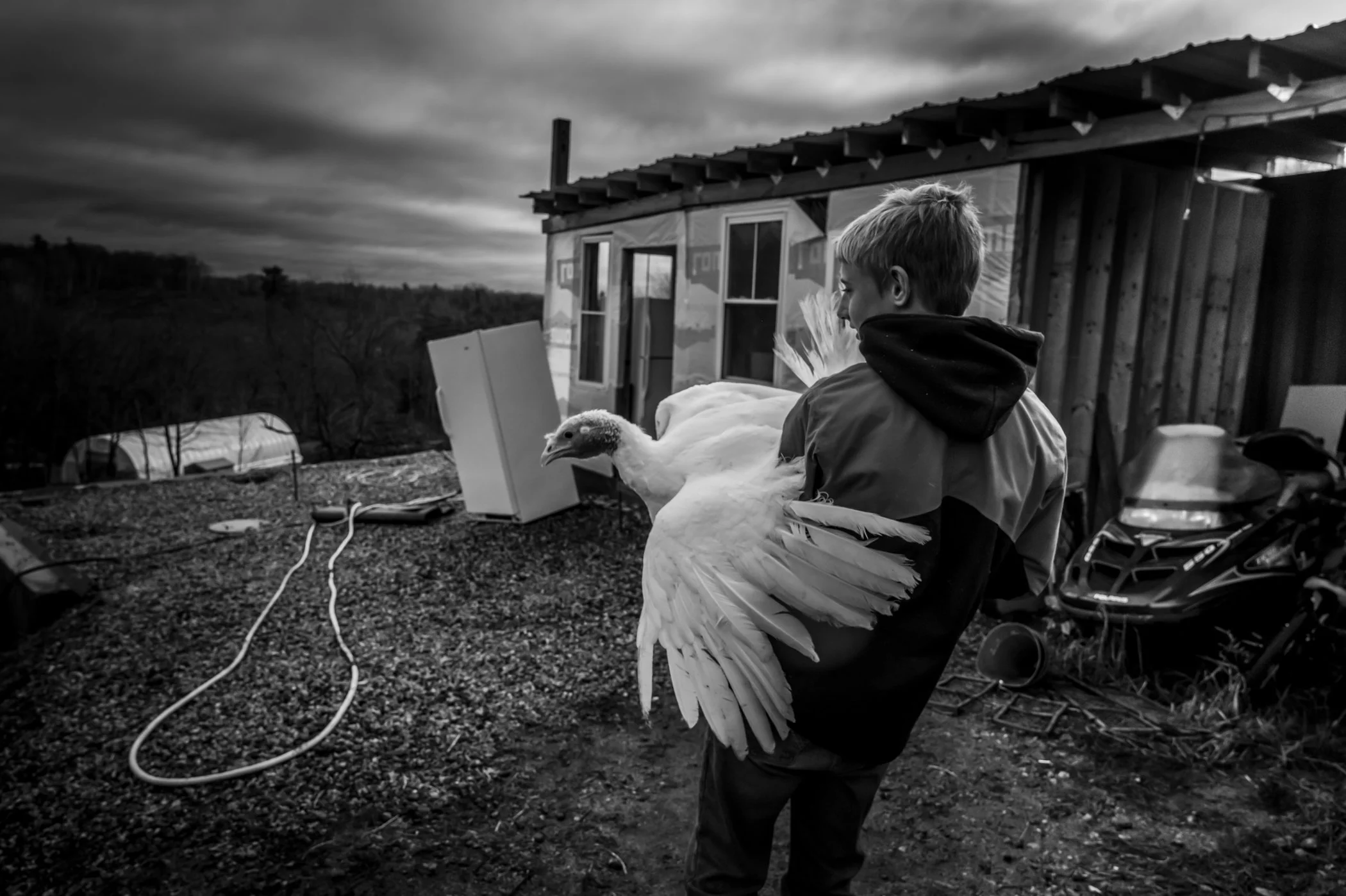
Barbara Peacock, Thanksgiving, 2024/25, Archival pigment print, 16 x 20 inches, $750
Barbara Peacock is an assignment photographer and director living in Portland, Maine. She studied fine arts at Boston University School of Fine Arts, and photography and filmmaking at The School for the Museum of Fine Arts / Tufts University. She began as a street photographer and gradually became an assignment lifestyle photographer and director. Her commercial clients include Disney, Nickelodeon, French's, Arm & Hammer, Stride Rite, Merck Pharmaceutical, Tylenol, Wells Fargo & Toyota. Editorial clients include People, Newsweek, Family Circle, Oprah, Family Fun. In 2016 she published Hometown –1982-2015 - A thirty-year photographic project of the small town where she grew up and continued to live as an adult. Published by BazanPhotos Publishing, Brooklyn NY. Printed in the USA by Puritan Capital. In 2023 she published American Bedroom - reflections on the nature of life. It is a cultural and anthropological study of Americans in their private dwelling; the bedroom. It encompasses the entire United States and took seven years to complete. Published by Kehrer-Verlag & Printed in Heidelberg, Germany. Barbara has won the Getty Editorial Grant, the Women Photograph/Getty Grant, three LensCulture Awards, four Top 50 Critical Mass Awards, and was named one of the Top 100 Photographers in America 2020. She was recently awarded the Arthur Gribin Legacy Award from The Gribin Museum. She founded a non-profit organization ‘The Nightingale Project’ that teaches art and photography to disadvantaged children and with learning disabilities. She teaches locally as well as having traveled to Haiti, Cambodia and New York.
Richard Wexler
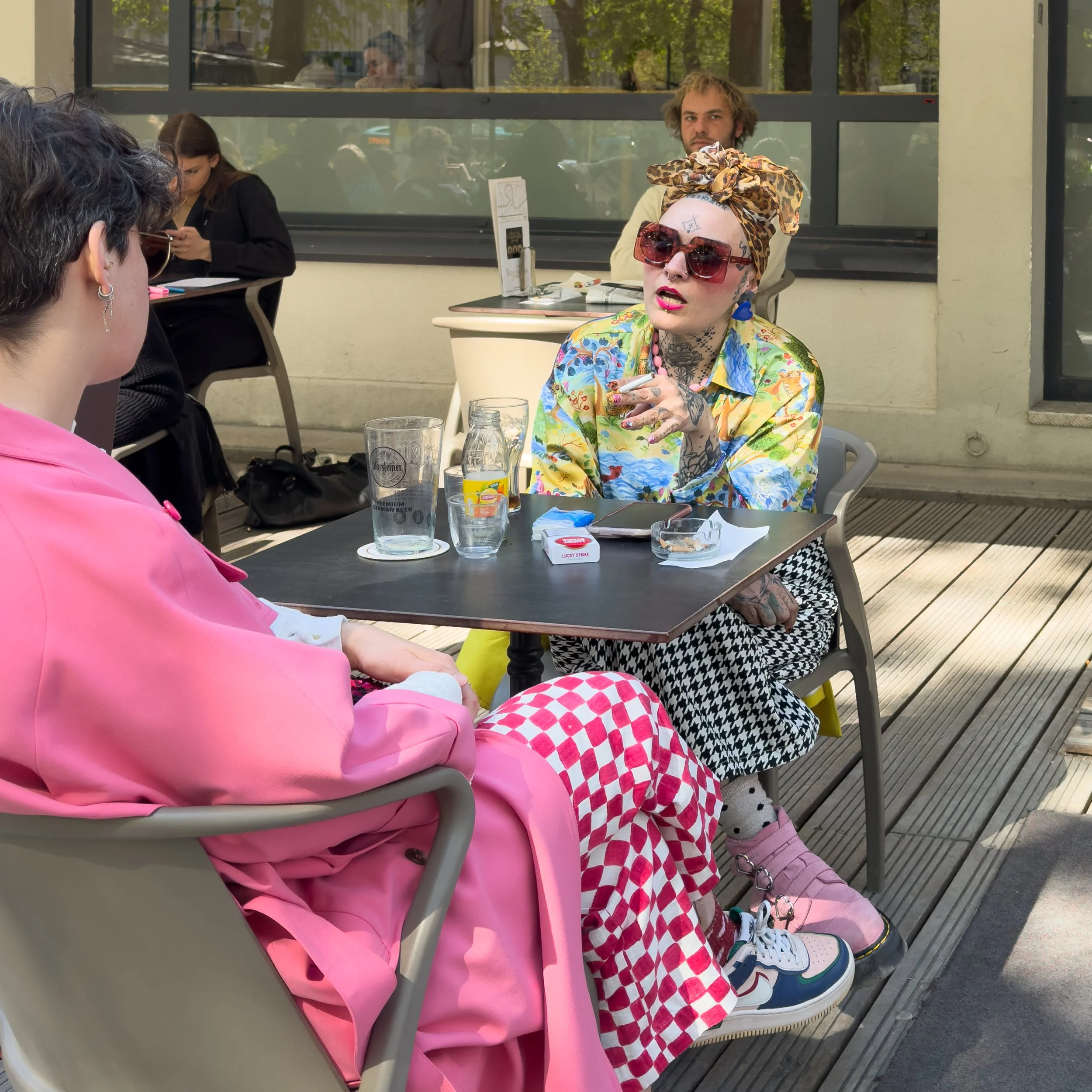
Richard Wexler, Colorful Woman Smoking, 1/15, 2024, Pigment print, 16 x 16 inches, $600
Paris Unposed
“Paris Unposed” is an urban portrait filtered through the eyes of a frequent, short-term resident. When you arrive in Paris, you can immediately feel the city’s magic. Capturing that, in a series of moments, is what I’m trying to do. It’s like the trick of alchemy, a special mix of the “everyday” to create something special. These images are particularly influenced by Henri Cartier-Bresson and the rich tradition of French street photography. Perhaps they invite you to finish a story, smile at a juxtaposition, feel a quiet moment, or otherwise connect with the image as you bring your own history and point of view. The photographs in “Paris Unposed” are indeed candid, taken between September, 2018 and April, 2025. Five of the six were shot in Paris, one in Besançon. All are archival pigment prints offered in editions of 15.
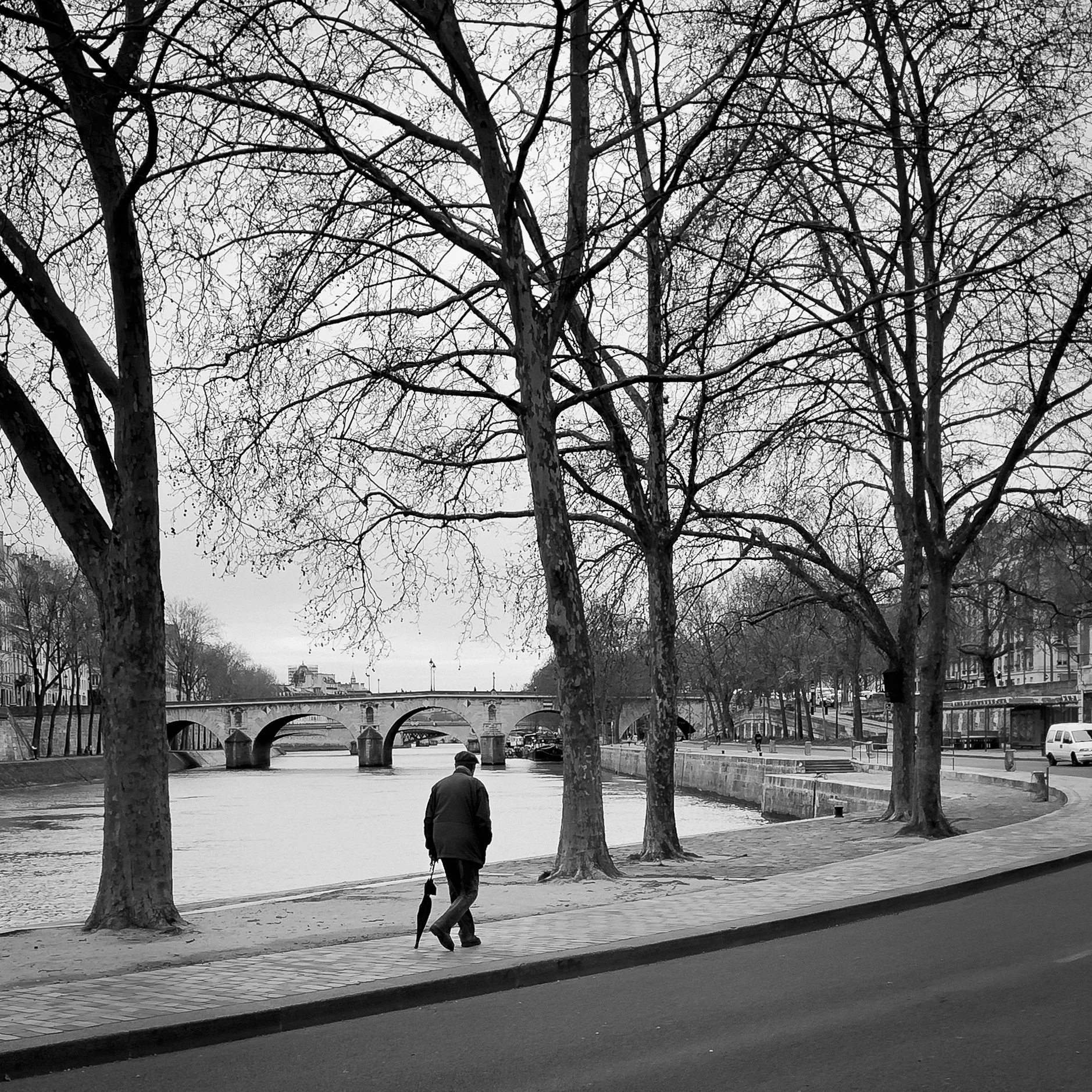
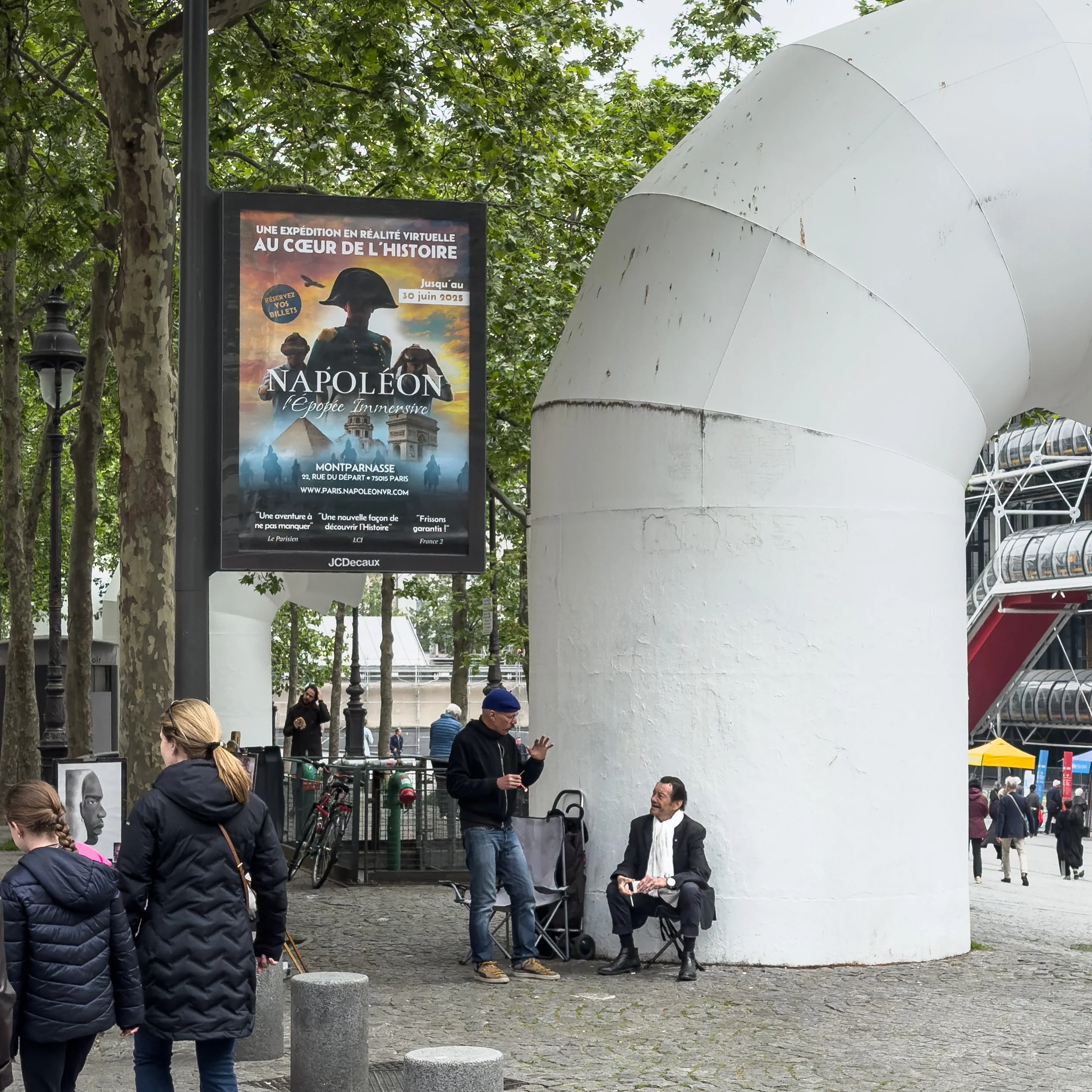
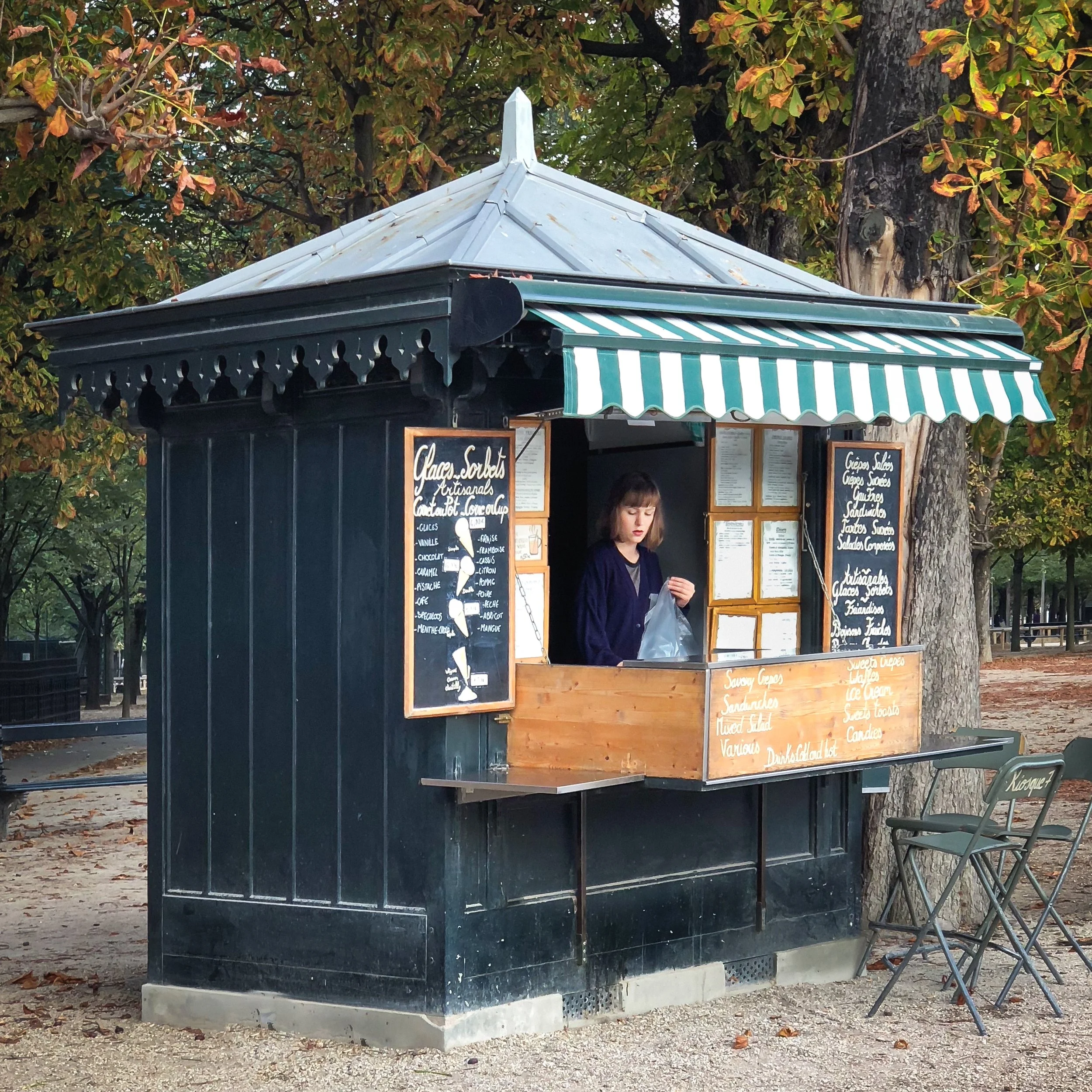
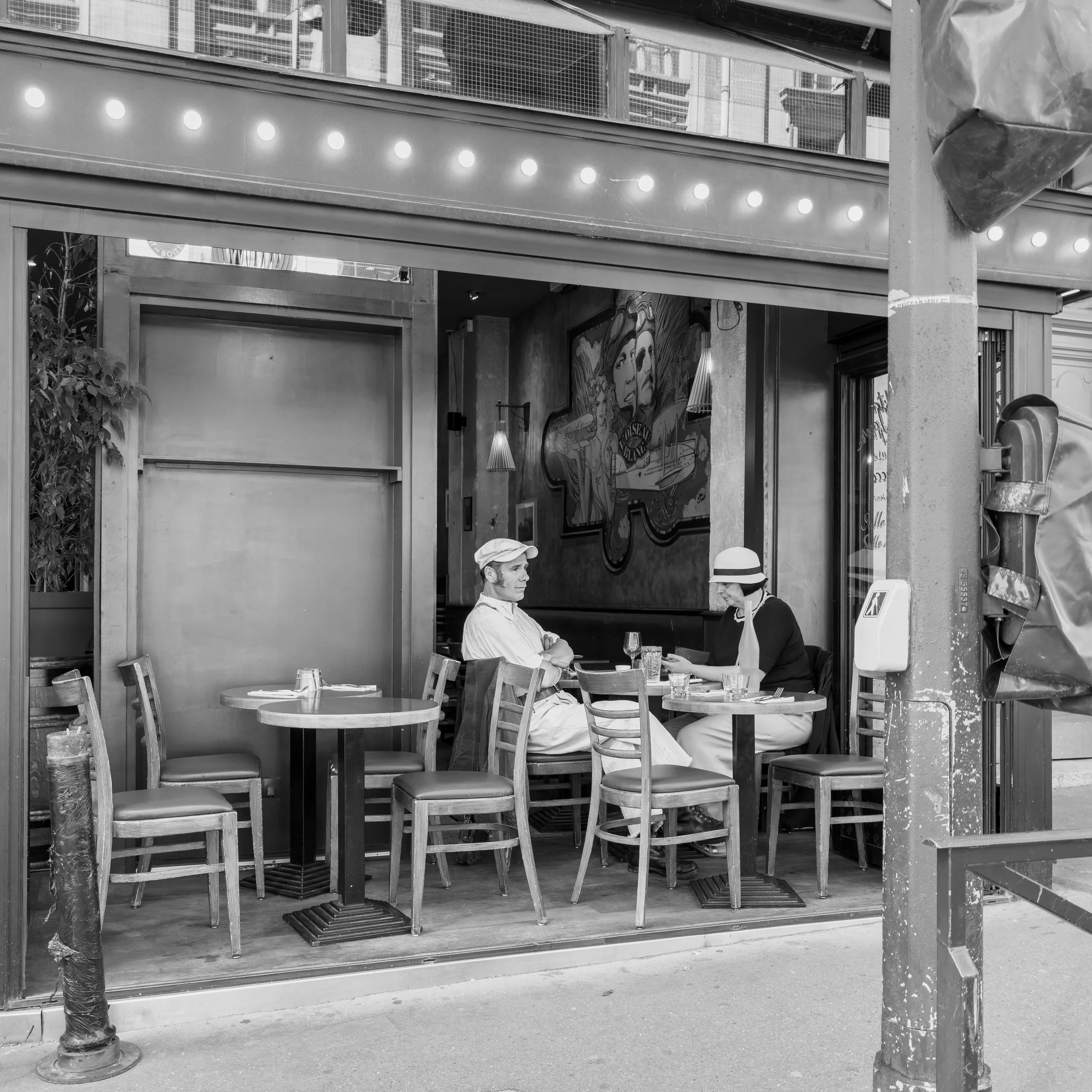
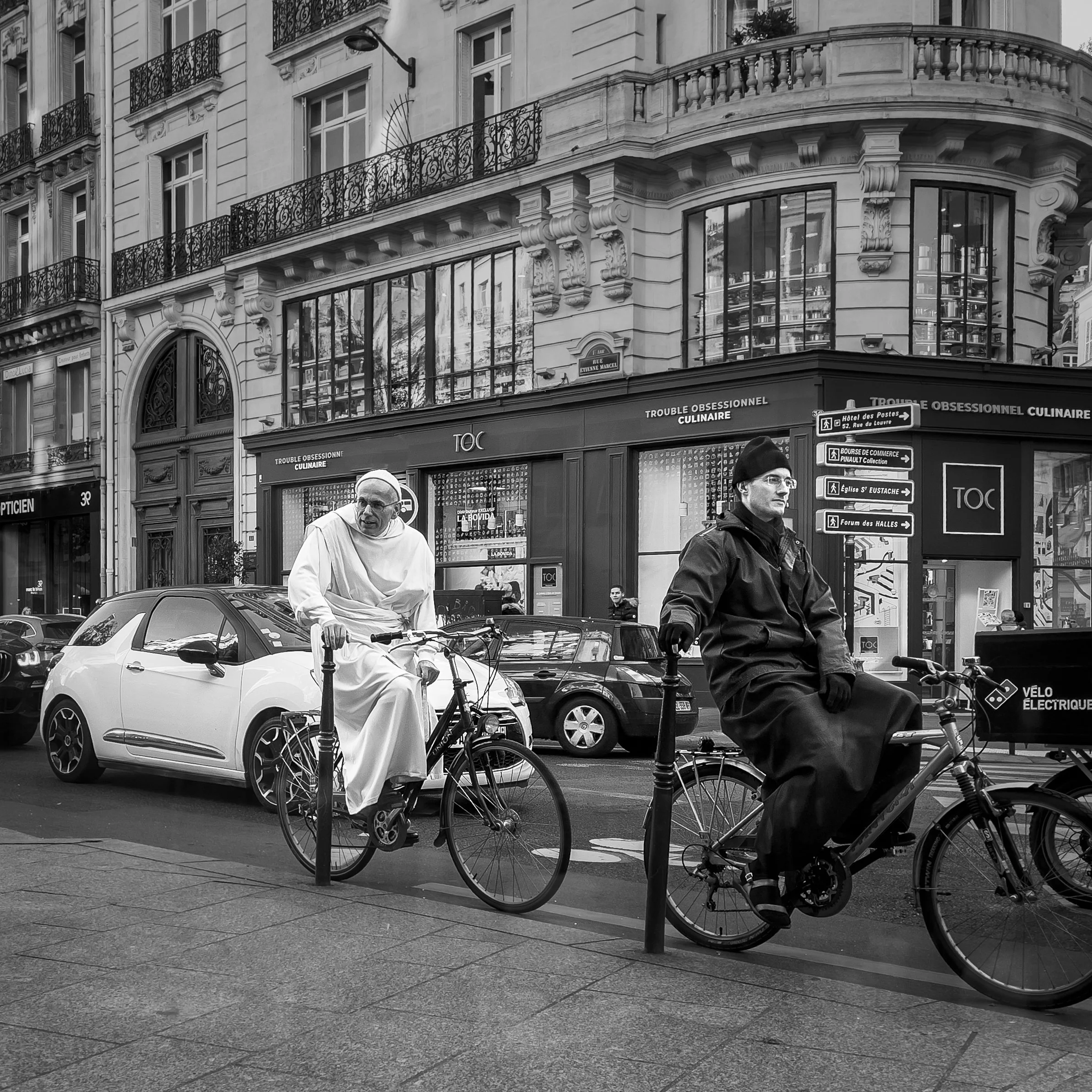
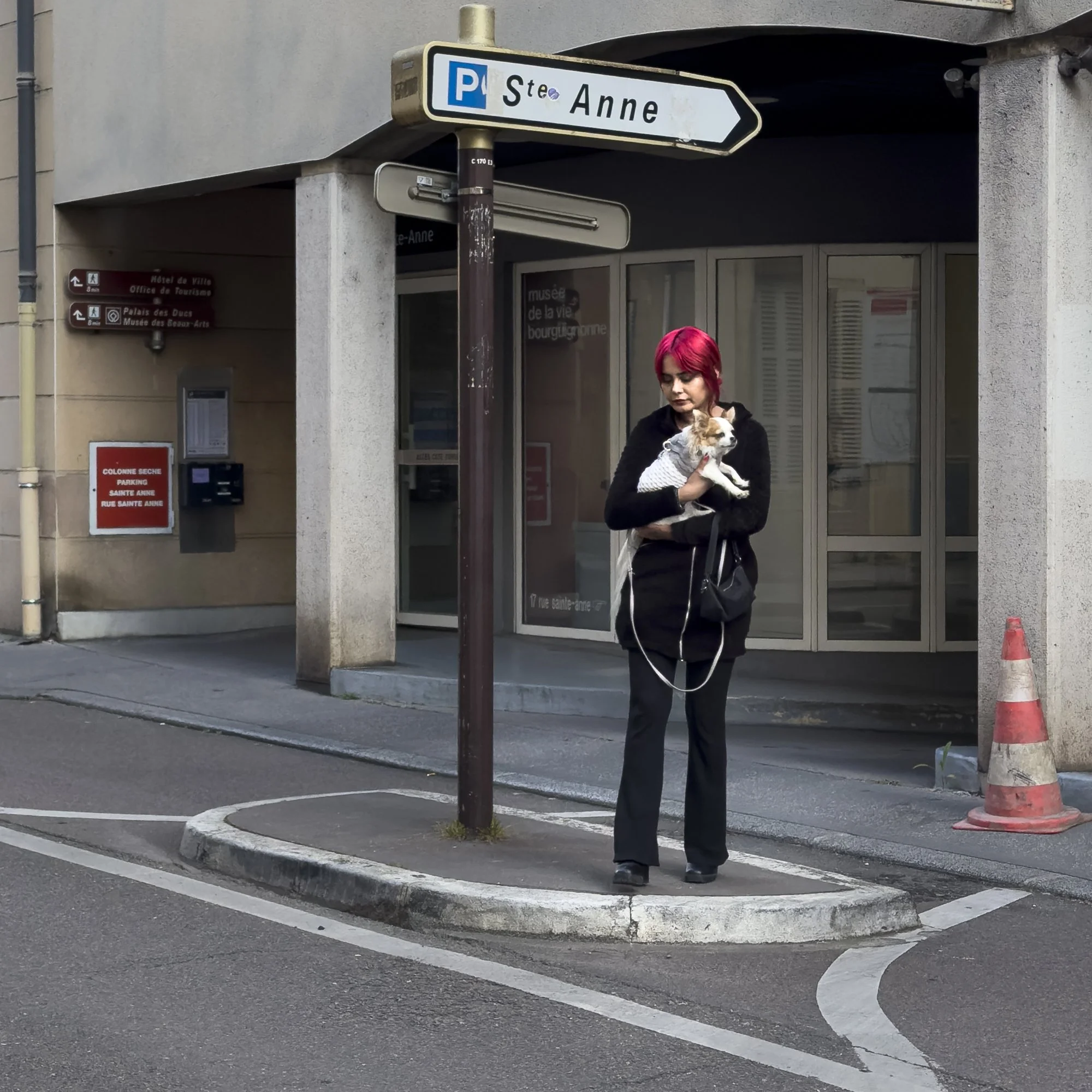
Richard is physician and longtime resident of Maine. He’s studied photography in Portland, Boston and Paris and is a member and past director at the Bakery Photo Collective. Richard’s work, urban portraits of Paris, NYC, and New Orleans, has been shown in galleries throughout Portland and is included in the permanent collection at the University of New England Art Gallery.
Bret Woodard
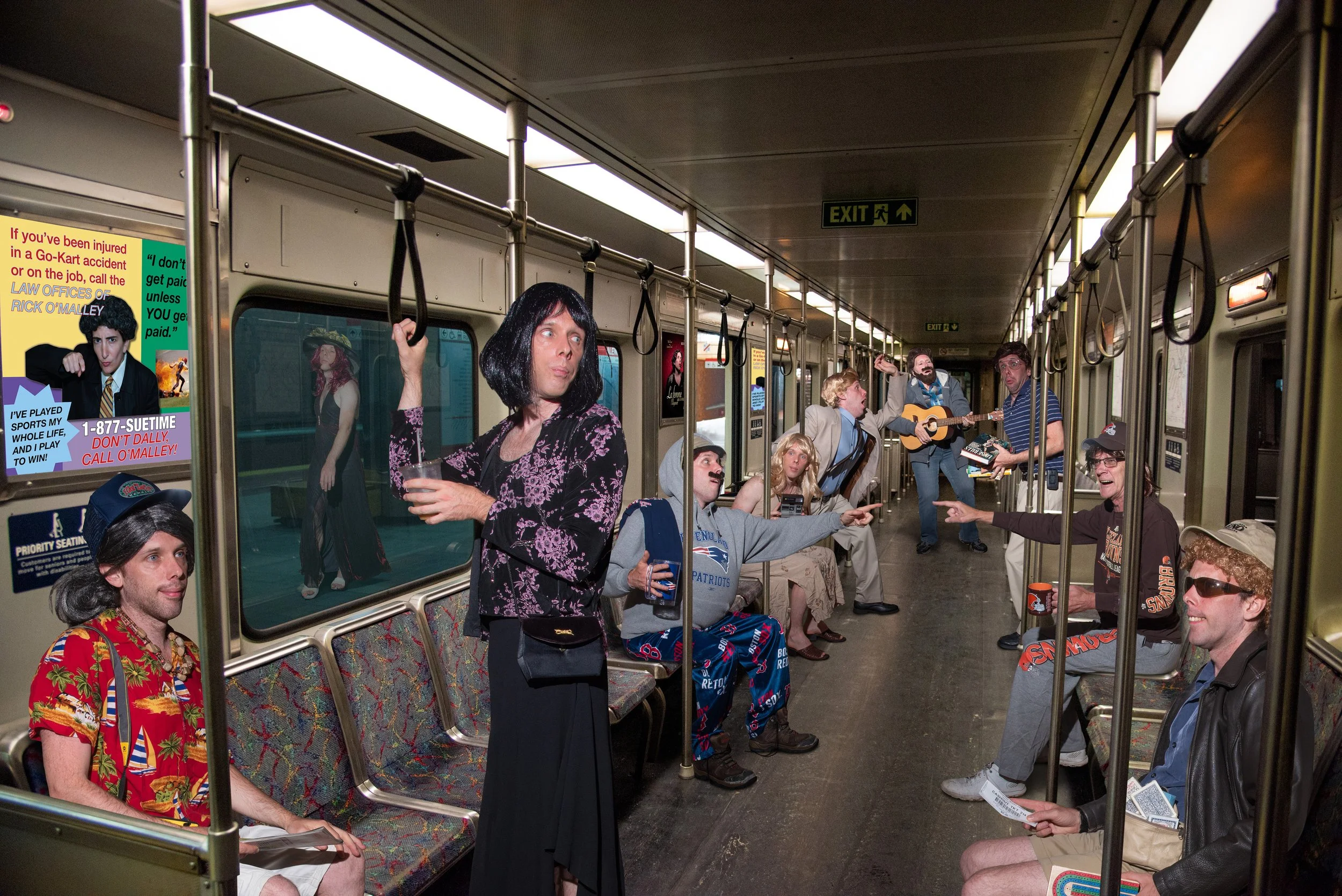
Bret Woodard, Subway, 1/10, 2023, Archival giclée print, 20 x 30 inches, $900
Scenes
Scenes is an ongoing project where Bret recreates the people, places events, (and wigs) he has come across. Most often using himself as the model, (scheduling is very convenient) but occasionally is lucky enough to collaborate with artists and people he loves and respects.
Just like life, there is tragedy, goofballery, depression, excitement all hidden in plain sight and in body language. Appreciating the absurdities of existing in the modern world does wonders to alleviate the anxieties of it, and if the viewer does not like the work they at least know where to go to borrow a wig. If one thing is true, it is that Brett loves to make a scene.
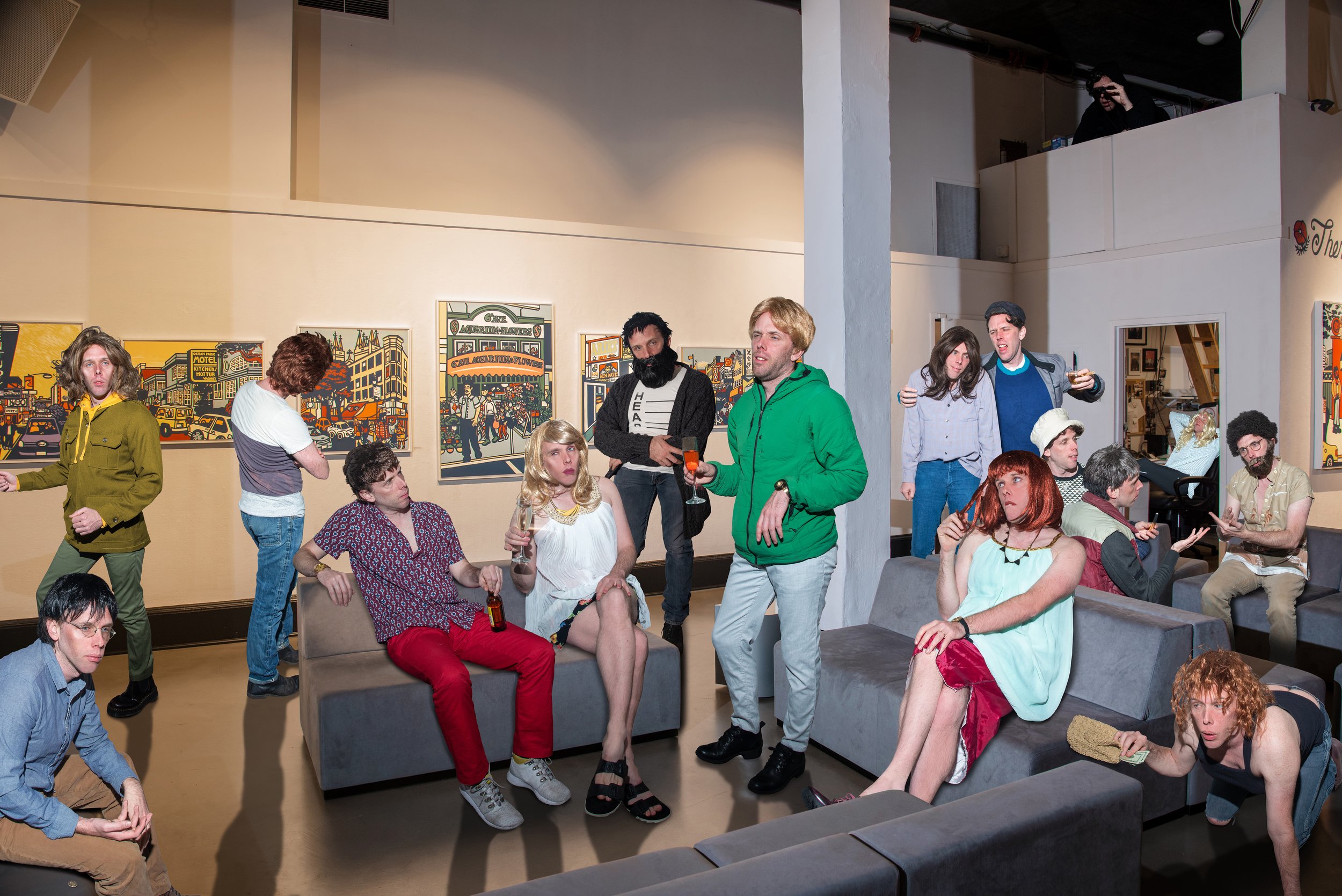
Bret Woodard, At the Opening, 1/10, 2021, Archival giclée print, 20 x 30 inches, $900
Bret Woodard is a photographer & artist based out of Portland Maine. Graduated from Massachusetts College of Art and Design in 2010 with degrees in Photography and Sculpture. His artwork is most often displayed in bathrooms and bathroom adjacent hallways.