Investigations into the Metaphysical
This exhibition is loosely inspired by the work of the Italian painter Giorgio Morandi (1890–1964), known for his repeated depictions of the same ordinary objects - bottles, bowls, boxes -studied again and again with a slow, exploratory attention. It is this near-slavish dedication to nuance or the way meaning shifts with the smallest adjustment of light or arrangement, that links his work to the metaphysical.
Many artists since have carried his investigations forward. It is my hope to bring together works inspired by the metaphysical for us to explore. We might ask these questions of the artwork: What does it mean for a thing to exist? What properties make an object this object? How do space, time and change act on matter? How does matter act on the mind? Where does the possibility end and necessity begin? What the heck does process have to do with any of it? Let’s consider it all together. - Denise Froehlich, Dir. MMPA
August 7 - October 3
Opening reception: Friday, August 7, 5-8pm
Artist panel: Friday August 21, 5-8pm
Artist talk, reading + book signing: Friday September 18, 5-8pm
Andrew O Brien
Gary Green
marianne Bernstein
Keily Anderson Staley
Brendan Bullock
John Gintoff
Joyce ellen weinstein
Sarah Salomon
Brenton hamilton
Fern Nesson
Peter Shellenberger
Elizabeth Opalenik
Luc Demers
Susan Murie
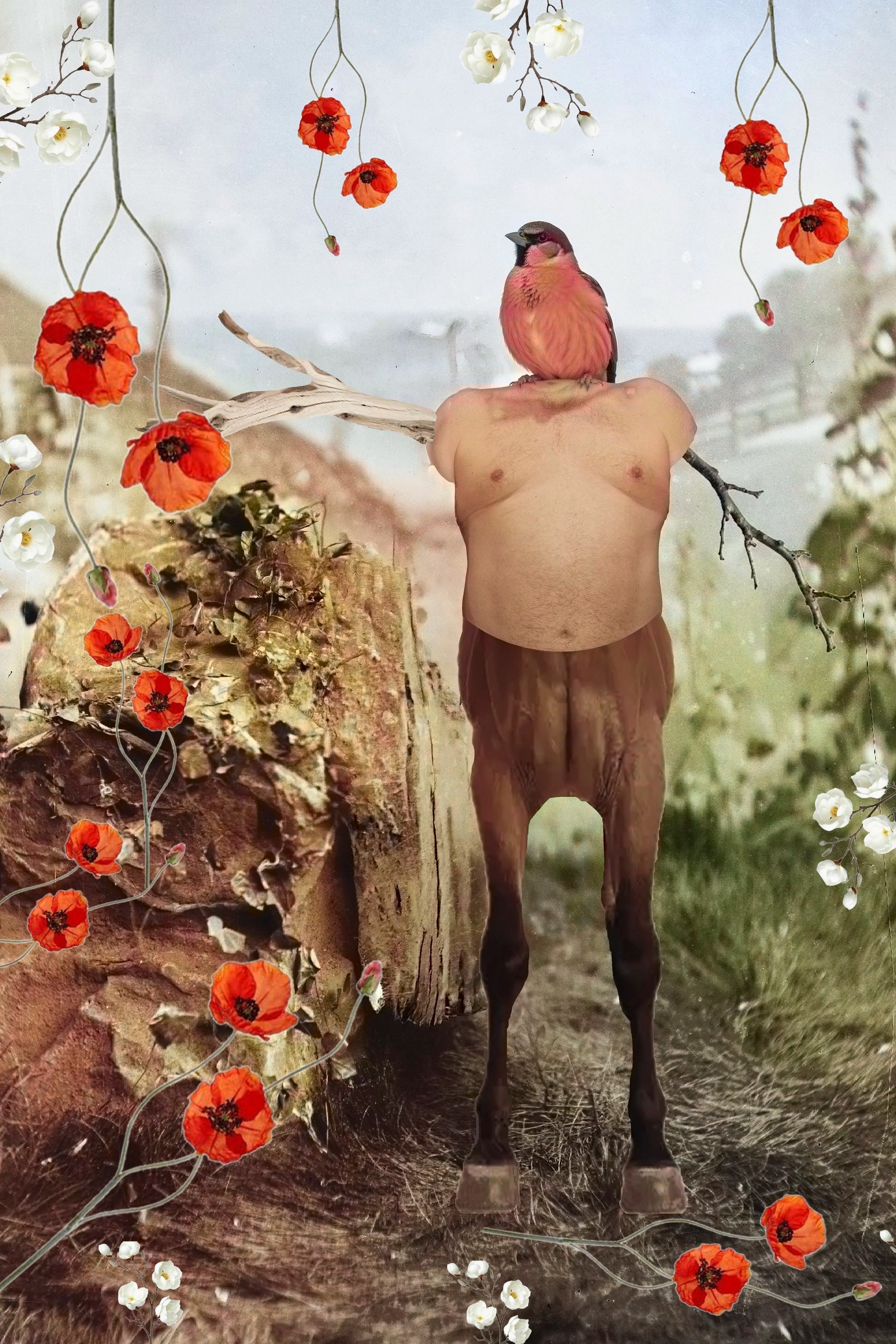
Currently, I am working on a series of digital self-portrait collages — using found imagery, book illustrations, and hand-drawn digital elements — creating compositions that move between the personal and the mythological, the everyday and the archetypal. These works sit with a fundamental tension: we inhabit a physical body, tangible and corporeal, while simultaneously living inside a self constructed narrative that is formed from archetypes, from myths of gender, from societal roles and inherited symbols. Neither version is wholly real. Both are a form of fabrication. And yet both are essential to existence.
The self-portrait has always been a site of inquiry into what a person is — where the individual ends and the symbol begins. What narrative structures do we employ to organize our sense of self? These works are tableaux, in keeping with the tradition of early photographic studio portraiture with its scenic backdrops and deliberate props — but where that tradition sought to fix the subject, the figures here are suspended mid-construction, neither fully anchored in the body nor fully dissolved into myth.
What emerges is not entirely self-portrait nor myth, but something between: simultaneously personal record and symbolic proposition — an investigation into whether the inner life has a shape, and what happens when you try to make it visible.
I live and work in Maine. I studied literature and creative writing at Colby College and later studied architecture at Yale University. - A.O.
Drew O’Brien is a fine art photographer based in Maine working with elements of staged self-portraiture, collage and digital painting techniques to explore how myth and imposed narratives shape the self. He holds degrees in English and Creative Writing from Colby College and studied architecture at Yale University, influences that inform his attention to structure and language as much as image. He lives in Cape Elizabeth.
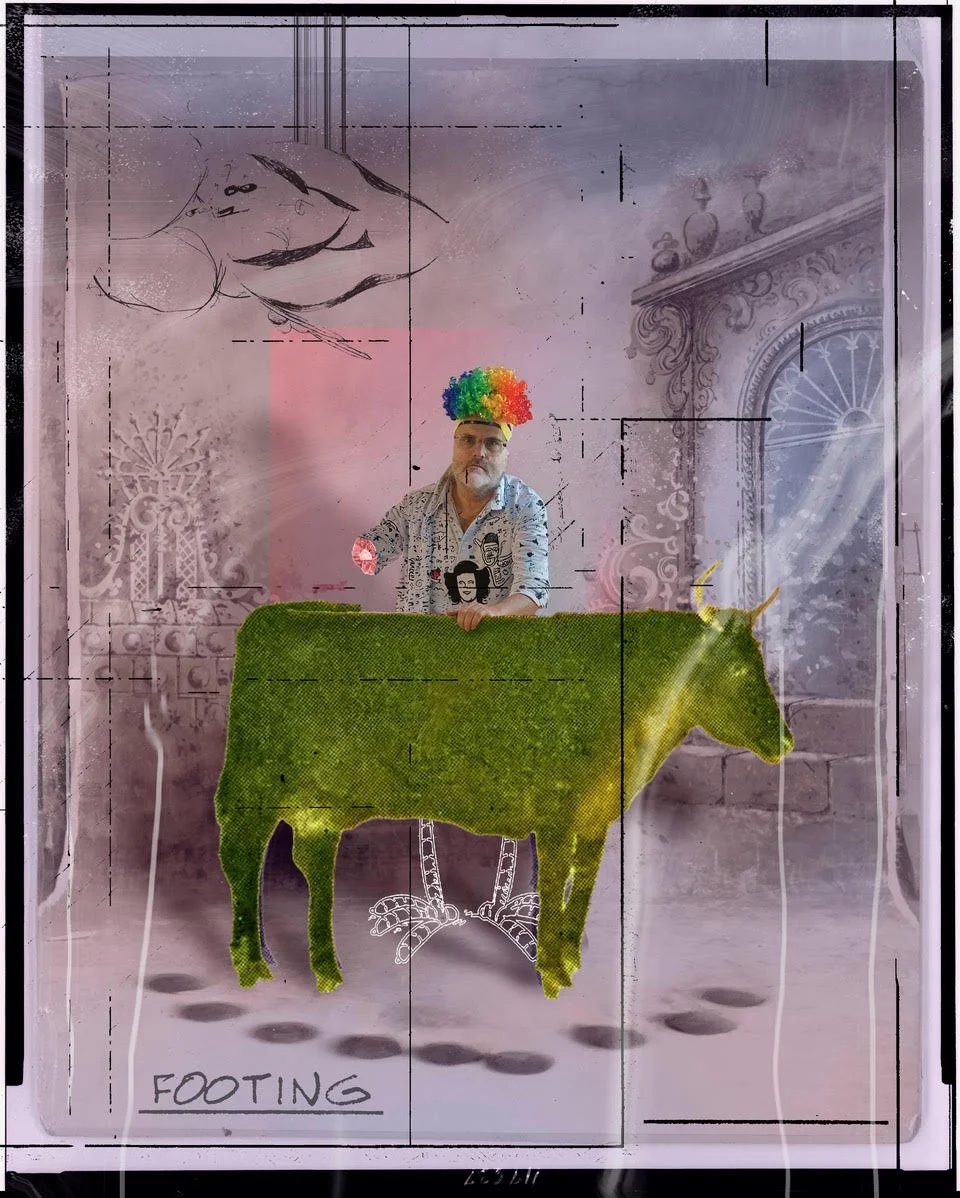
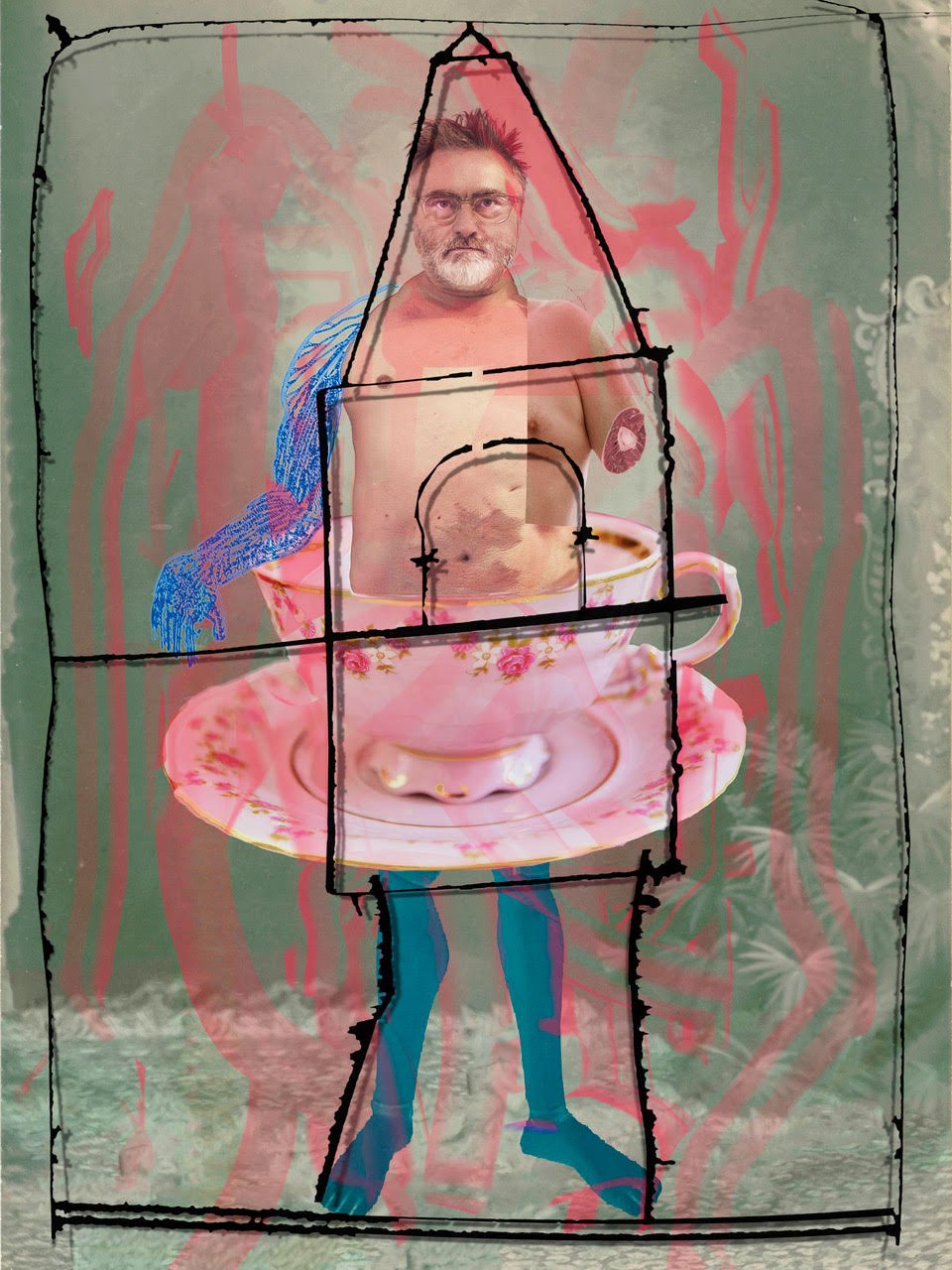
Fern Nesson, Self-Portrait, 1/24, 2018, Archival digital print, 20 x 30 inches, $3,600
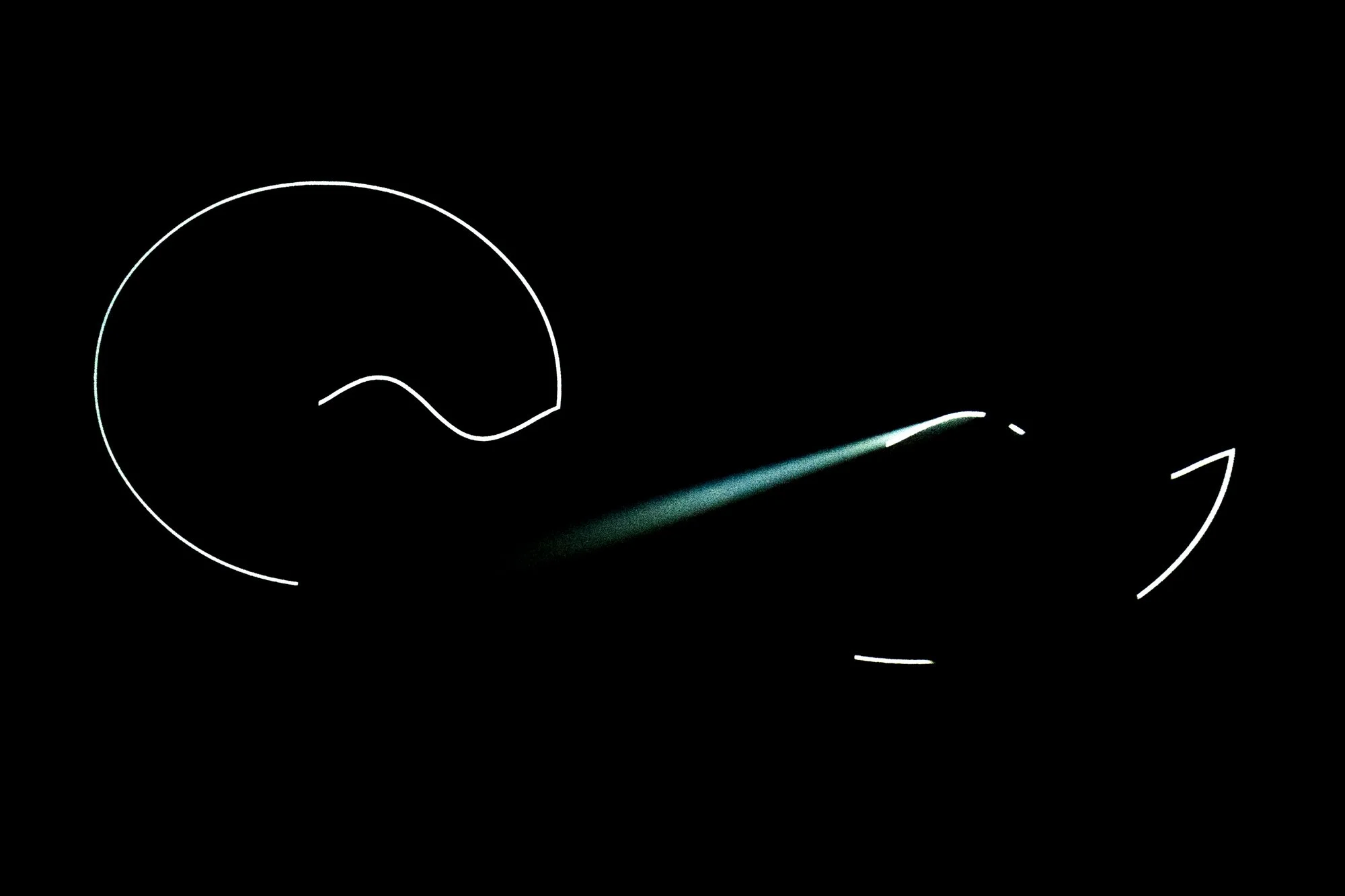
When my father died, the sun went out. I felt the night sky open to infinity, icily reaching away from me in emptiness. For two years, nothing could console me for his loss. But then I took up my camera. Without any conscious purpose, I began to shoot at night. At first, my images were mostly black, sometimes with a small dot of the moon in the far distance.
In time, points of light crept in. Increasingly, I became more interested in finding light than in recording darkness. The dark of night became a space filled with energy, illumination, complexity, life and liveliness, even warmth. Photography, my father’s passion, gave me the courage to face both his death and mine.
Roland Barthes asserts that "a photograph is a witness [to] what has been. Every image is an image of death." But Barthes is wrong. A photograph can create its own energy. Like Cezanne's paintings, it can live and breathe. I use my camera to create life and to defy death, to embody the moment when mass becomes energy.
In these images, I capture energy through phosphorescence. Physicists define phosphorescence as “the radiative transition between states of different electronic spin multiplicities.” But I say it is the light within, a persistent glow. Phosphorescence is energy that remains long after the material subject of the photograph has vanished.
When my photographs express phosphorescence they transcend their inanimate medium, reminding us that we, too, will transcend. We are eternal. Those we have loved live on -- and we will too.
For my father, whose light persists.
- F.L.N
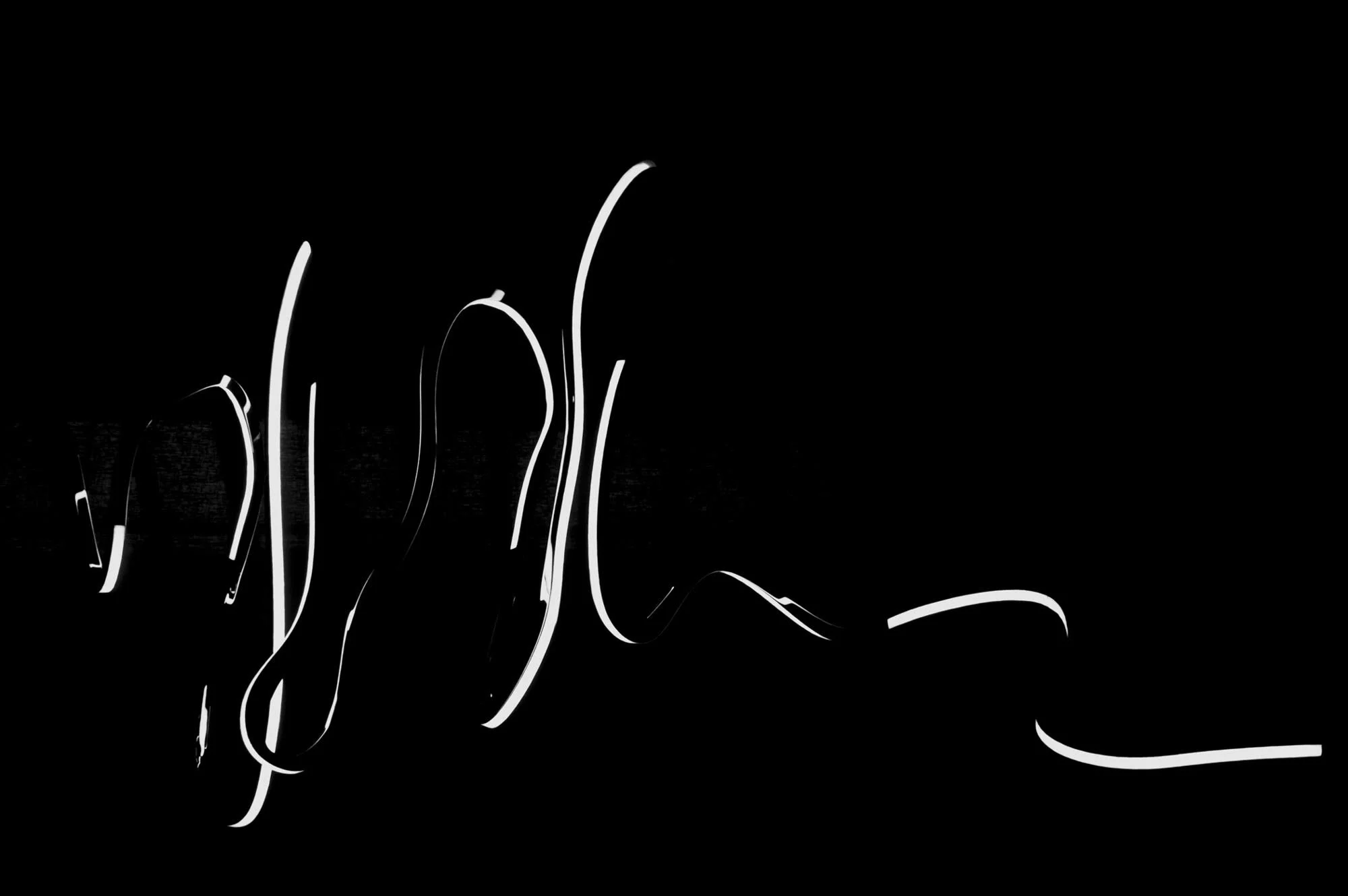
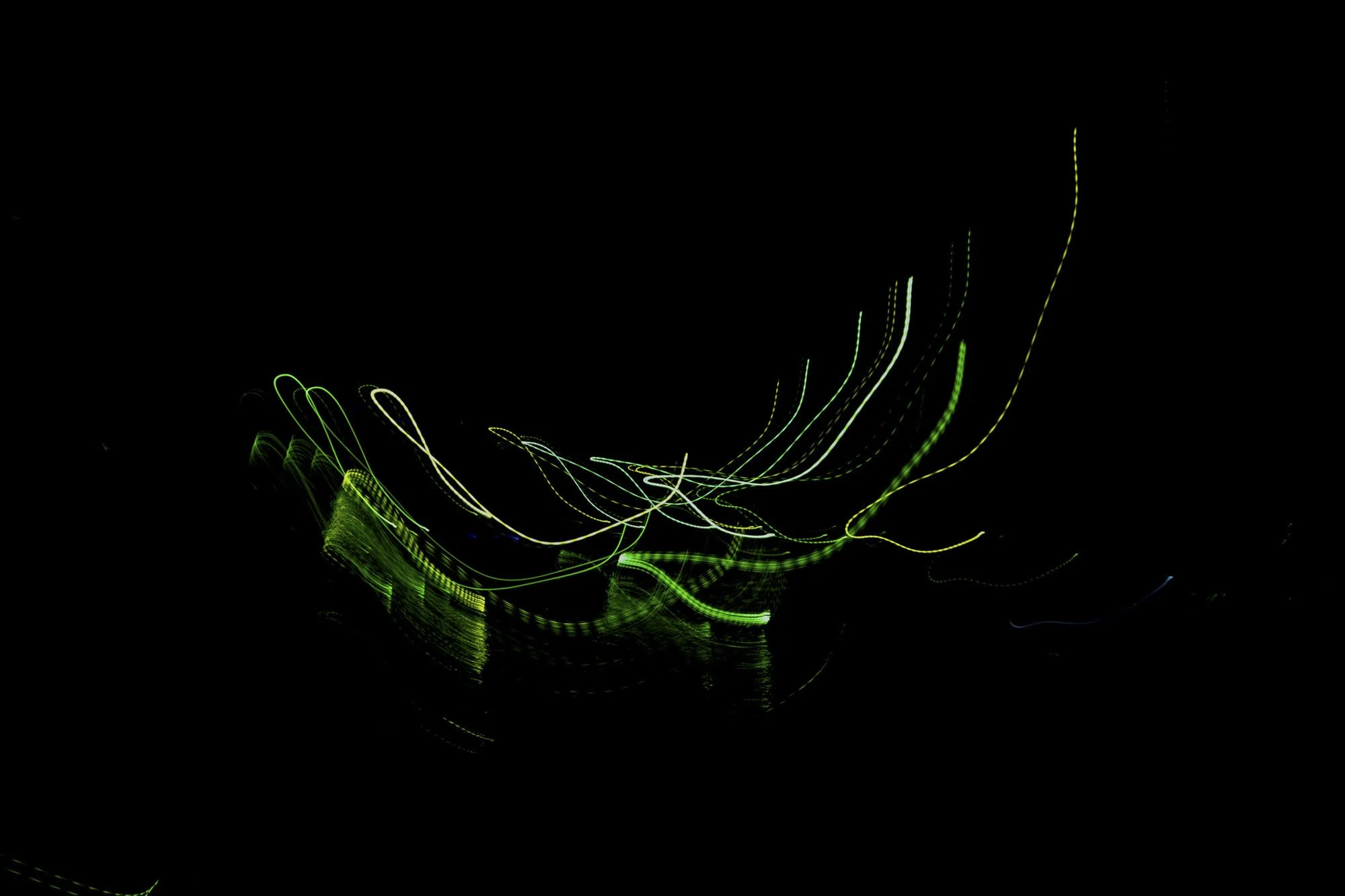
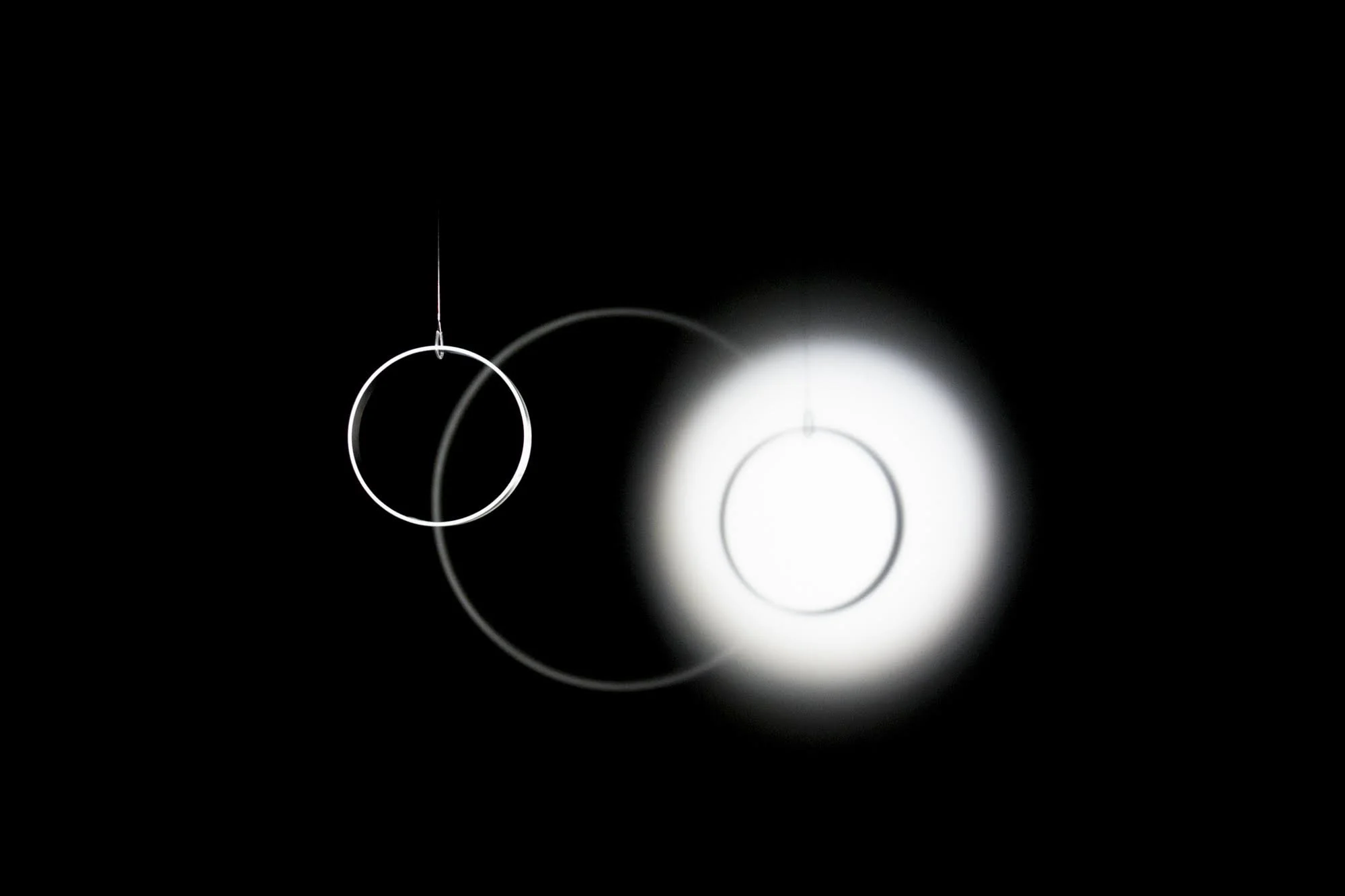
Fern L. Nesson is a fine art photographer whose has had solo exhibitions in Boston, Jamaica, Rome and Torino , Italy, Budapest and Barcelona. She published numerous books of photography. Her work is in the permanent collections of the Museum of Modern Art in Budapest, the University of the West Indies and Harvard University.
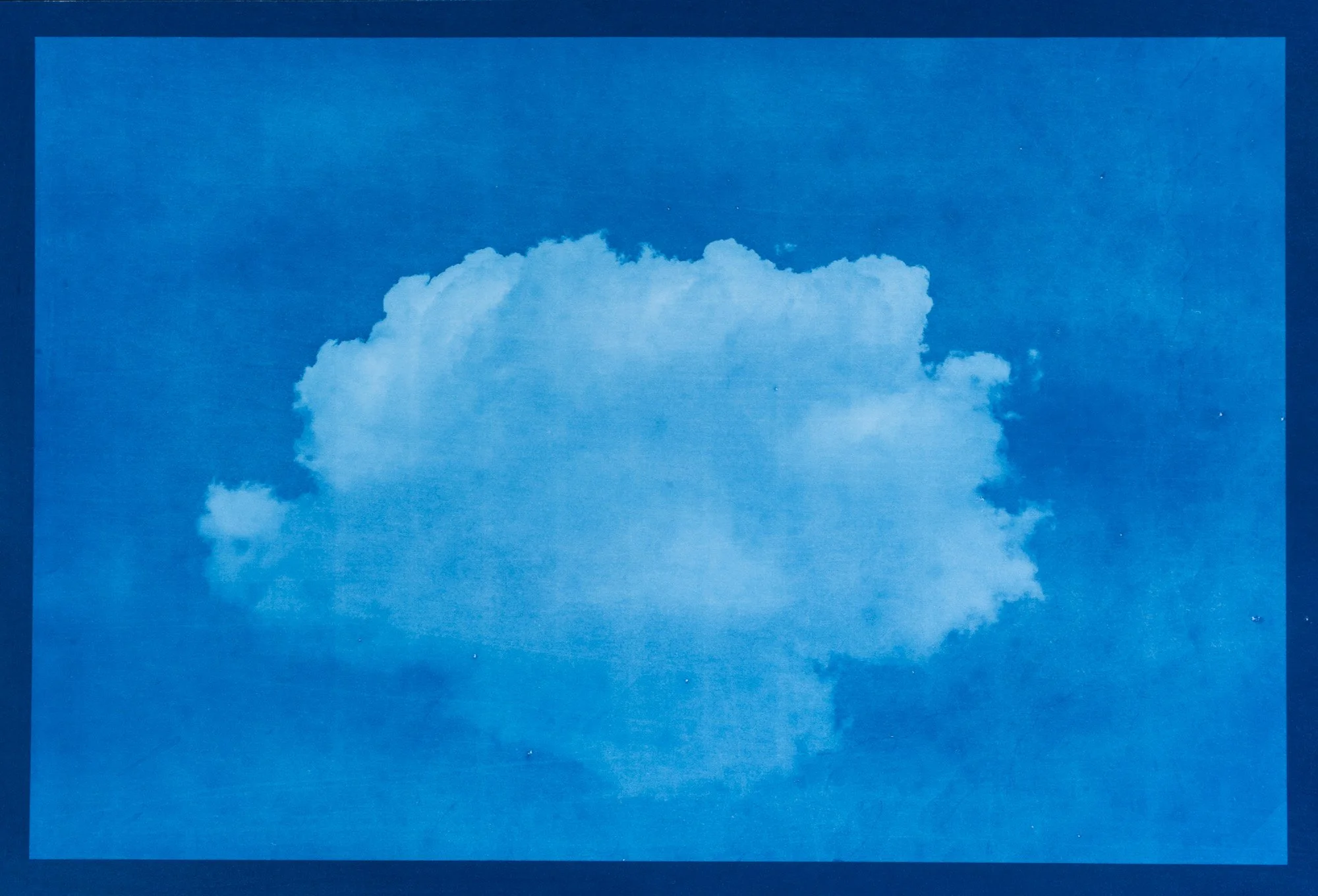
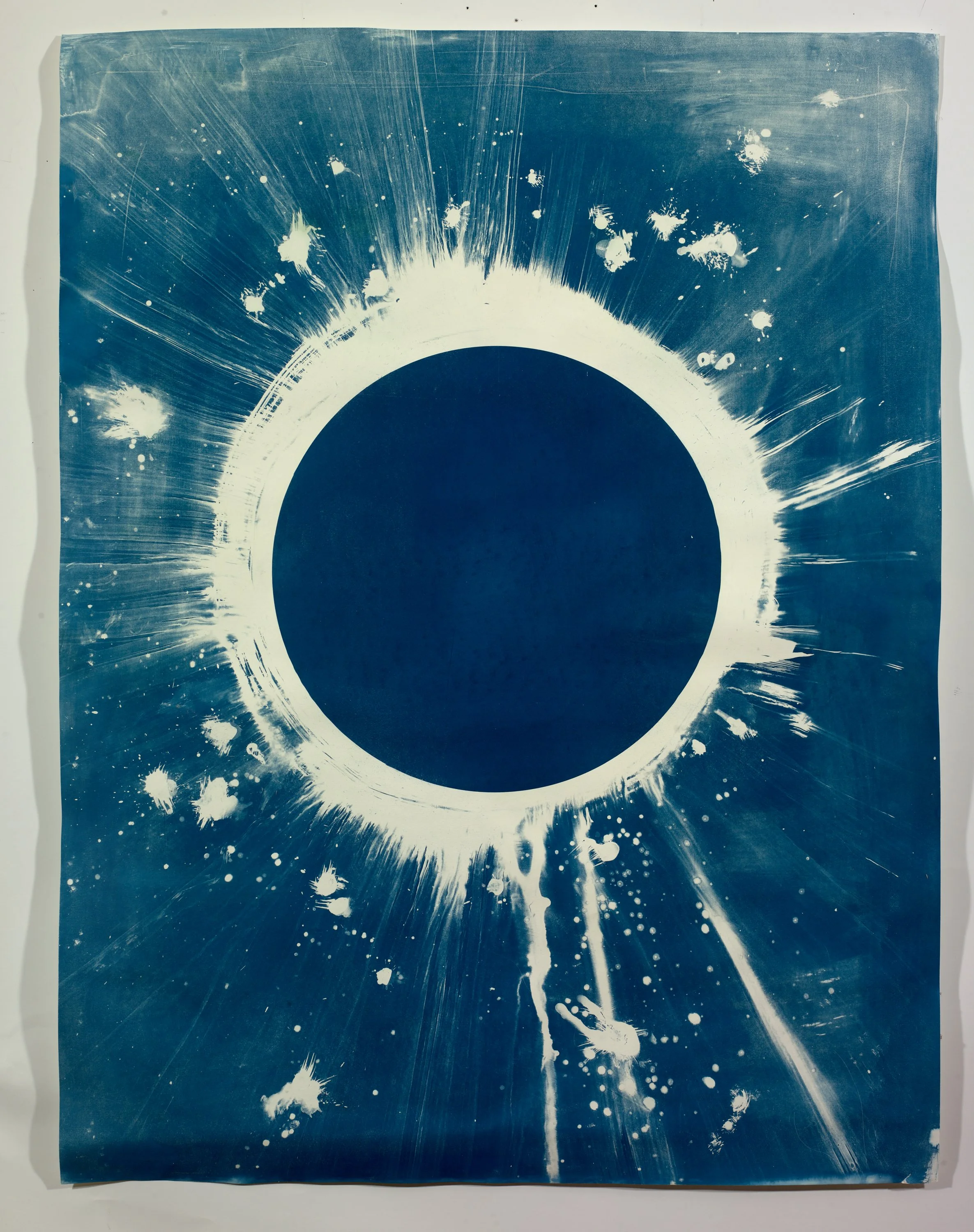
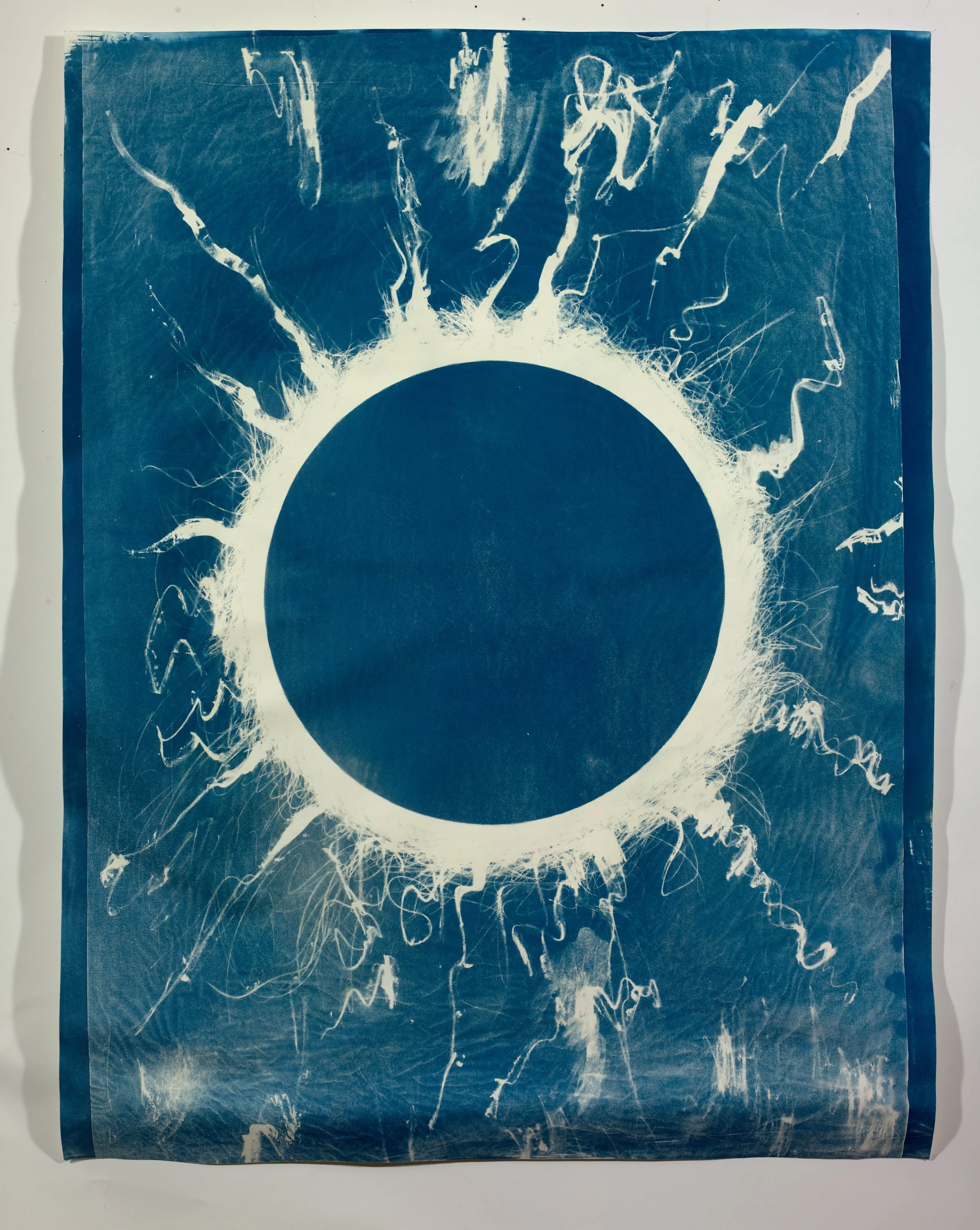
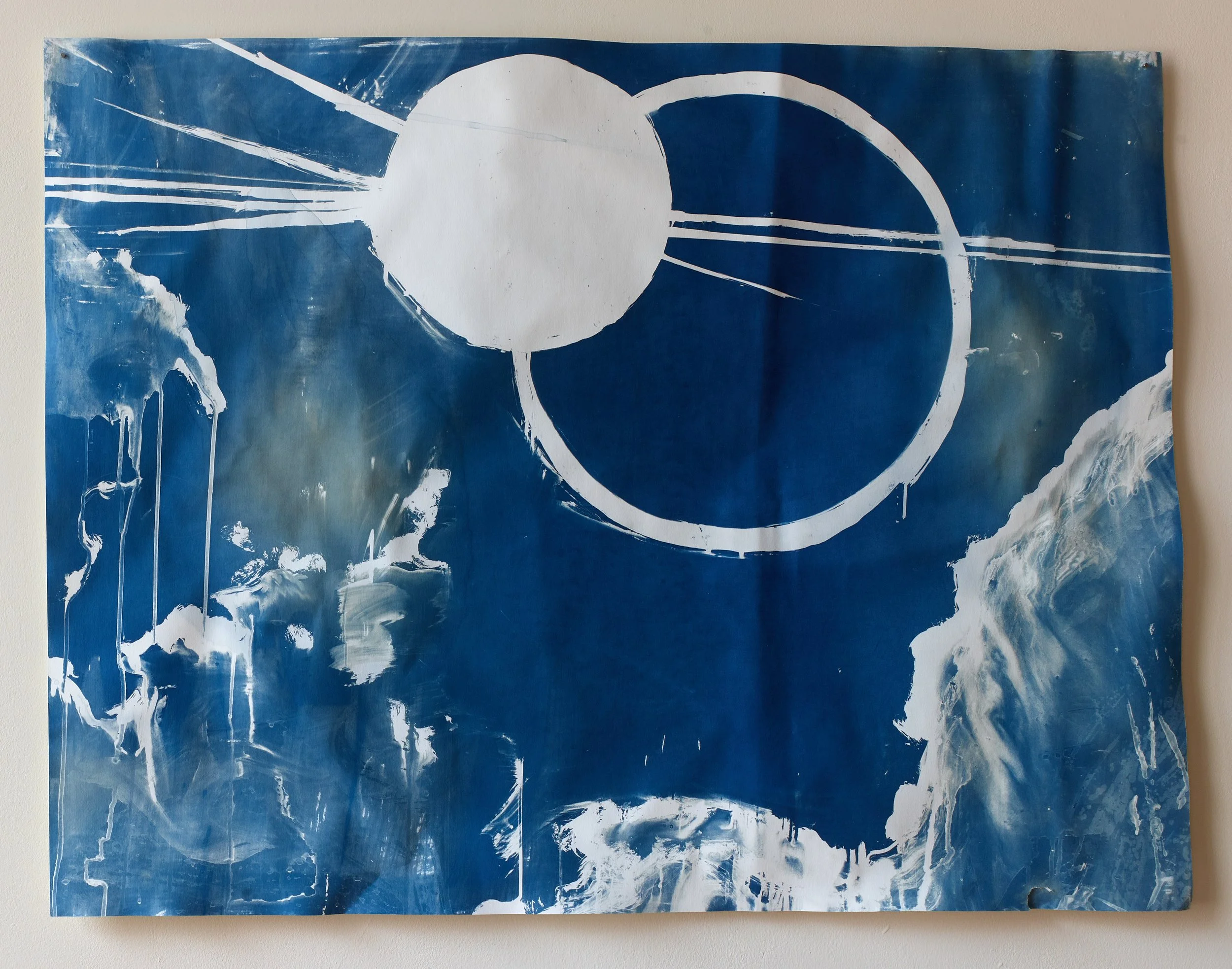
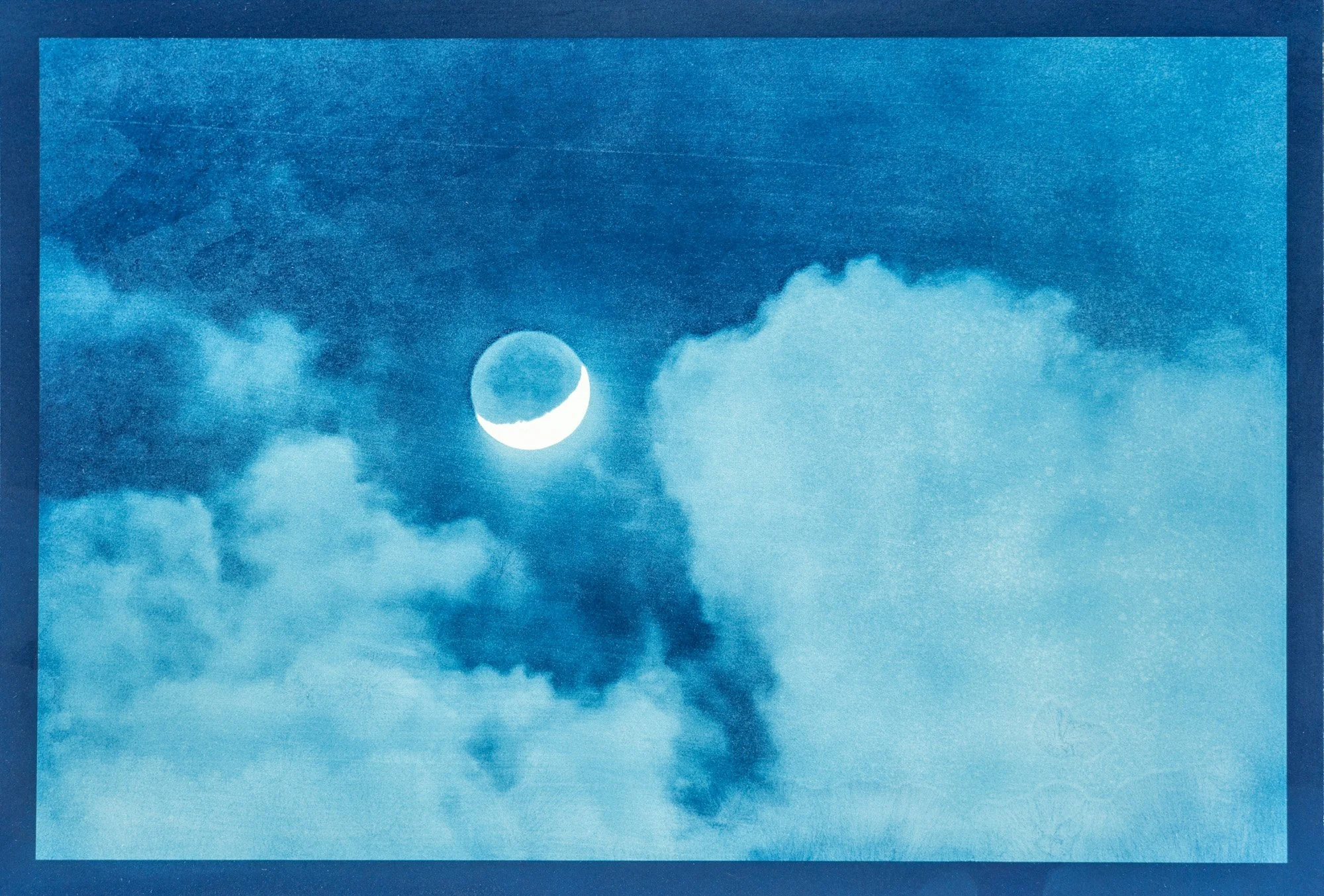
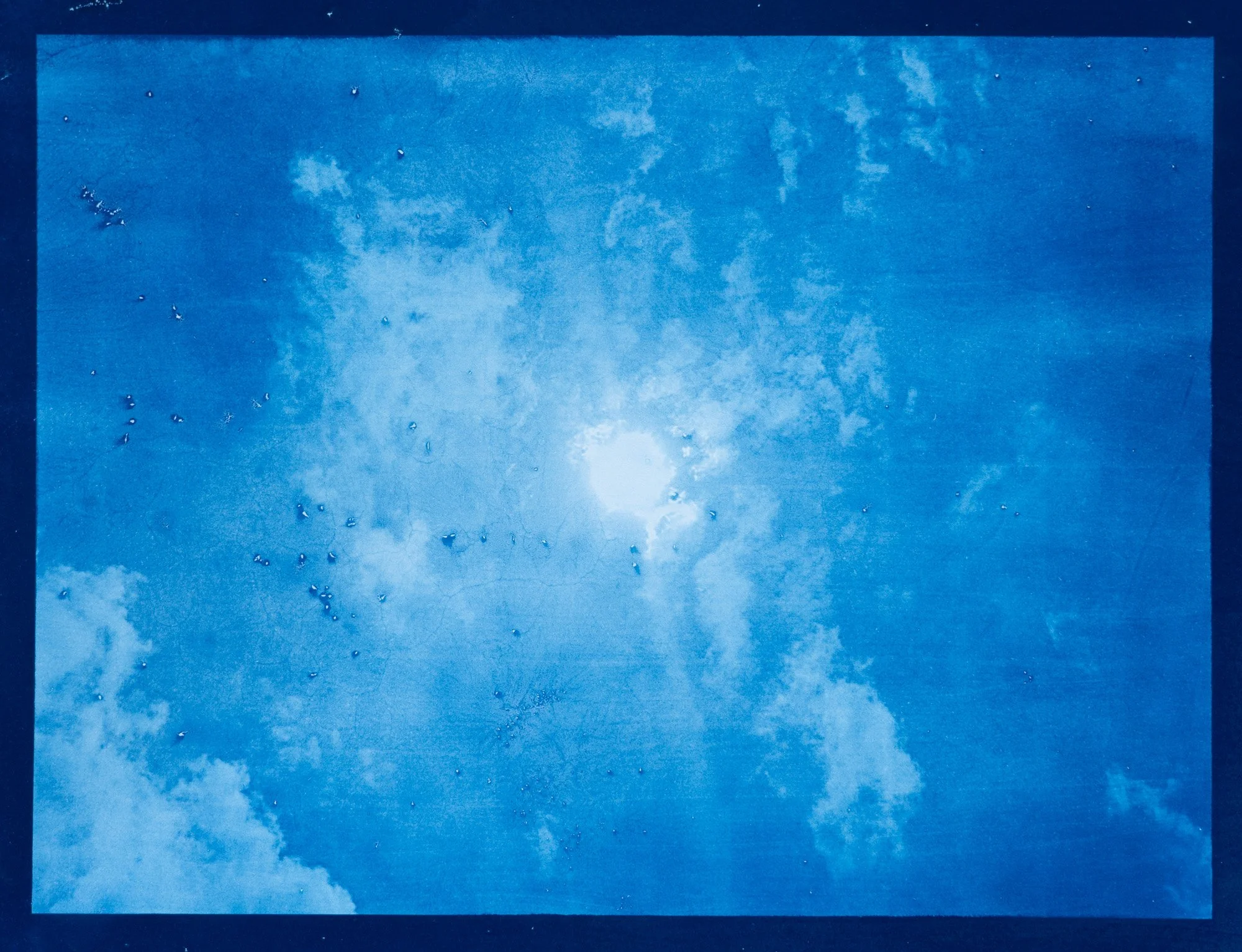
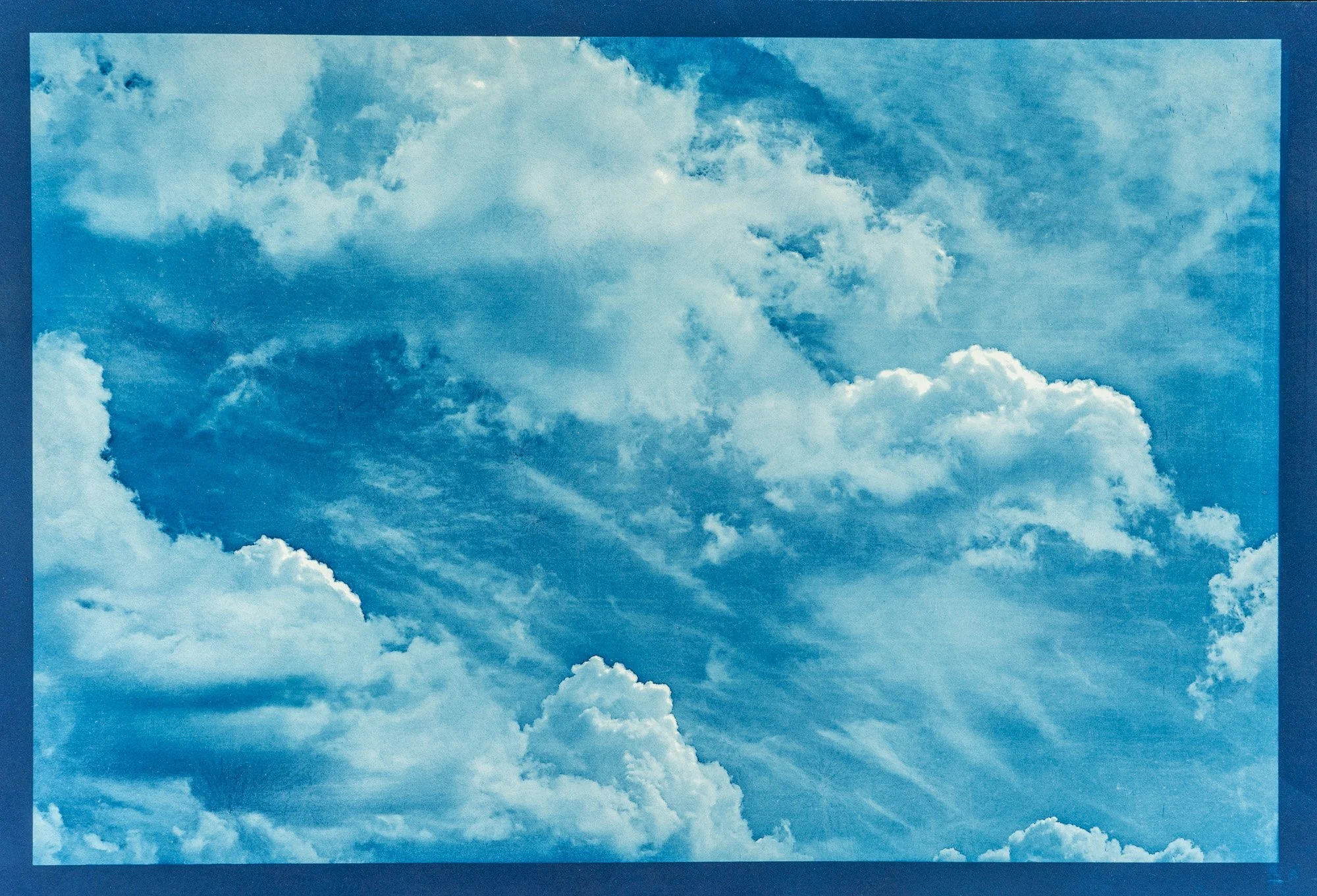
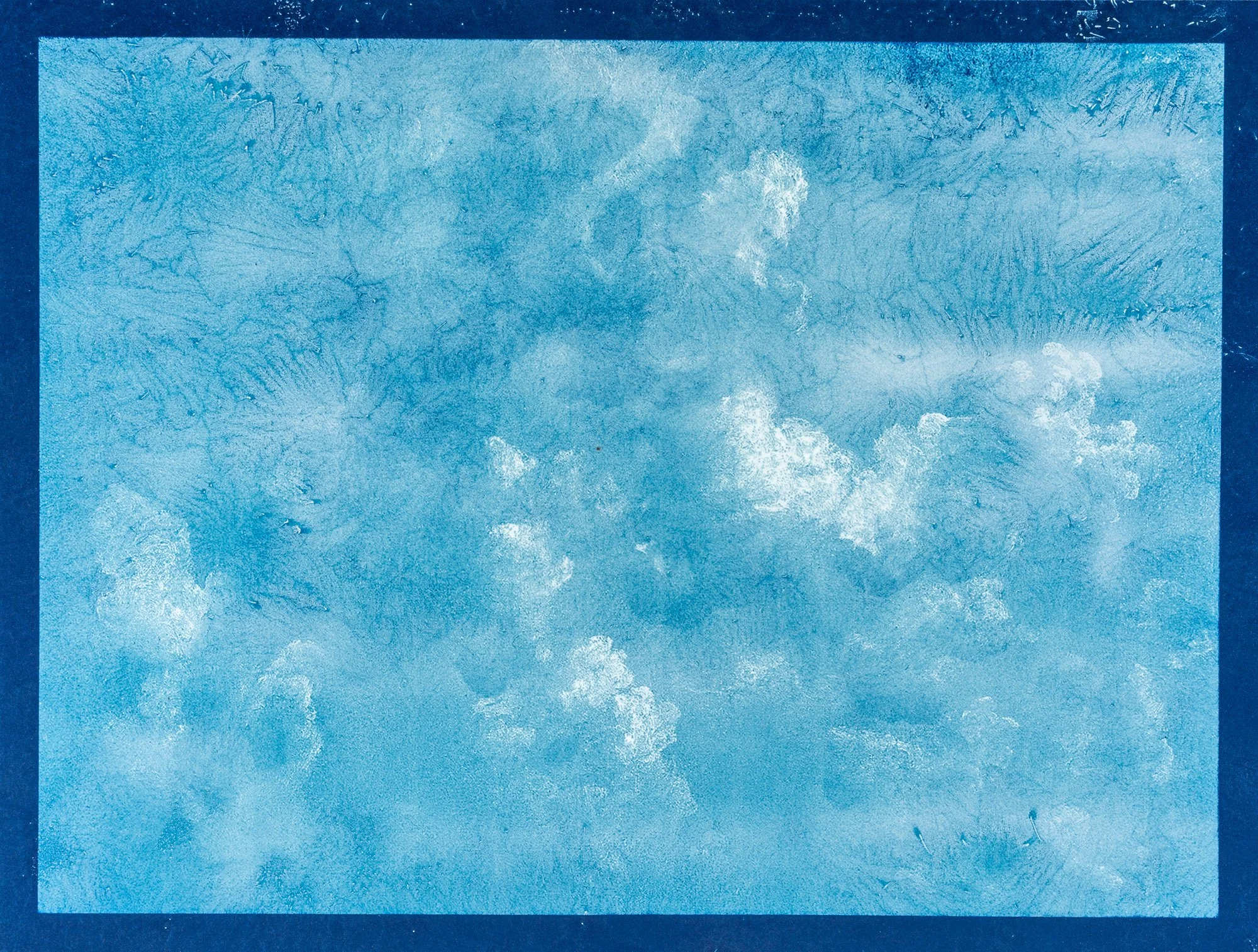
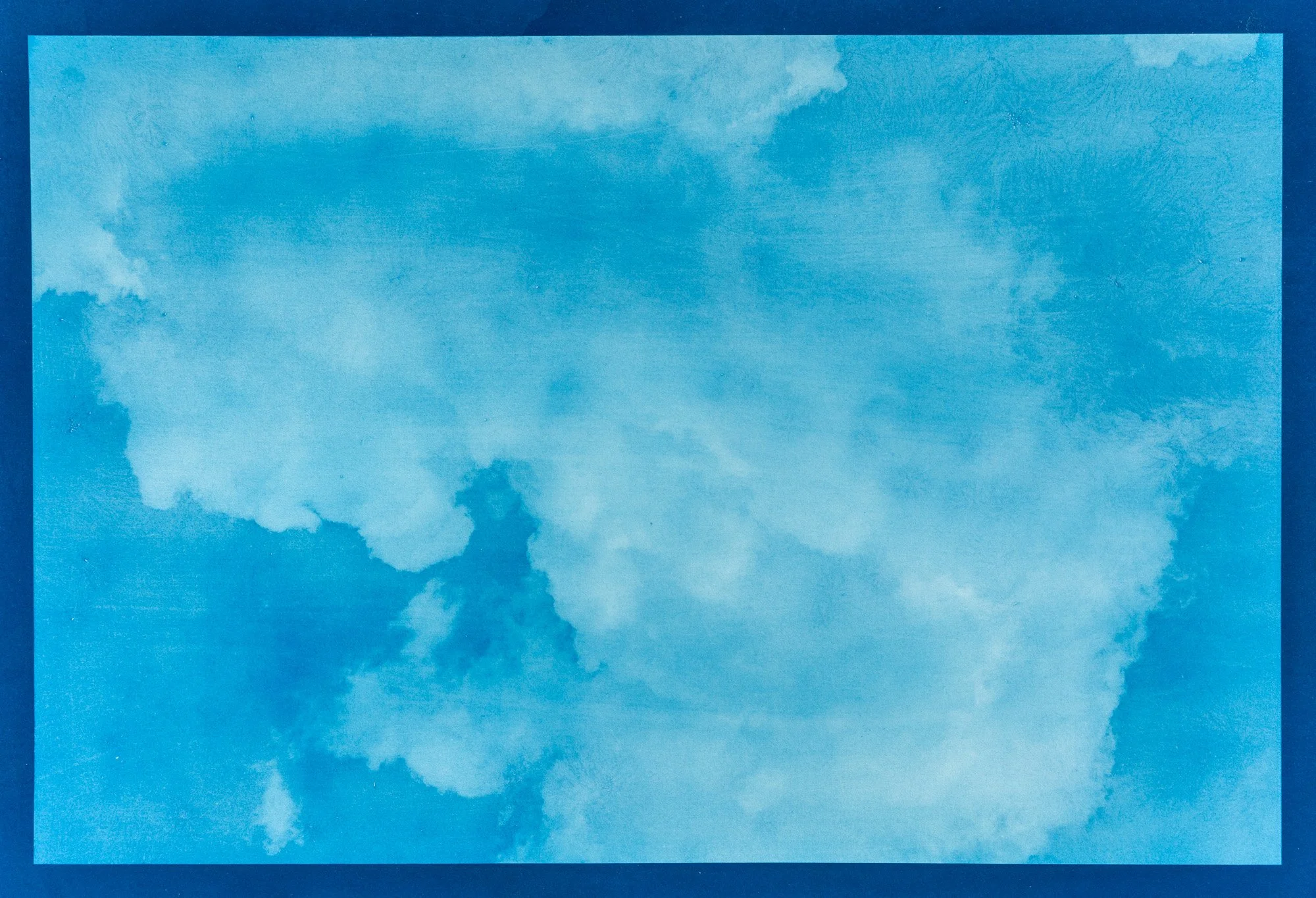
Brenton Hamilton, Meditations on Freedom No. 7, 1/1, 2026, Cyanotype on Arches, 13 x 19 inches, $850.
The Cloud Series Work: Investigations Into The Metaphysical. Seeking a kind of existential freedom - Hamilton looks skyward toward the fleeting shapes and constant rearrangement of the sky. Chance, unexpected forms and transience are the precipices these works are made from……printing with the cyanotype process and its variants this distinct blue pushes the images even further from their original state. The artist looks for a release - embracing self abnegation to contemplate an inner state.
Maine based artist Brenton Hamilton MFA, has made photographs for over three decades. A well known educator and printmaker he is based in the Midcoast. Using photography in unusual ways to investigate the surrealists hallmarks and make images with new and complex meanings.
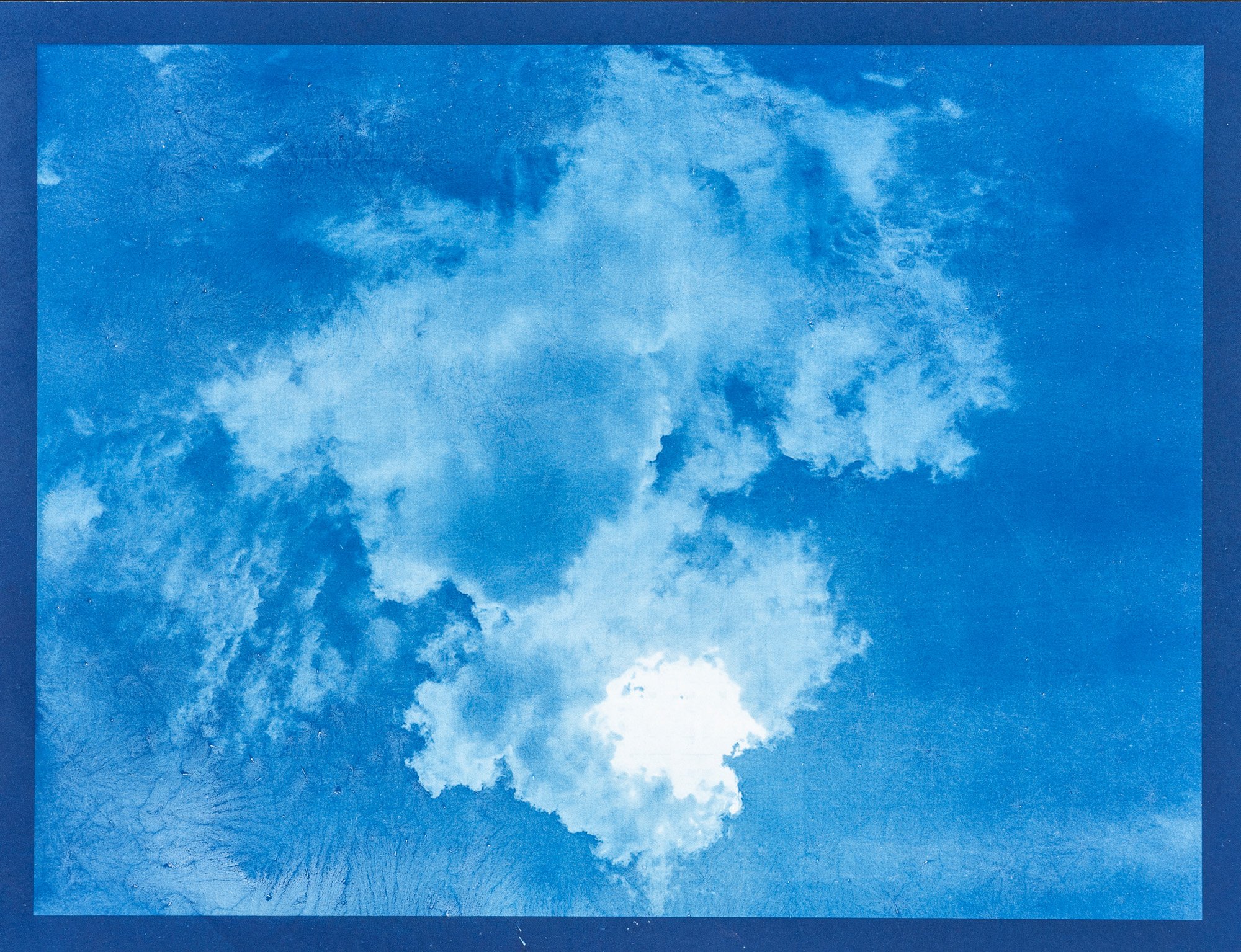
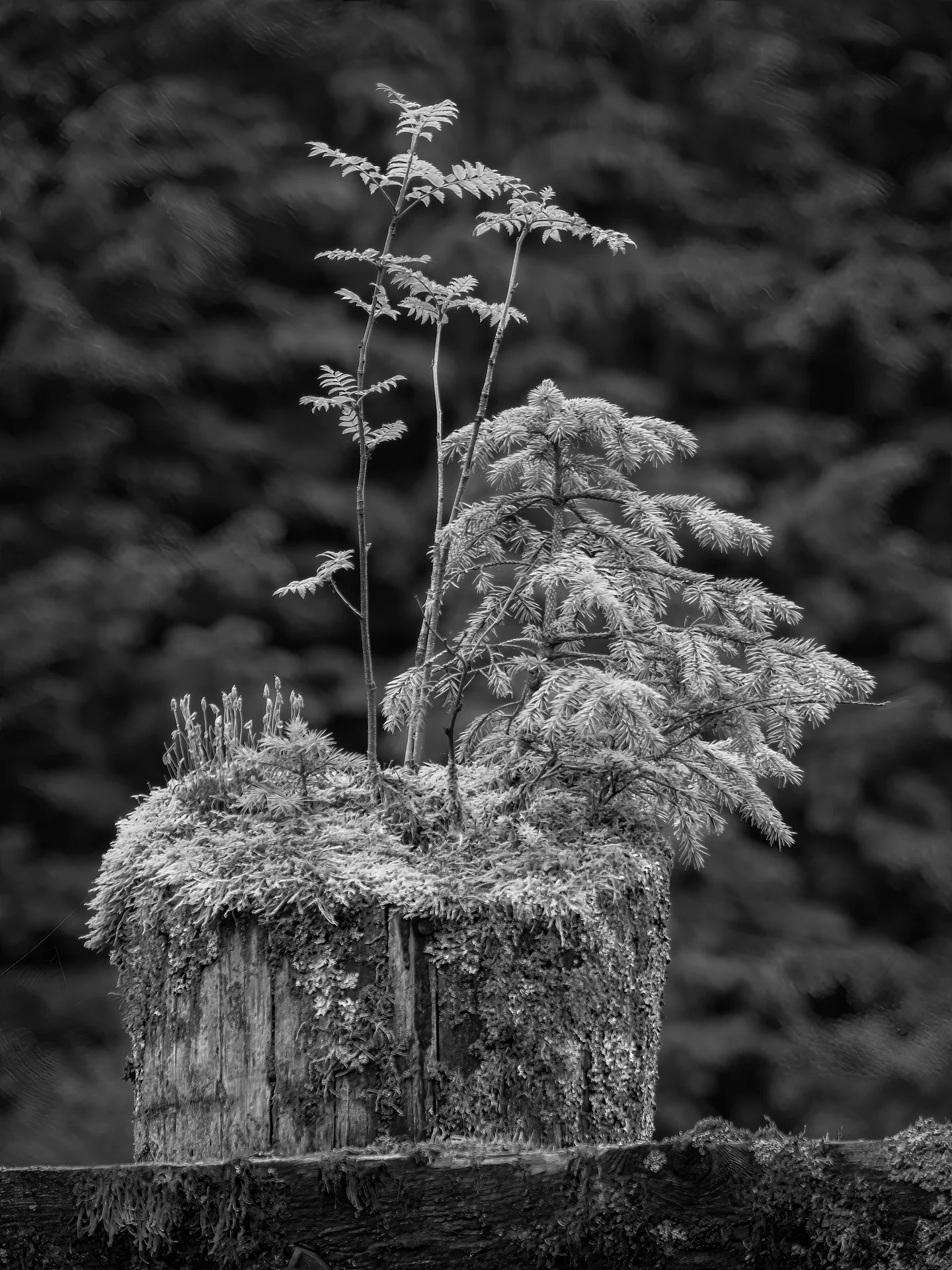
Sarah Hood Salomon, Volunteers, 1/20, 2026, Archival digital photographic print, 17 x 22 inches, $350
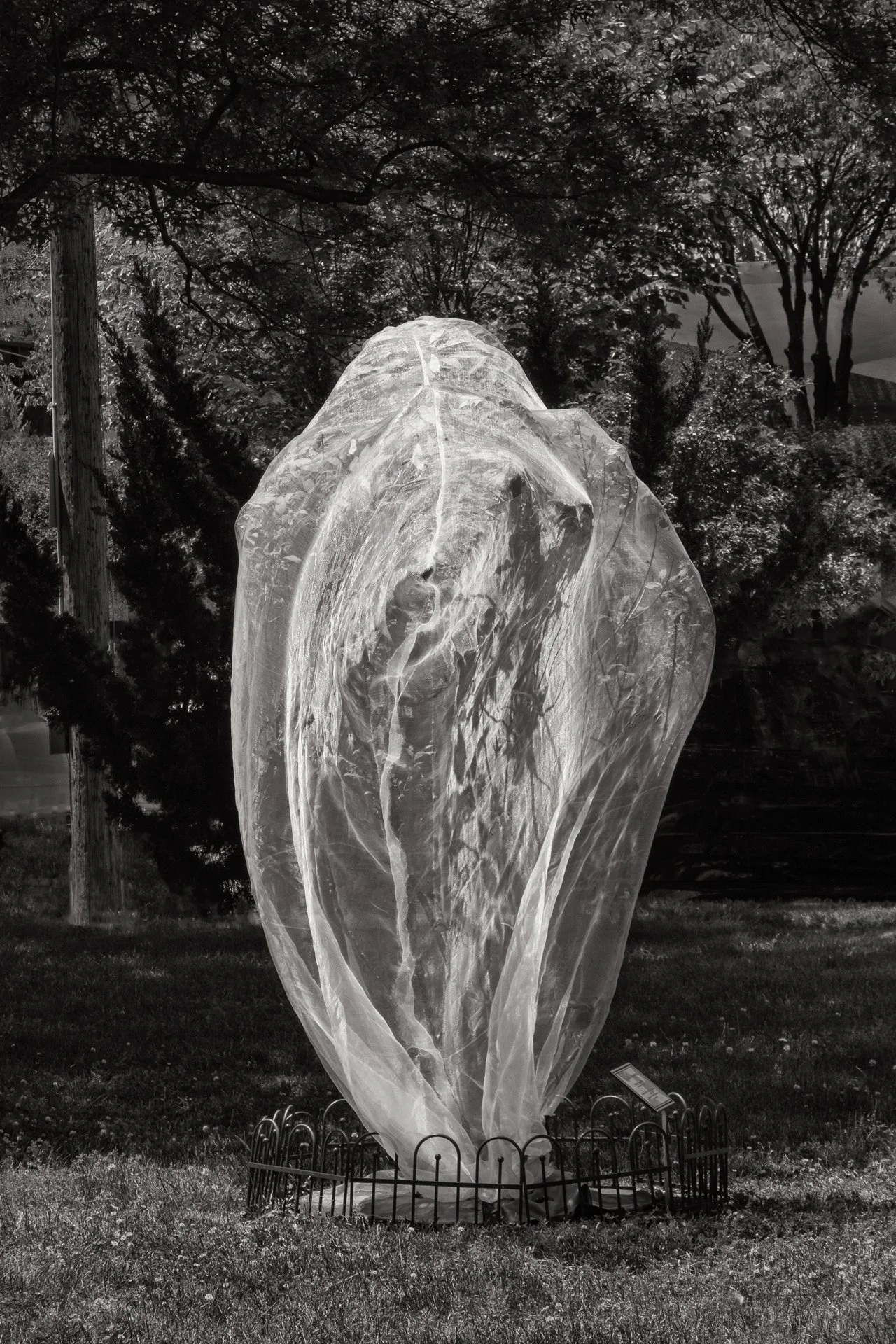
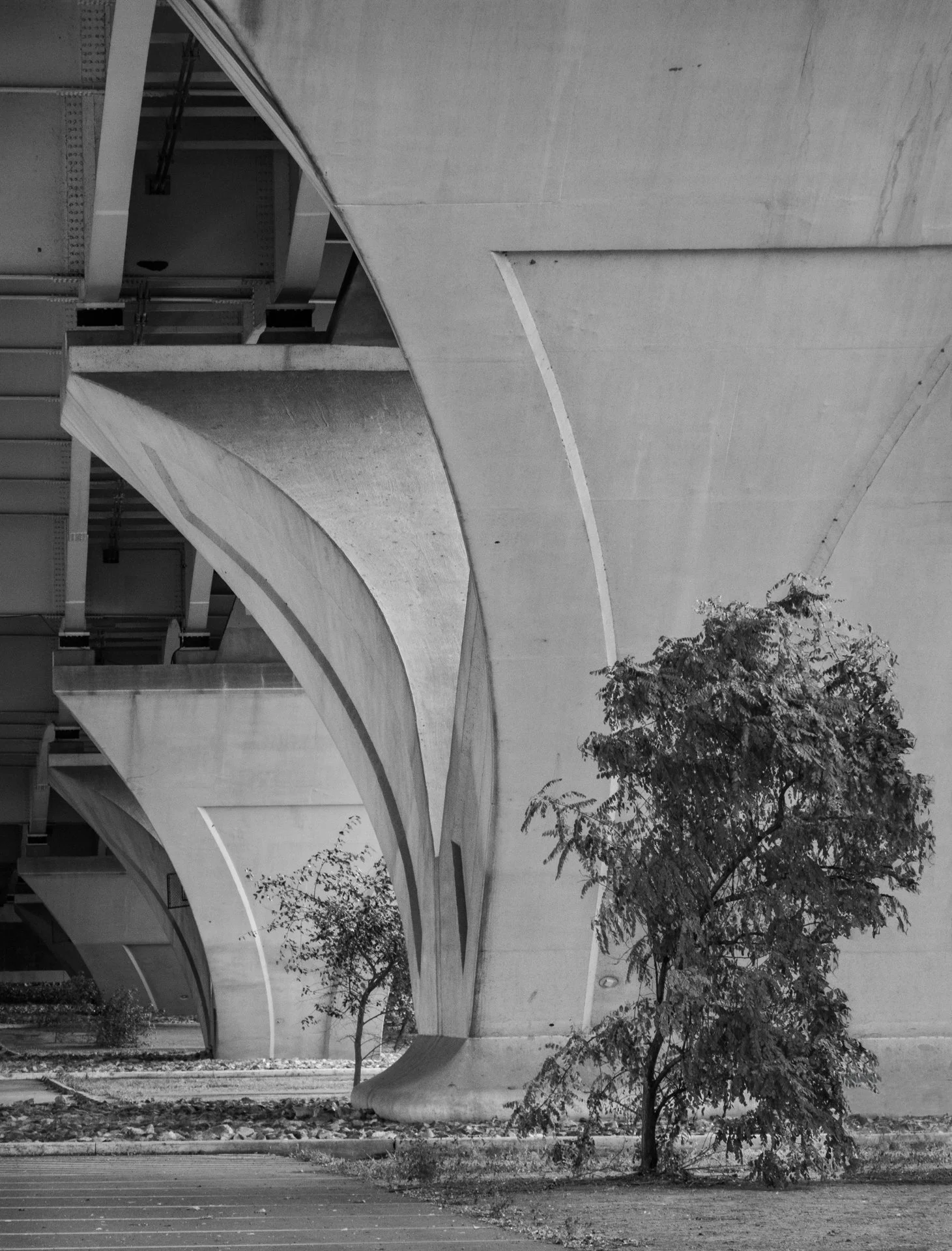
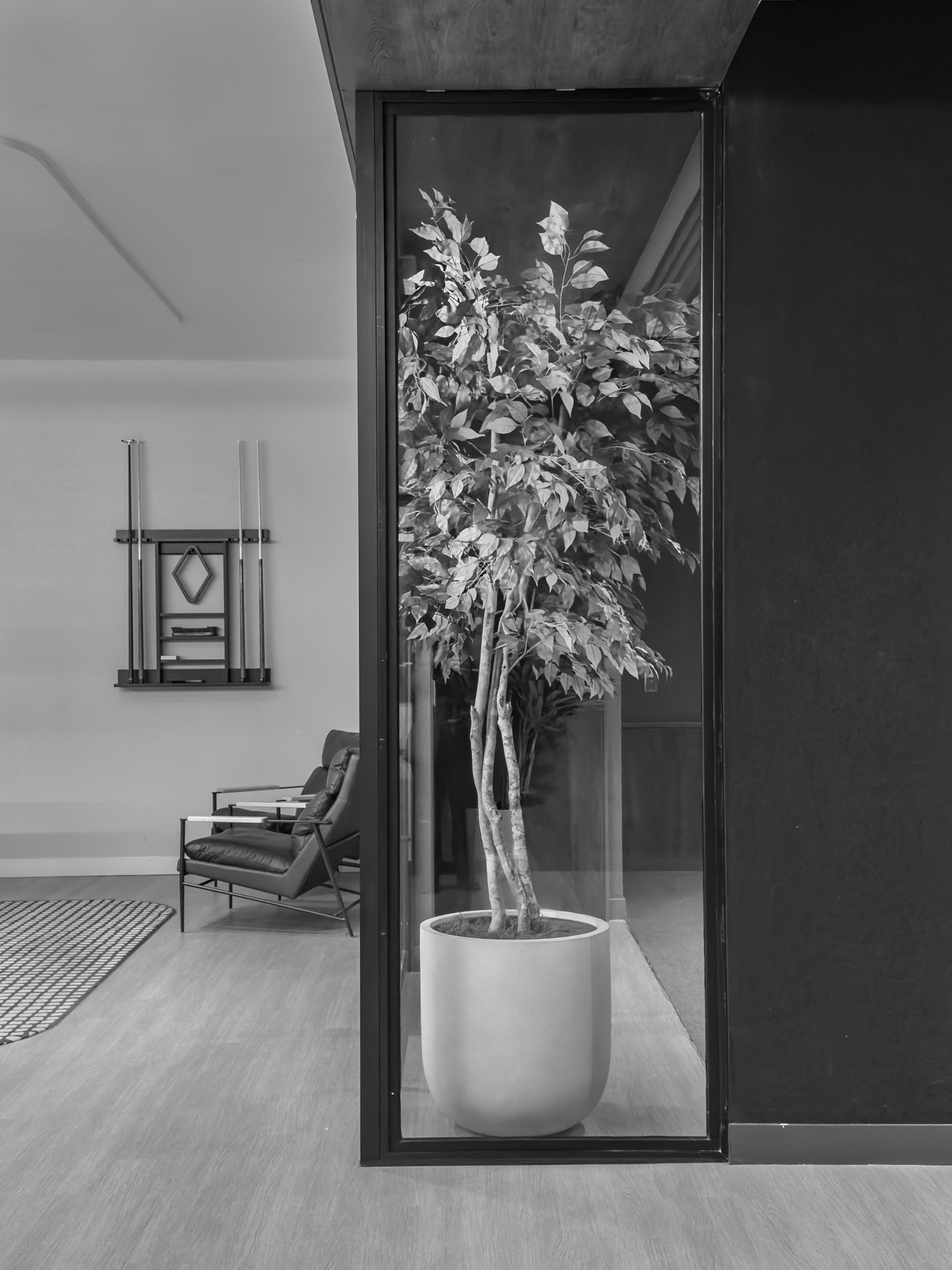
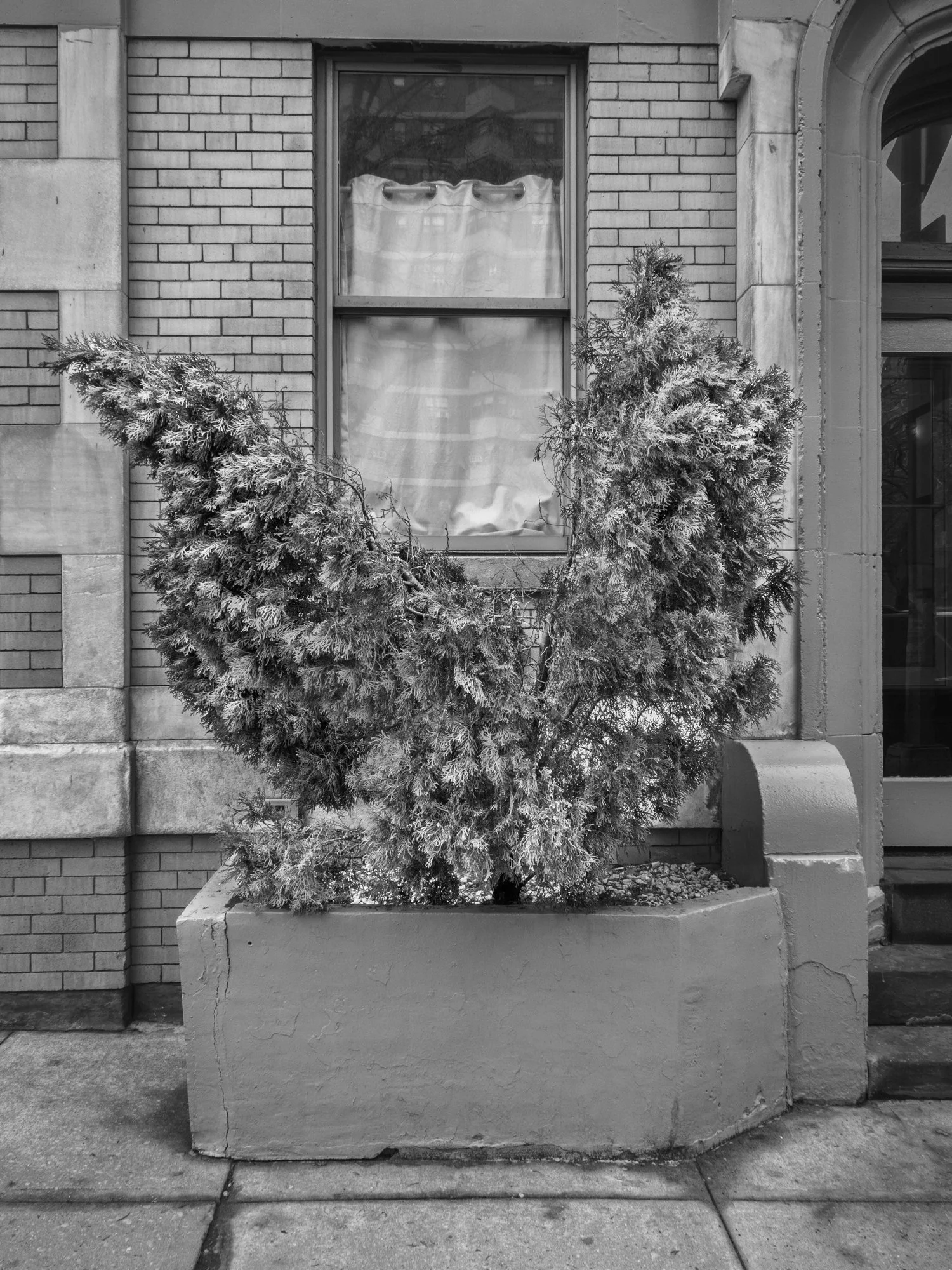
My work is based on quiet observation. Solitary ramblings invite a deeper exploration of the world and allow a subject to slowly reveal its nature. I often take unexplored pathways, which leads to fortuitous discoveries. My photographs embrace the unexpected and examine the juxtaposition between the facade and what lies beneath.
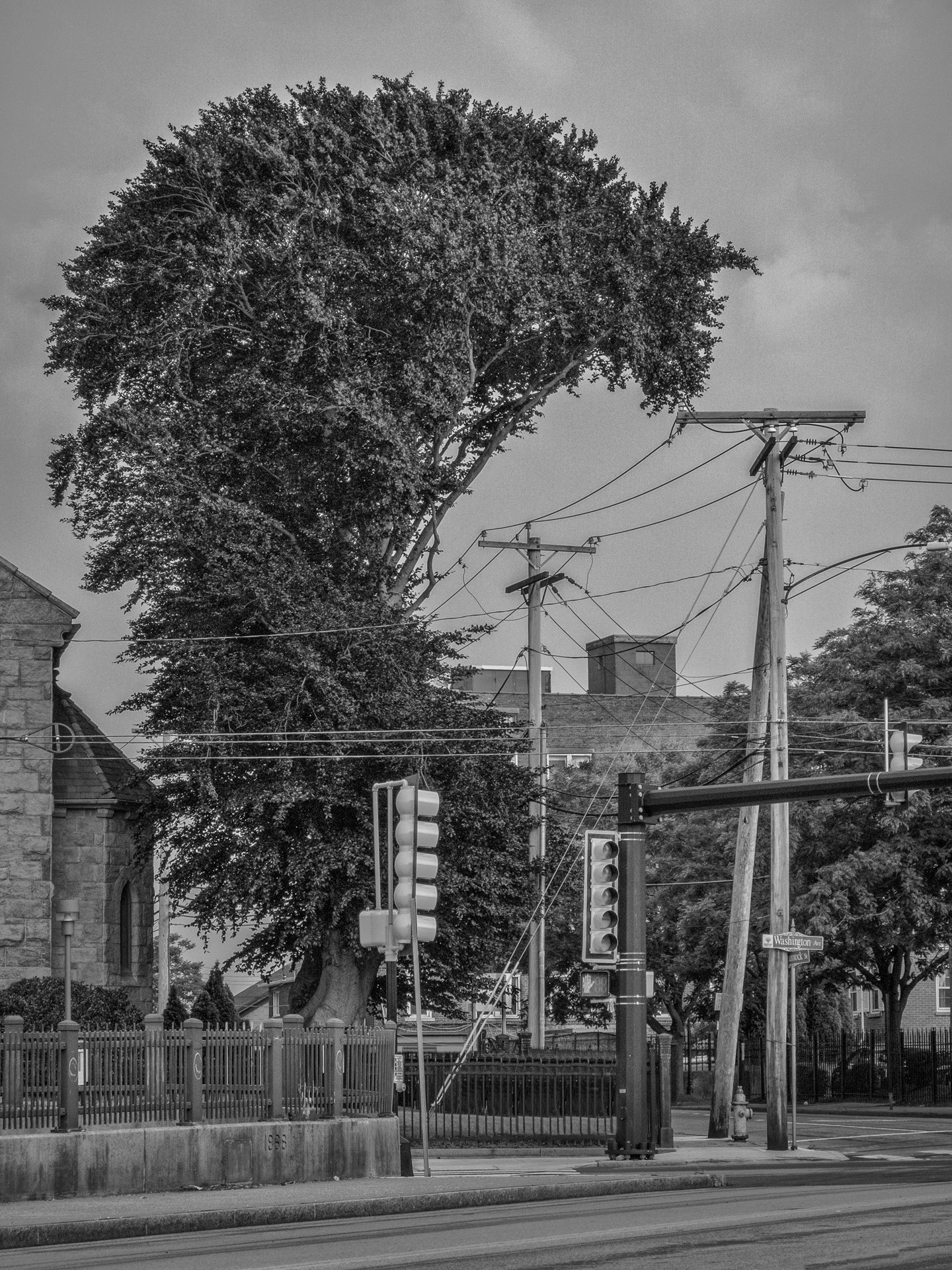
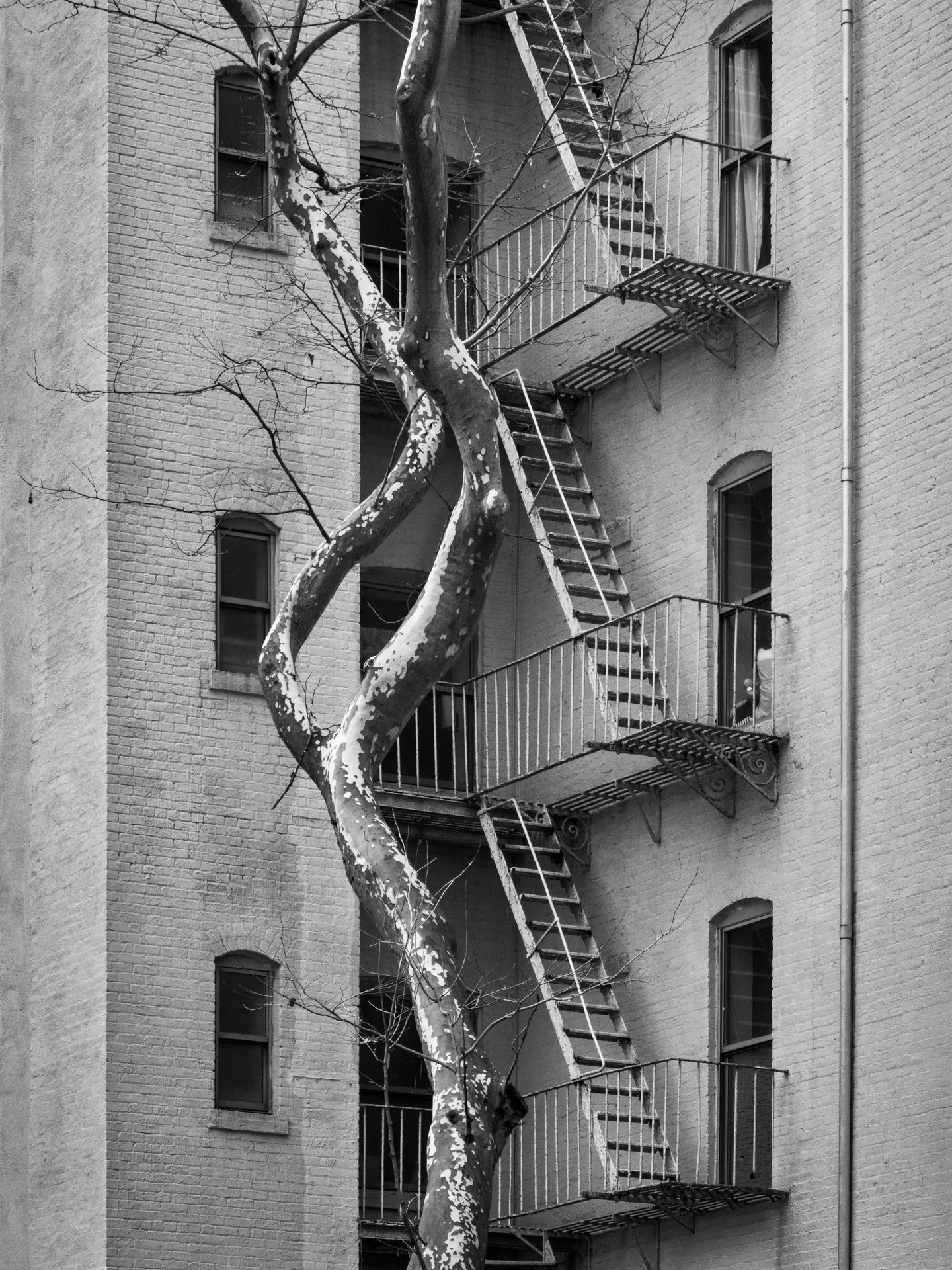
“Under the Overpass” My work is rooted in a deep love and admiration for trees. Our human judgement categorizes certain trees as beautiful, while others are perceived as ugly, dangerous or invasive. Some situations contain a humorous aspect, while others are seen as a nuisance. This project examines the complex relationships between humans and the natural environment, and specifically explores the many ways in which urban trees are used, abused, and protected.
- S.H.S
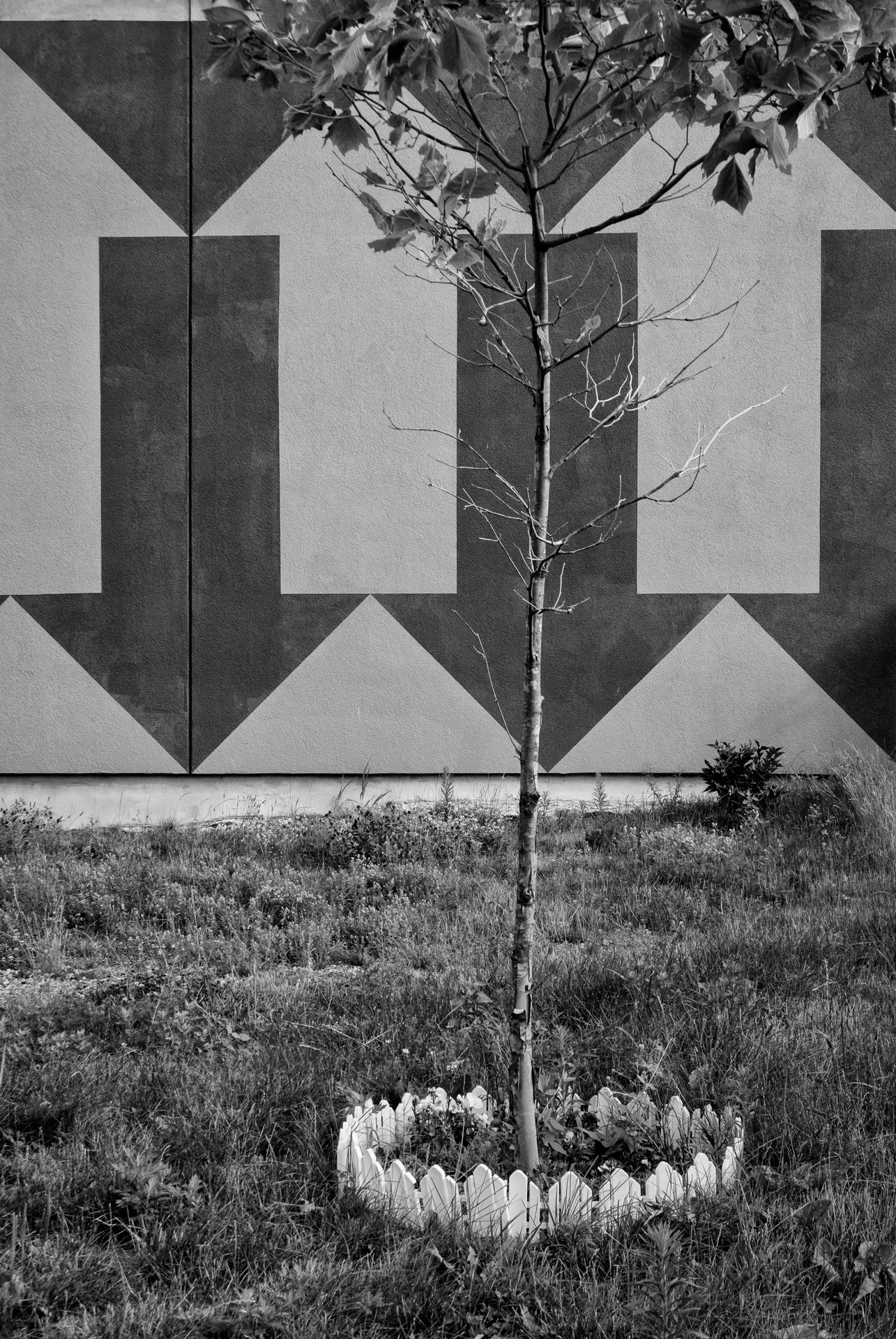
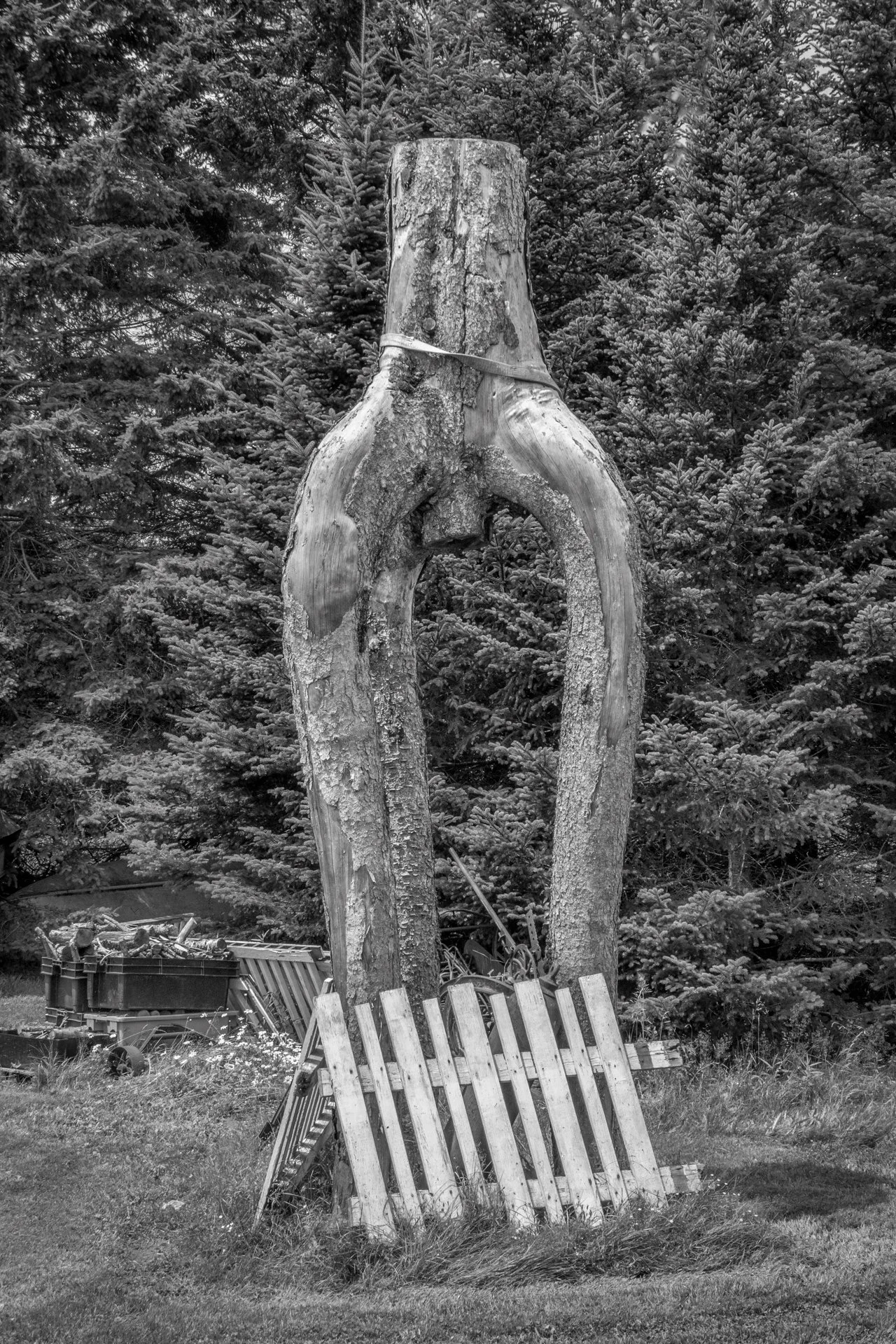
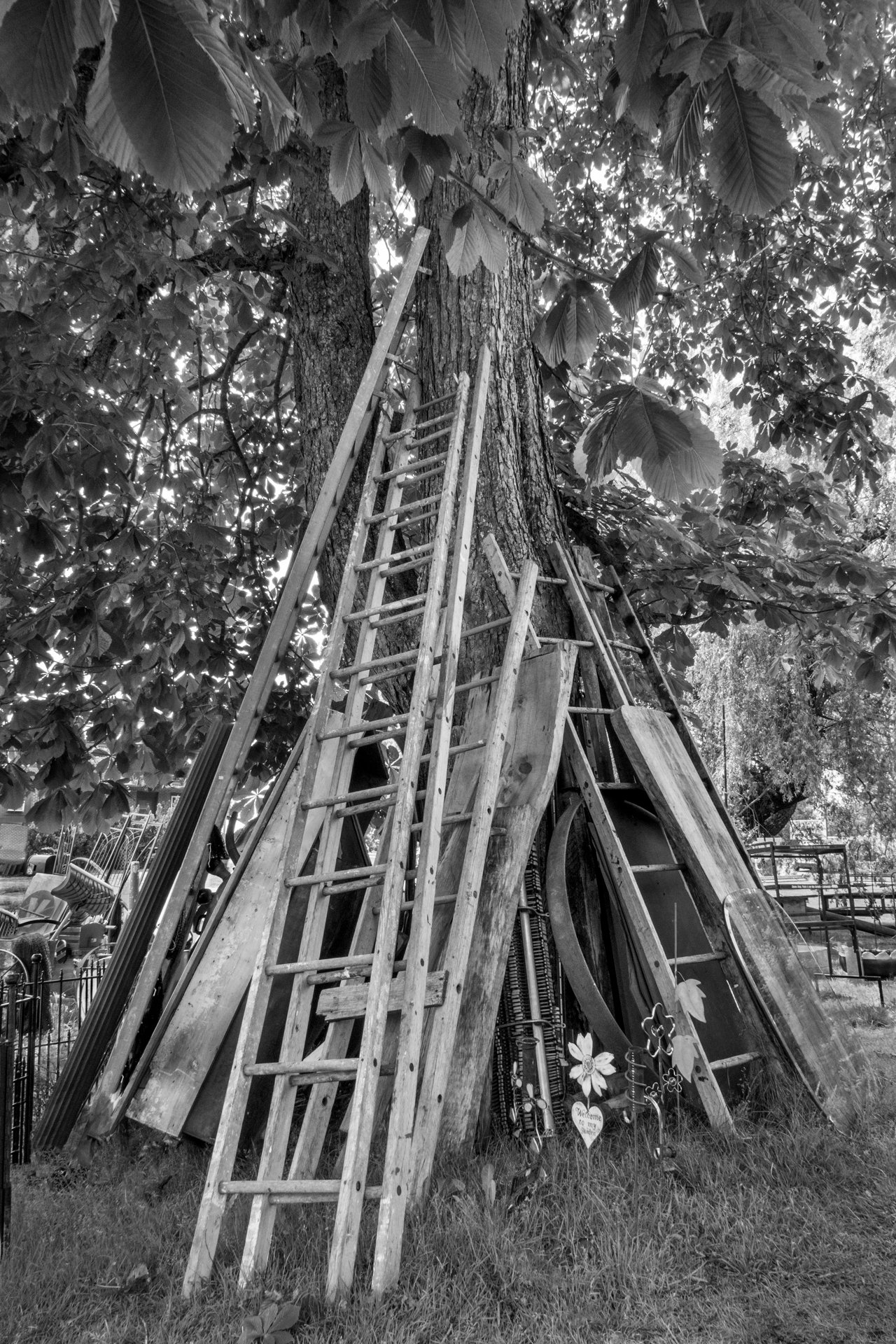
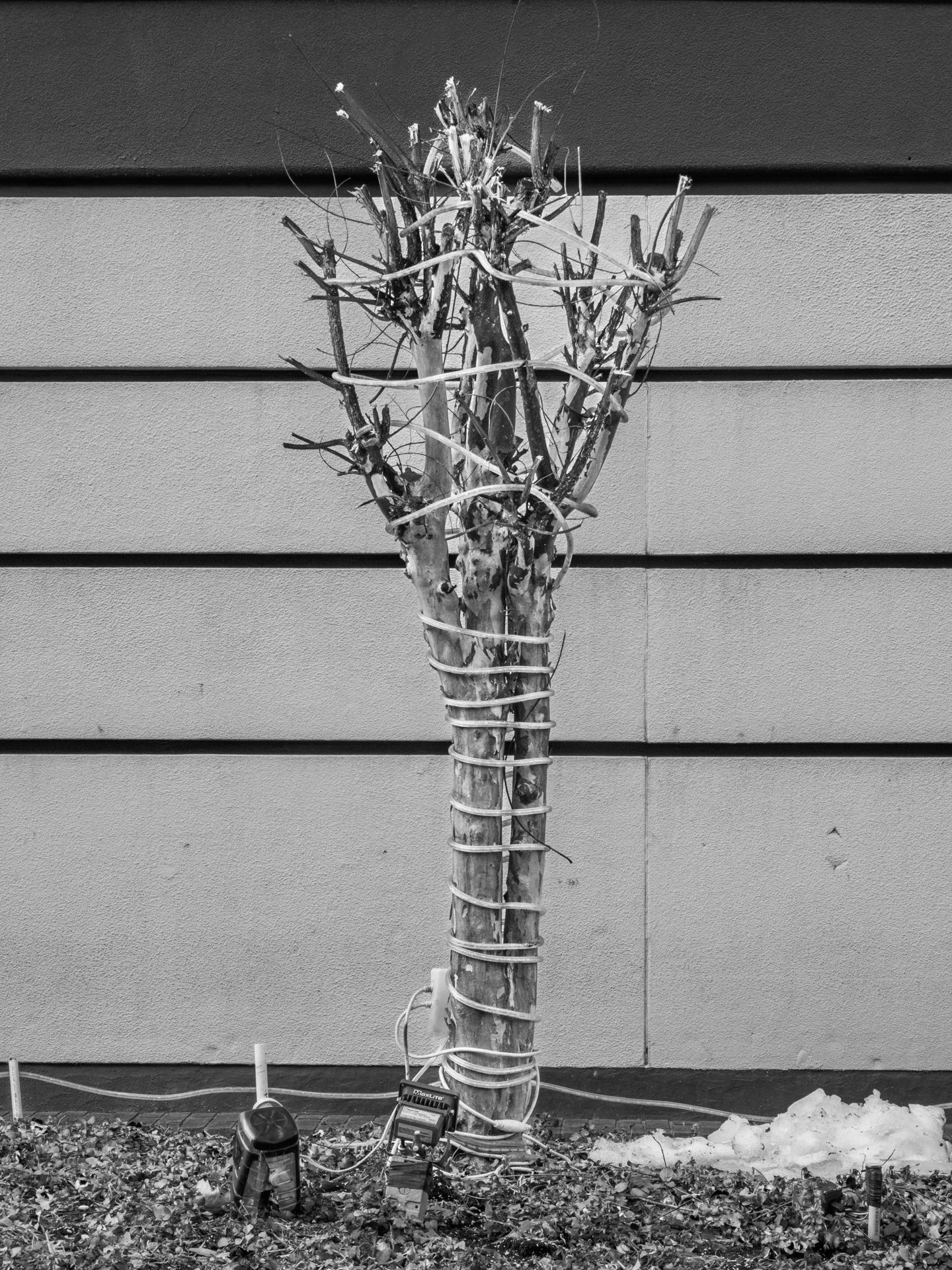
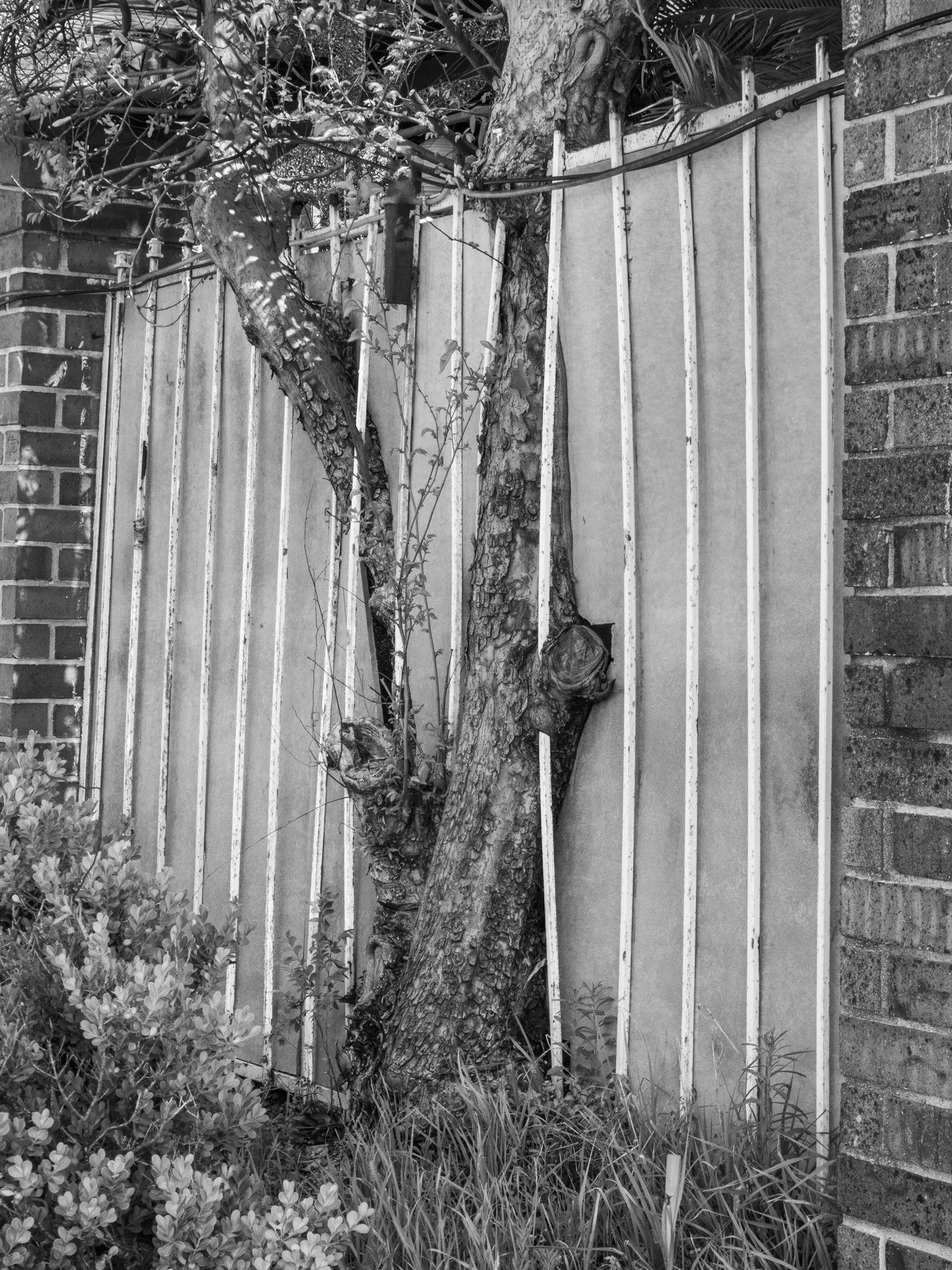
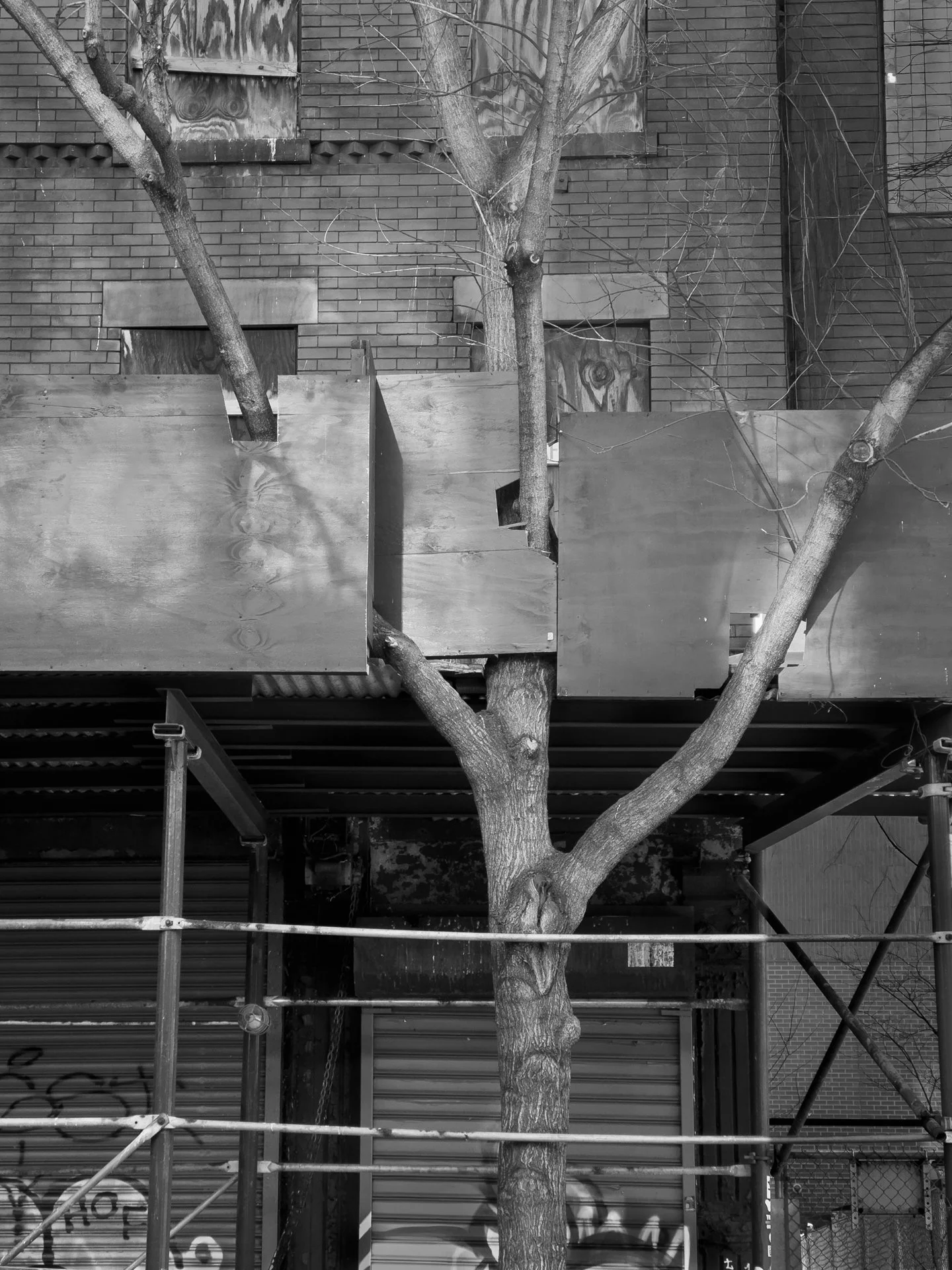
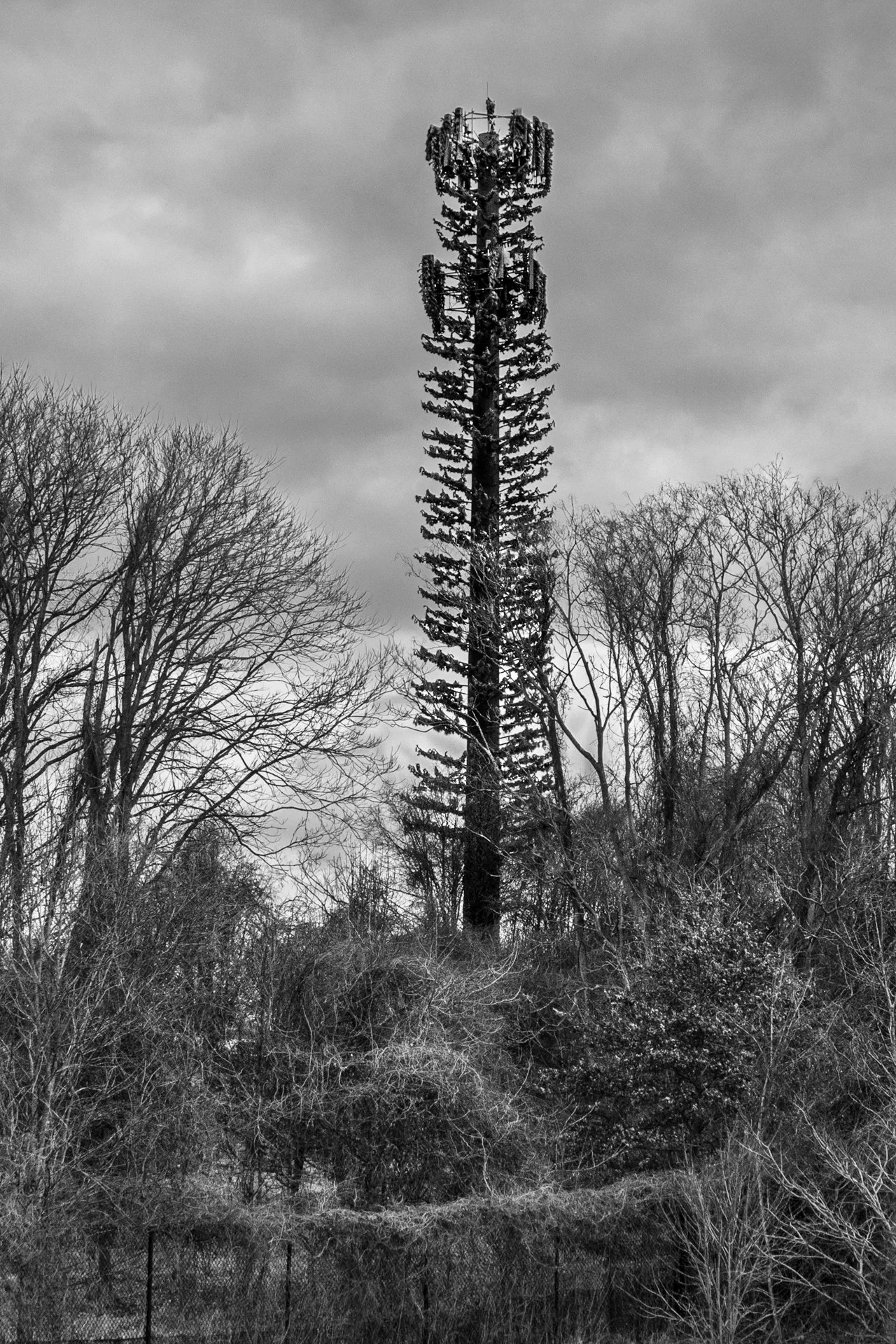
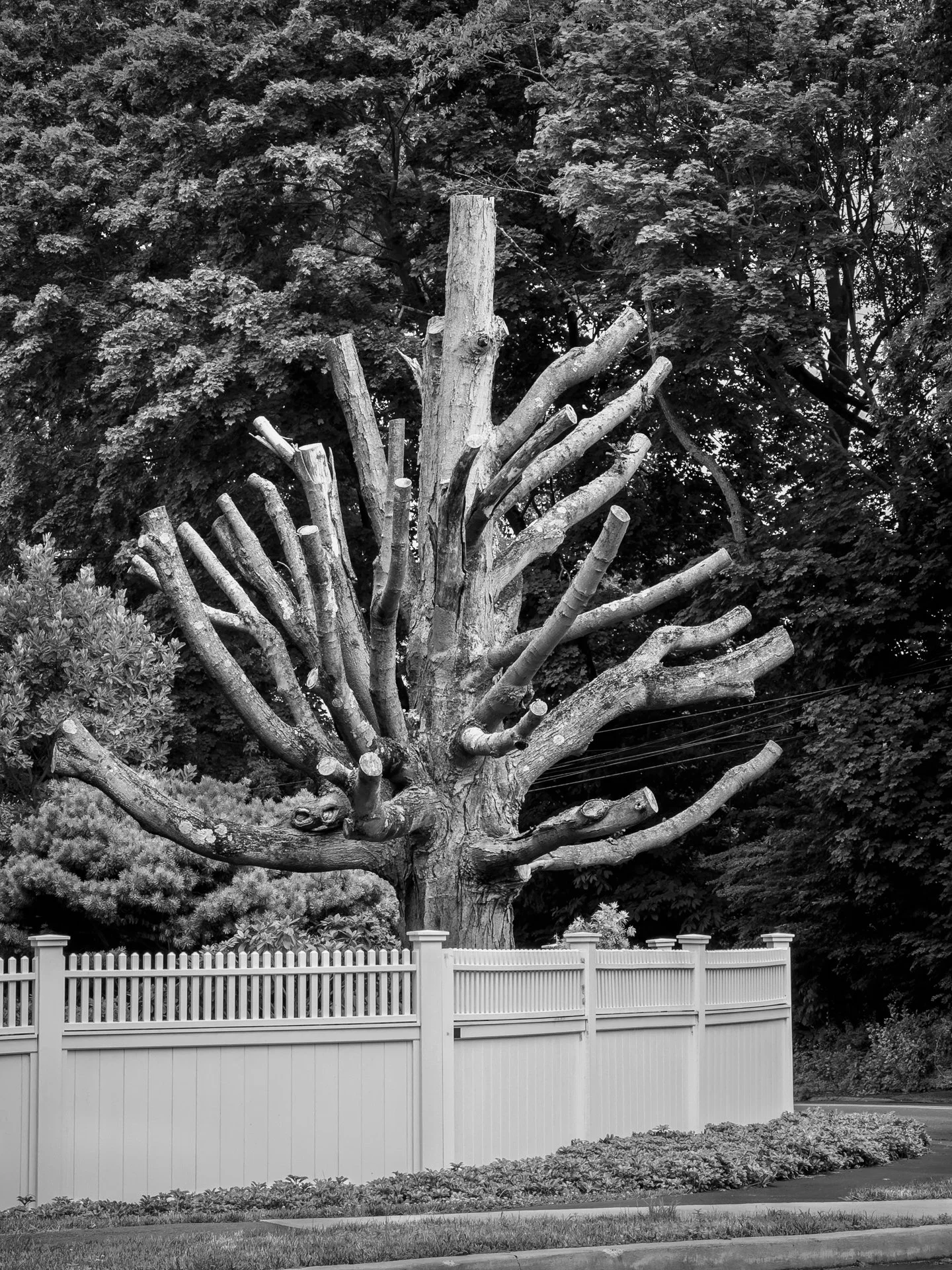
Sarah Hood Salomon has been a photographer for over 40 years. Her award winning work has been exhibited in numerous solo and group shows throughout the United States. She is a photography judge, curator, author, and lecturer. She was awarded her MFA in Photography from Maine Media College in 2023.
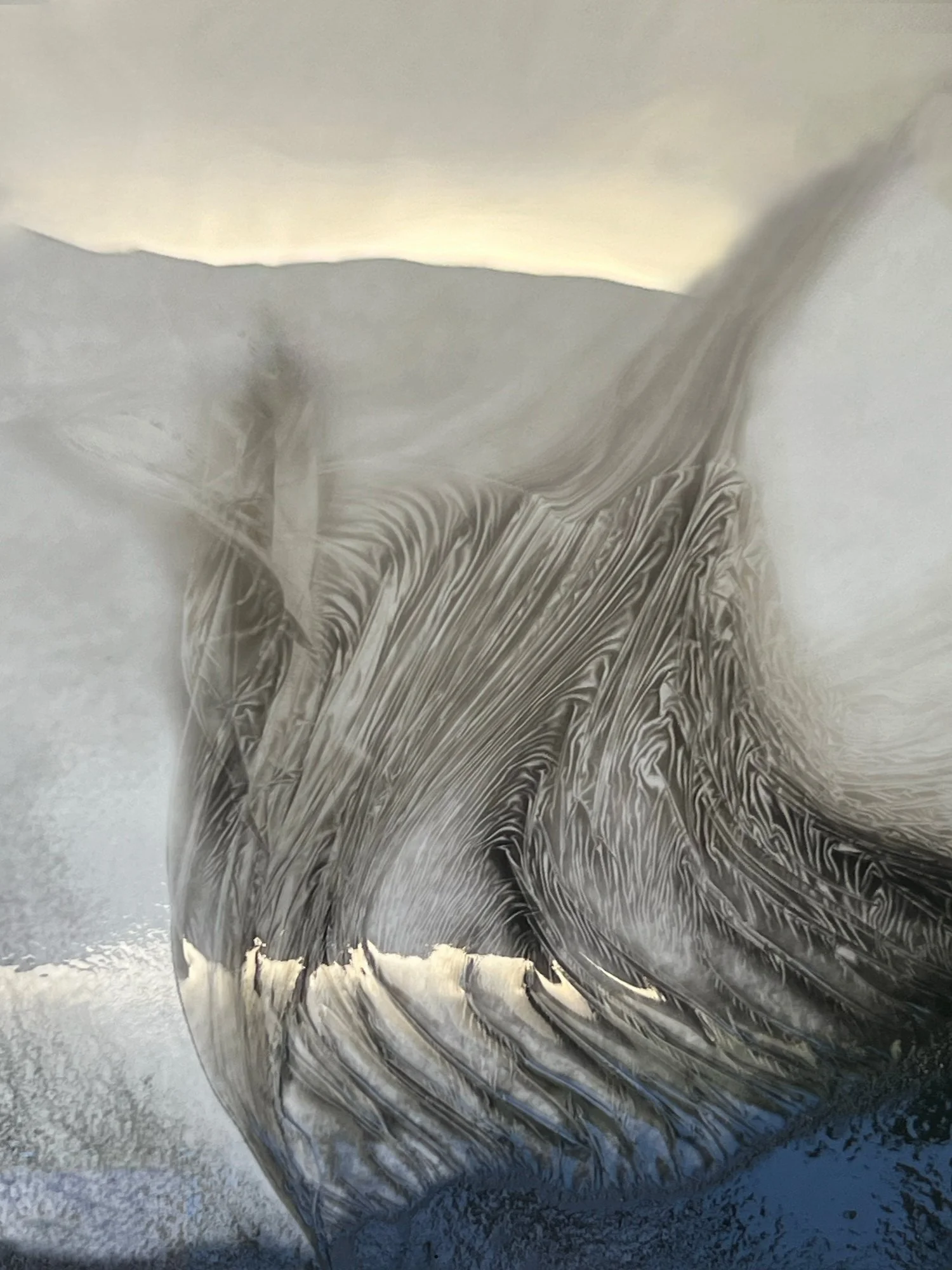
Elizabeth Opalenik, The Landscape Within #007, A Symphony of Listening #1, 3/15, 2024, printed Awagami Bizan, A2, 19.75 x 27.5 inches, $ 1,600
I left home in 1969 to the sound of peace marches and my mother saying, "I knew you were different from the time you were two." From the farm in western Pennsylvania to the shores of Connecticut, I slowly started to evolve as an artist from my former lives managing the accounting department for Continental Oil Company, managing jazz clubs and as "A MS-Placed Lady" in my construction/design company. In 1979, after a two-week photographic workshop in Maine, I sold everything and never looked back.
I am a photographic artist, educator, mordançeuse, and freelance photographer traveling the world with my camera and I love it. Philanthropic projects keep me grounded and connected universally.
I believe that all good photographs are self-portraits and know that my many former lives manifest themselves in my images. My heart remains in my darkroom working in the Mordançage process, but I use today's technology when appropriate to explore all the creative paths.
- E.O.
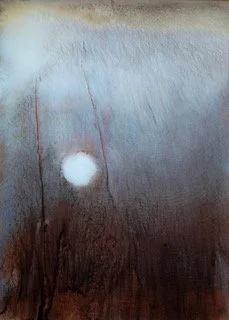
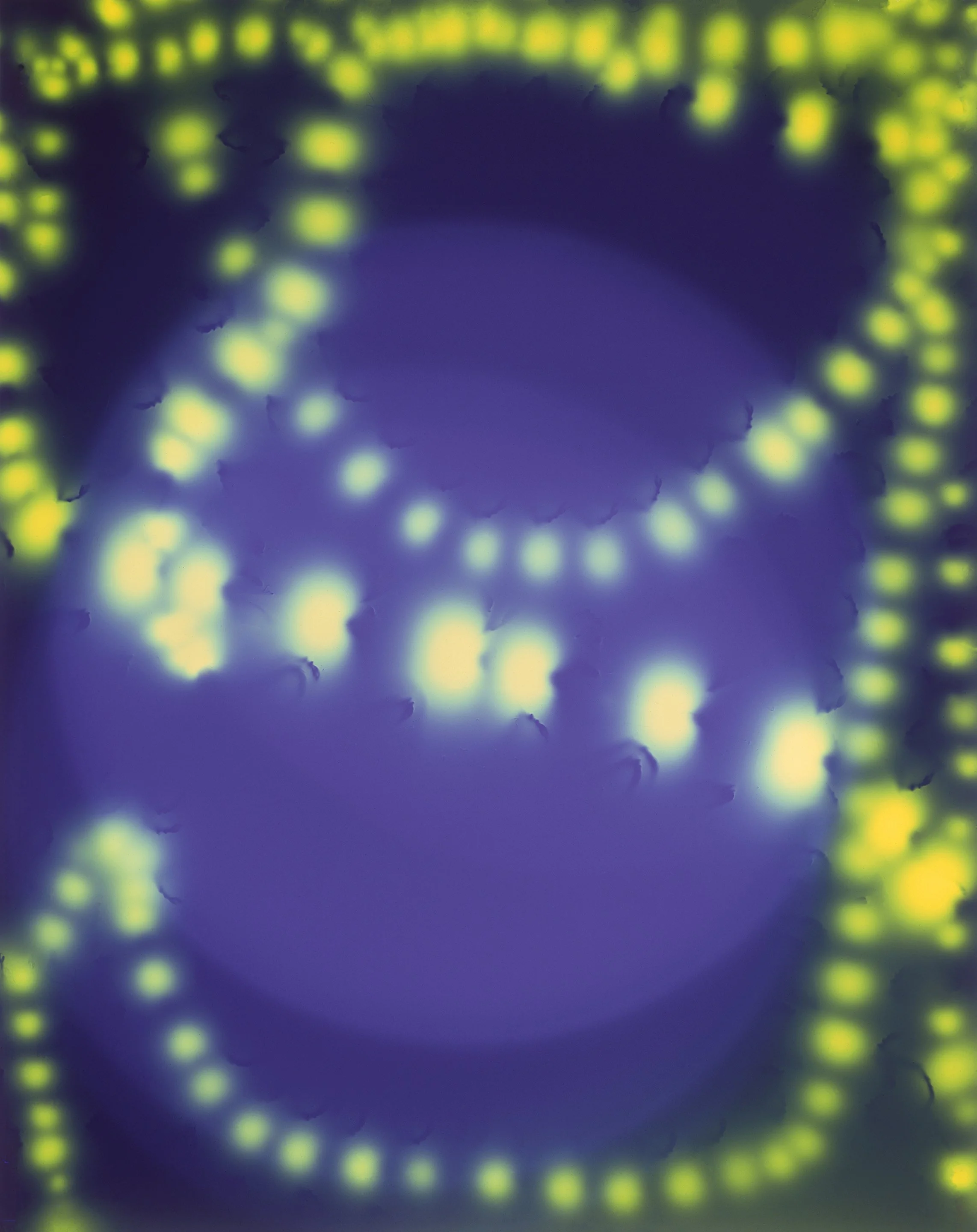
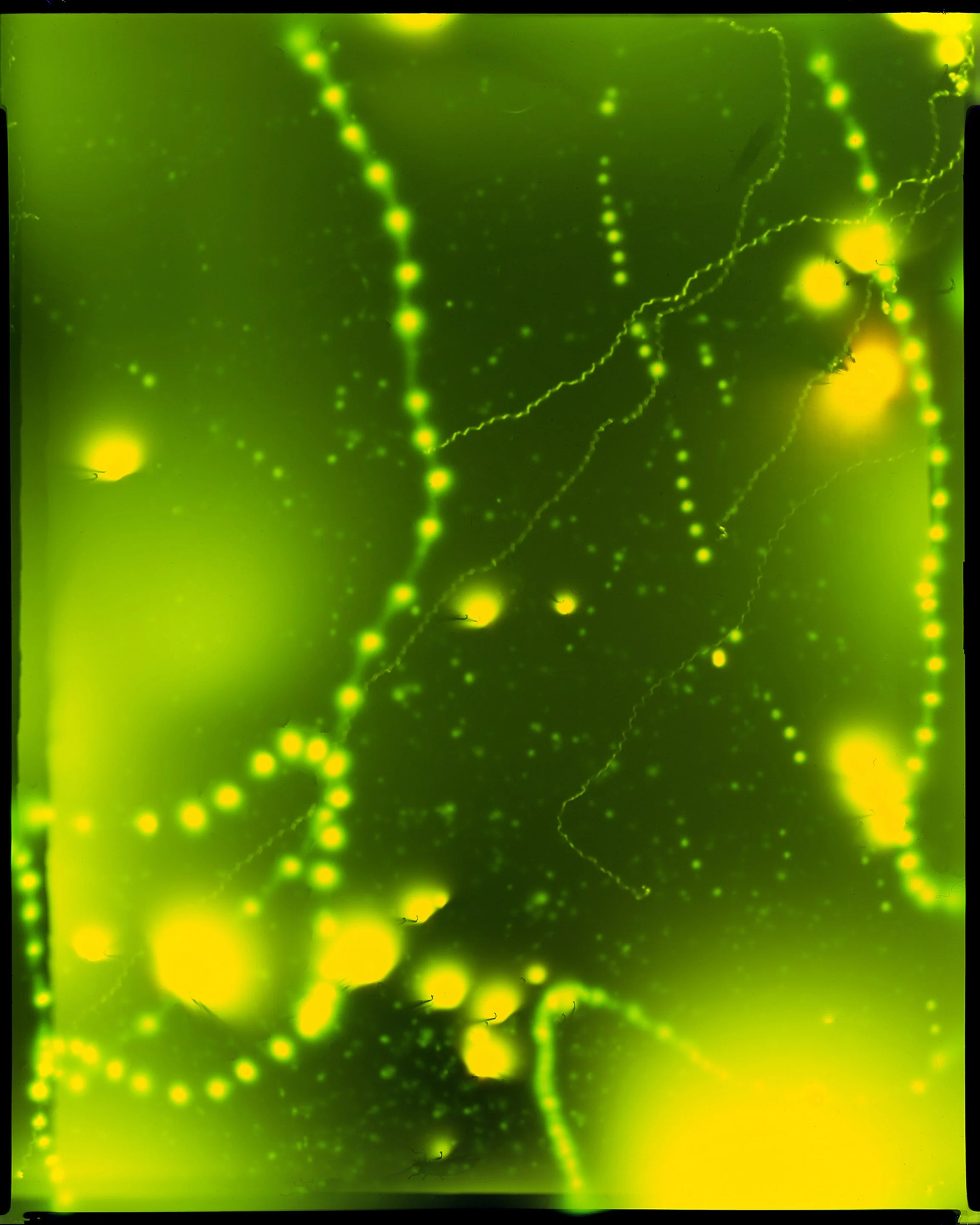
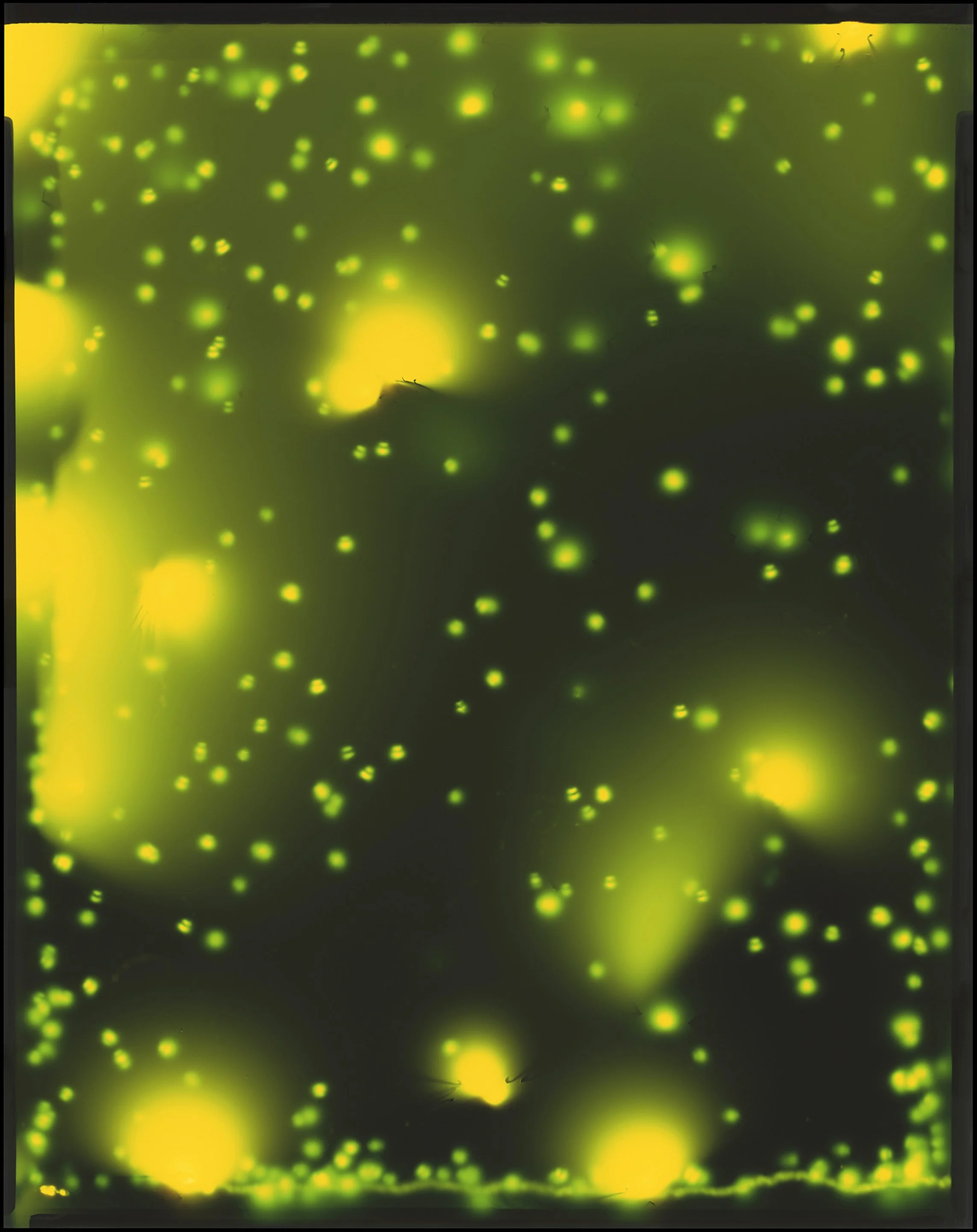
Peter Shellenberger, Radioactive, 1/10, 2019, Color digital prints, 24 x 30 inches, $2,200
I have been catching fireflies and having them expose sheets of film for the past six years. During the summer I decided to let the yard go wild, allowing for fireflies to establish themselves. After just a couple years there are now thousands of fireflies during their mating cycle. When this cycle begins, I use two or three sheets of film and gather fireflies for only a couple nights, trying not to upset them. When the nights work is finished I put them back in the yard in the morning. Unfortunately some fireflies have been killed in the making of these images but that is mostly because of a predator firefly that eats the others. Wherever you see purple along with the firefly light that is radioactivity, combining two independent energy sources in a single image.
-P.S.
Peter Shellenberger is an artist and photographer living and working in Edgecomb, Maine. Peter’s work was recently on view in Seeing What Isn’t There at All Street Gallery in New York. Photographs and films by Shellenberger have been featured in exhibitions at the ICA-MECA&D, Center for Maine Contemporary Art, Space, Concord Art, University of Vermont, University of Southern Maine, and Zero Station. His photographs are in private collections as well as the Judy Glickman Lauder Collection at the Portland Museum of Art.
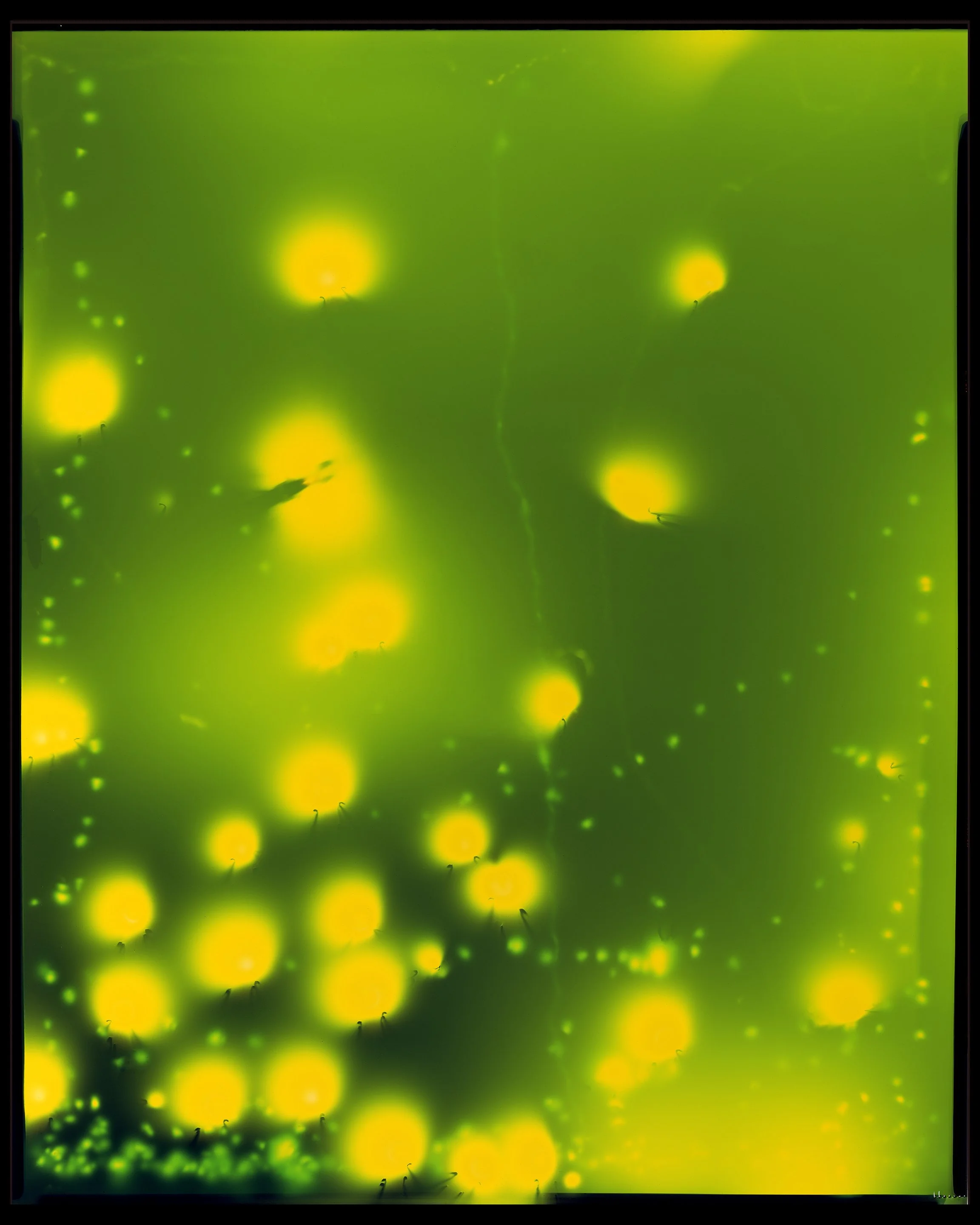
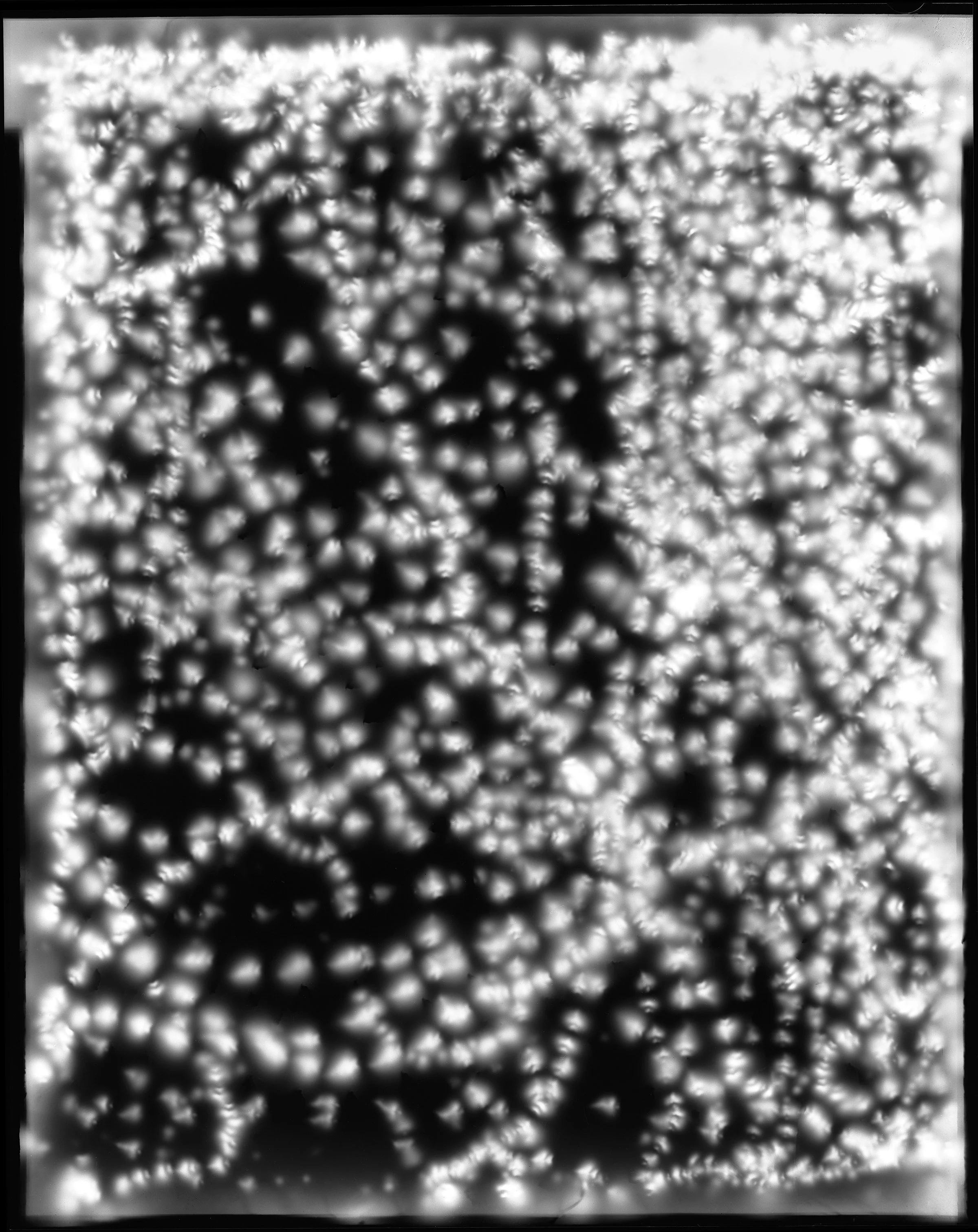
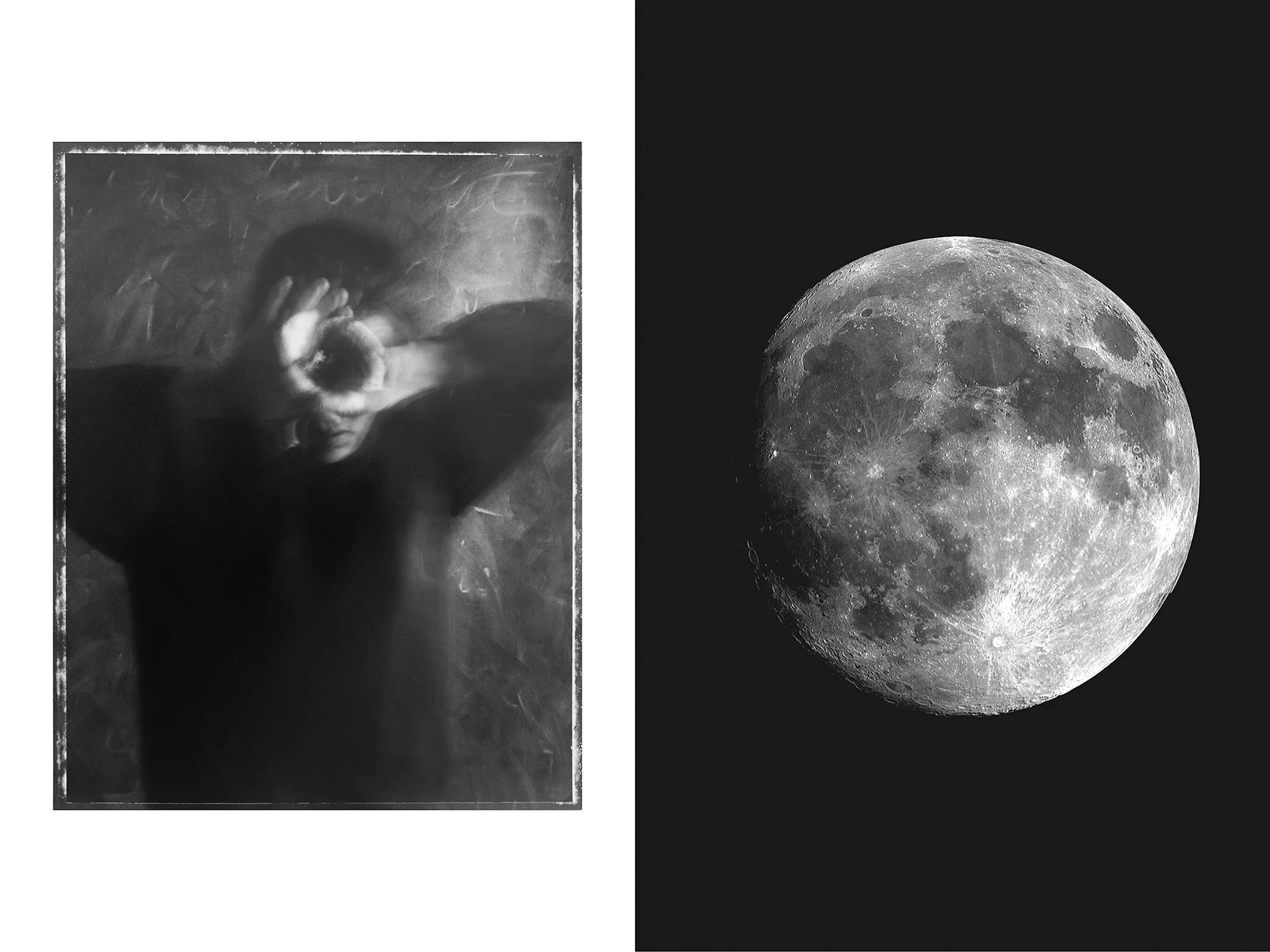
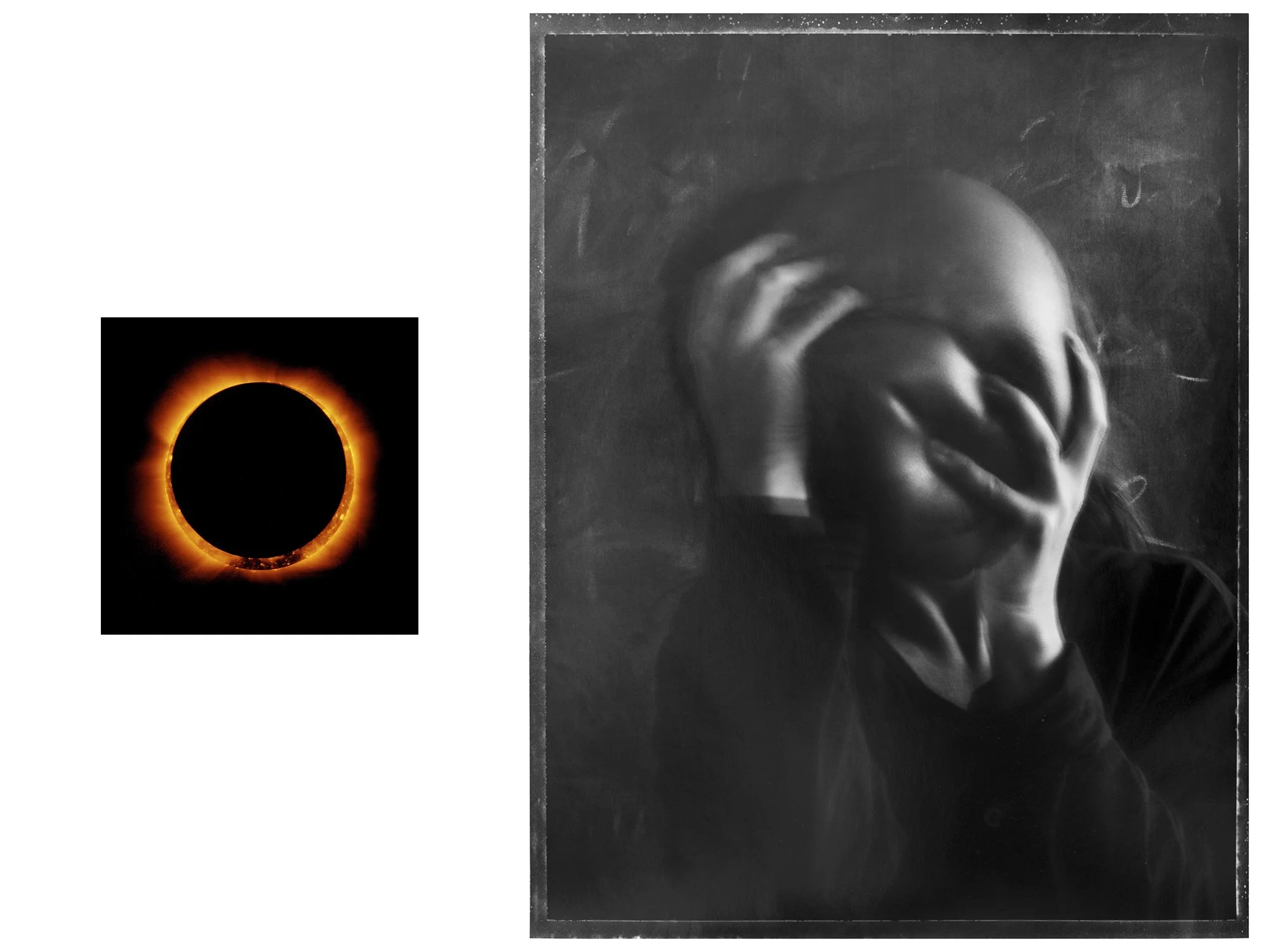
Dark Side of the Moon is a poetic journey exploring connections between inner and outer worlds, reason and emotion, the known and the unknown. Scientifically, the dark, or far, side of the moon is the view we cannot see from Earth. In my recent book of photographs, astronomical images from the far side of the Moon are interwoven with dream self-portraits, and medical imaging of my interior body.
Under the microscope, the body becomes a galaxy. Scientific evidence suggests that the building blocks of life originated in outer space: all four components of DNA and RNA, which encode our genes, have been found in meteorites. These molecules carry the blueprint of who we are. Facts and reason, science and intuition, mystery and emotion revolve around an interconnected axis of knowing. This work calls for deeper connections to other realities and to ourselves. Across all of my work—photographs, projects, exhibitions, books, and temporary architectures—I return to the same questions: How do we shape, moment to moment, our understanding of the world? What falls away when we cross borders—geographic, cultural, psychological—and remain long enough to be changed? My work does not seek conclusions. It creates conditions for attention, where the everyday becomes strange, the unknown is held rather than explained, and new ways of seeing can quietly emerge. -M.B.
Marianne Bernstein is an artist and independent curator. Dark Side of the Moon, published in 2026, is her third book of photographs, following Theatre of the Everyday (2024), an artist's book spanning 40 years that explores the poetics of everyday life, and Tatted (2009), an exploration of South Street, Philadelphia’s tattoo community. Her photographs have been exhibited both nationally and internationally.
Dark Side of the Moon Book
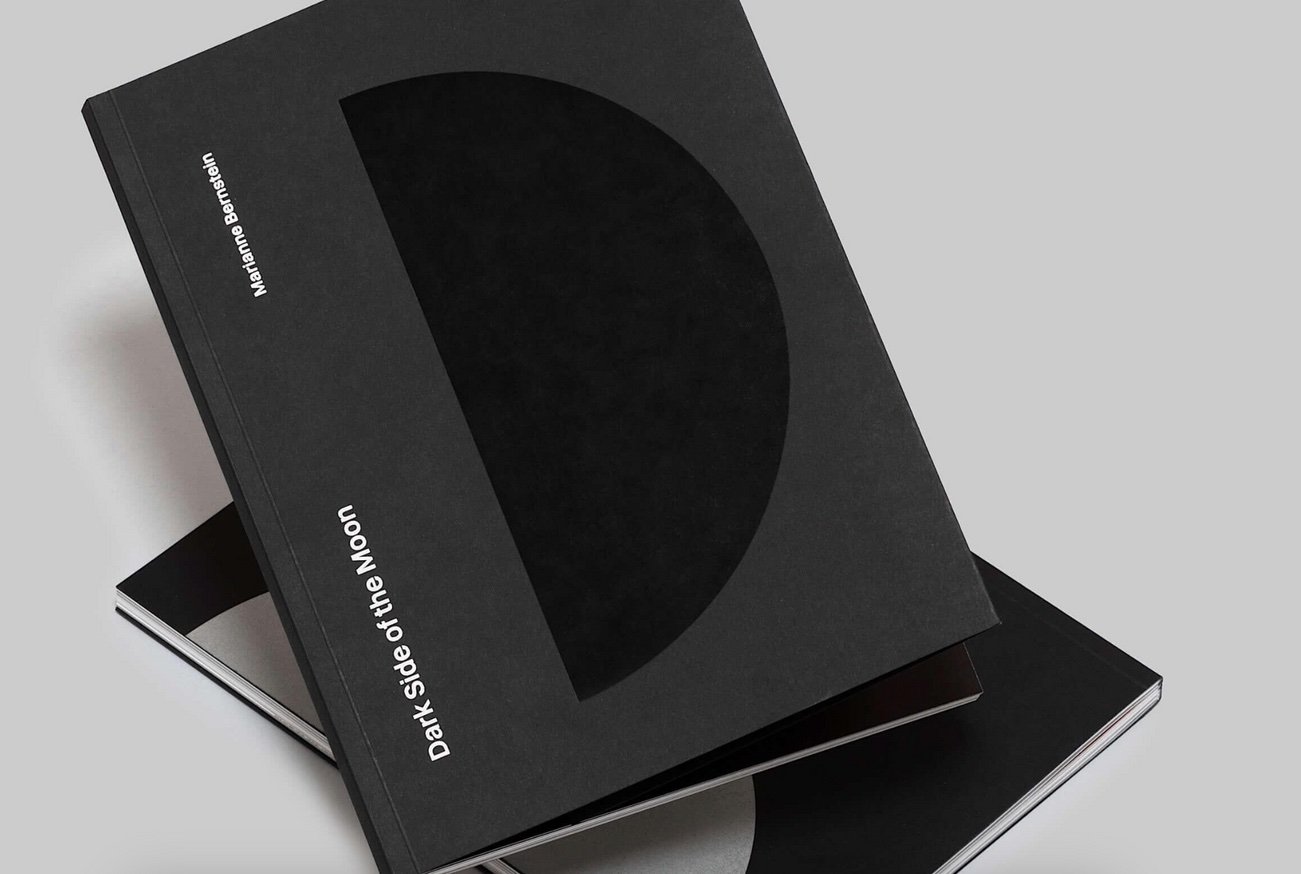
Marianne Bernstein, Dark Side of the Moon, 1/300, 2026, Paperback glue bound sewn bound, Offset printed, 9.5 × 7.3 inches, $50.00
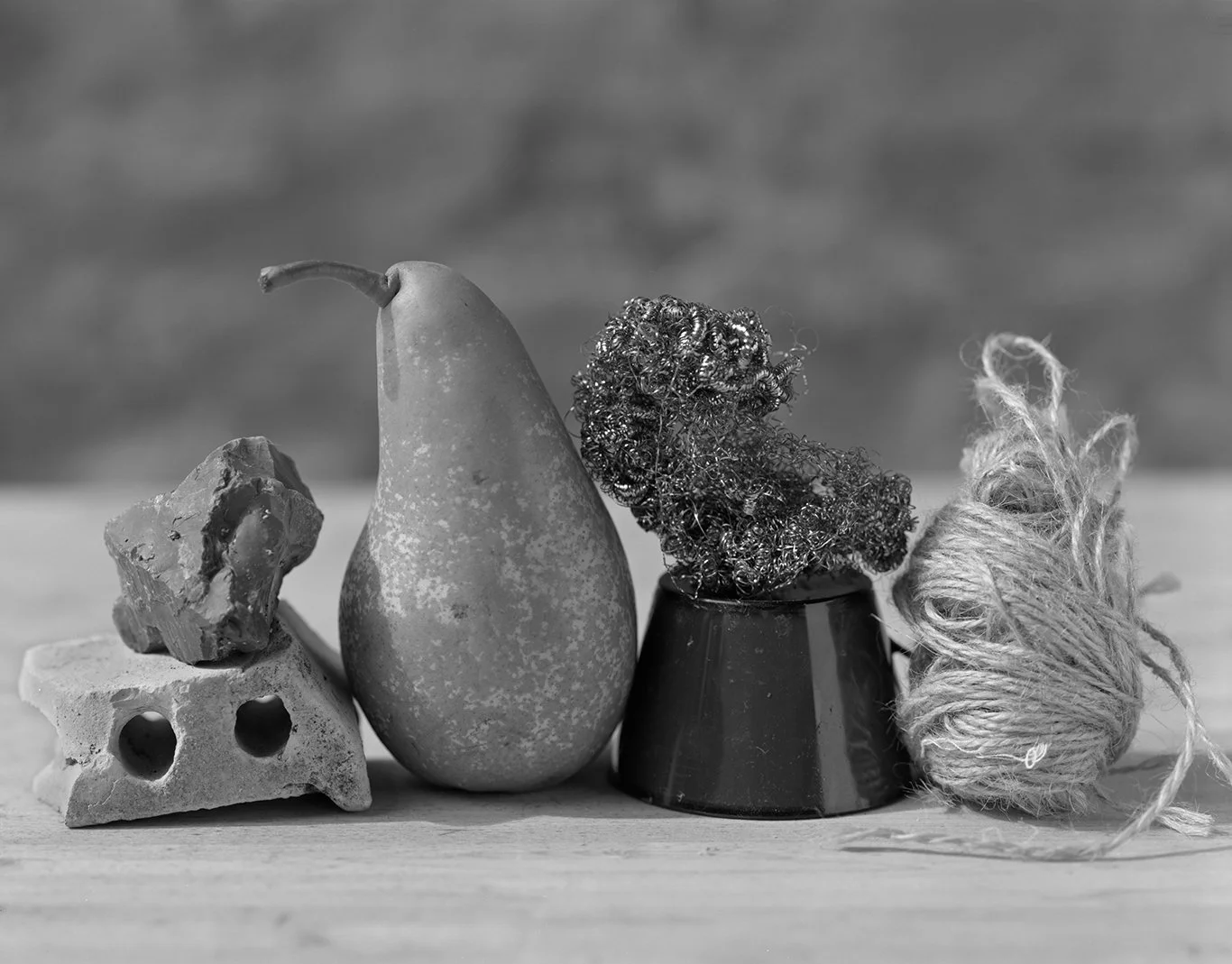
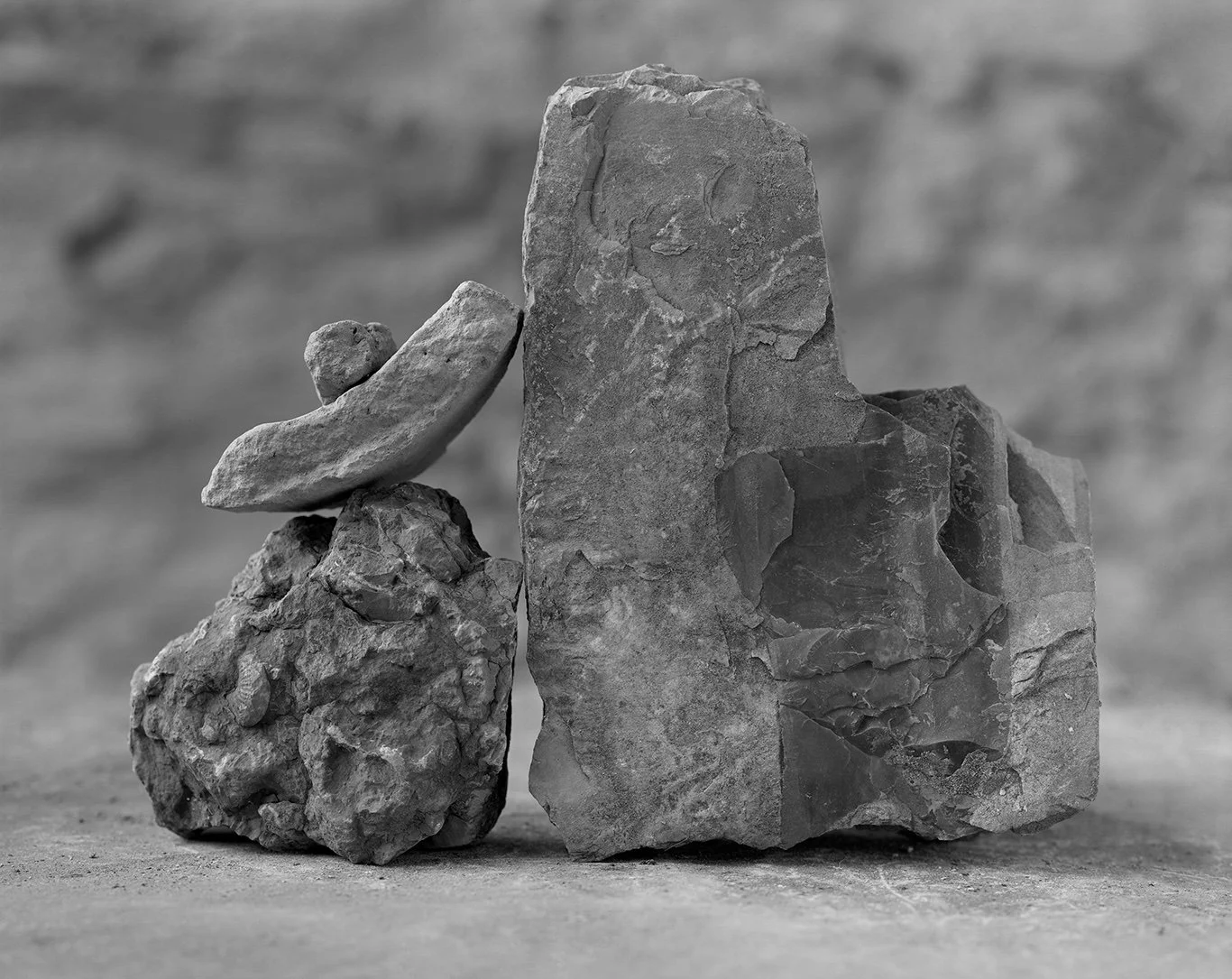
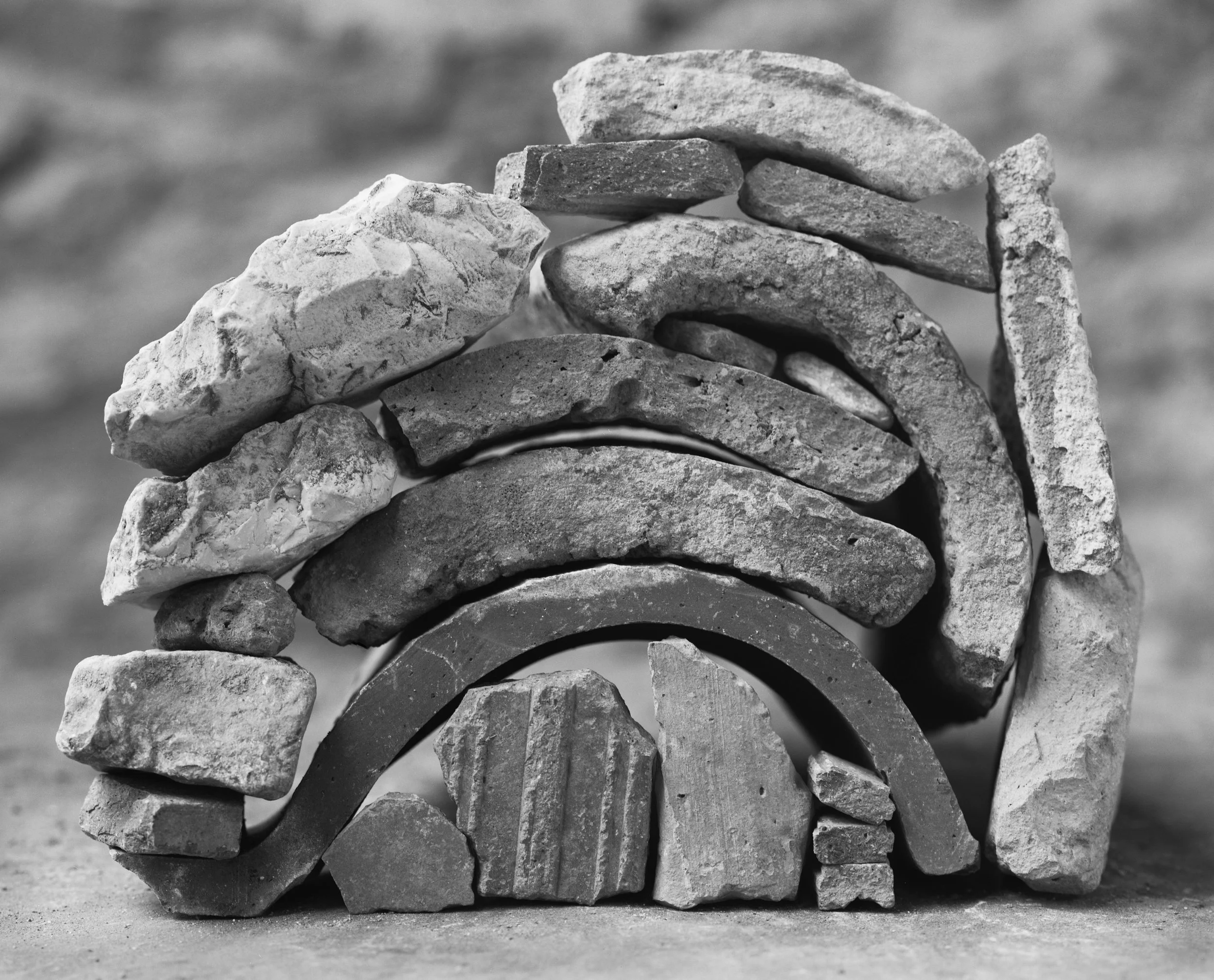
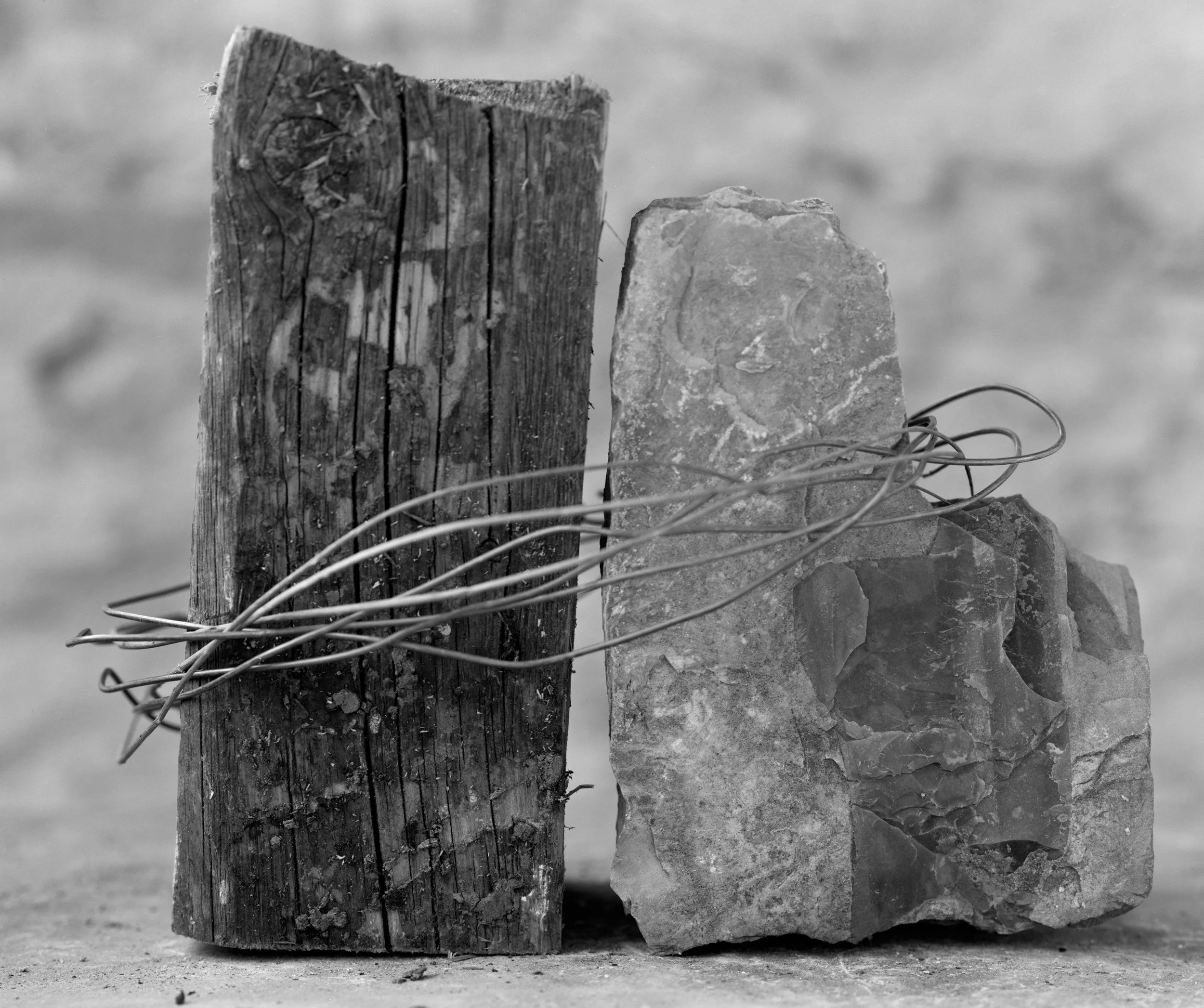
Gary Green, Untitled #1, from After Morandi, 1/5, 2014/2026, Medium archival pigment print from original film negative, 22 x 17 inches Framed, $1,200
After Morandi—a visual conversation with the work of the Italian modernist painter Giorgio Morandi—was published in 2016 by L’Artiere Edizioni in Bologna, and was featured at both the New York Art Book Fair and Paris Photo. When Midnight Comes Around, published in May 2020 by Stanley/Barker, contains a selection of work he made in New York City in the 1970s and ‘80s of the downtown music and art scene, and The River is Moving / The Blackbird Must be Flying, a photobook of new landscape work, will be released by L’Artiere in late Summer 2020. Green is currently at work on a series of photographs of Long Island, where he was raised.
Gary Green is a Professor of Art at Colby College, where he has taught photography since 2007. He received his MFA from the Milton Avery Graduate School of the Arts at Bard College. Green’s work is held in many collections including those of The RISD Museum in Providence, Rhode Island; the Portland Art Museum, Portland, Oregon; The Amon Carter Museum, Fort Worth, TX; and in Maine at the Portland Museum of Art, and Bowdoin, Bates, and Colby college’s museums of art.
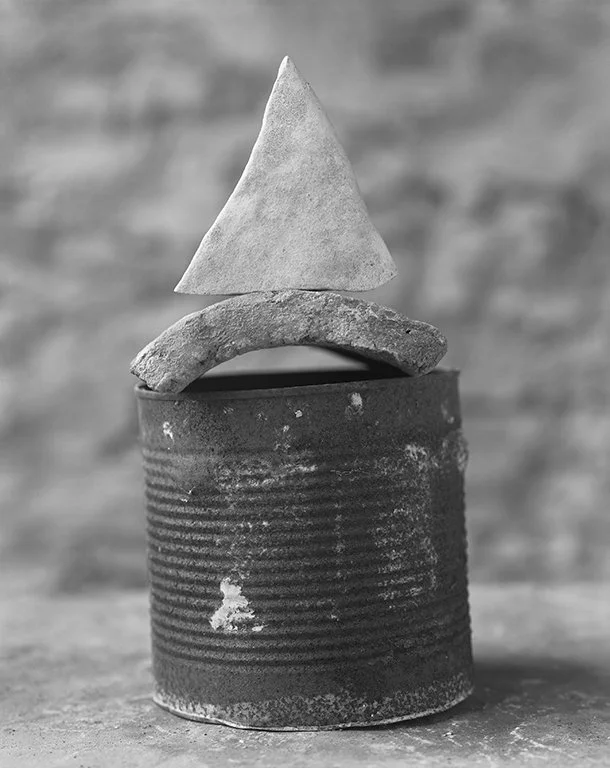
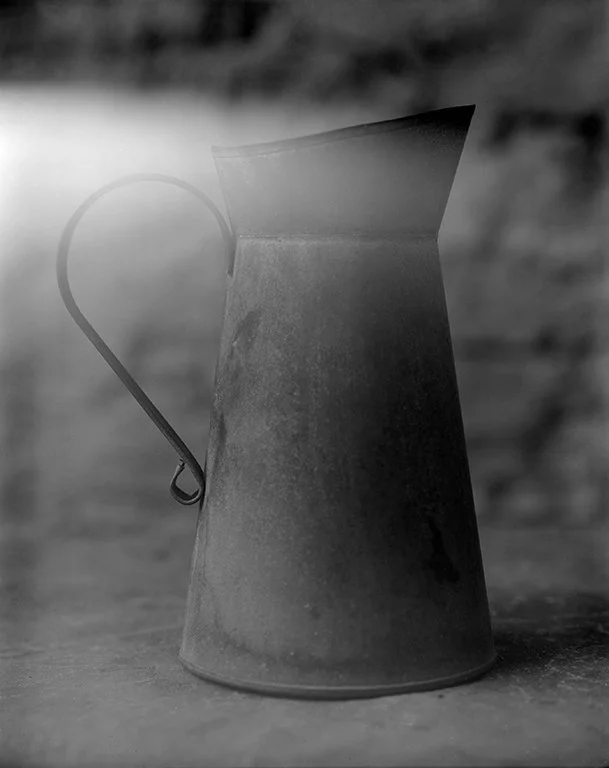
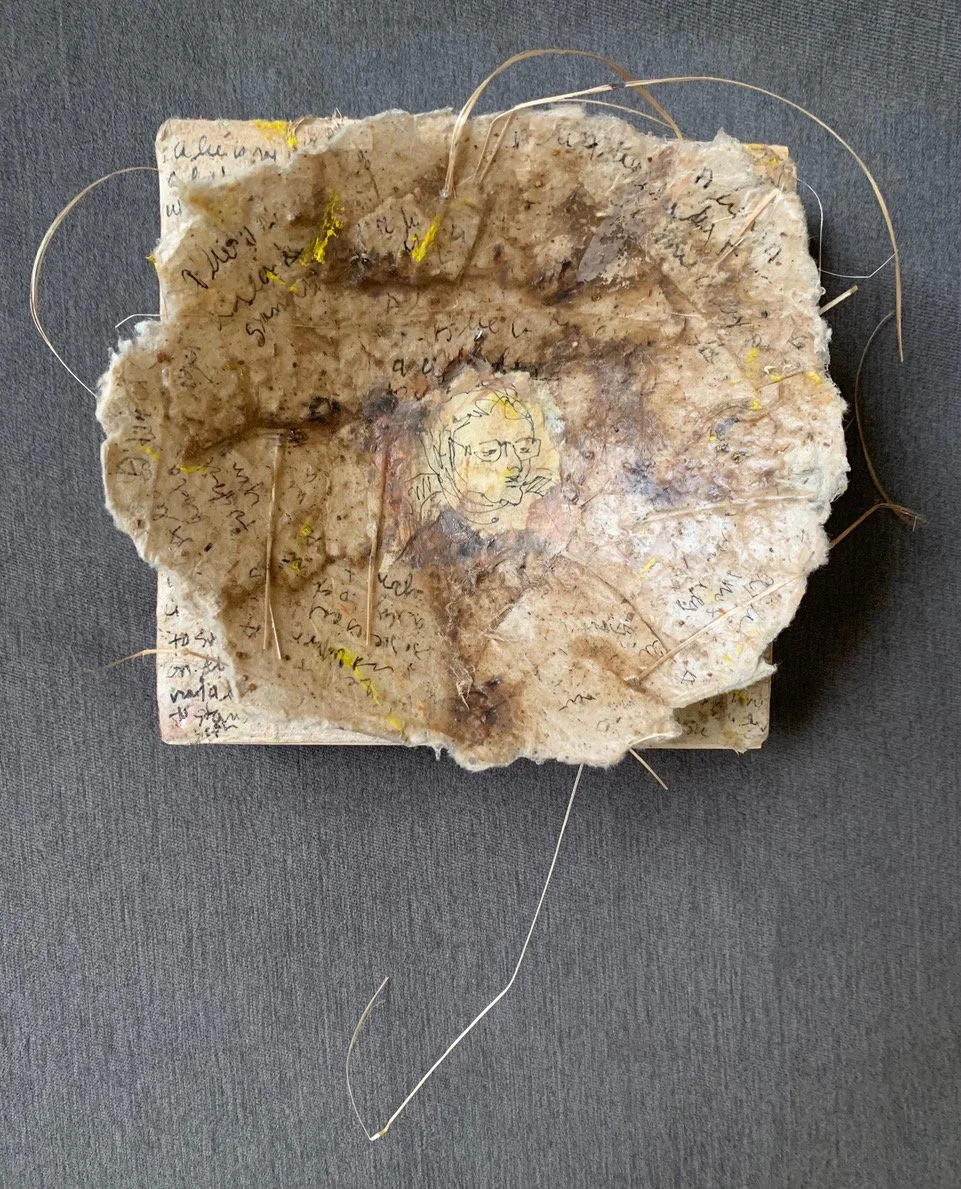
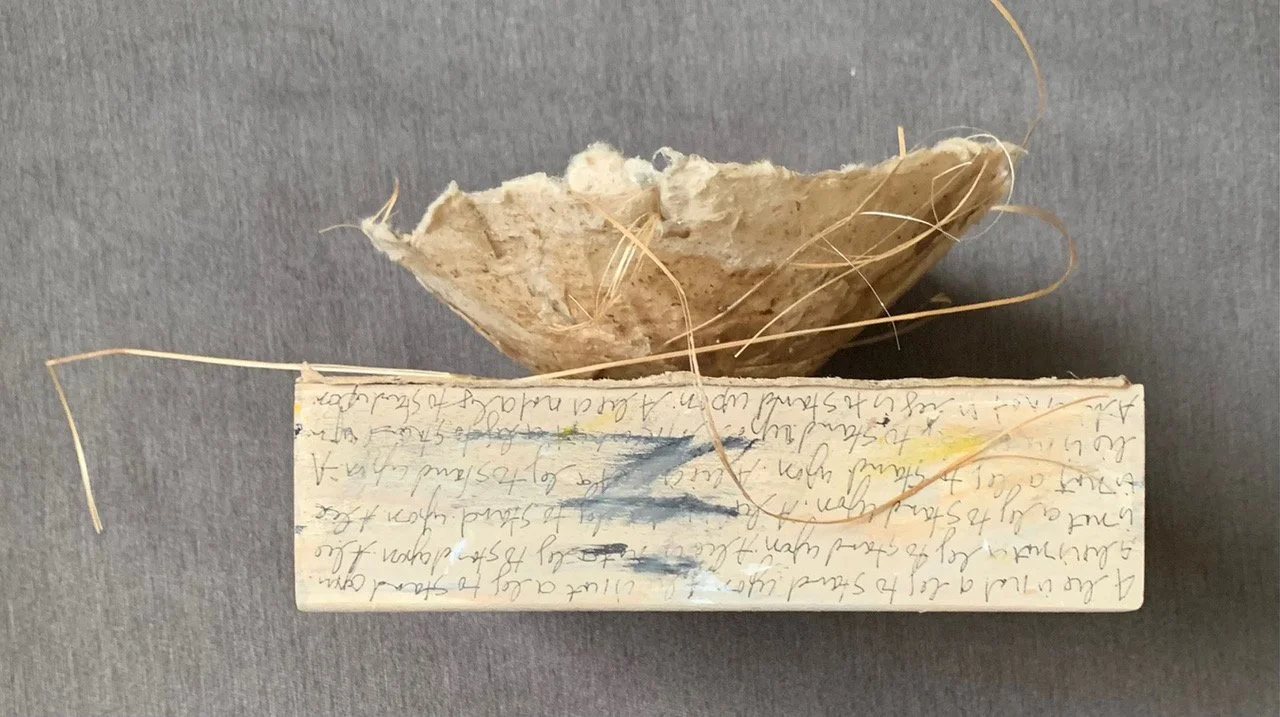
I have always been interested in the mystery of human behavior, how and why people do what they do to try to understand life, and what they (we) do to try to control the uncontrollable. From peoples earliest beginnings, from cave paintings to today, magic, religion, spirituality, art and alchemy have played a major part.
The original Babylonian magic bowls date from the 5th to the 8th century CE and were inscribed with spells to ward off demons, some even had eggshells embedded in the clay. My bowls are made with paper mache, eggshells in some, wood, photography and other contemporary materials. The inscriptions in each bowl are borrowed from the Talmud, proverbs that have lived on through the ages and have become part of every day Western European thought. It is my contention that in our world today, we need all the help we can get.
-J.E.Weinstein
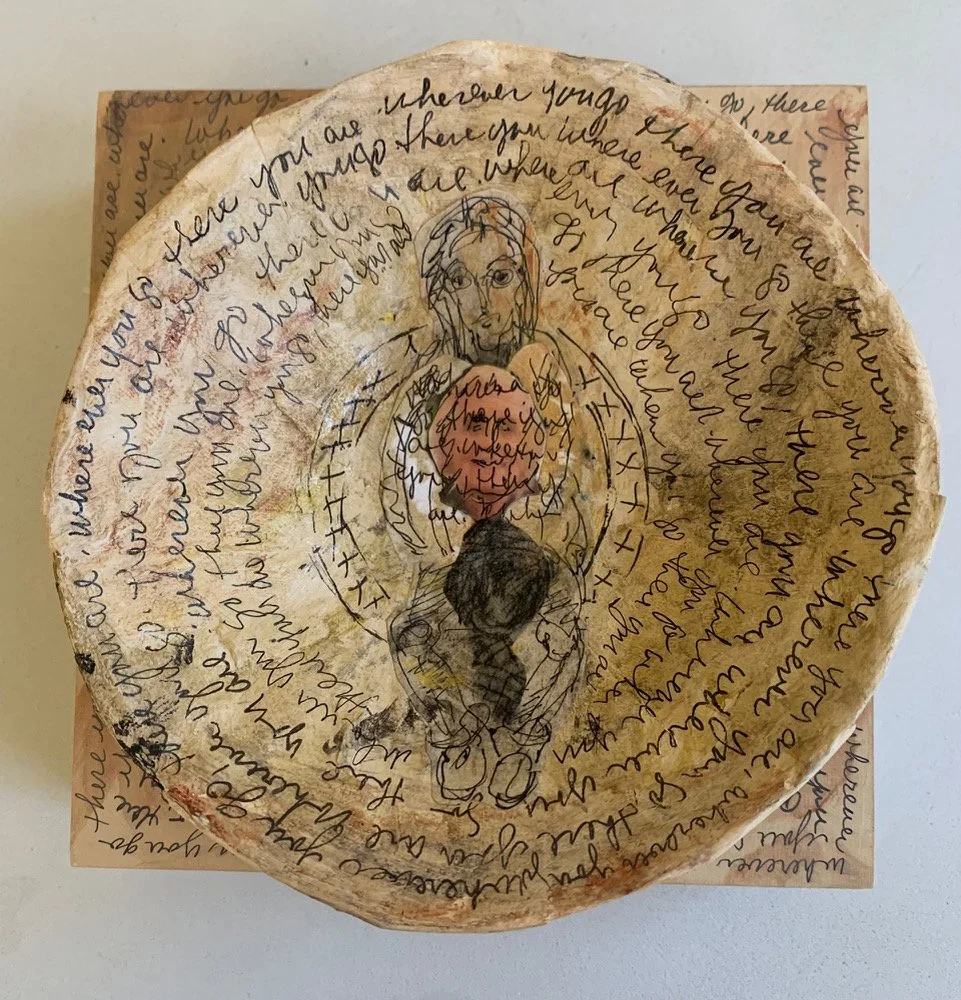
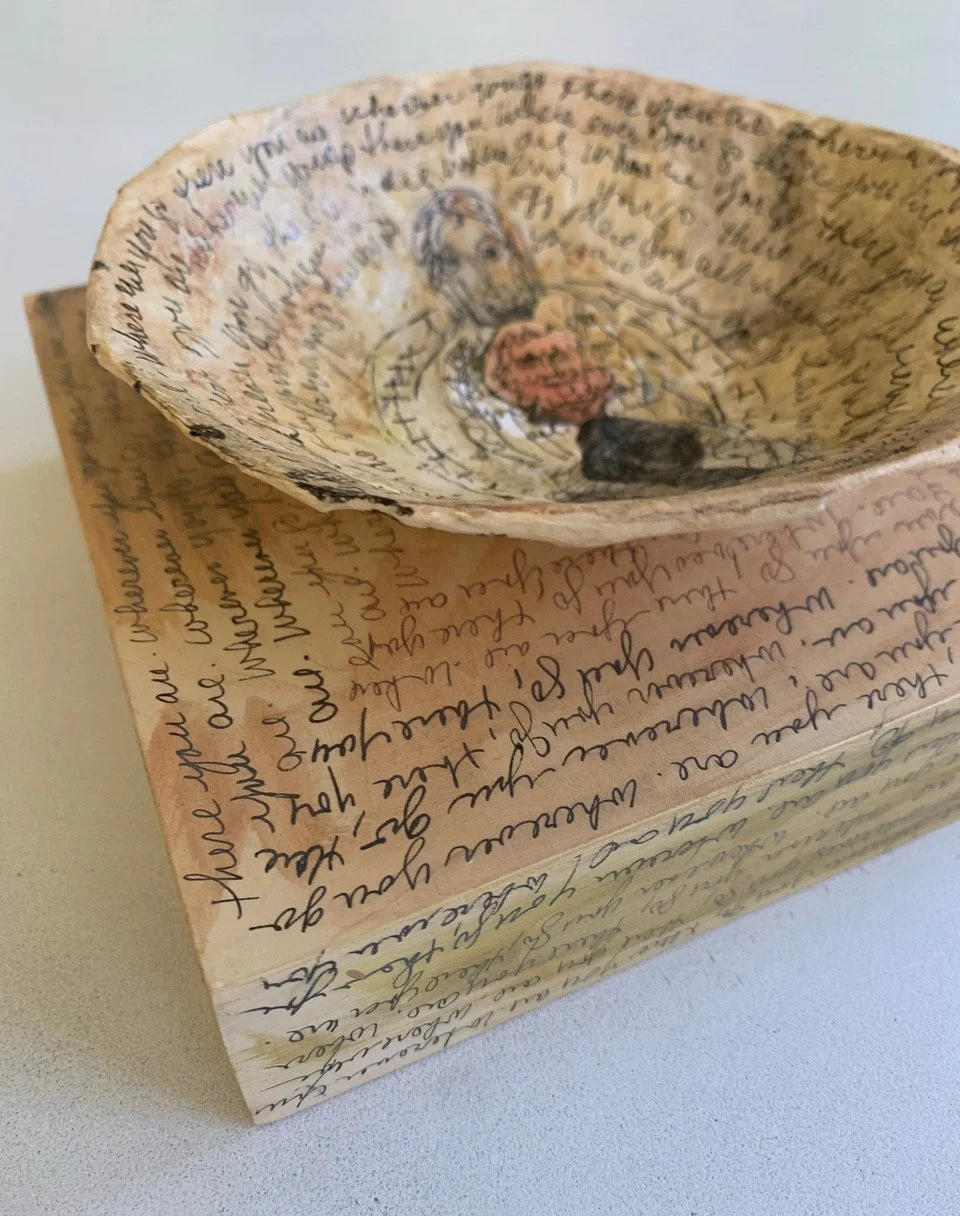
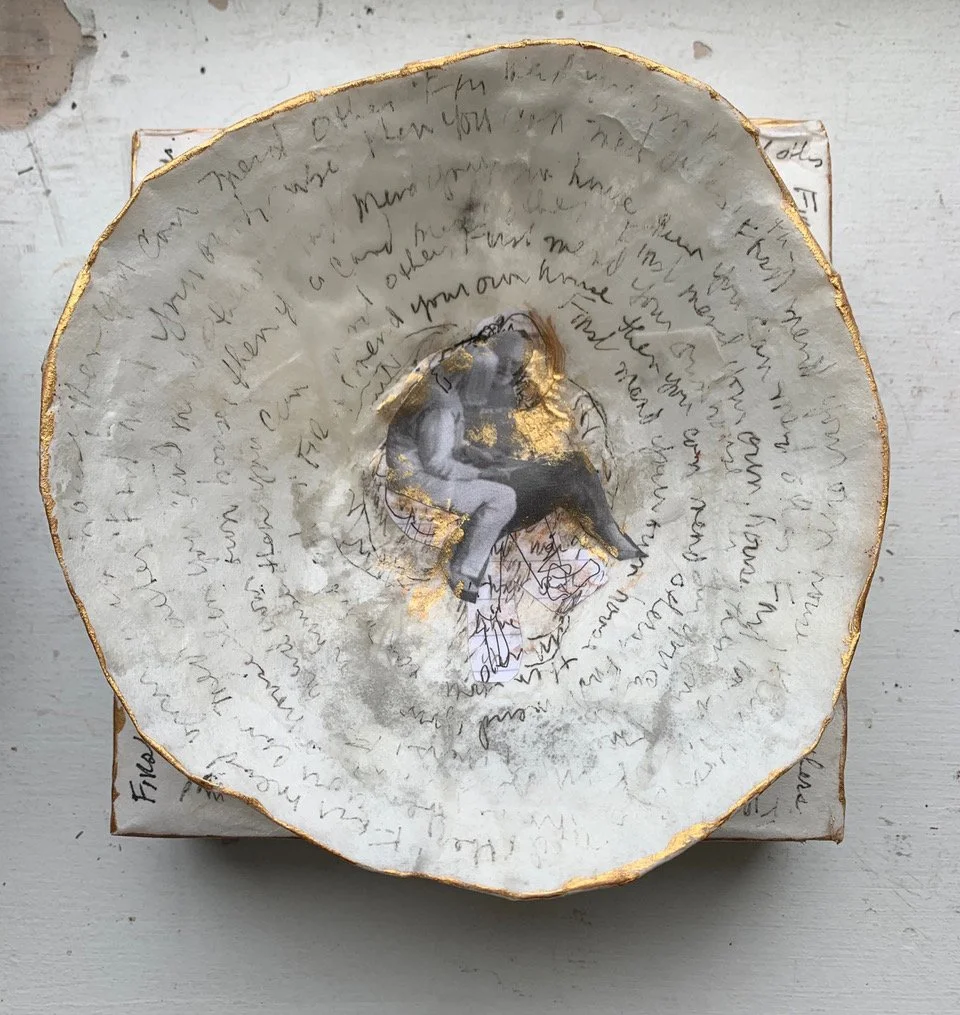
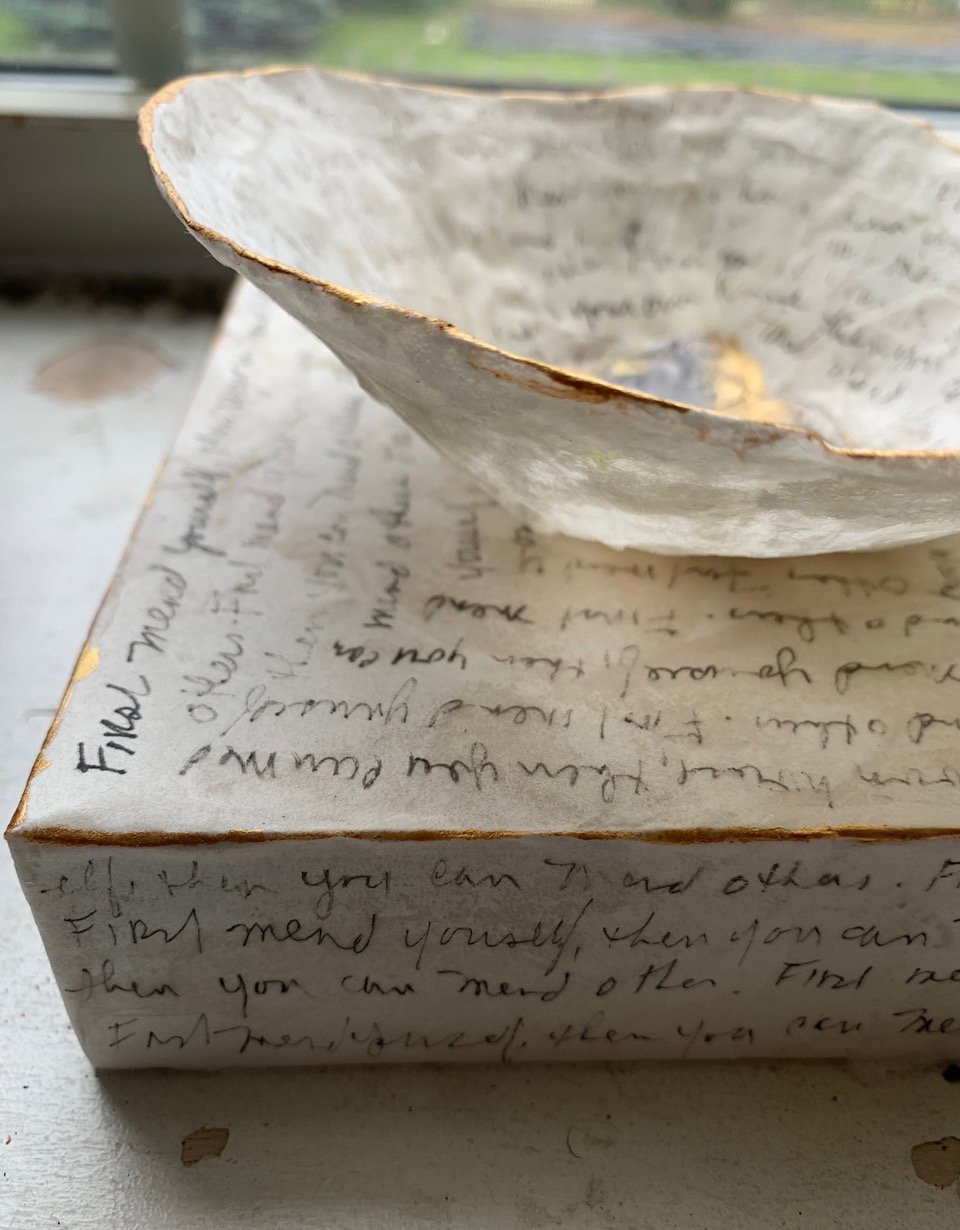
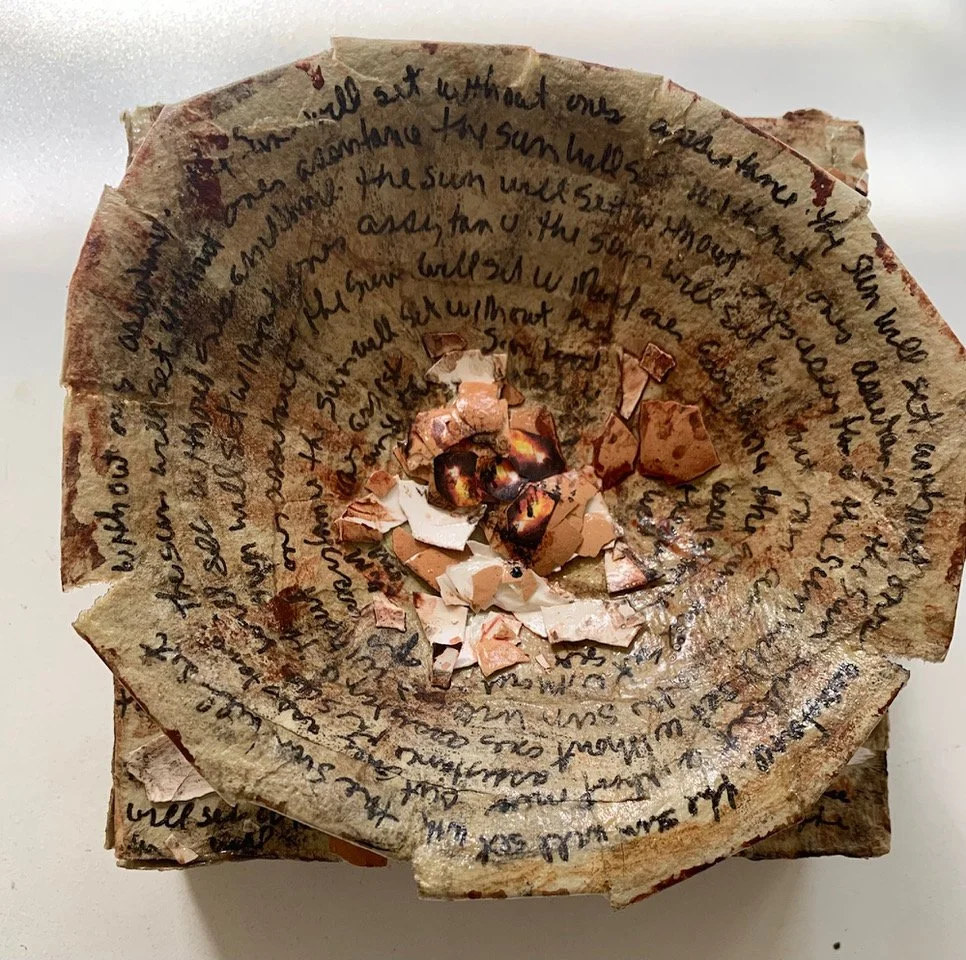
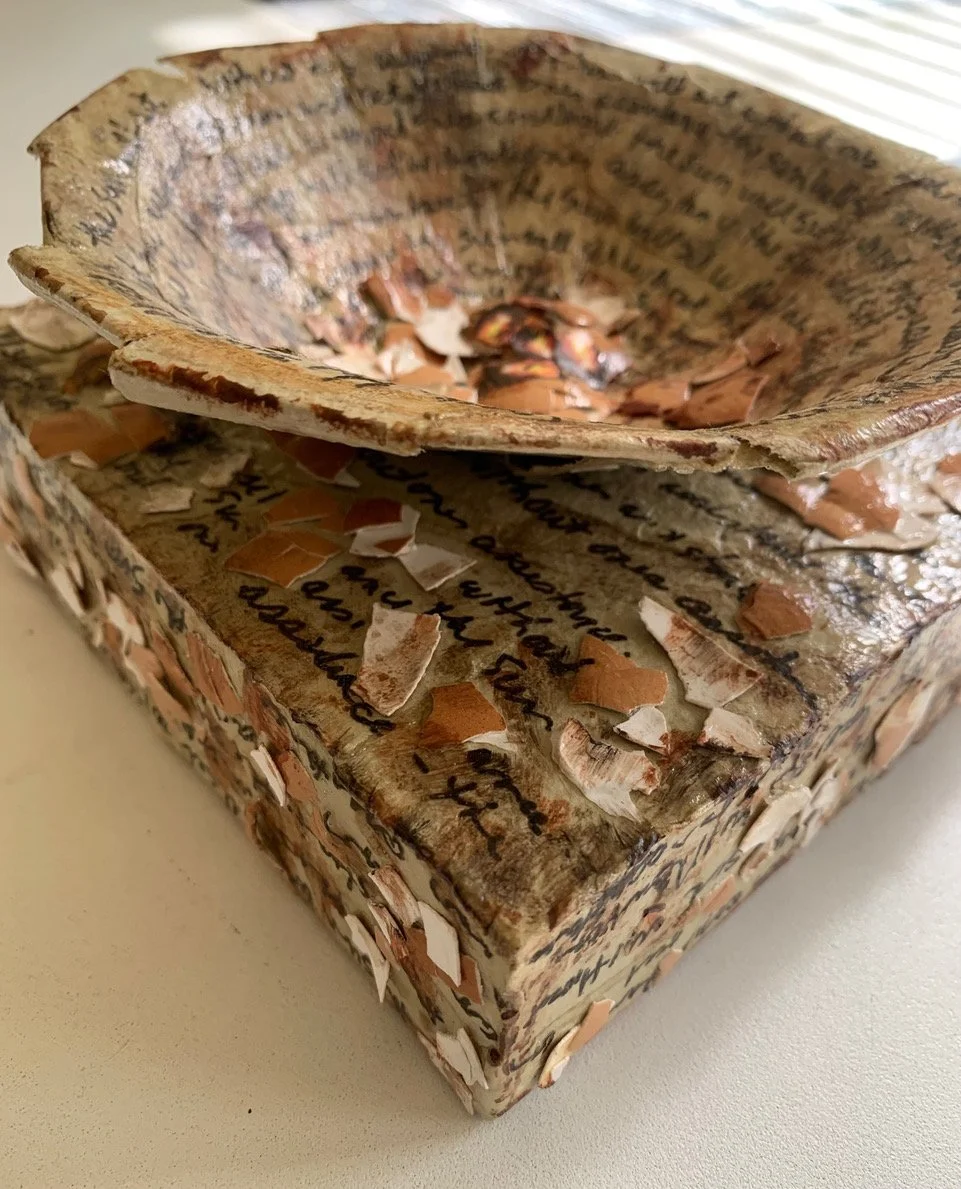
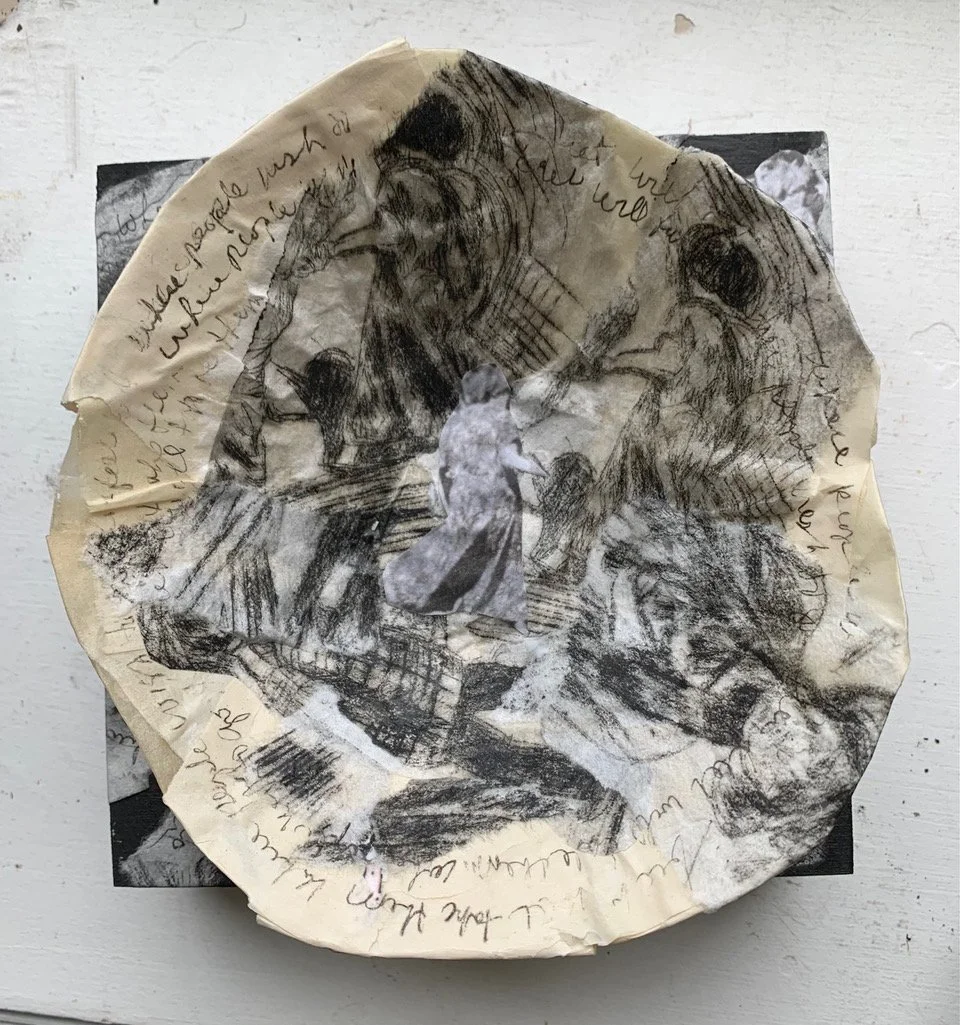

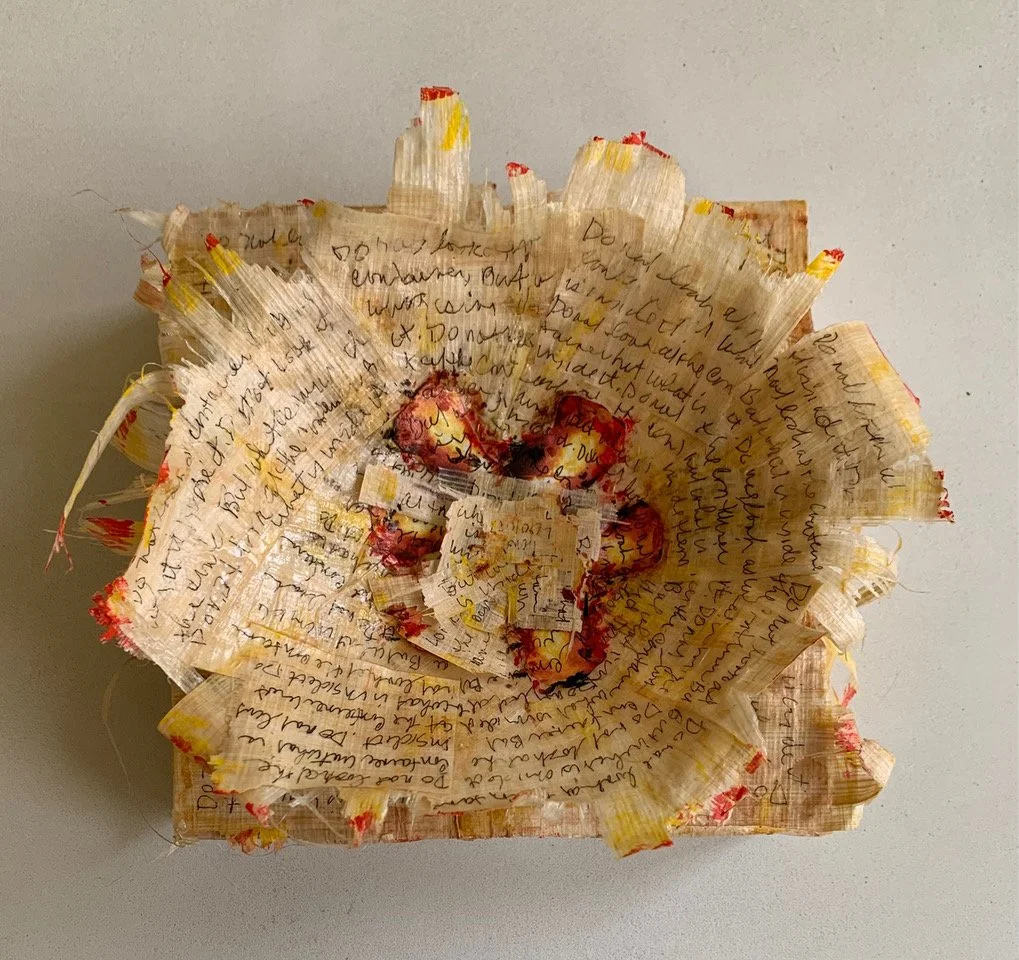

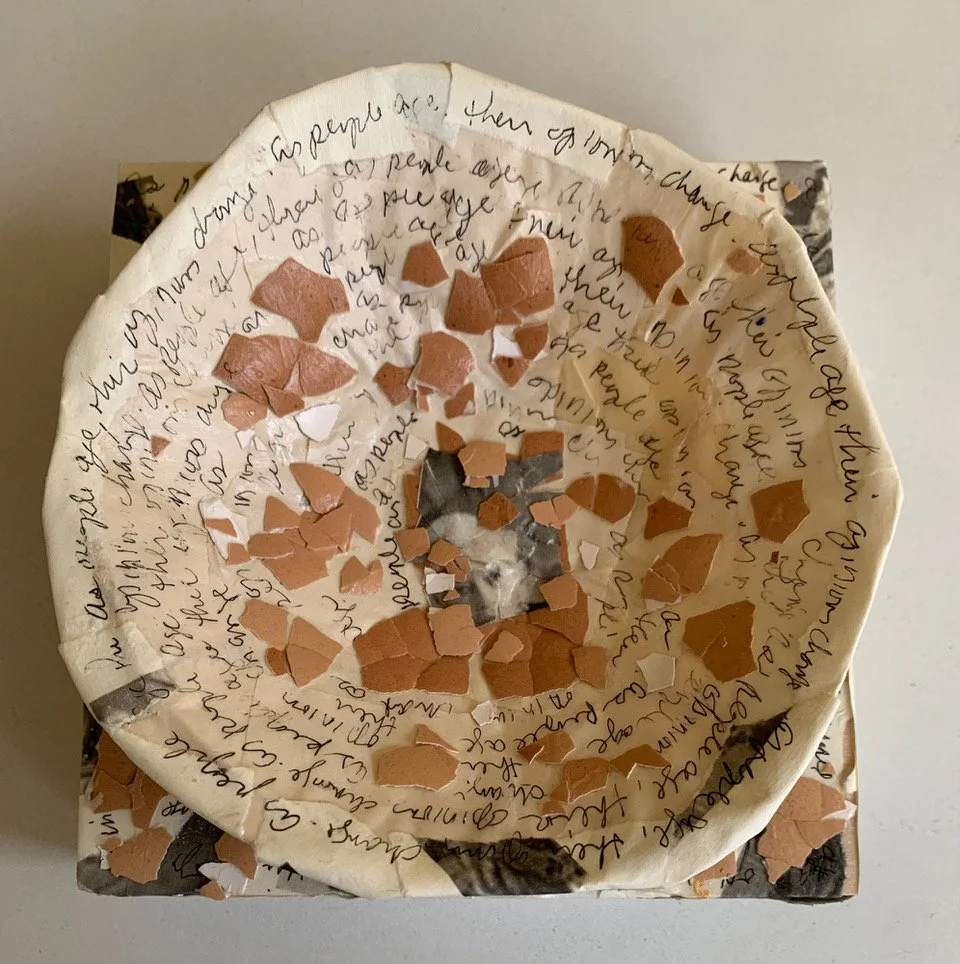
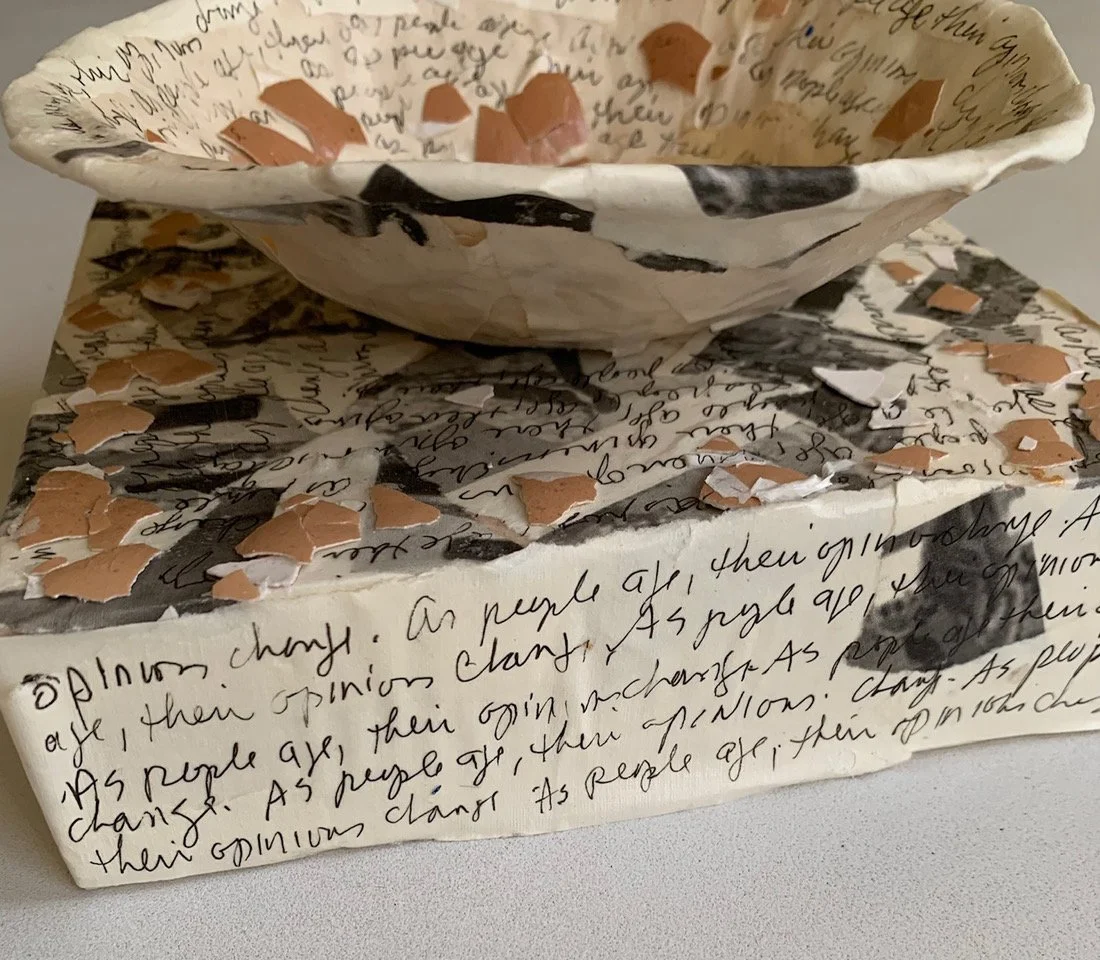

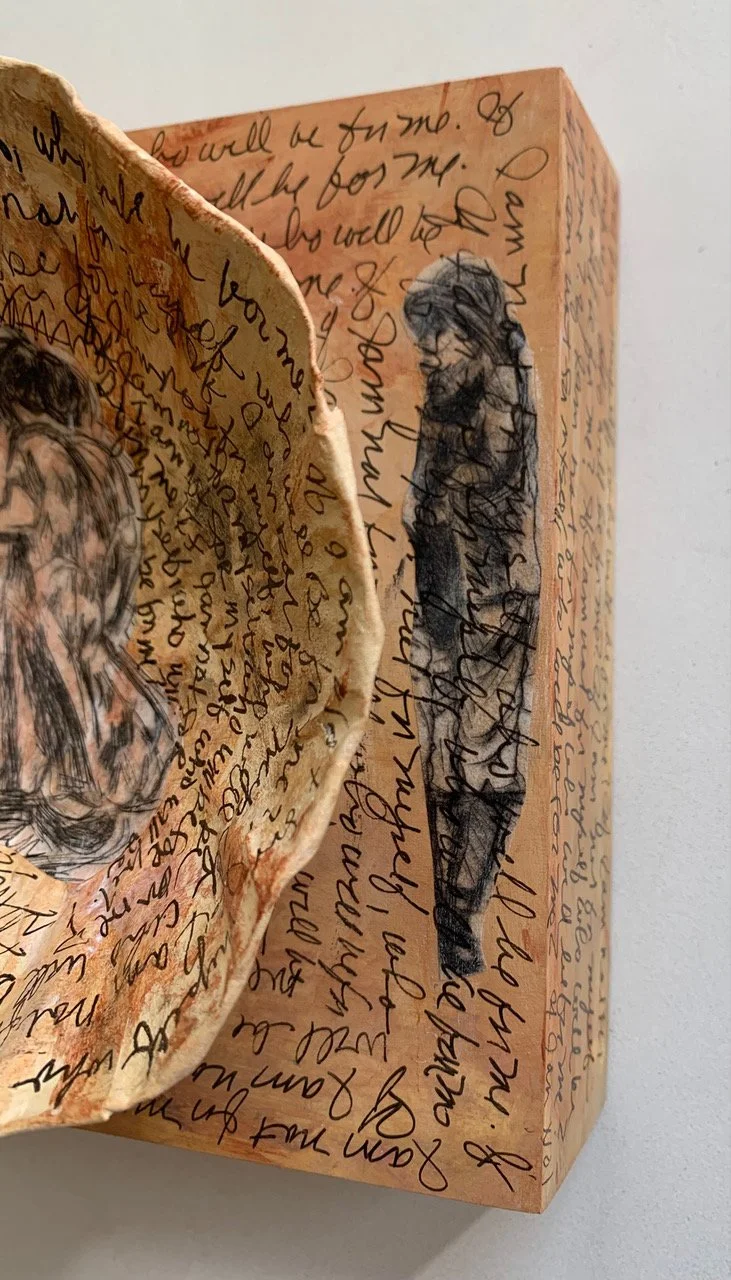
I am primarily a figurative painter. My interest has always been in people, who they are, how they behave, and what they look like. However, after relocating to Maine from NYC a number of years ago, the majestic beauty of Maine, its landscape and coastline overwhelmed me. Viewing and living within this beauty opened up a new world for me. I couldn’t help myself and produced a series of seascape and coastline paintings and prints observing the amazing beauty and overwhelming experience of being in raw nature. Now my goal is to incorporate my love of figures and the love of nature into the work - J.E.Weinstein
The works of Joyce Ellen Weinstein are concerned with the understanding of human relationships, beginning with ourselves and extending outward to include family, community, ethnicity, and nationality. Although at first glance the works of Joyce Ellen Weinstein appear disparate, after closer examination one can find her inspiration in the personal and emotional, as well as the interaction developed through self, family, and community - all of which are parts making up the whole of her unified body of work. Her works do not sentimentalize, but speak of the human measure and human condition. The works of Joyce Ellen Weinstein ask the universal question: "who am I and where am I going?"
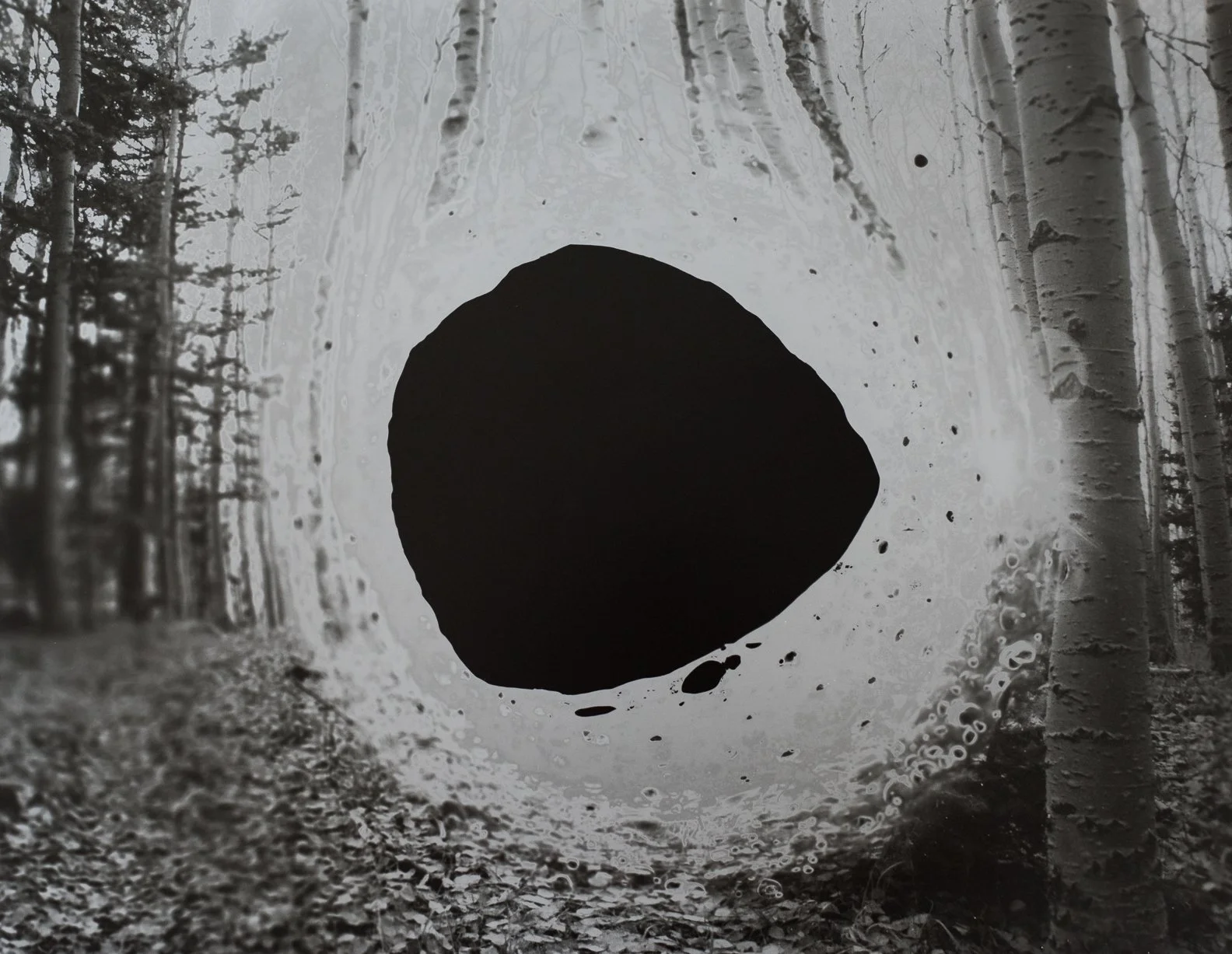
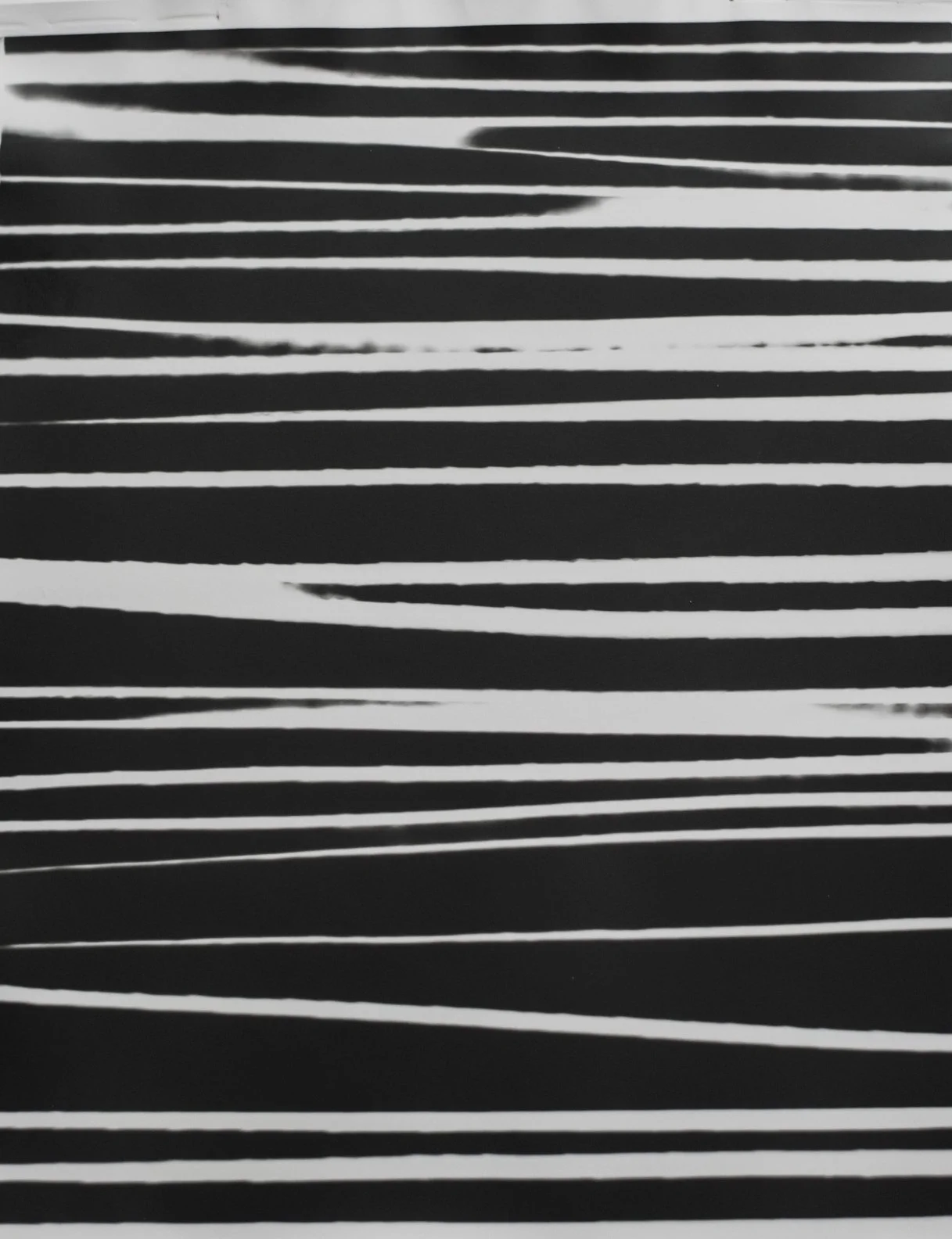
Brendan Bullock, No 12, 2026, unique silver solarized gelatin print, 16 x 20 inches, $2,000
I’ve embarked upon a new series of work that is camera-less and relies upon an enlarger’s lens to act as a magnifier. The prints have been created by manipulating materials in order to create interesting projections by the enlarger. I have been melting and cutting both exposed and unexposed film. I have created ‘negatives’ using organic material sandwiched between glass plates, or between layers of clear packing tape. These experiments are exciting and ongoing.
All of these works stem from a desire to find forms that are eternal and universal – the circles and various orbs suggest creation, destruction, portals – the magnification of the images and use of organic materials such as roots and pine needles suggests scientific method and/or microscopic views – some of the line work that involves horizontals takes inspiration from an Agnes Martin-esque aesthetic, but using organic elements, creates lines that are not all straight or horizontal – but rather bend and curve.
Chemical elements, heat, and light are the star stuff that was spewed out into space when our universe was created – and so too they create these objects now. Watching the way photographic materials reacts to heat, light, and chemistry is to watch the same forces at work. Some of these close-up details of melted film resemble star clusters or black holes, and the prints themselves are composed of bits of carbon and silver that originated from those first moments of creation.
- B.B.
After over a decade of work in the fine art gallery world, and a number of formative years studying and teaching at the Maine Media Workshops in Rockport, ME, Brendan currently works summers as a freelance documentary and portrait photographer, and spends winters working in the darkroom, experimenting with 19th and 20th century chemistry practices, and often combining these with 21 st century digital negatives. His work appears in a number of notable personal collections, as well as the permanent collections of the Portland Museum of Art and the University of New England.
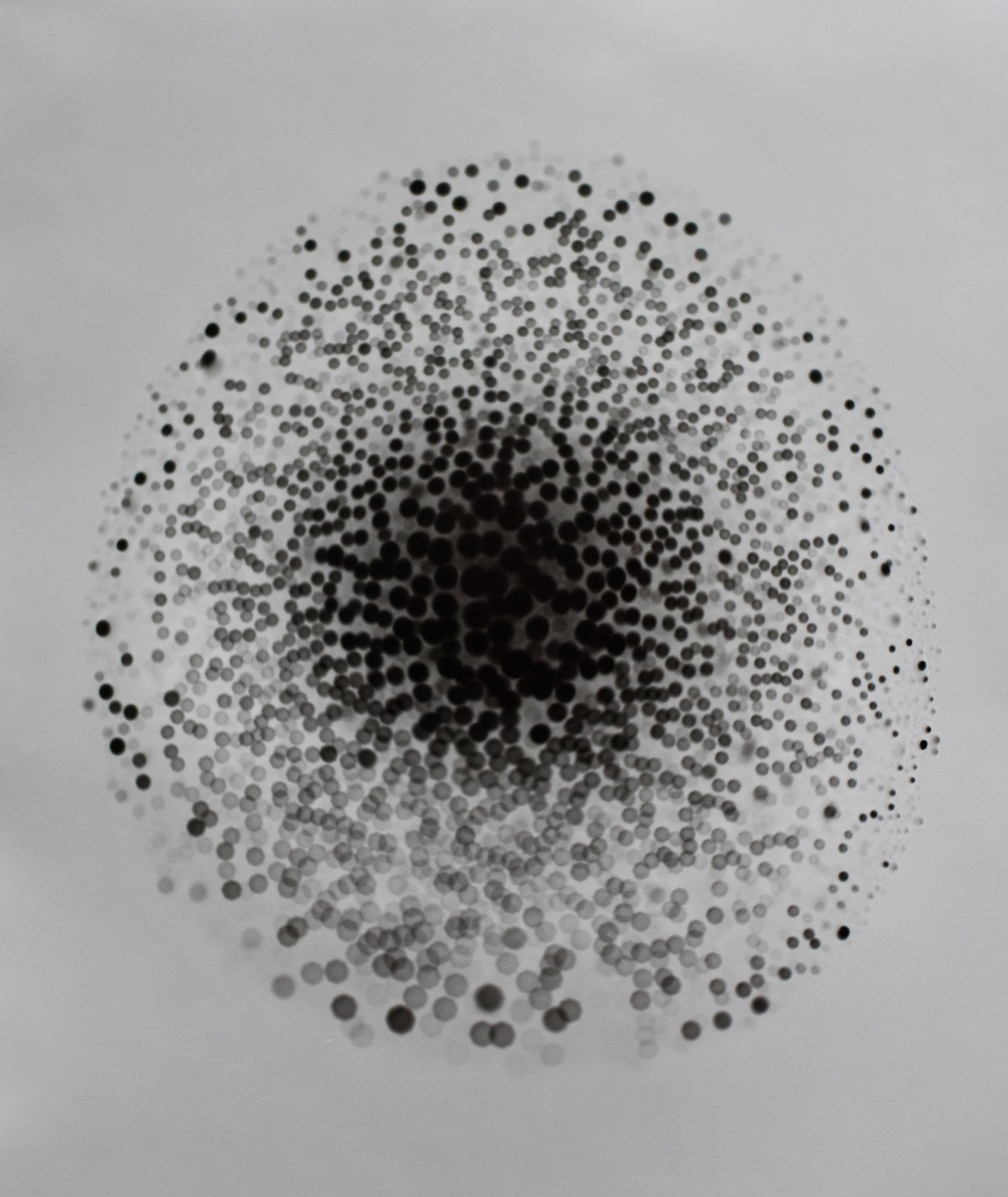
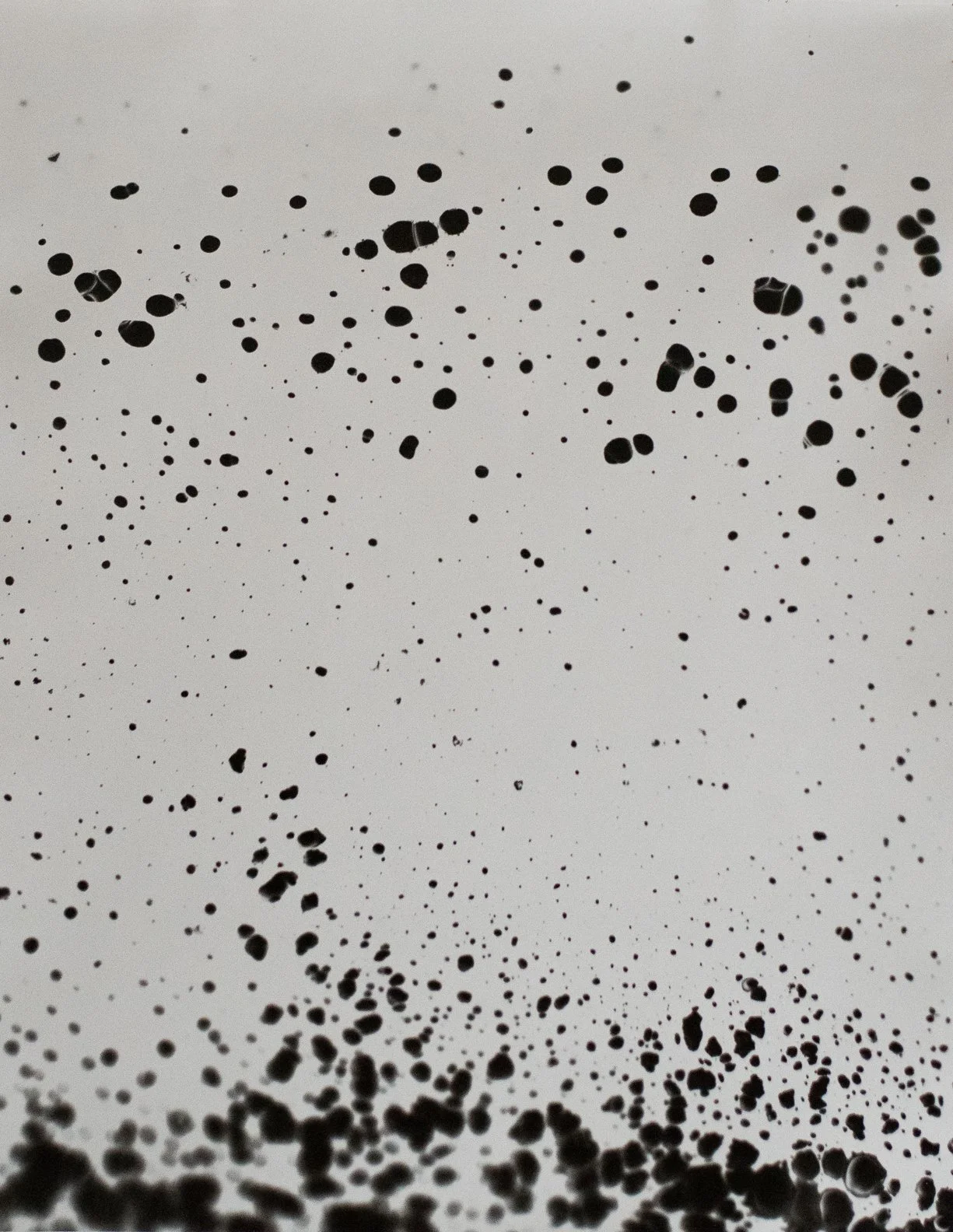
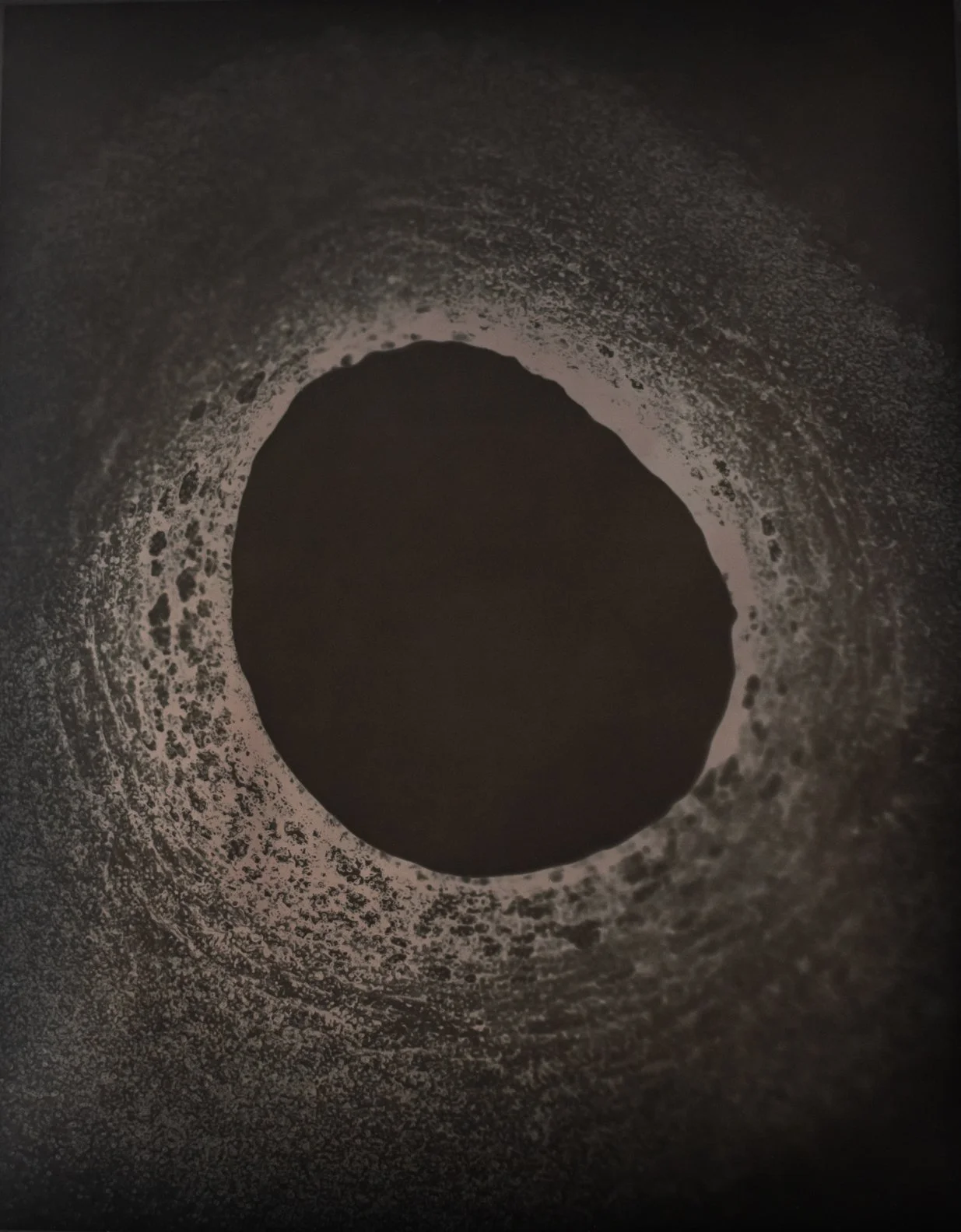
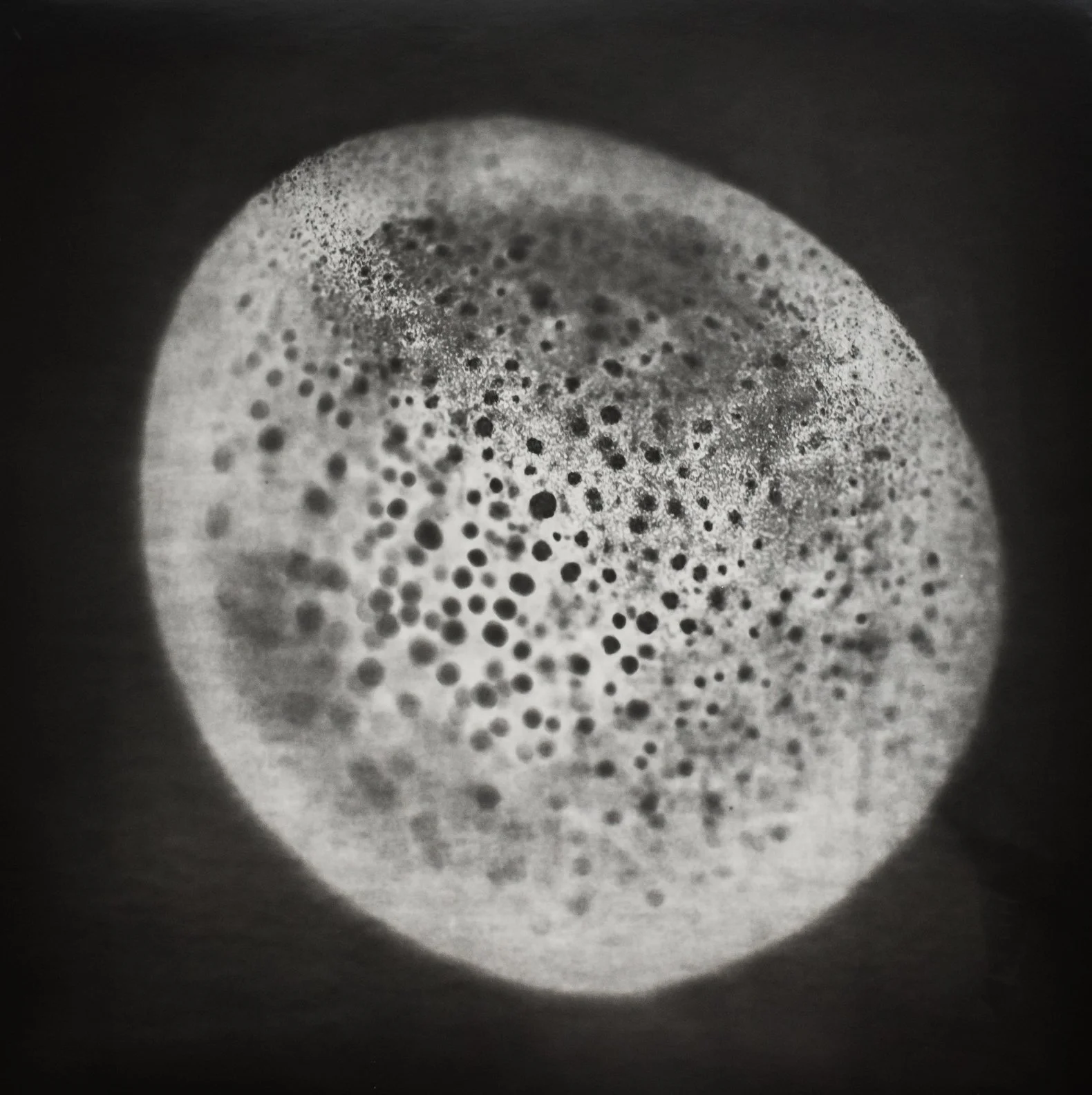
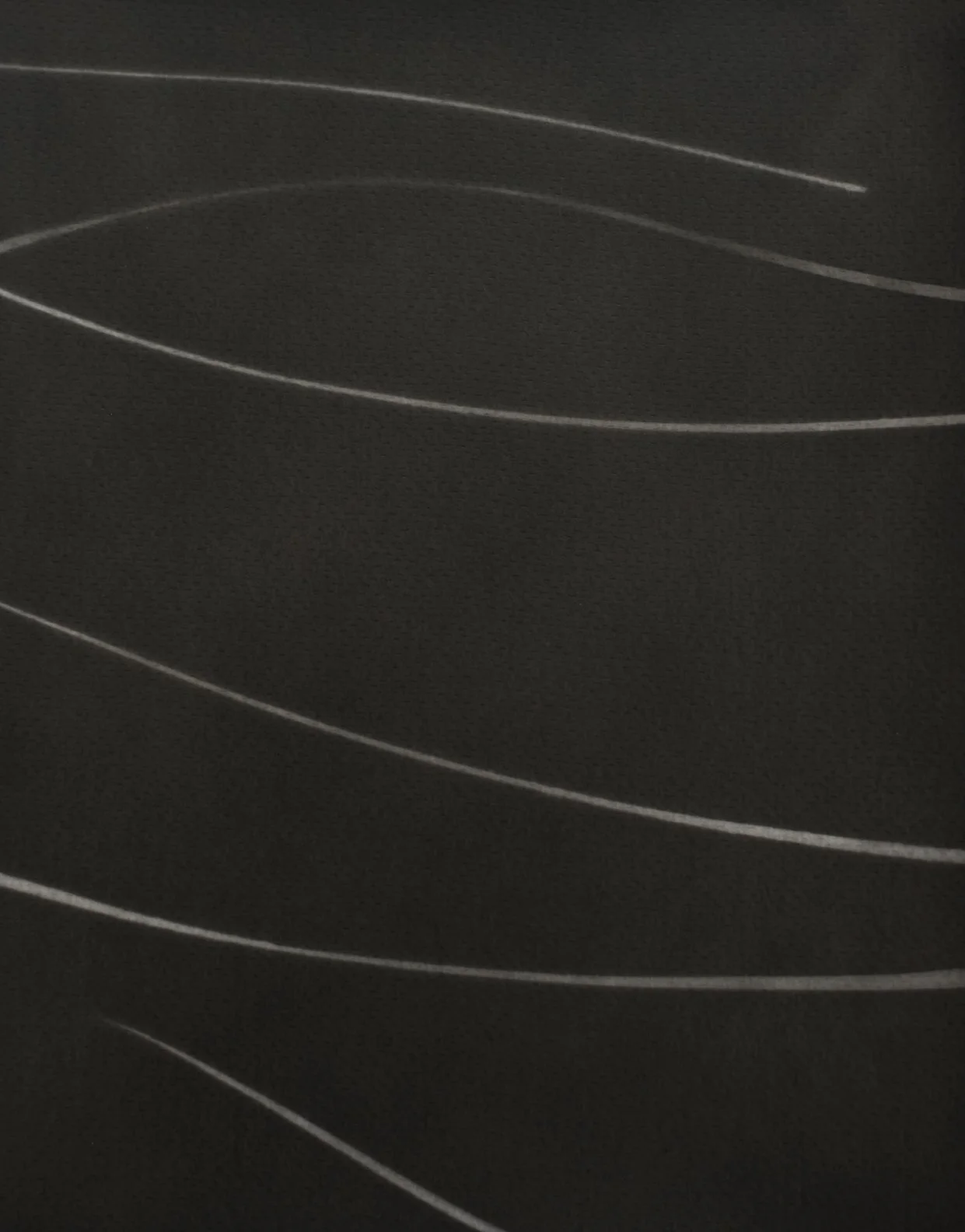
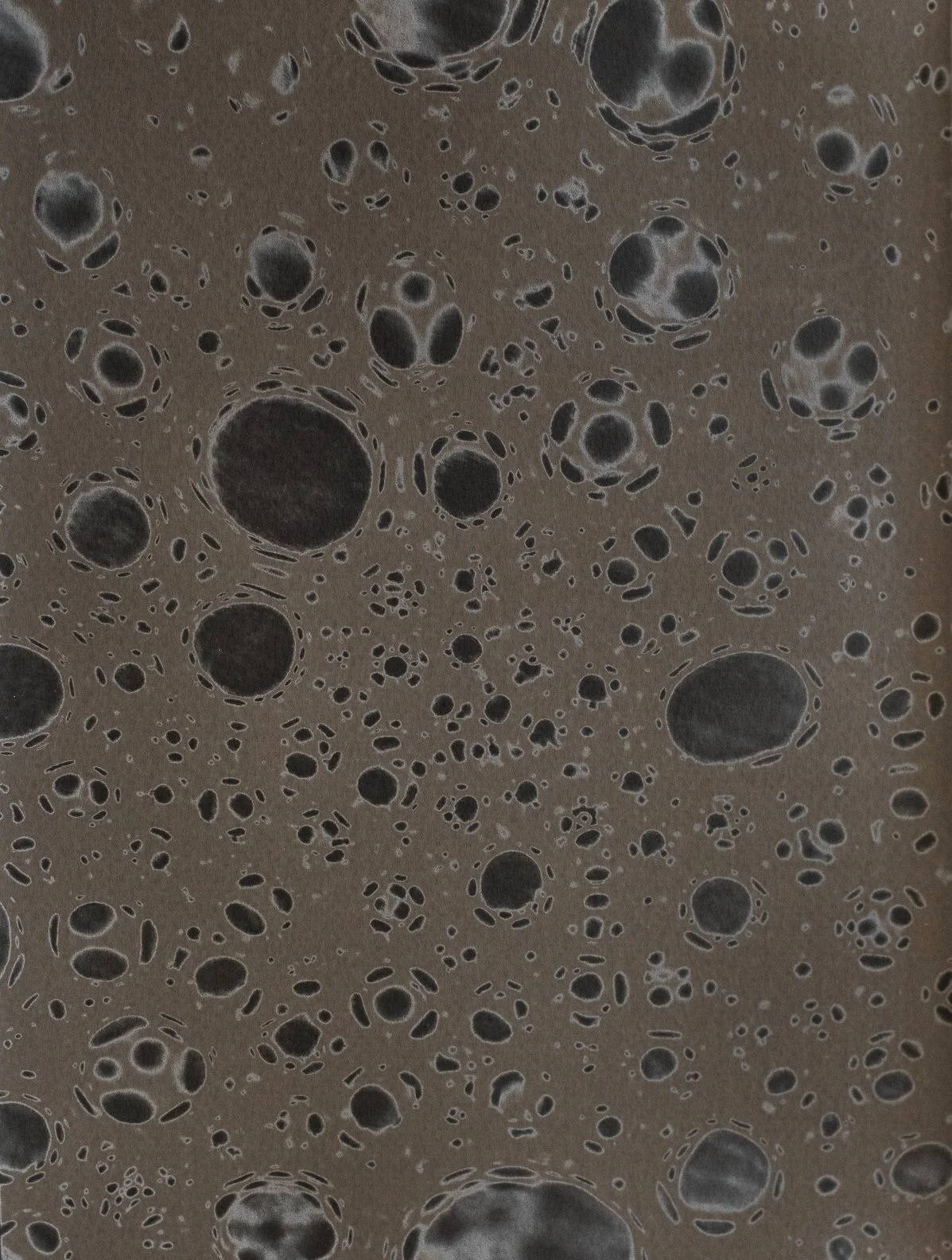
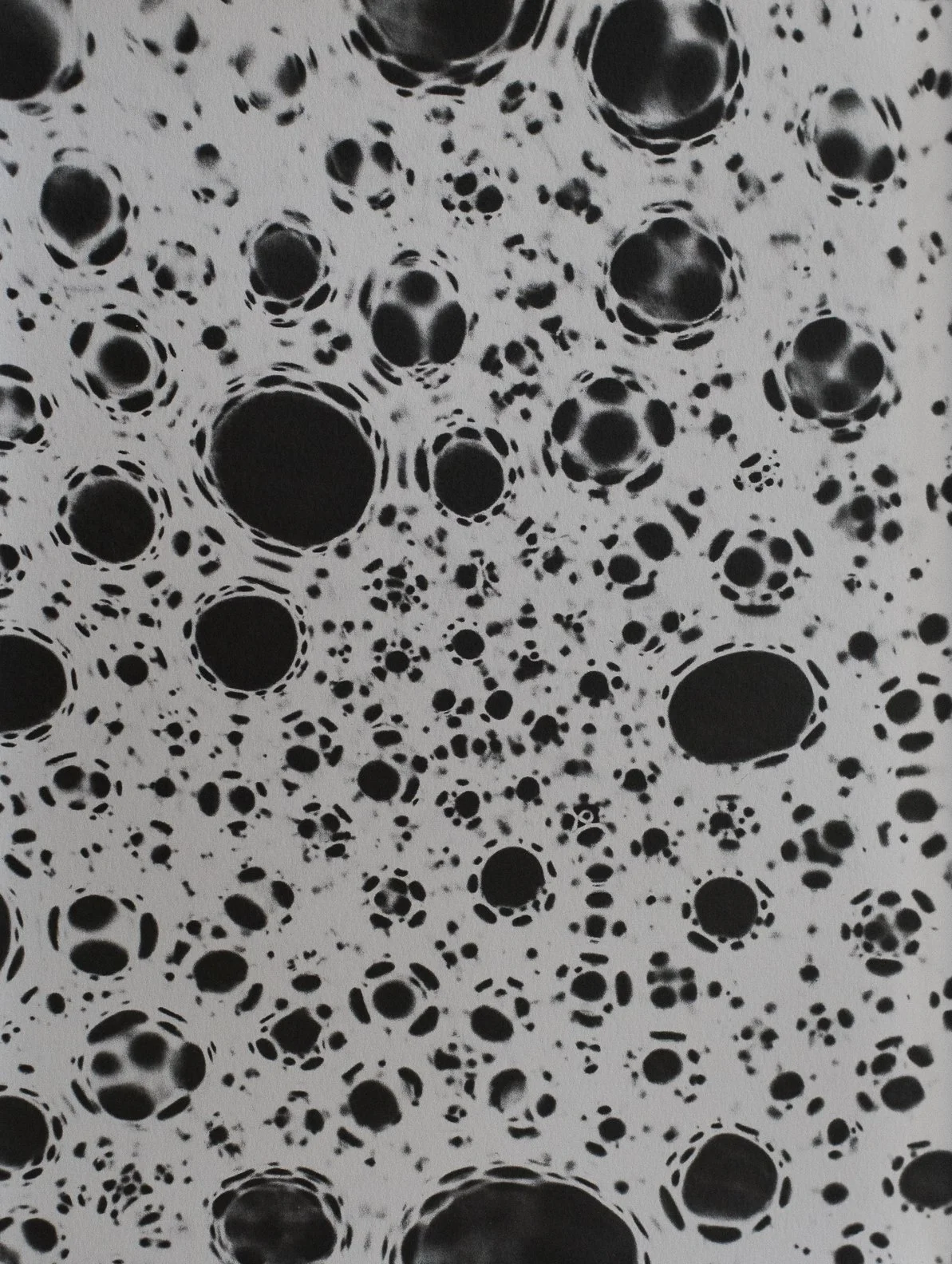
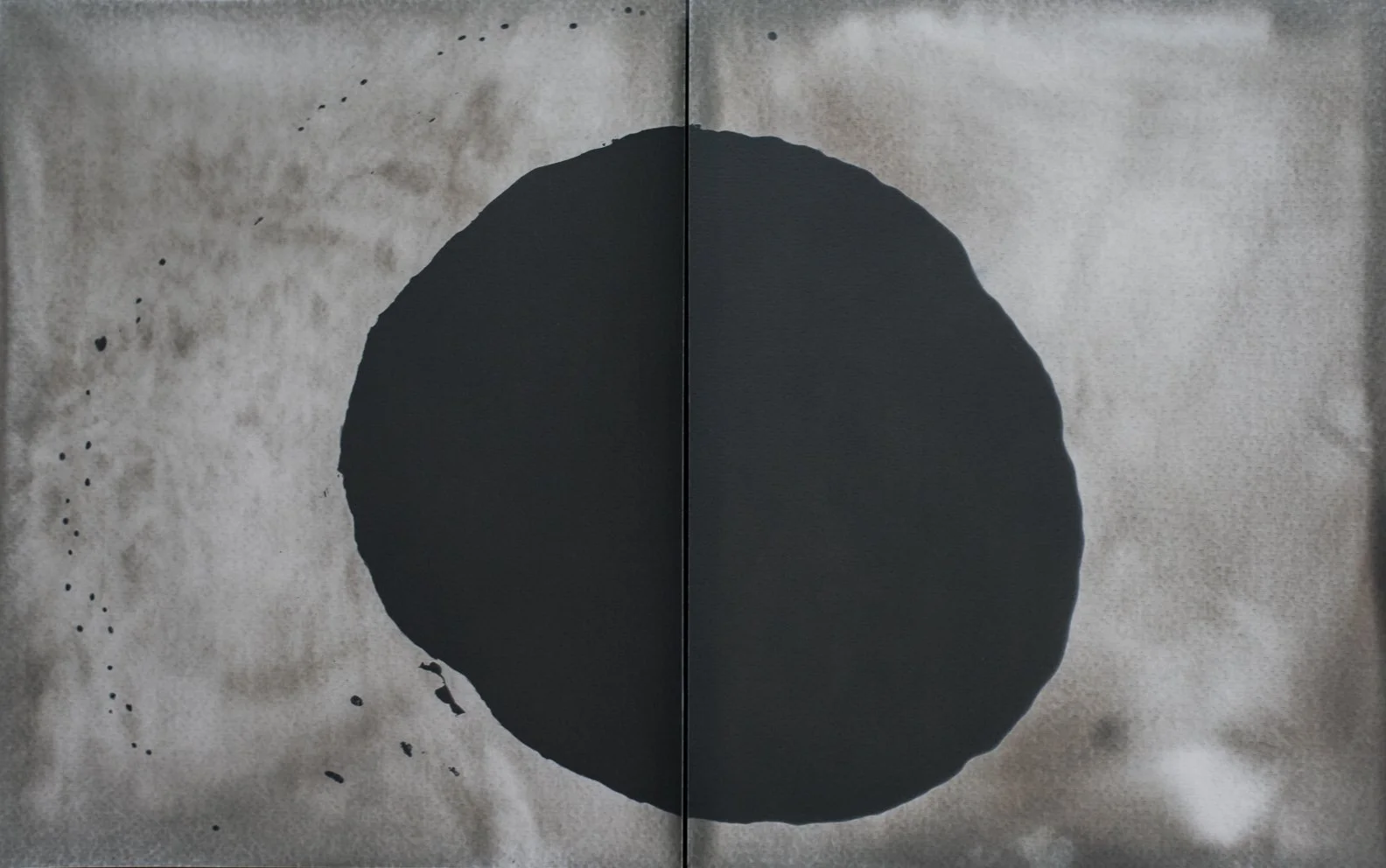
Brendan Bullock, No. 4, 2026, Dyptych, Unique solarized silver gelatin print, 10 x 16 inches, $1,800
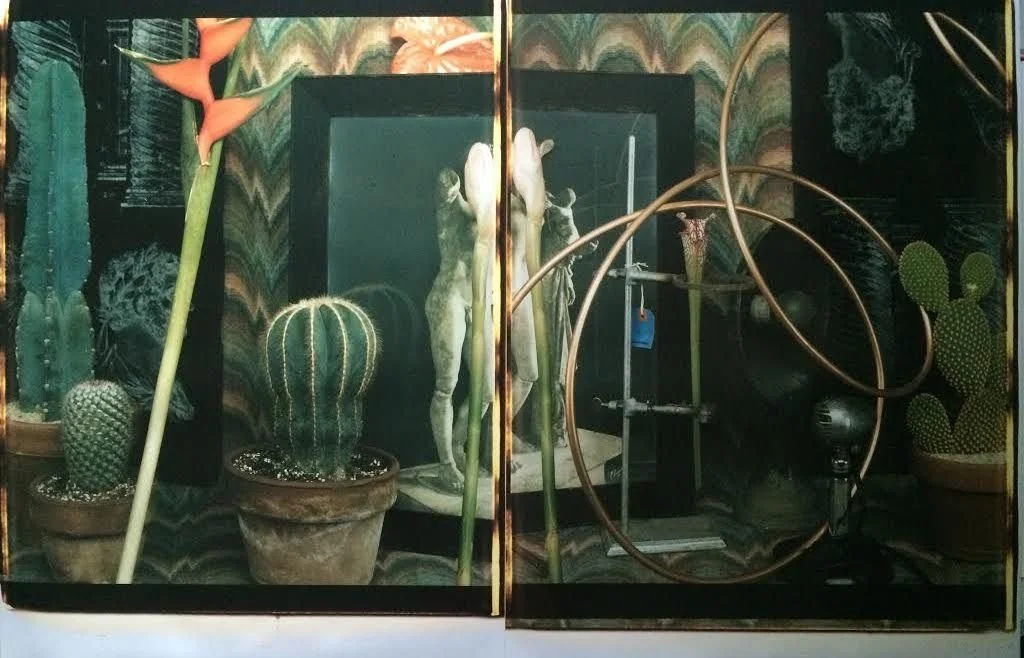
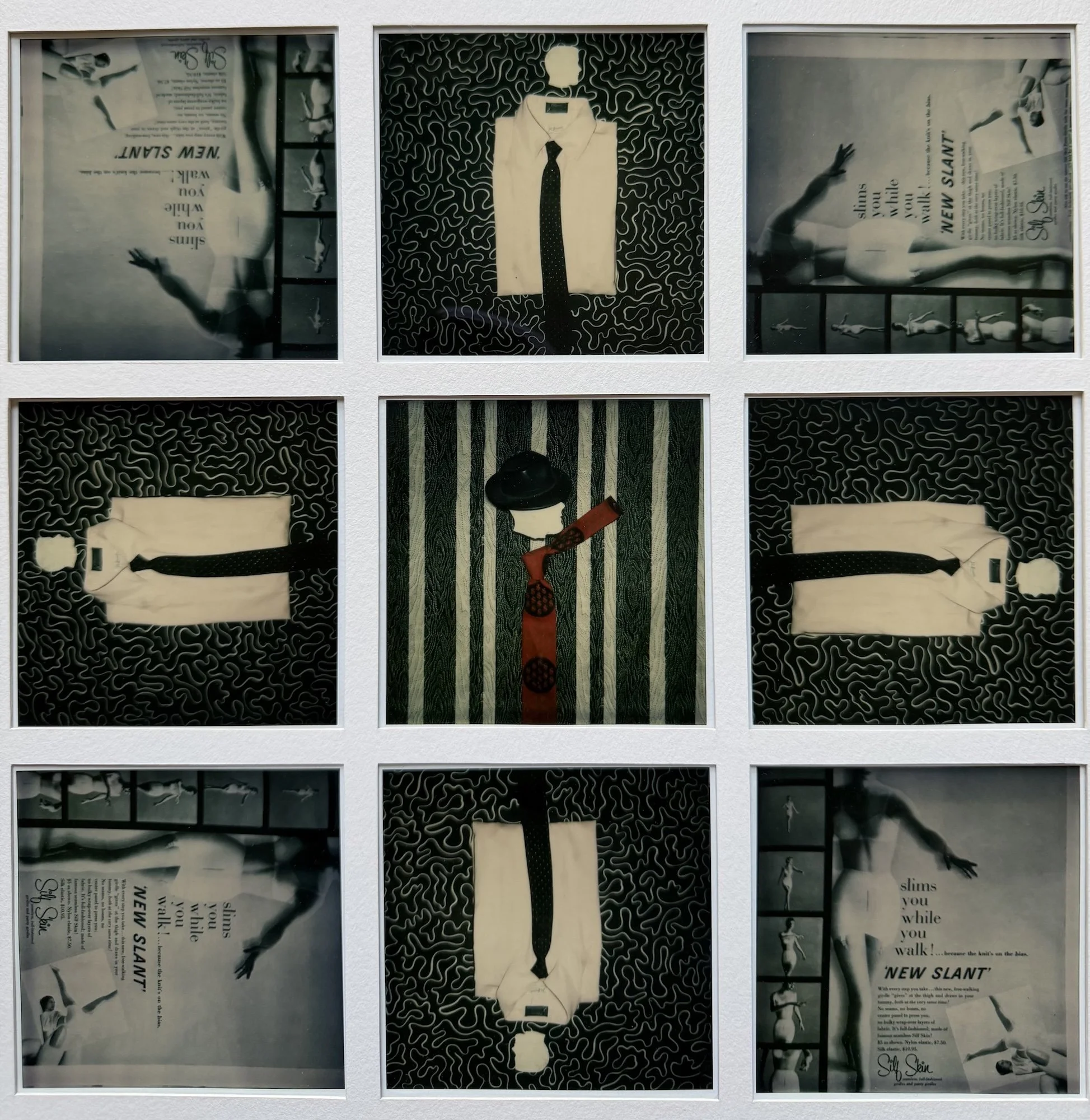
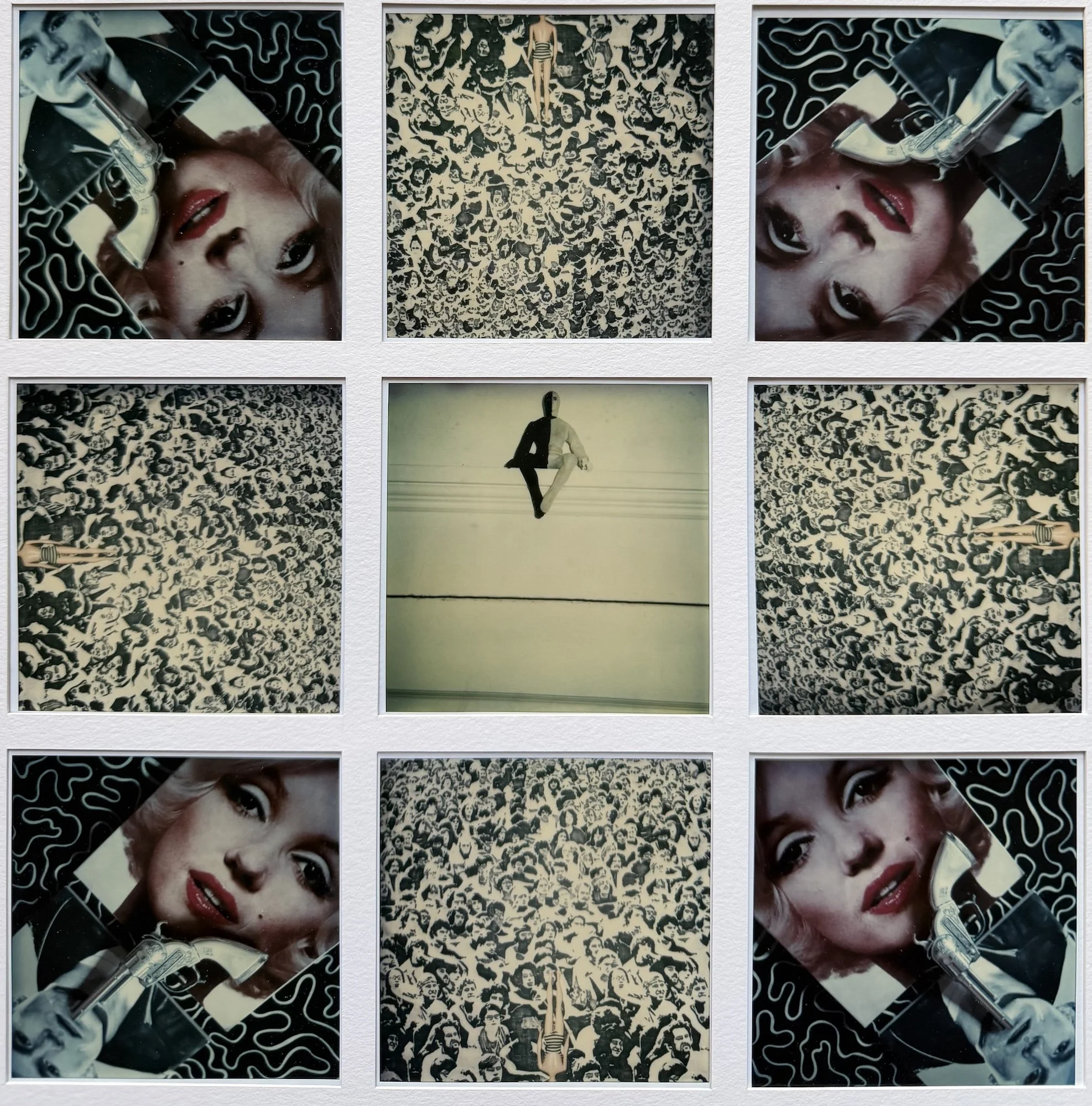
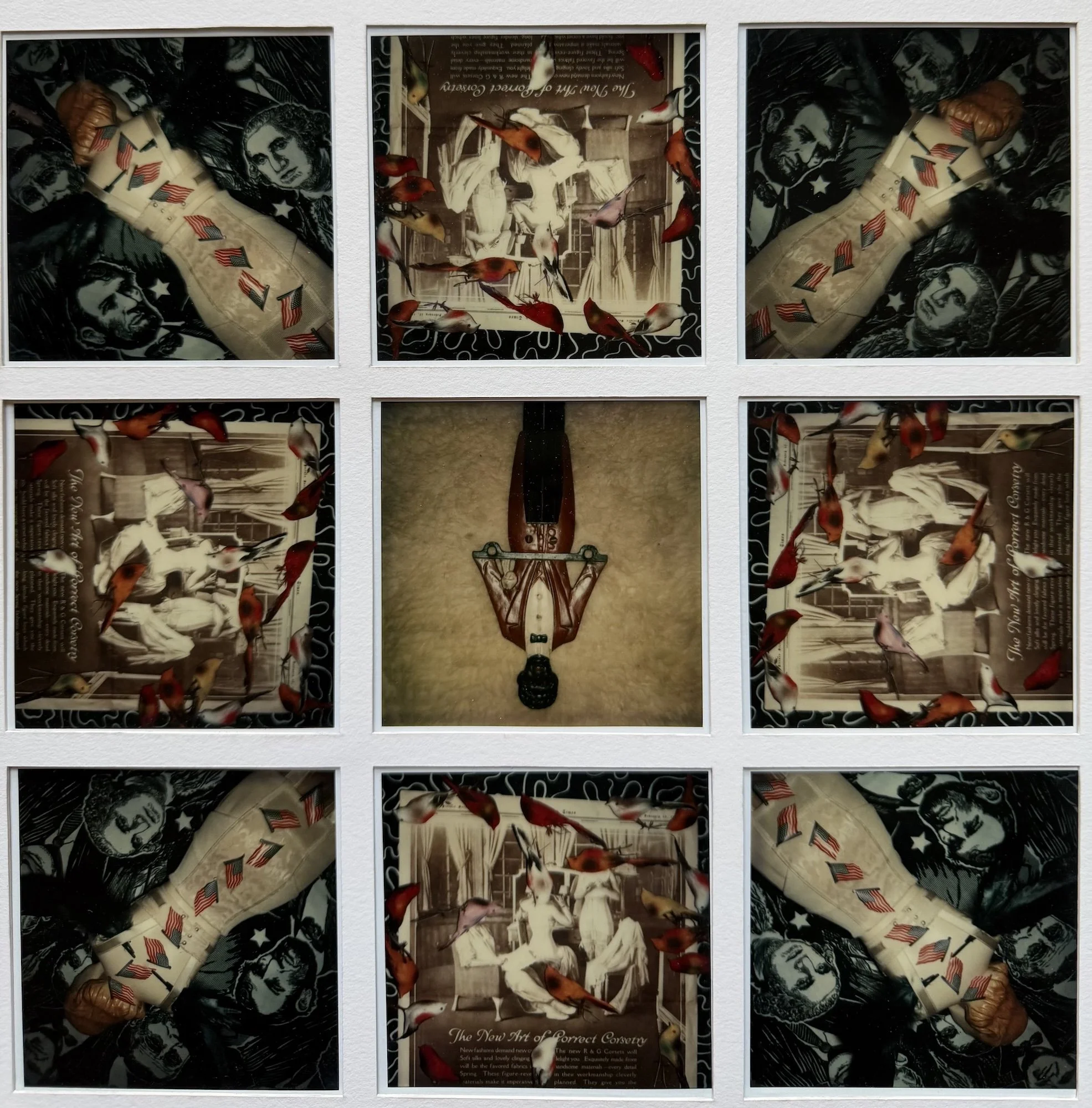
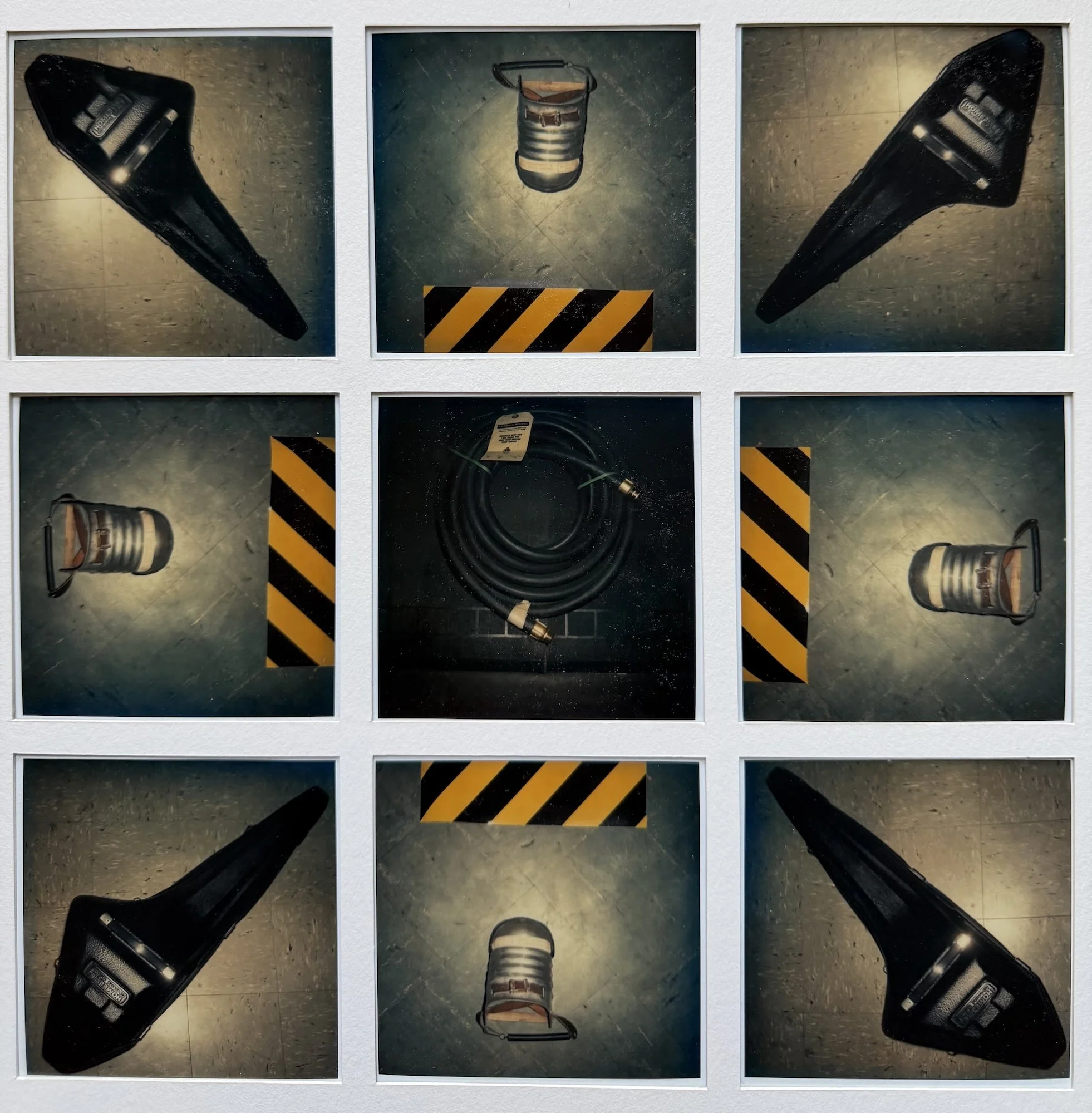
John Gintoff, Cacti, From the Persian Versions Series, 1985, Diptych/ 2 Polaroid prints, 24 x 20 inches, $10,000
This group of photographs was created in Polaroid’s 20” x 24” Studio in NYC, headed by John Reuter. I received grants from the Polaroid Corporation in 1985, 86 and 87 to work there. These images were somewhat preplanned as all props and materials had to be brought to the fourth floor studio in New York. (I worked there in August, and NY can get pretty hot, especially when the elevator wasn’t working.) However, once in the studio, a lot of the work became adlibbed (which was a lot of fun). I was thinking about Renaissance Sill Lives at this time which accounts for the baroque nature of this series. But Baroque with a twist. Many 20th Century references and objects are there as well.
- J.G.
Artist John Gintoff holds an MFA in Photography from Temple University, Philadelphia, PA and grants from the Connecticut Commission on the Arts (2 times), 20” x 24” Polaroid Studio, Polaroid Corporation, NYC, NY (3 times) and the Aetna Insurance Co. Hartford, CT. Taught college and High school level photography, painting and sculpture. Work has been published and in many collections.
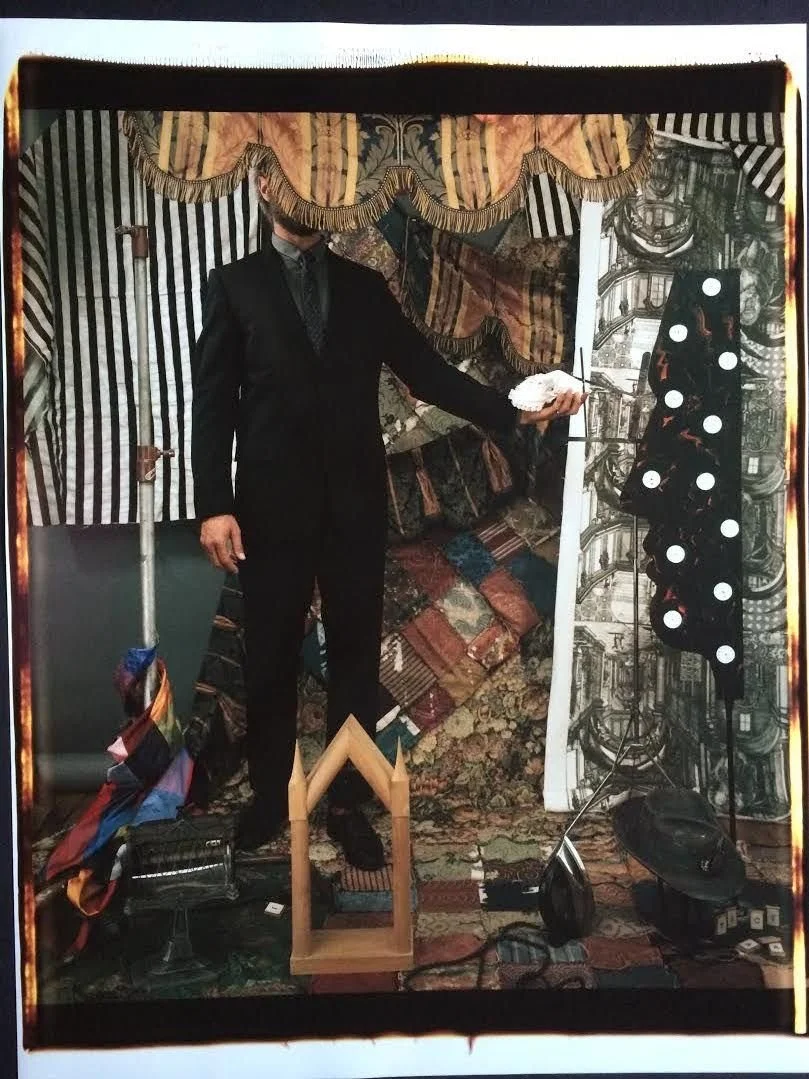
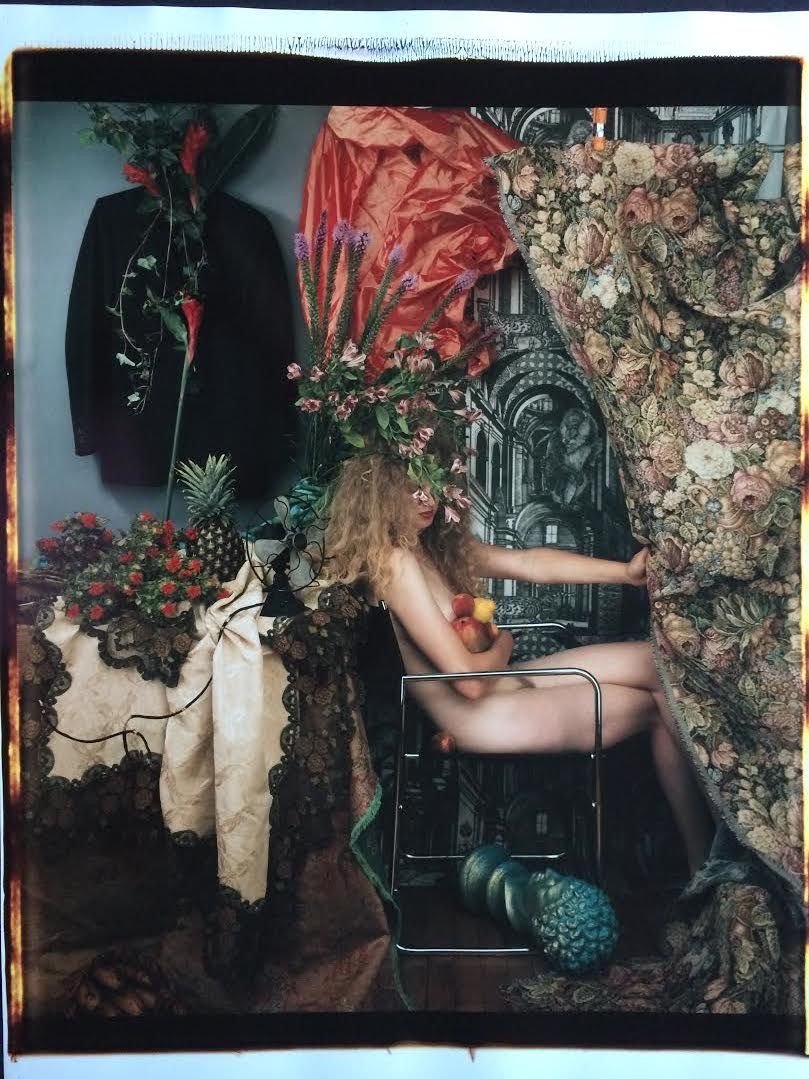
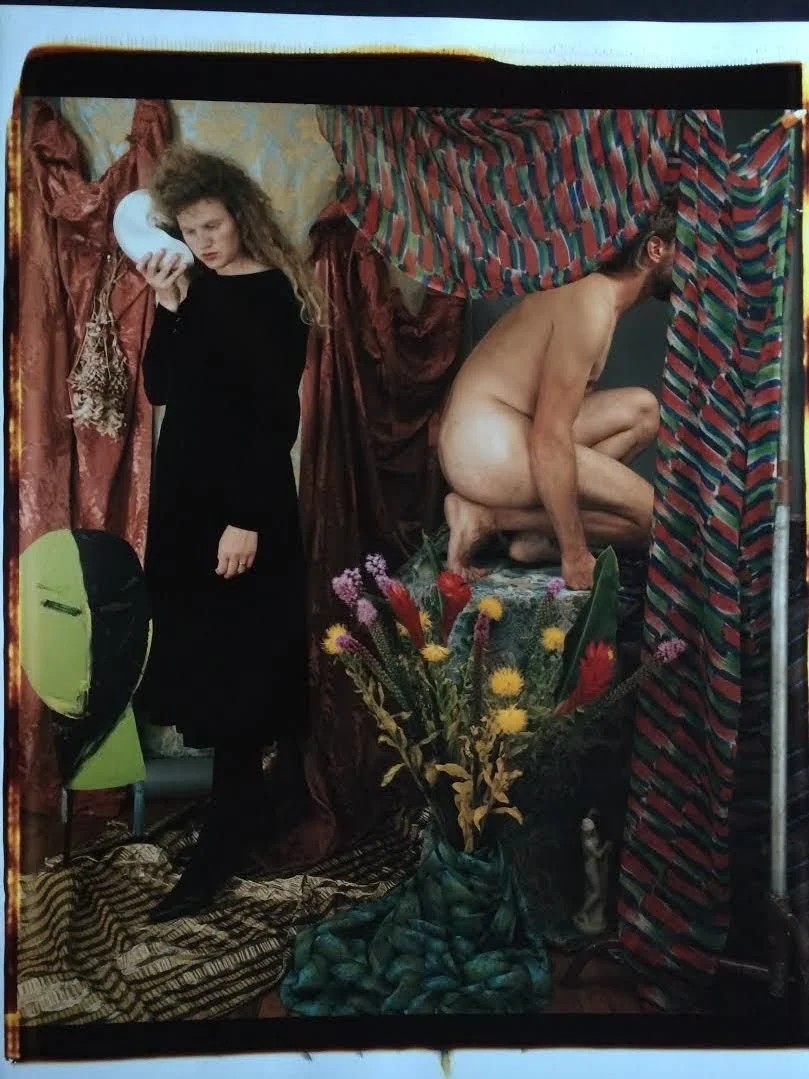
Only six cameras were built between 1976 and 1978; five remain in use. Two prototypes were built first, then five cameras later. Famous artists and photographers were invited to use the cameras (by award/ grant competition) at the Polaroid studios or later by loan. The camera was built to demonstrate the quality of Polacolor II film, which the company was about to launch in 8×10 format. Our artist, John Gintoff was chosen 3 times to use the camera and had 48 hours only to create. The work you see here is from one of those sessions. To give perspective and context, in 2007, the camera was a rare commodity, it cost $1.750 a day to rent and the film cost $125 per exposure. It also came with a technician from Polaroid looking over your shoulder, for fear that the camera would be damaged. Despite all this, let us revel in the gorgeous images Gintoff was able to produce. A NYT article about the camera.
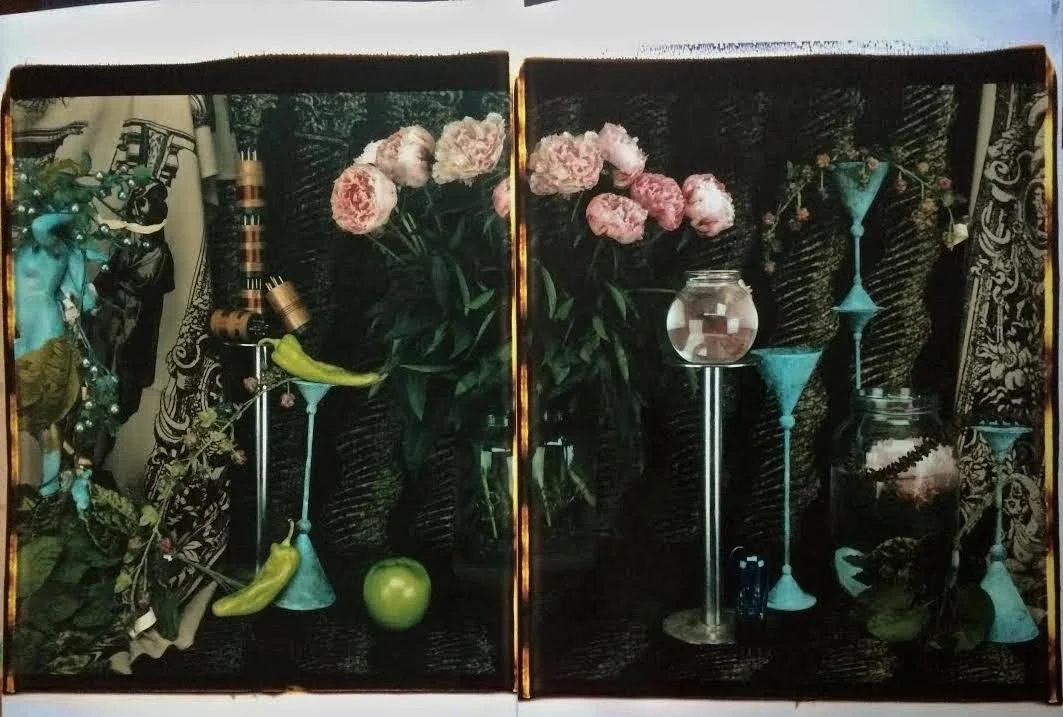
John Gintoff, Diptych with peonies, From the Persian Versions Series, 1985, Diptych/ 2 Polaroid prints, 24 x 20 inches, $10,000
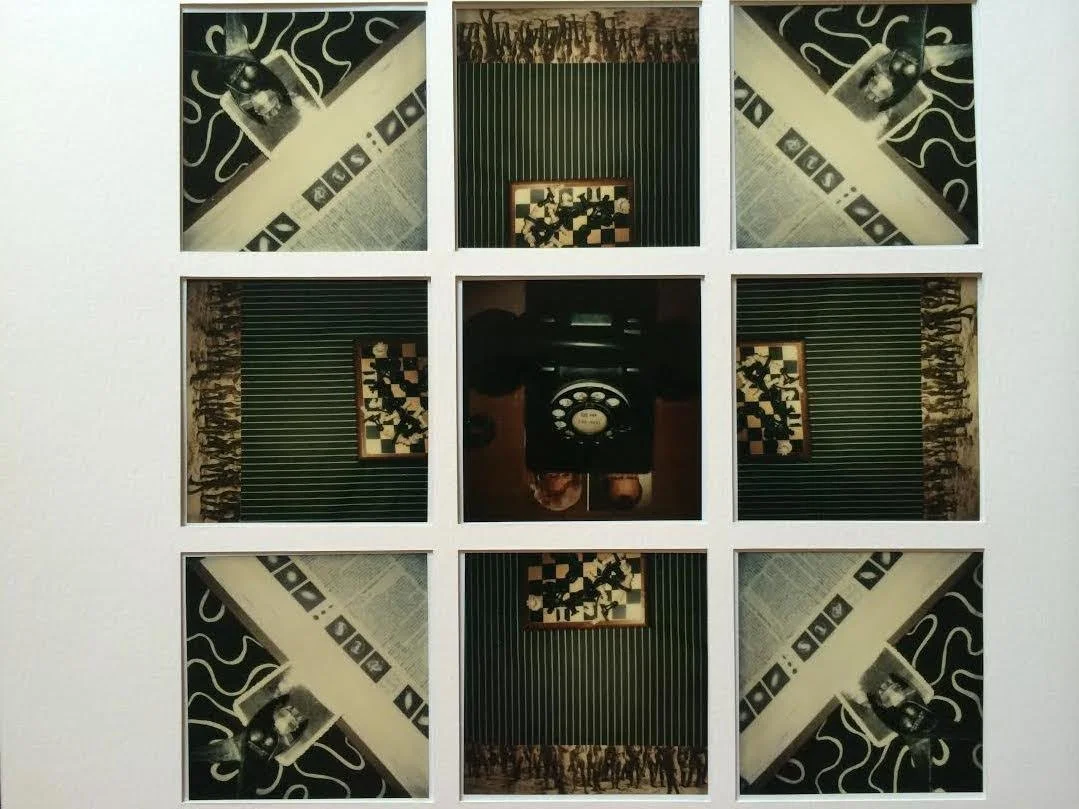
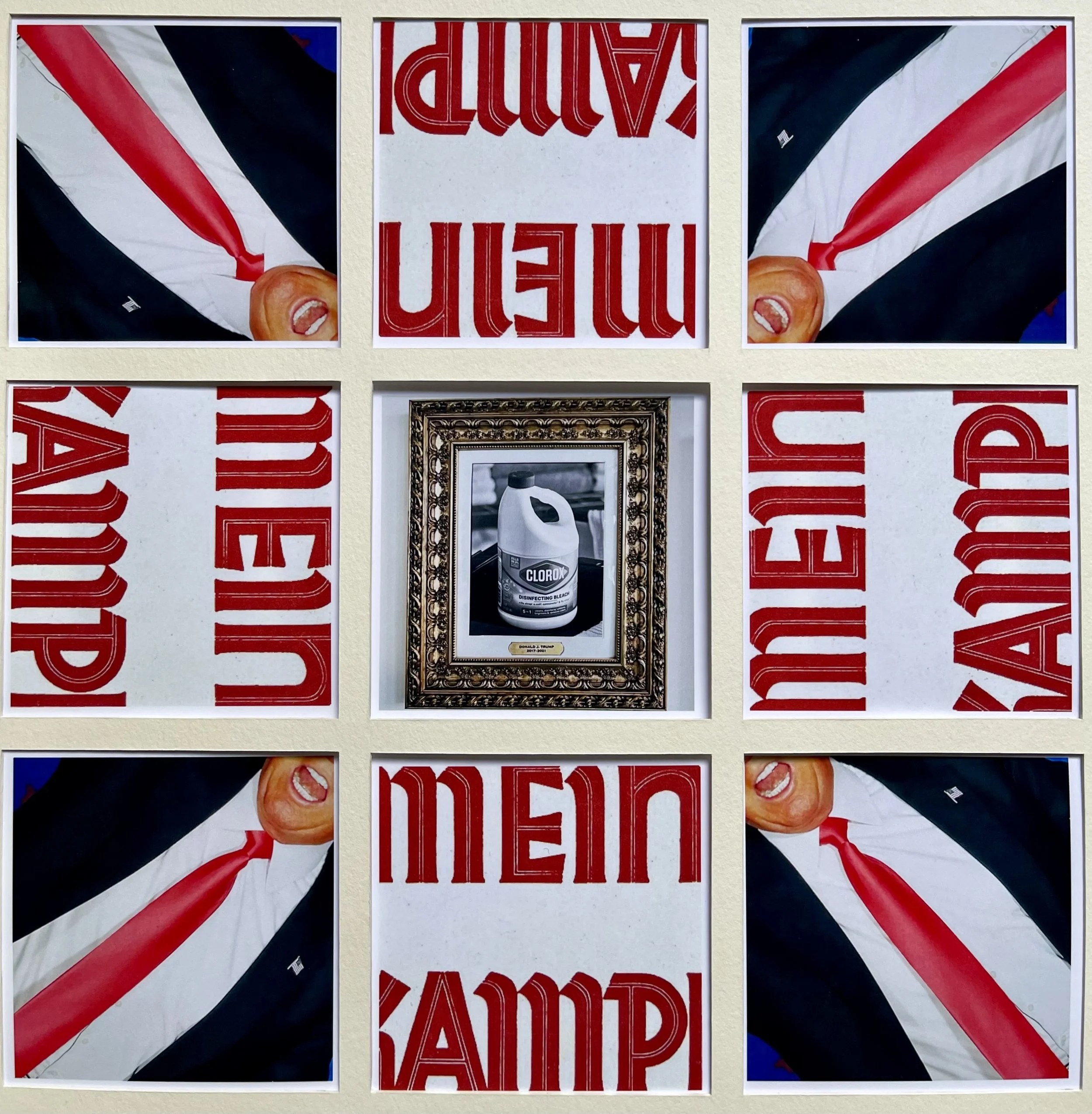
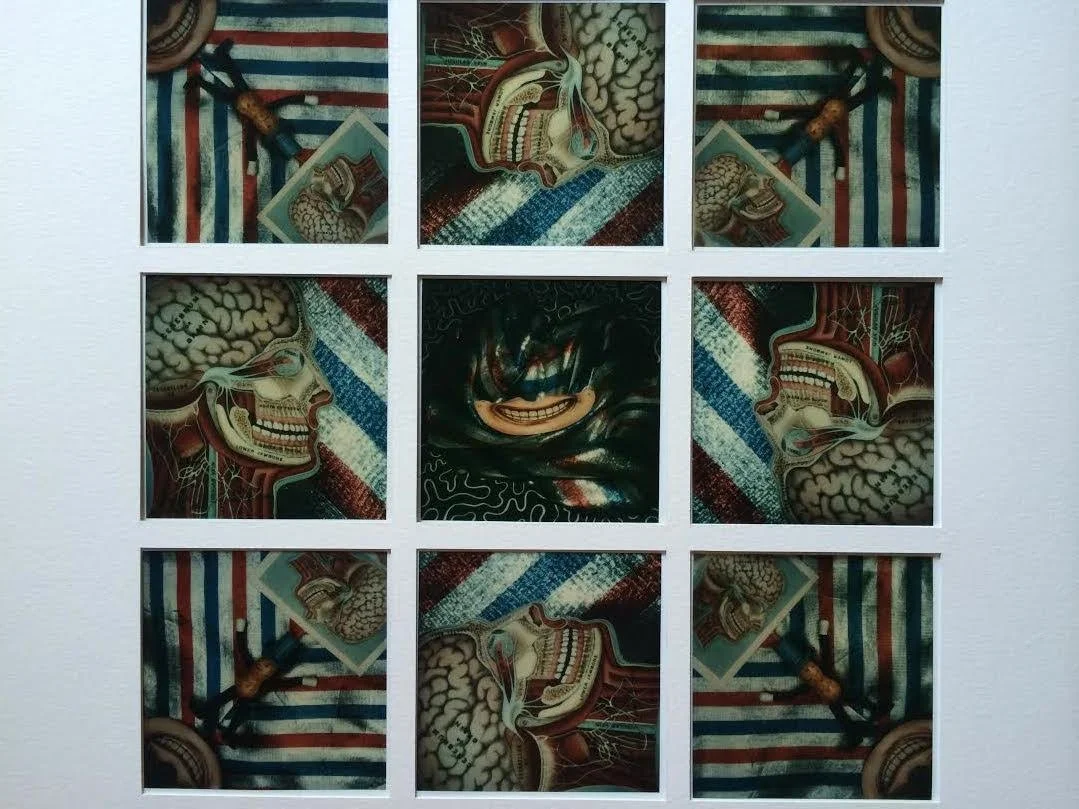
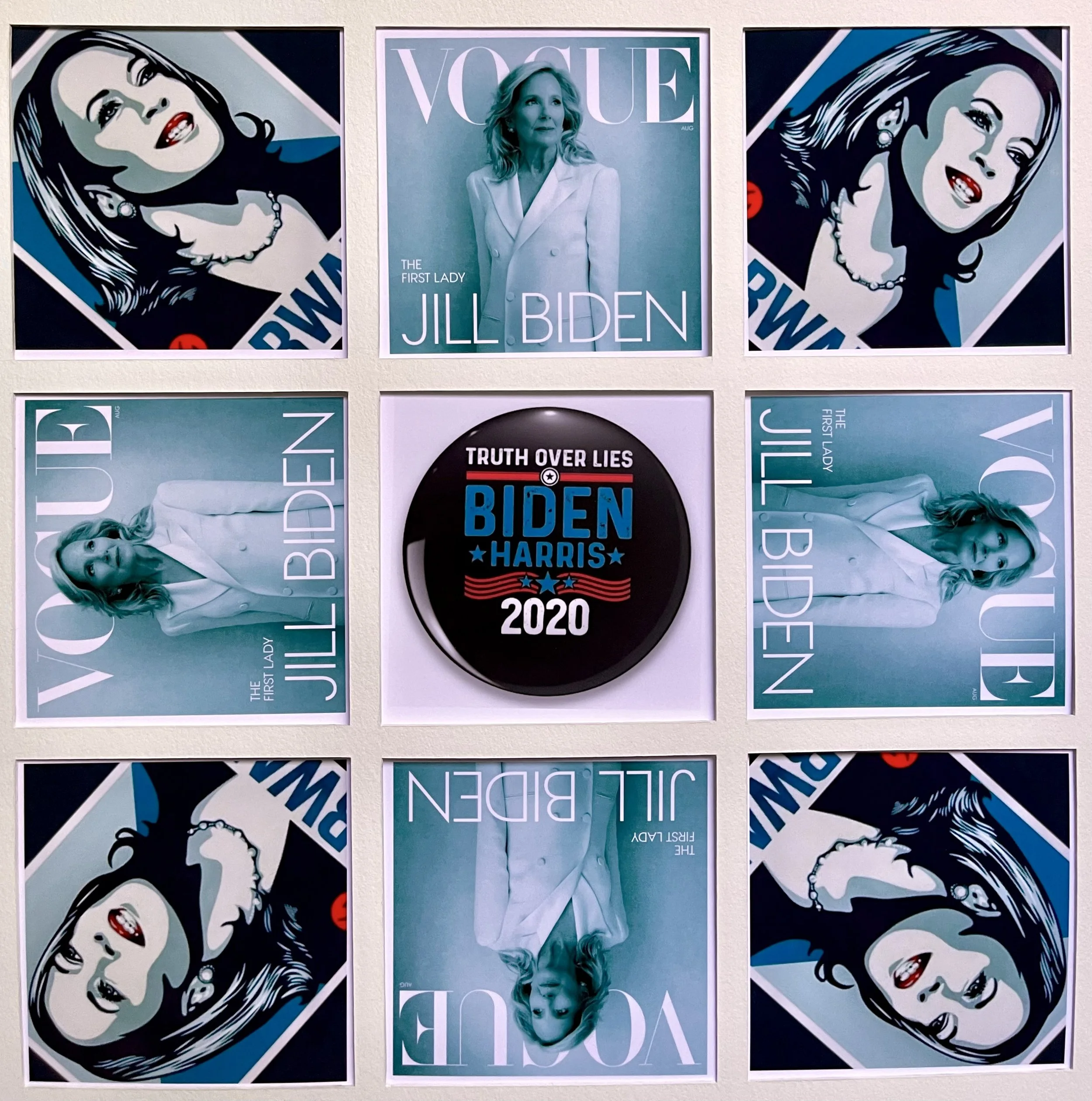
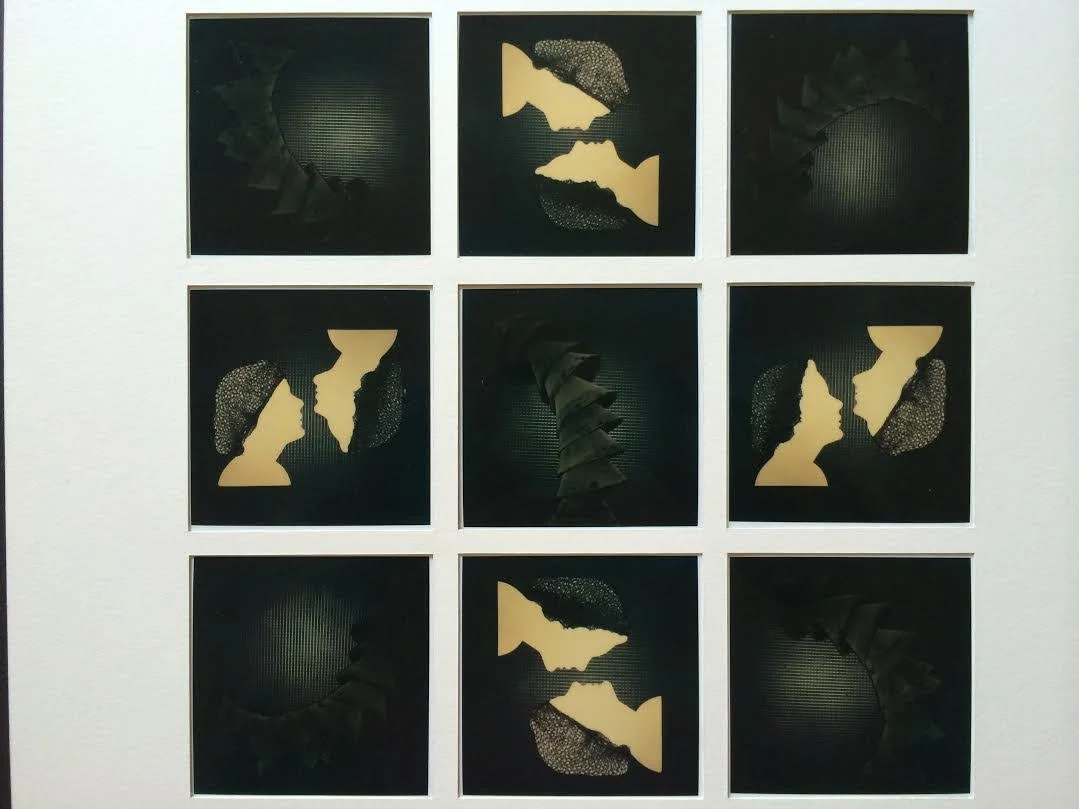
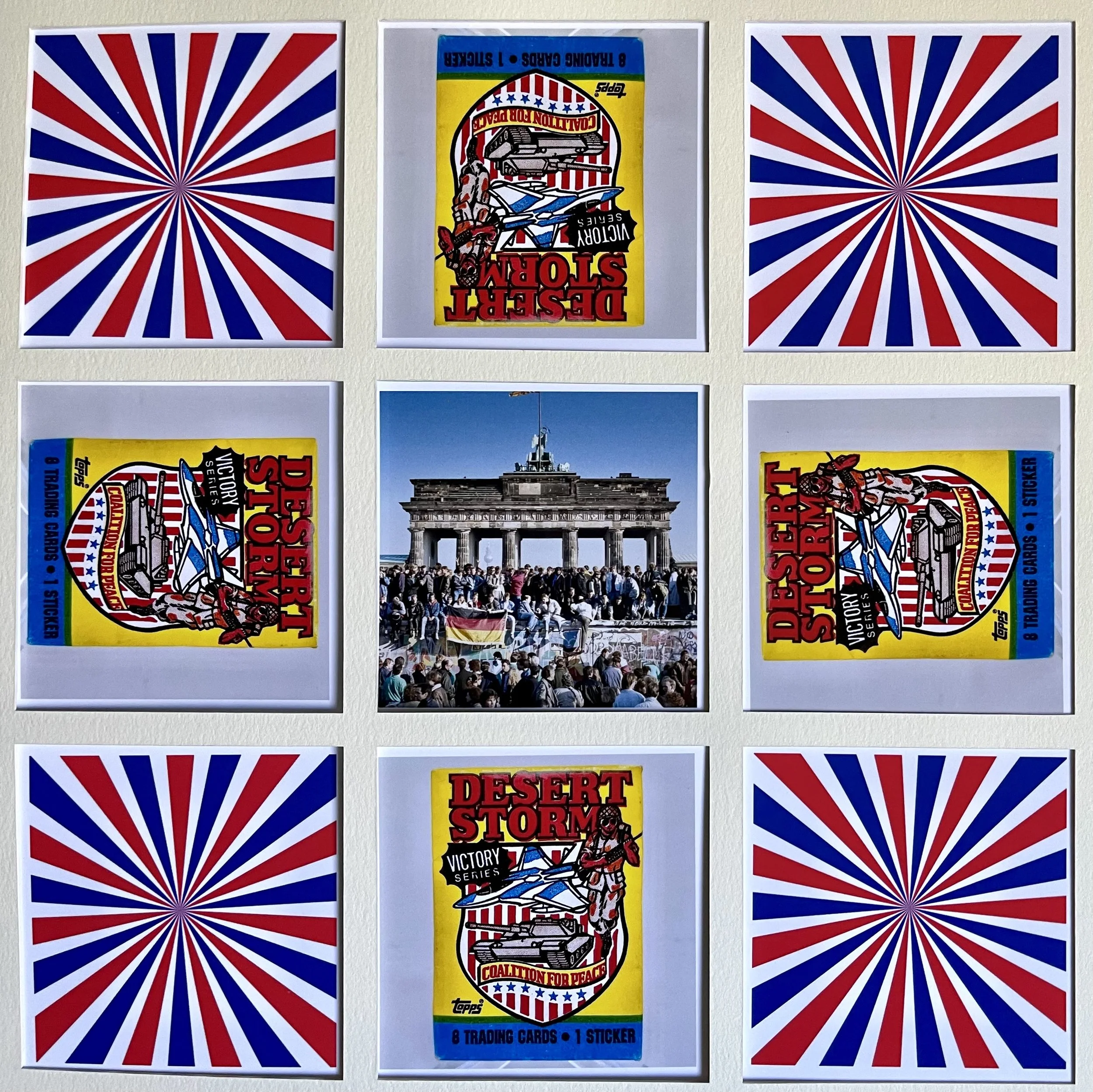
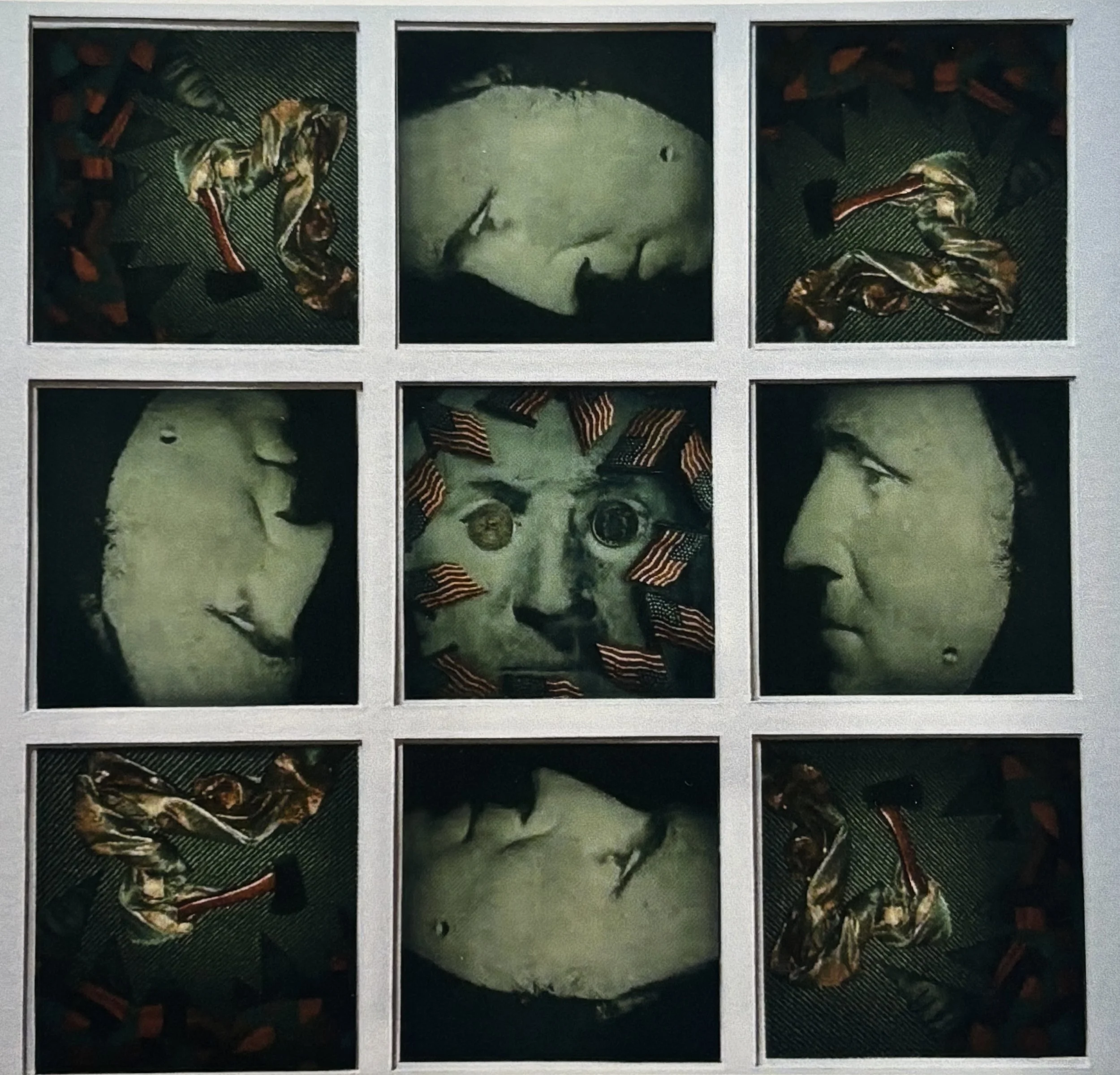
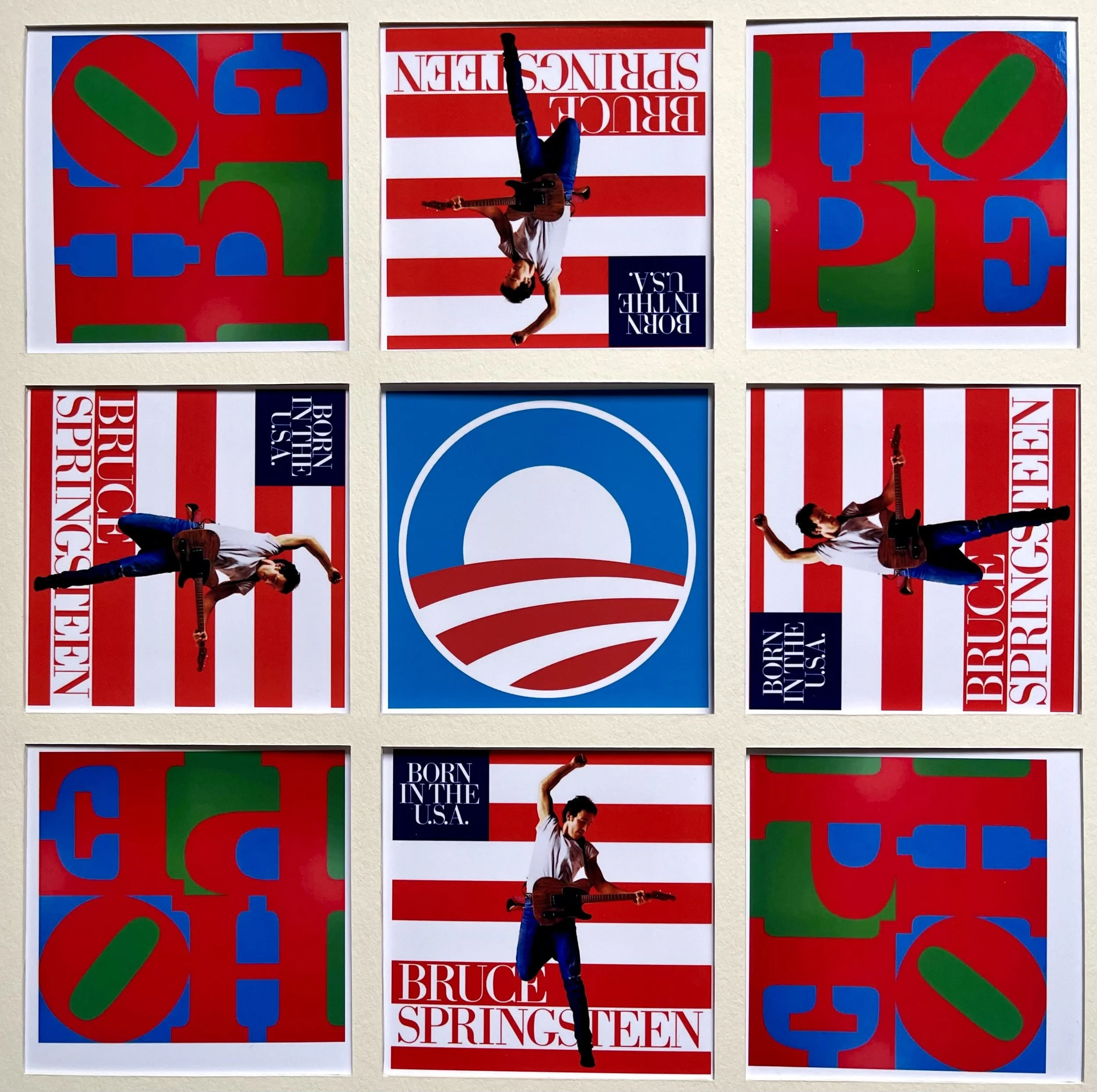
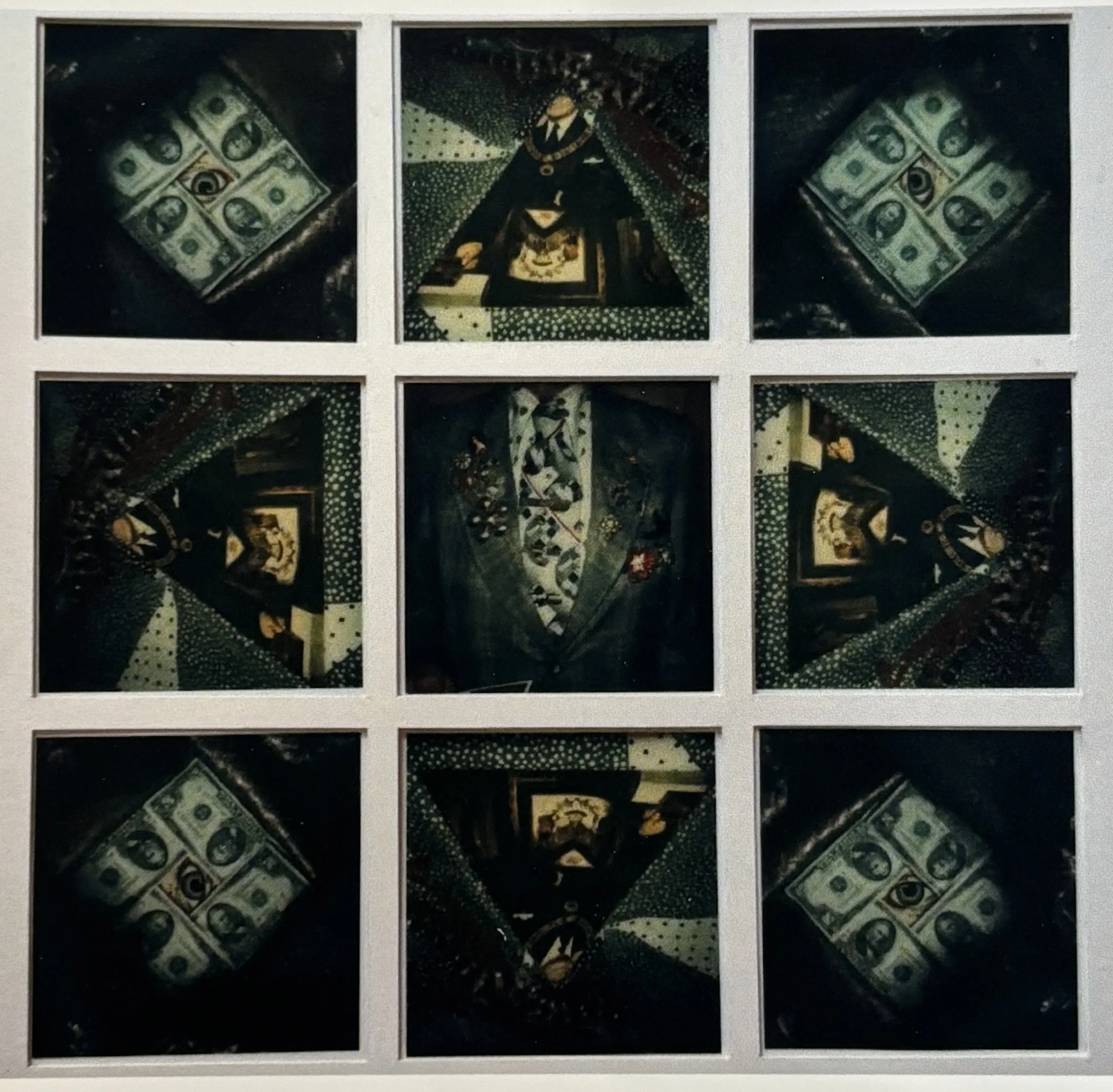
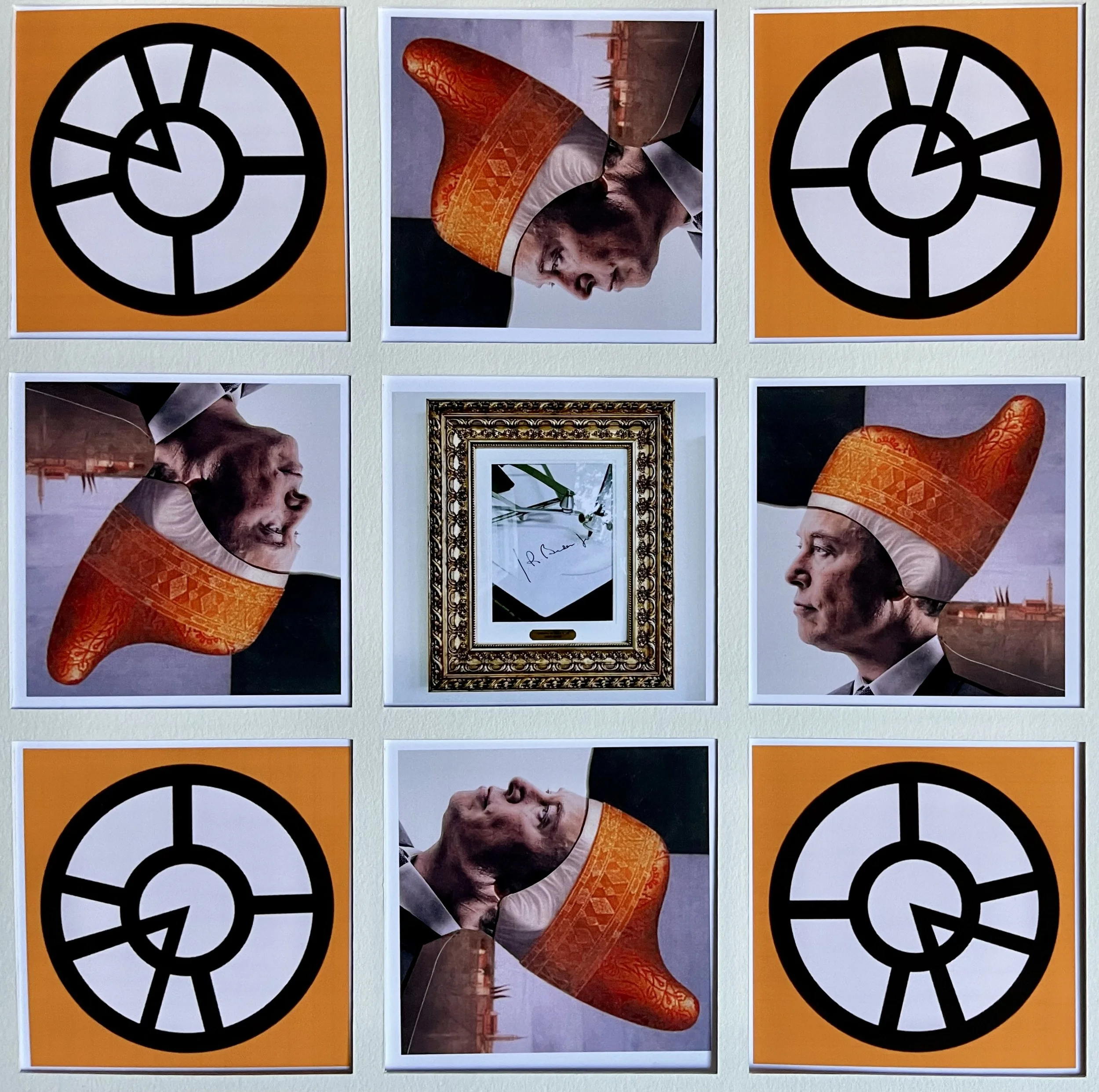
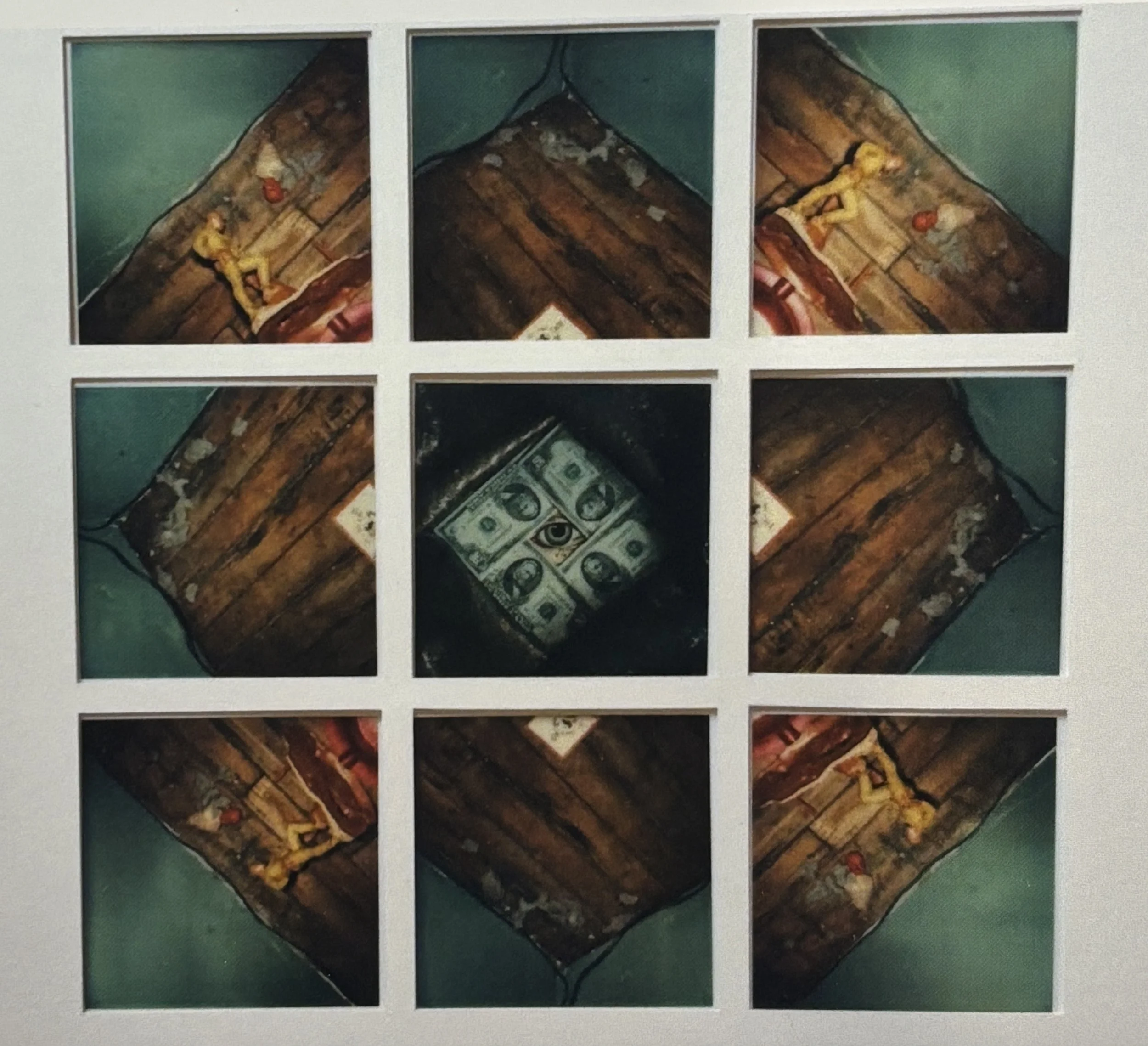
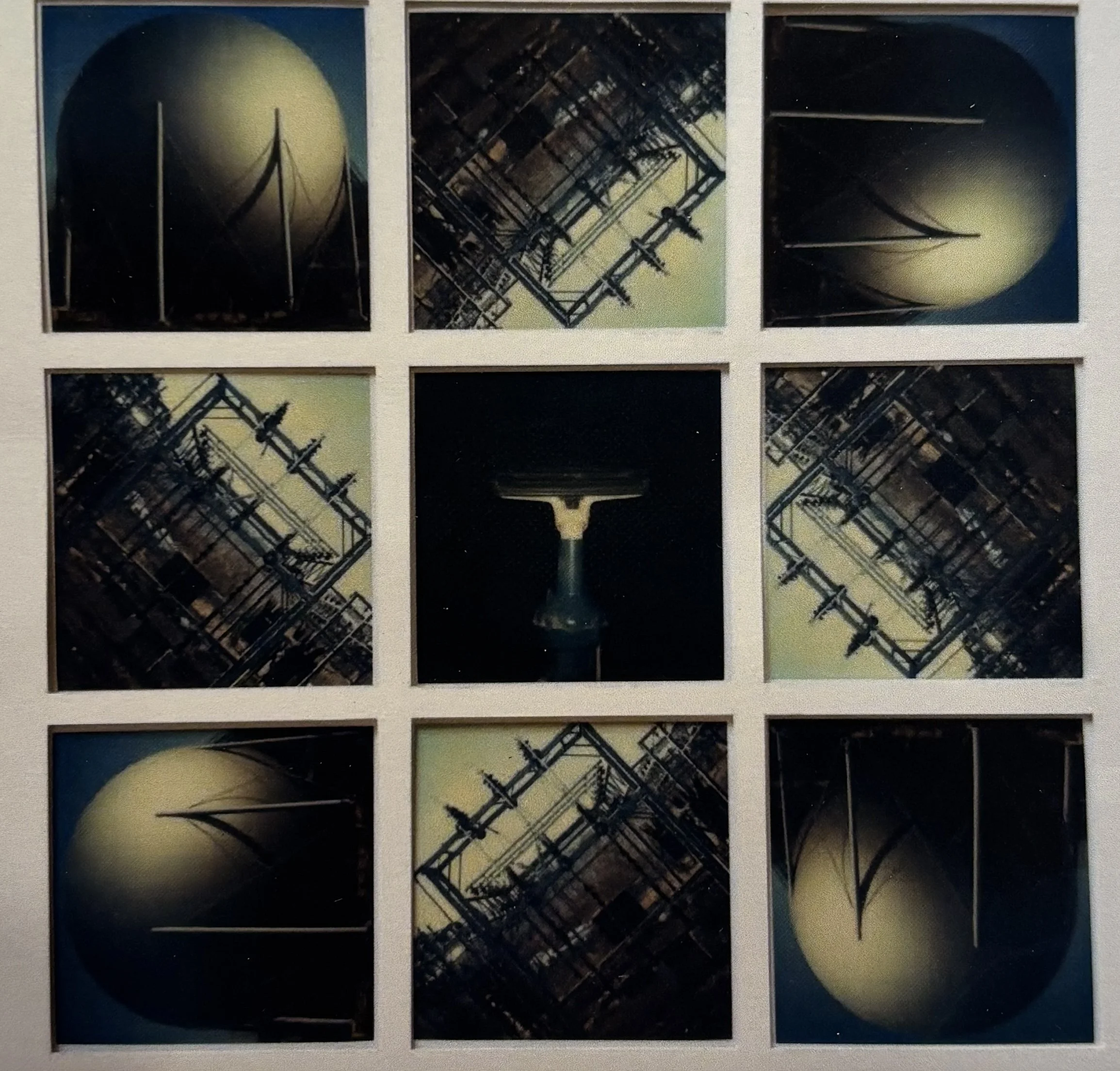
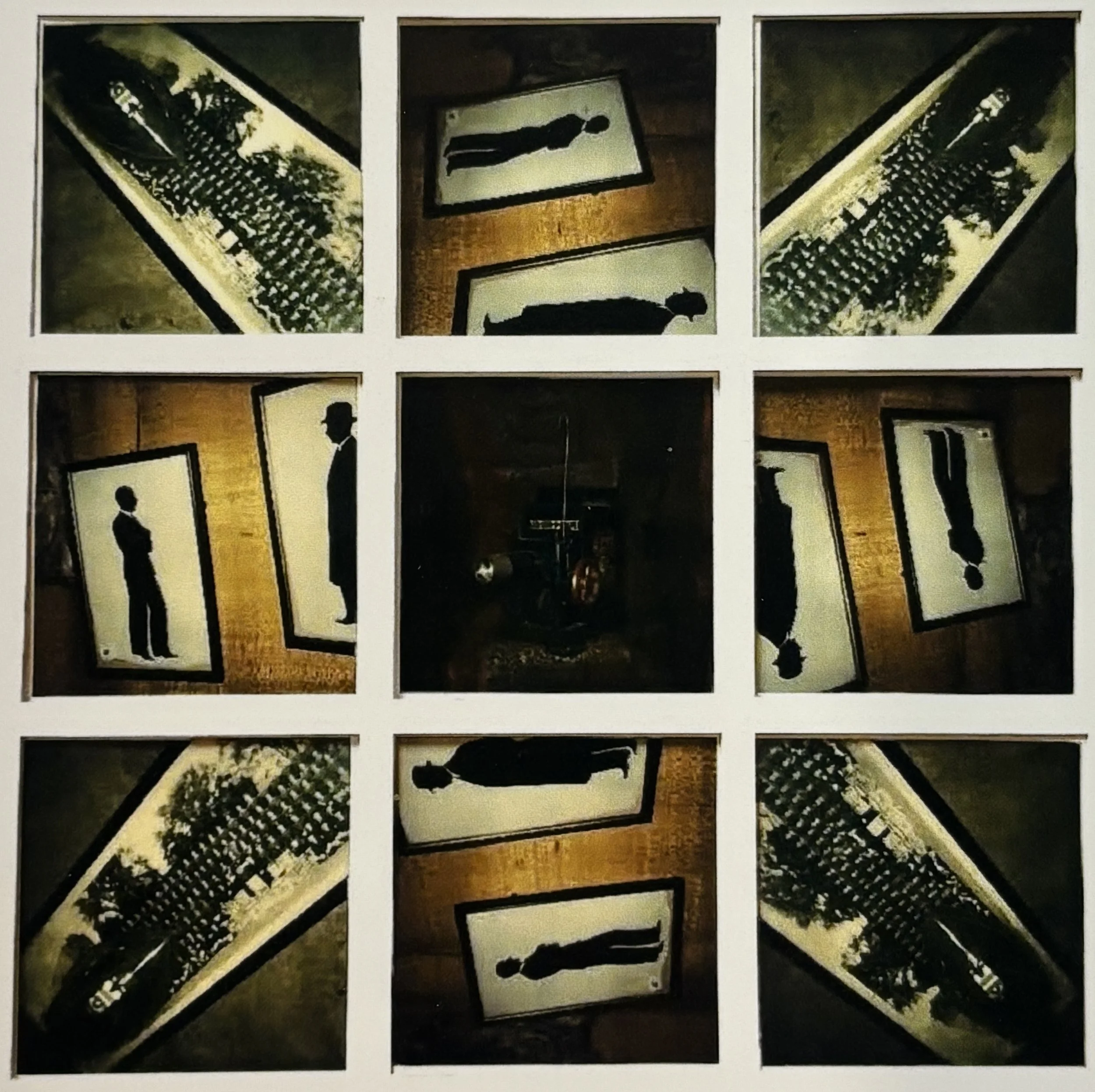
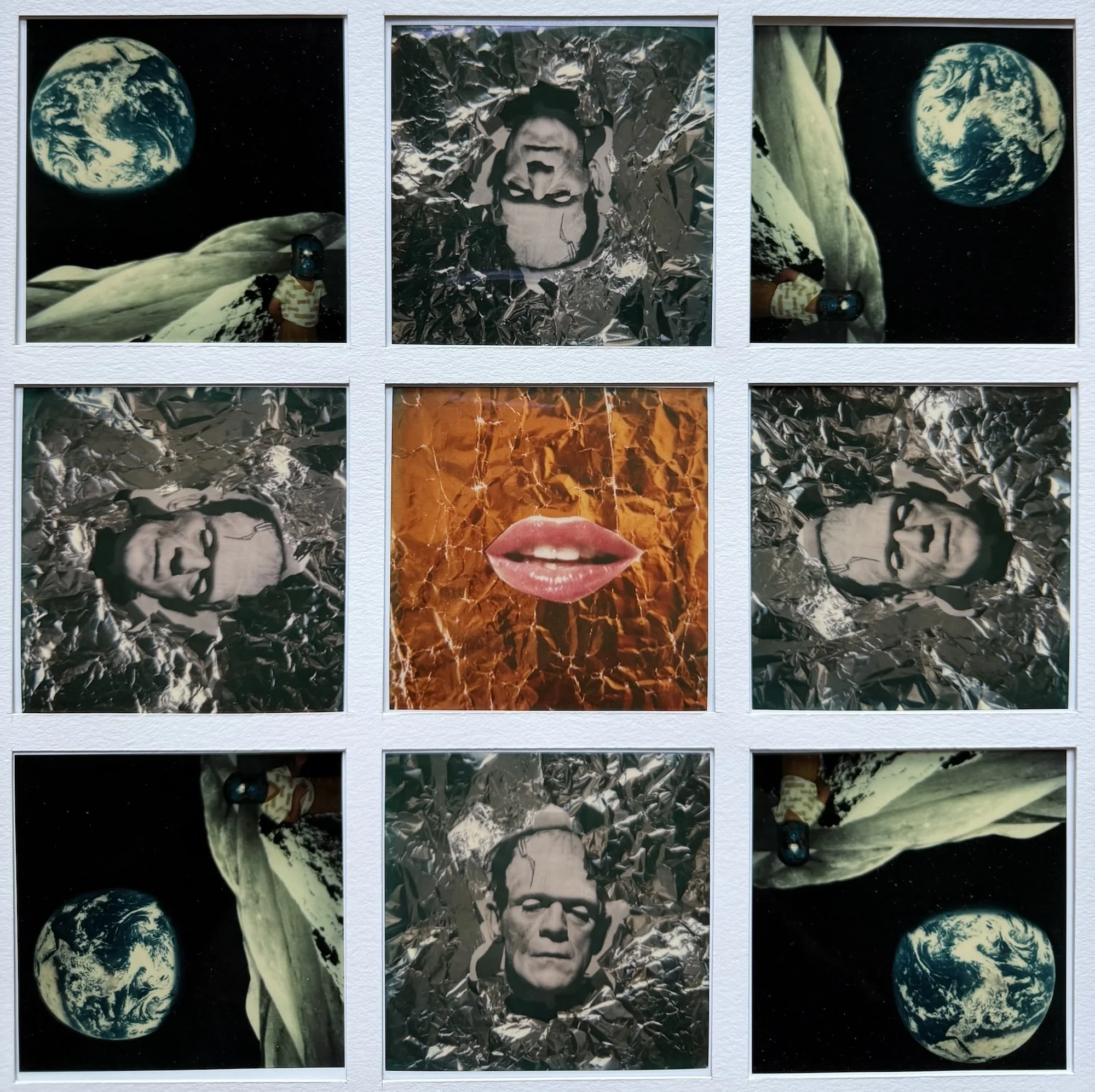
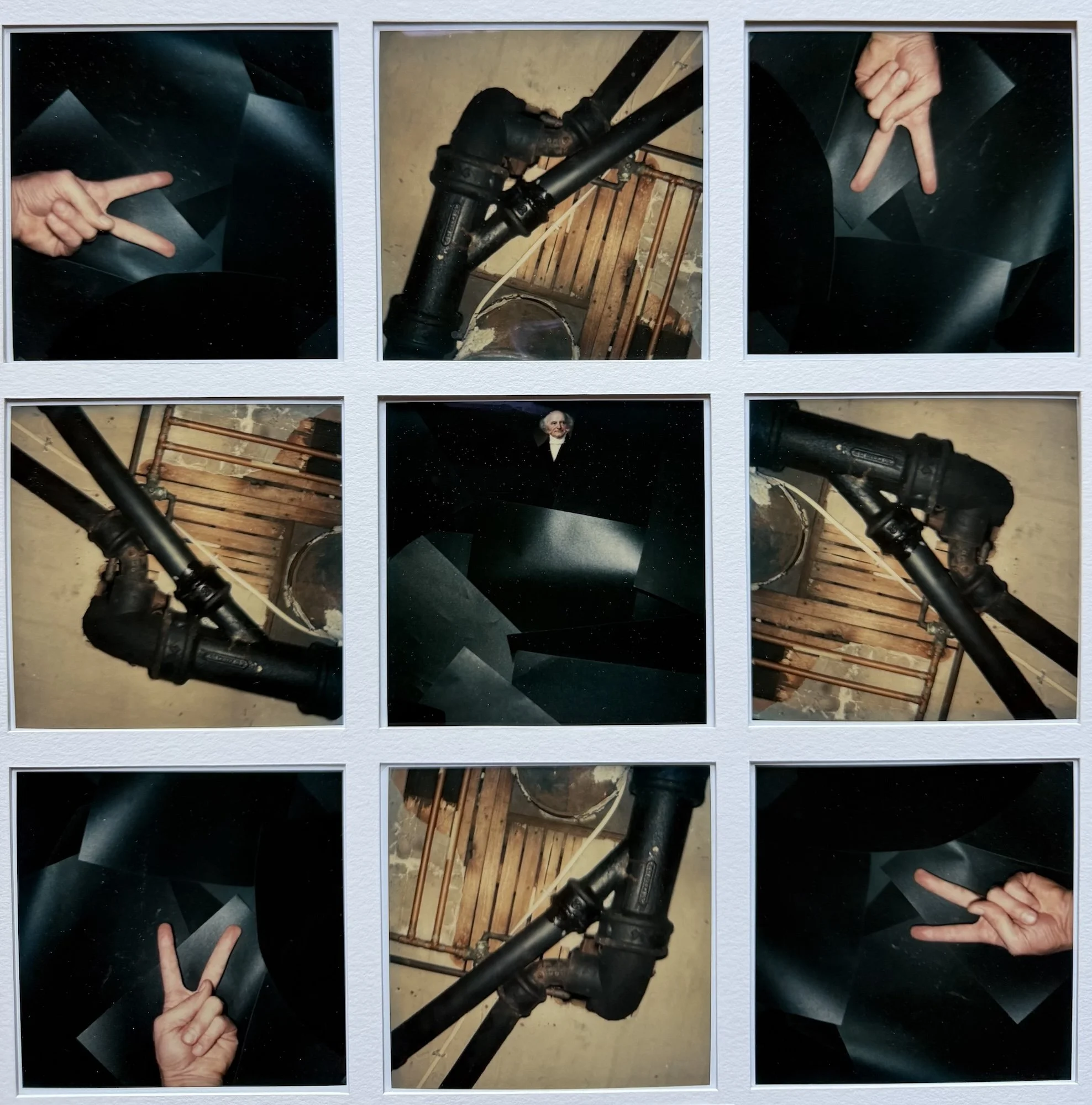
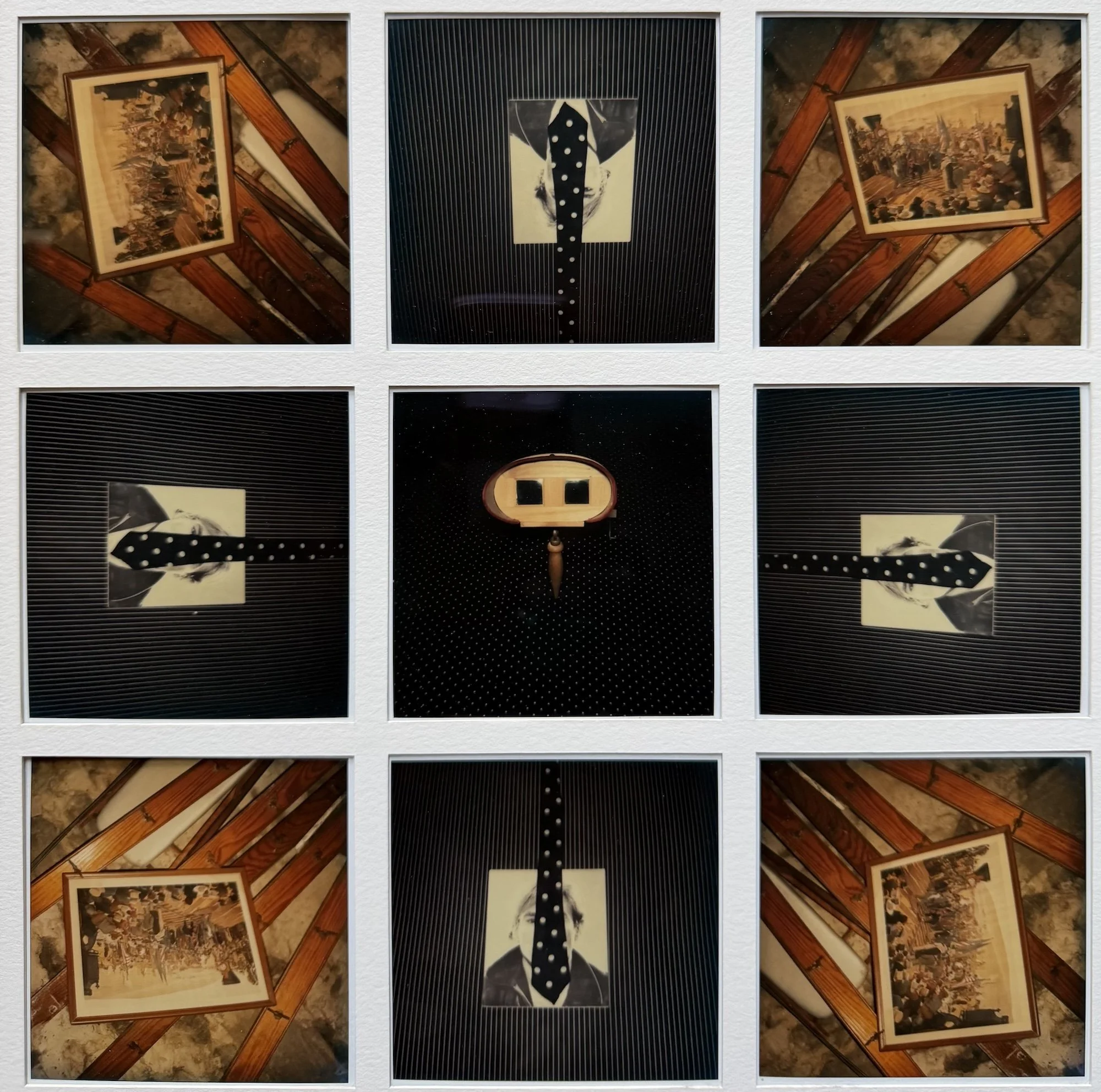
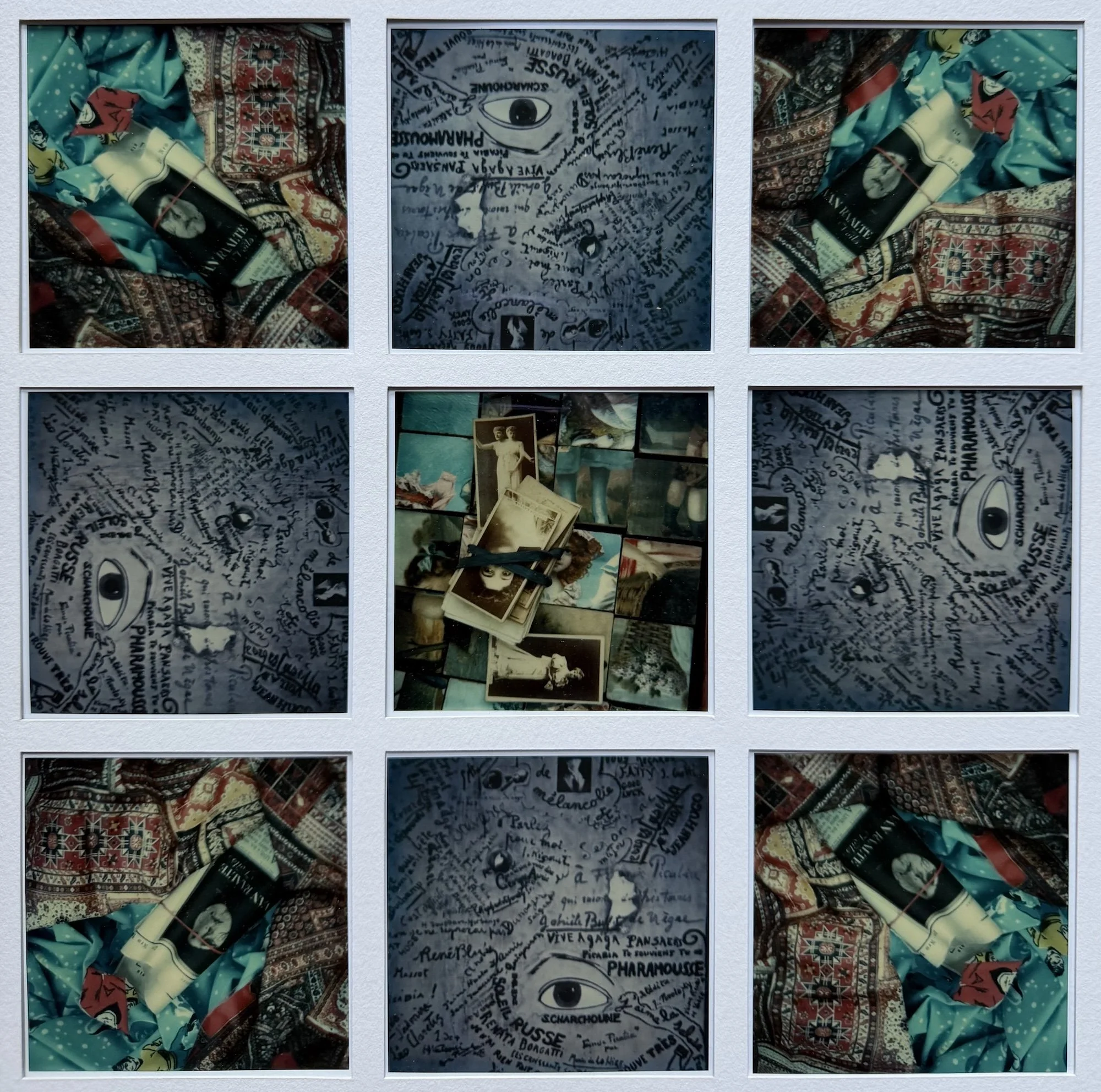
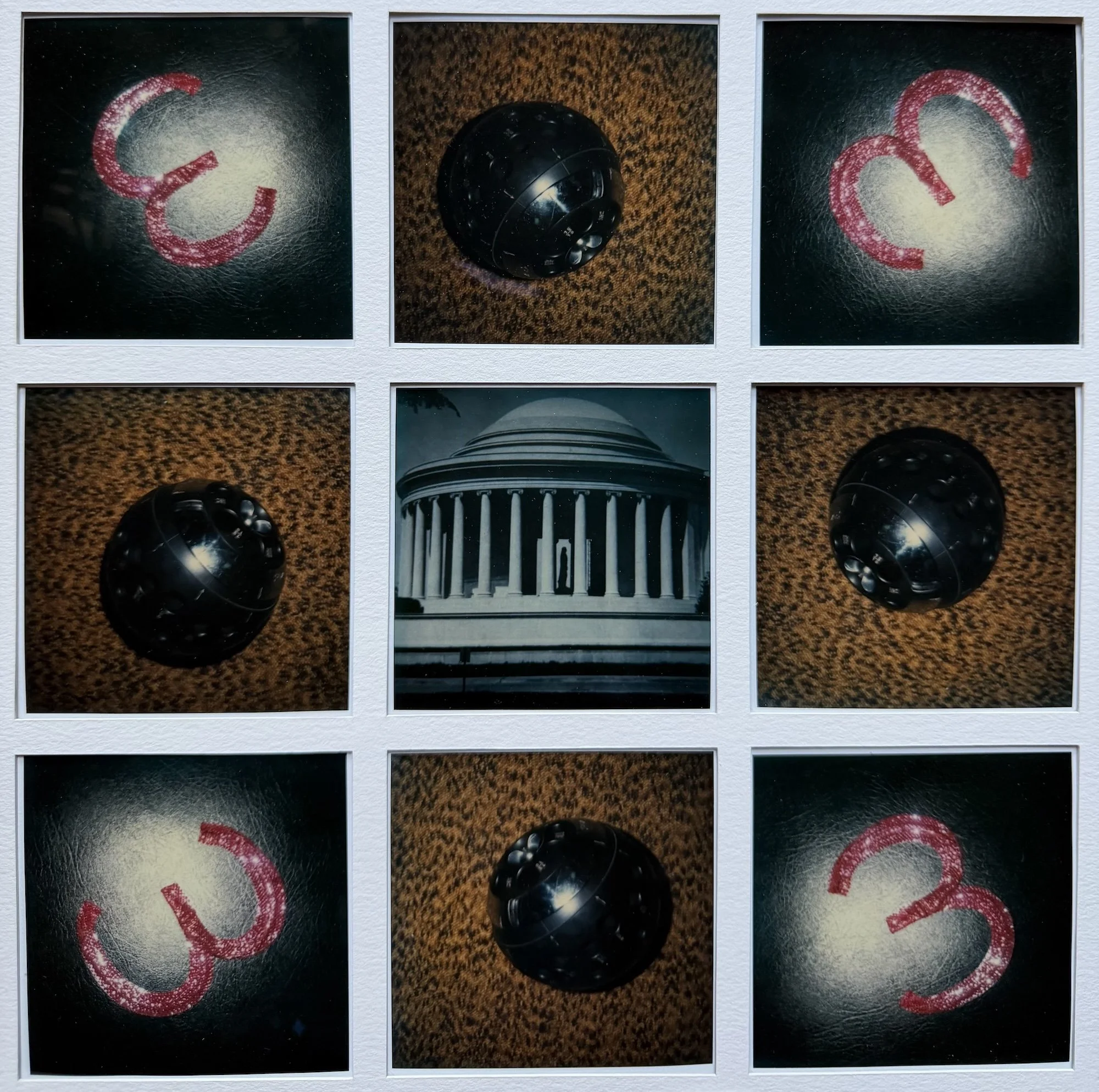
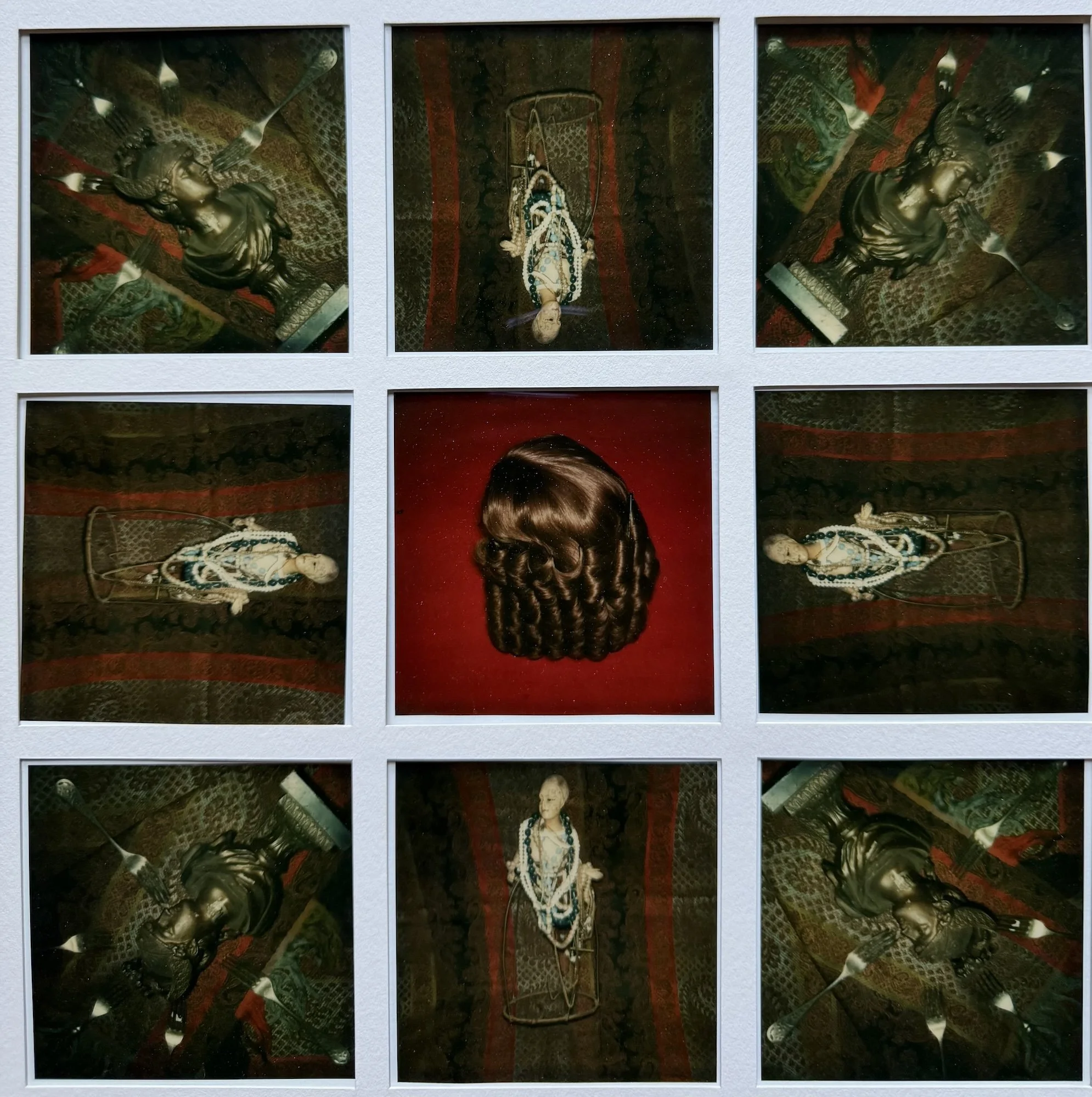
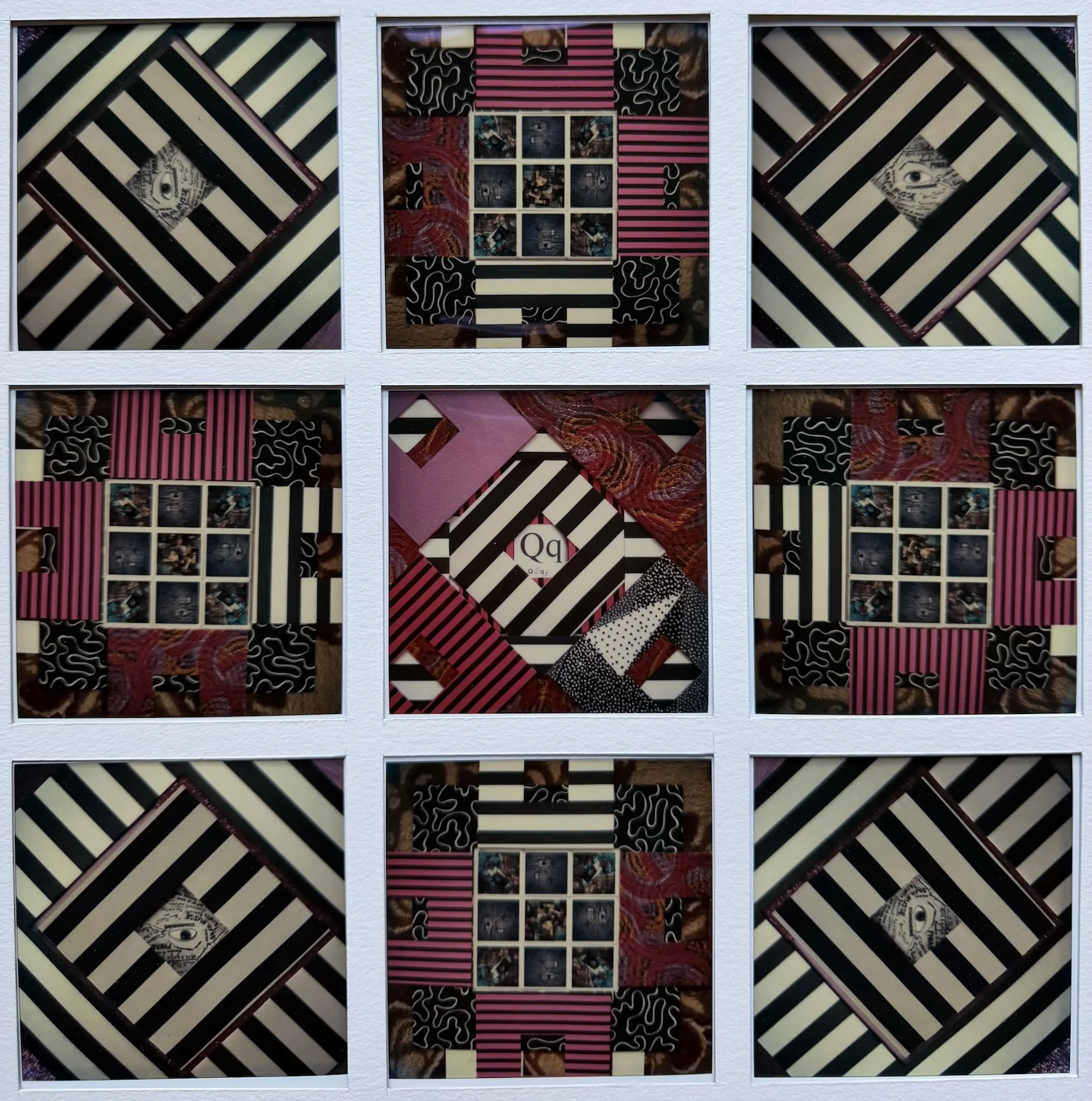
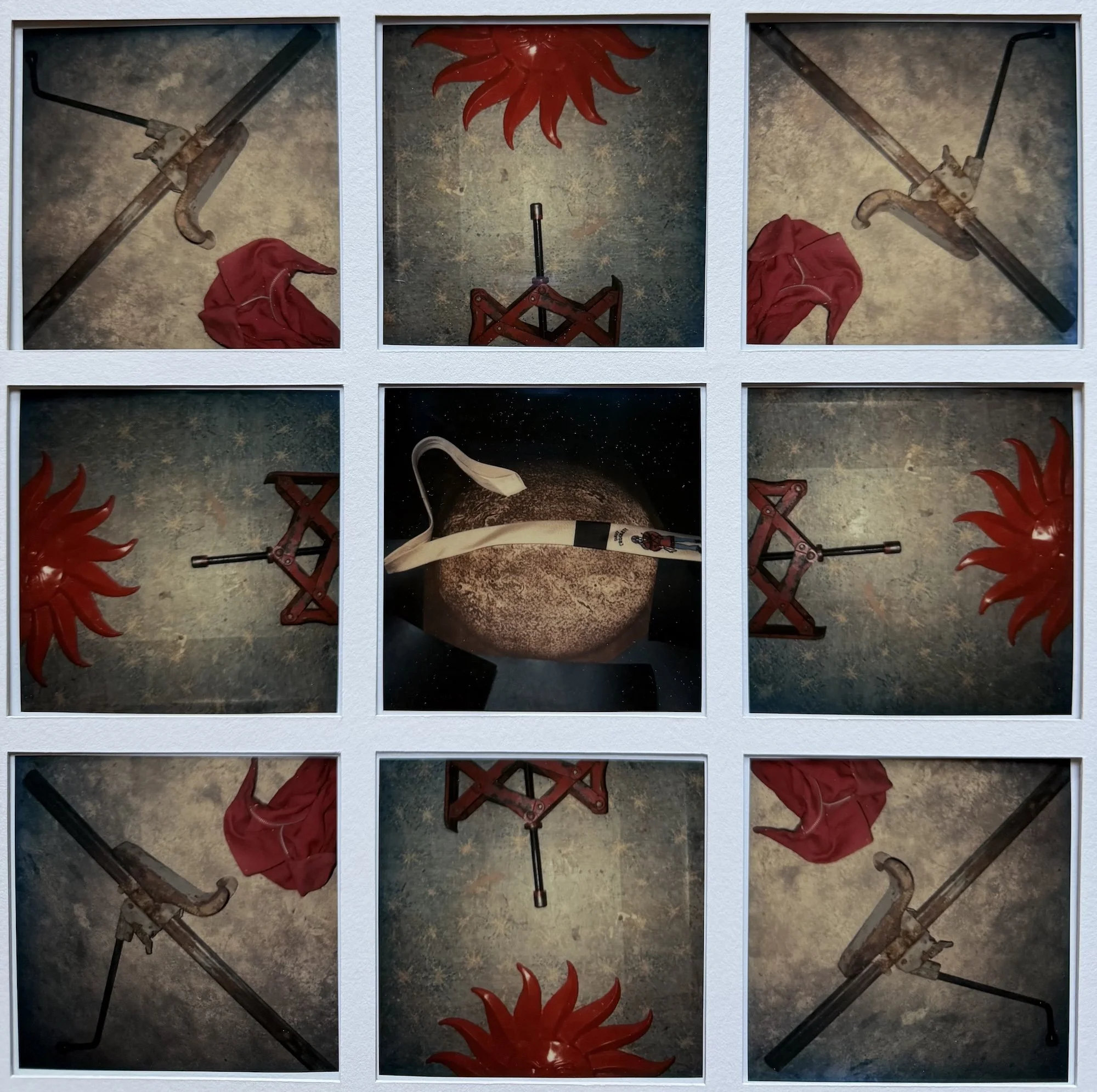
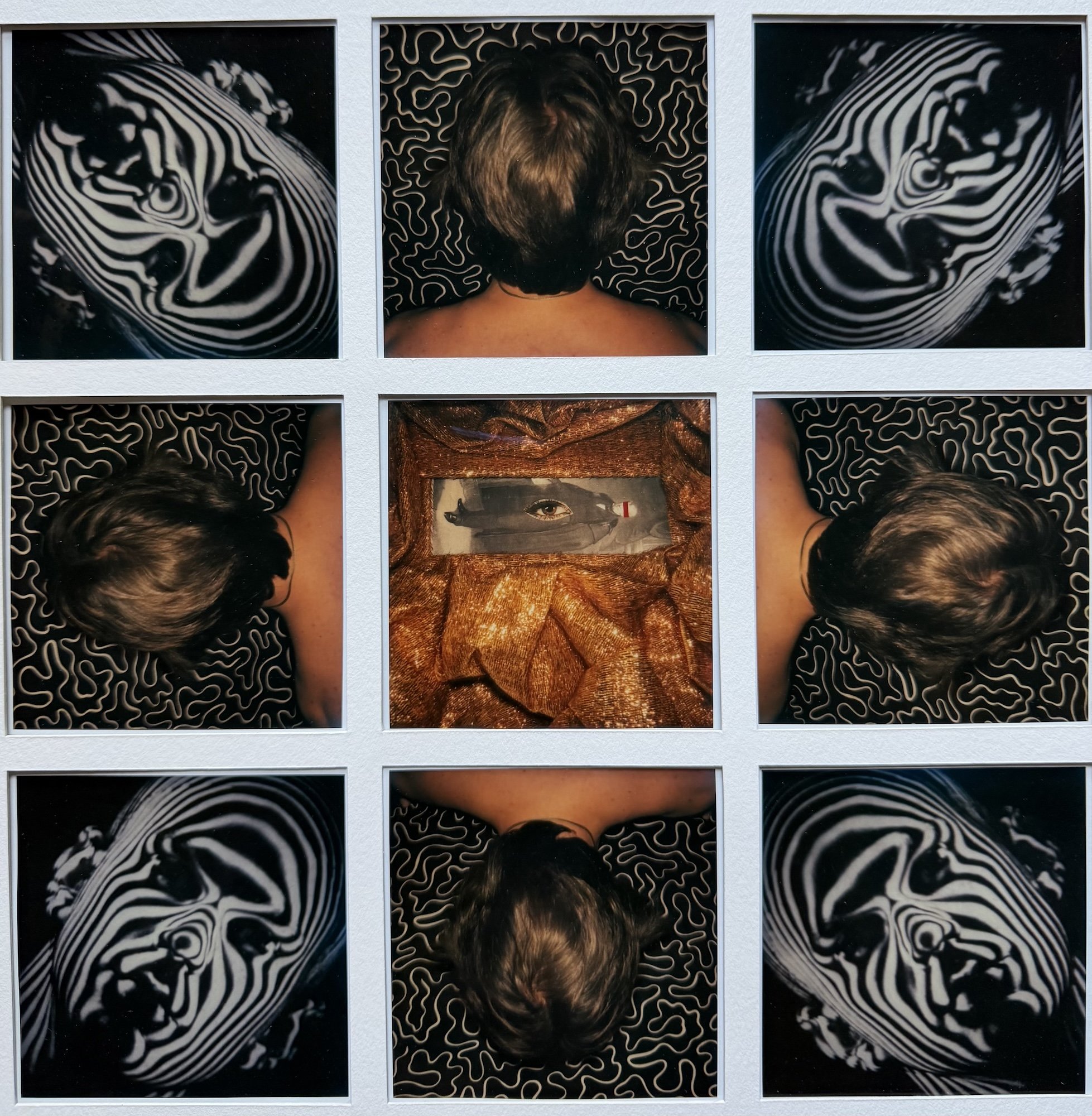
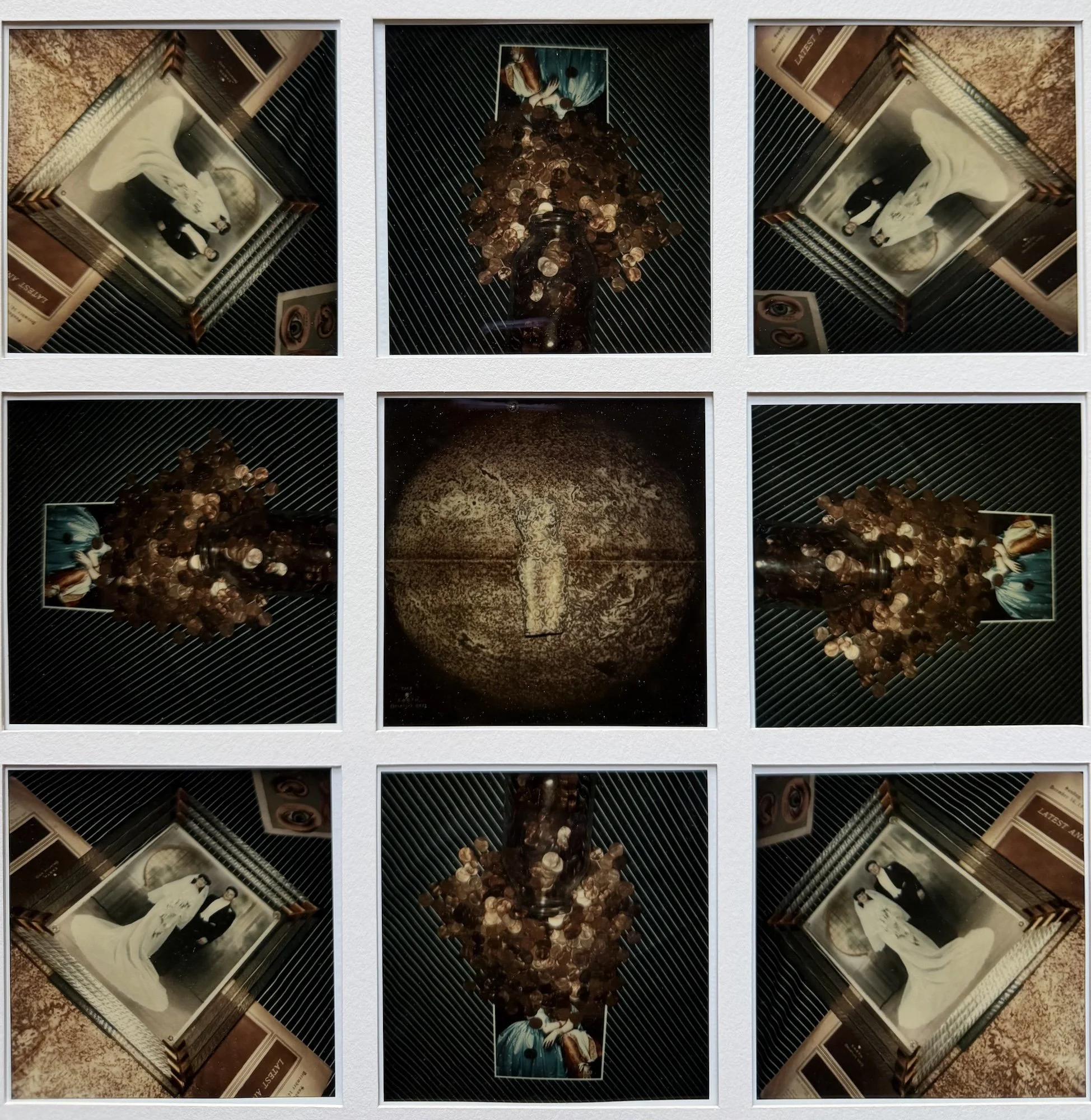
The Presidents By John Gintoff
This series was created from 1978 though 2026. Each image is created from an assemblage of nine Polaroid SX-70 prints or, more recently inkjet prints using the same scale. These compositions become a symbolic “portrait” of each president utilizing either actual portraits, objects reflective of that president or his era, or a visual pun on his name. The symmetricalness of the assemblages become, for me, quilting squares, and if all of the series were put together, they would form a quilt, maybe for the Lincoln Bedroom in the White House. -J.G.
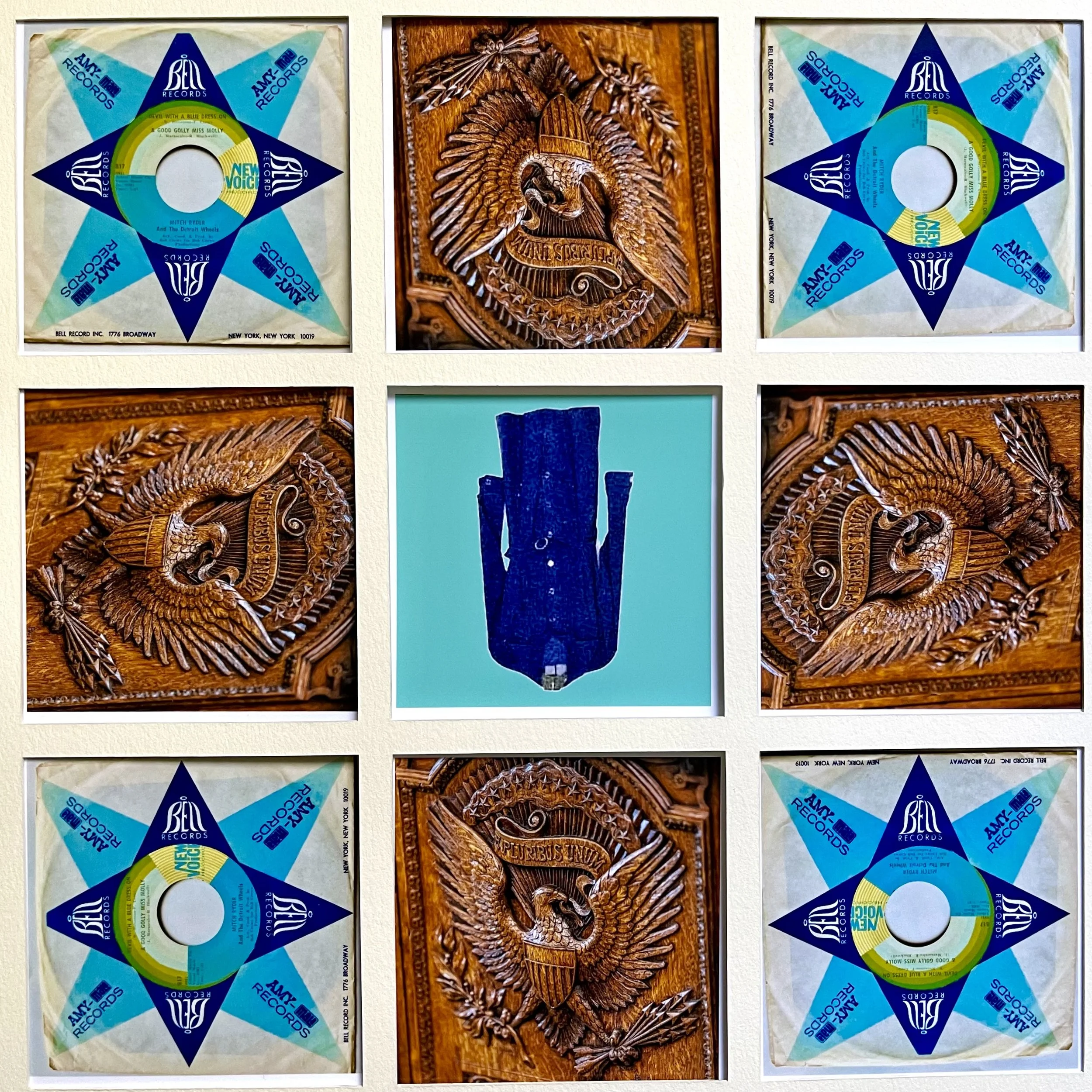
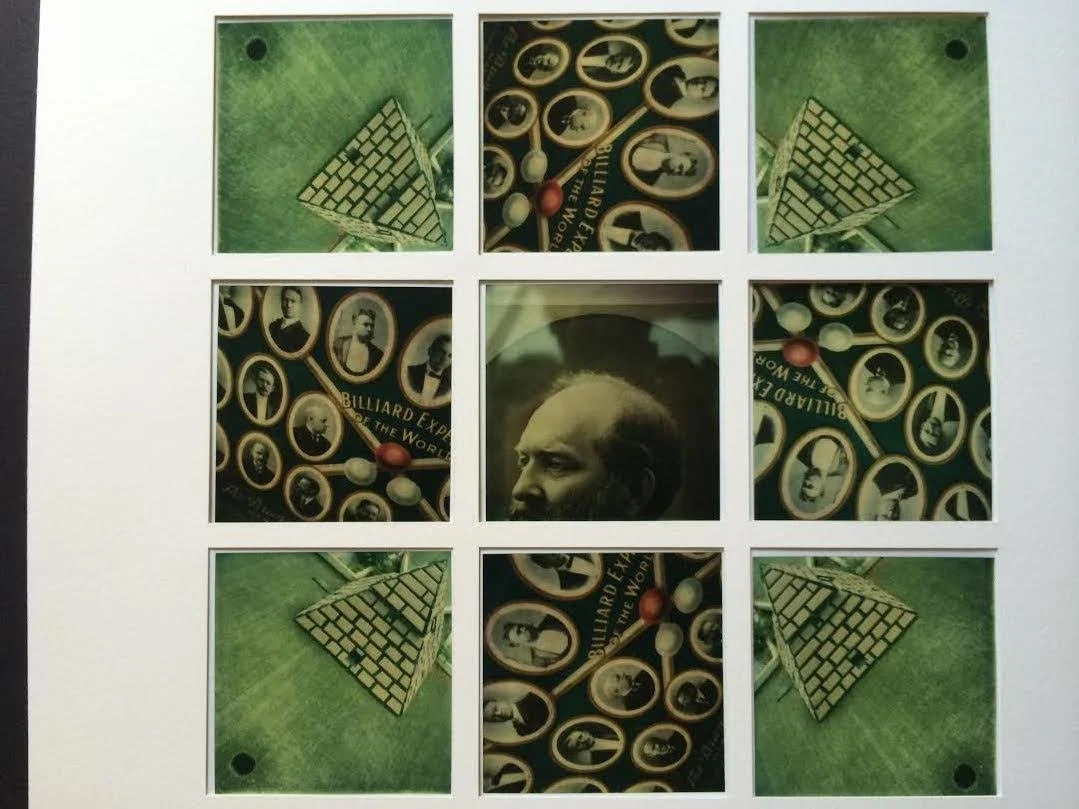
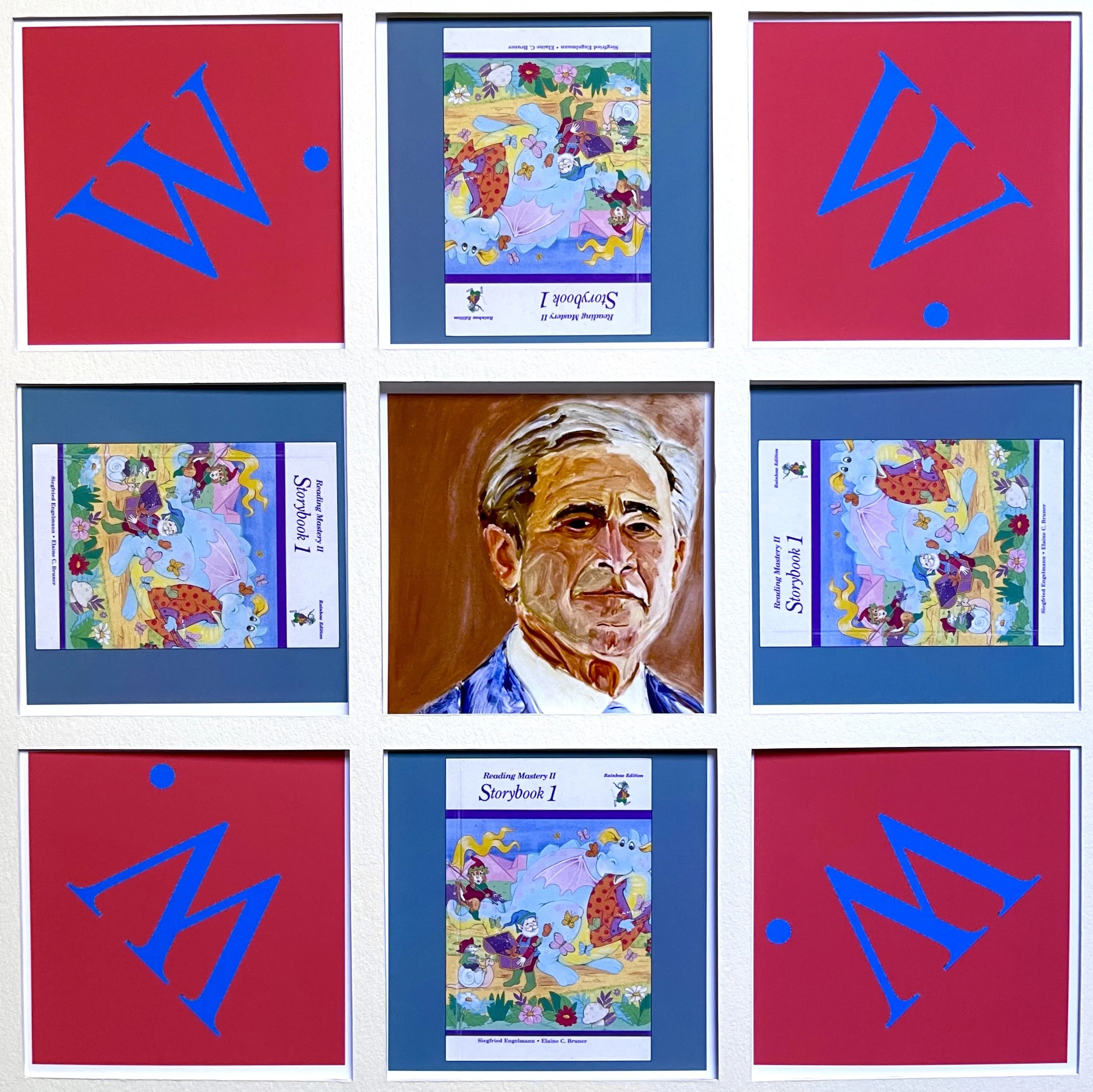
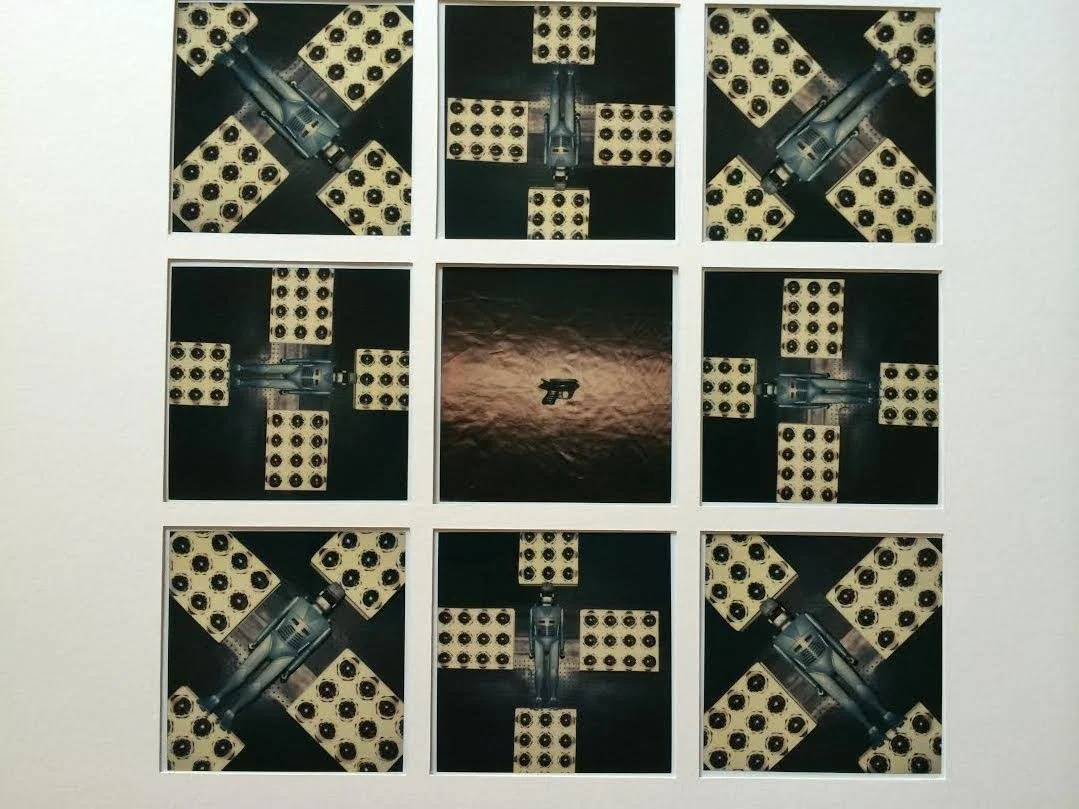
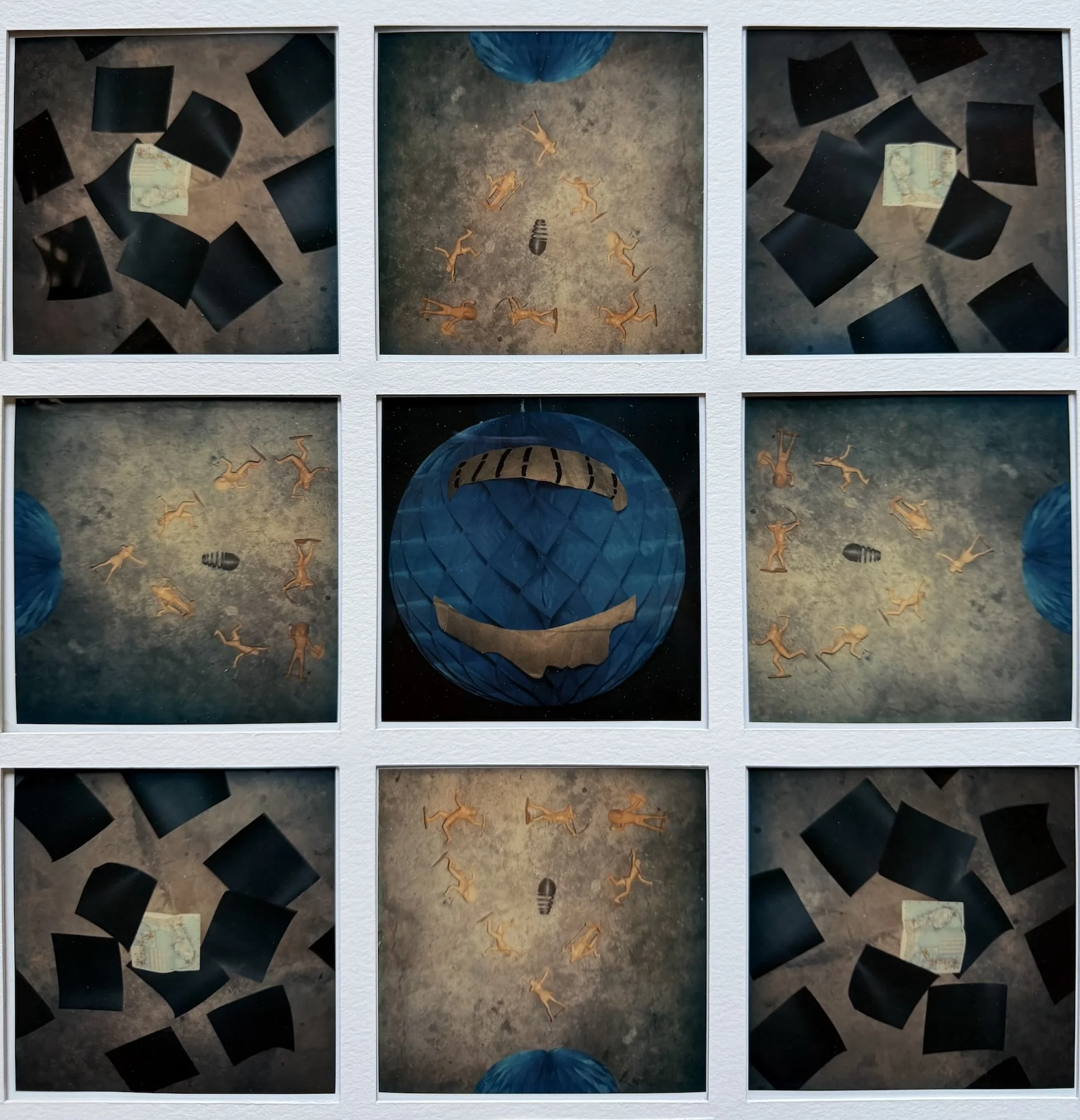
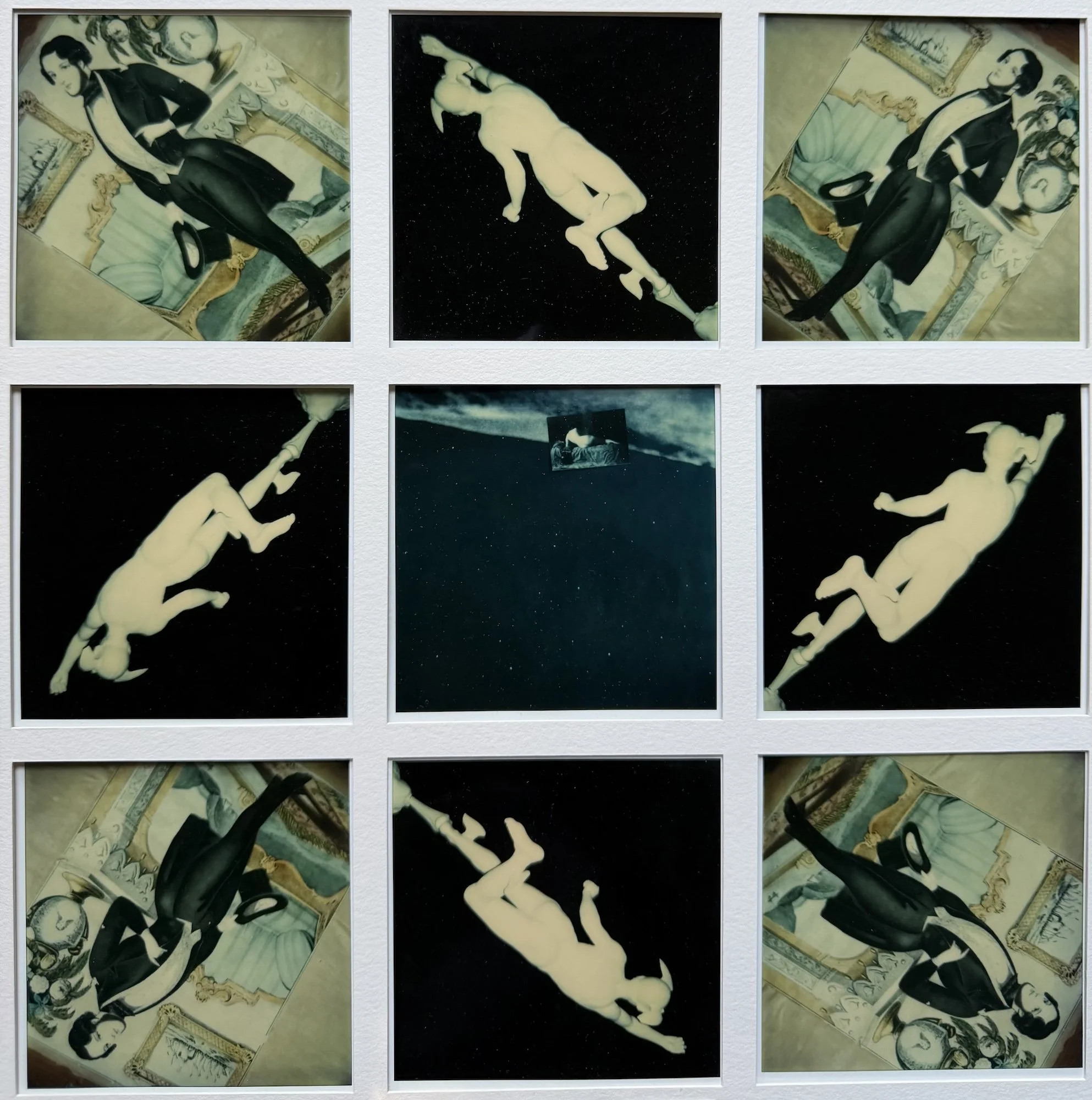
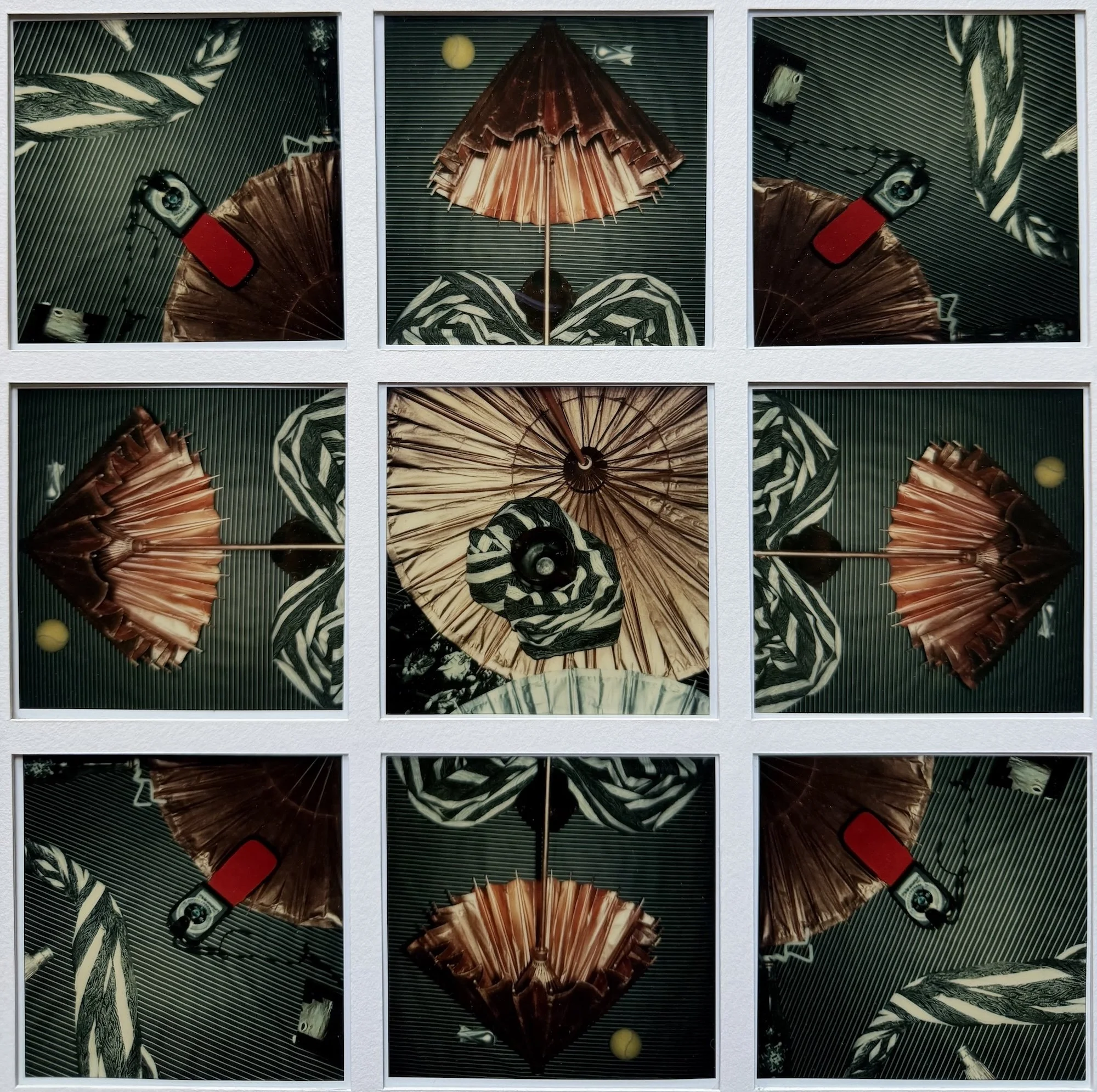
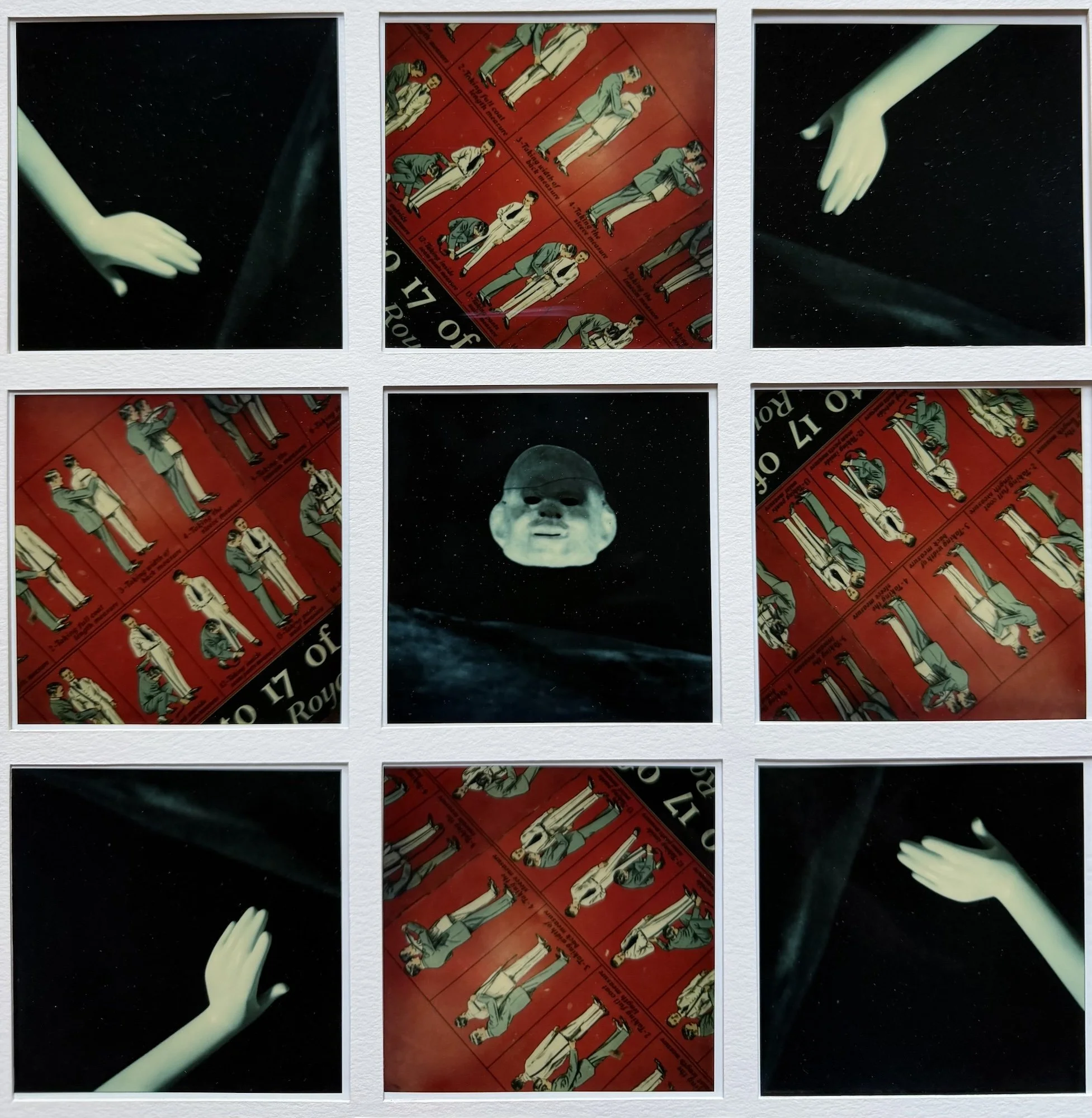
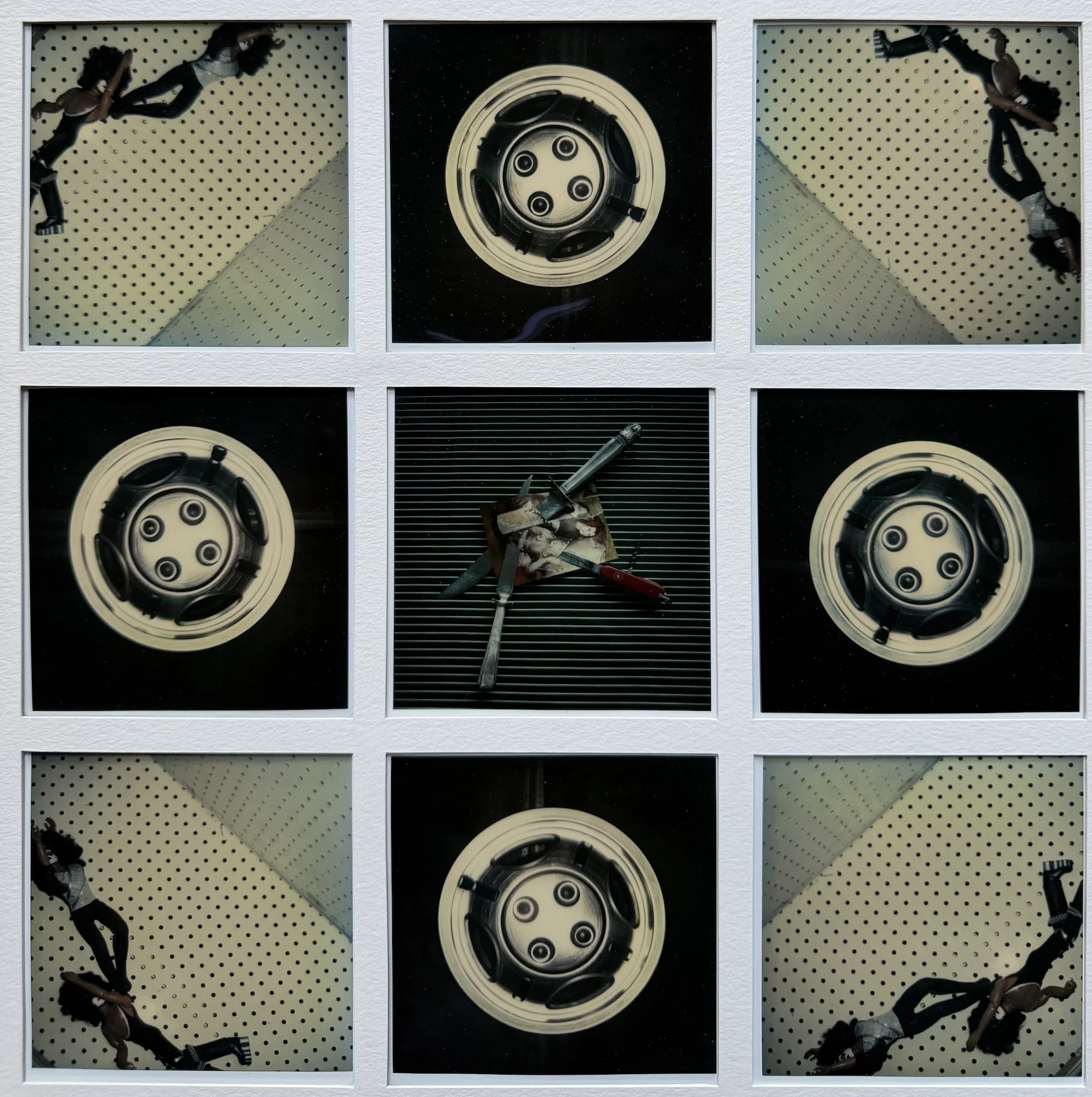
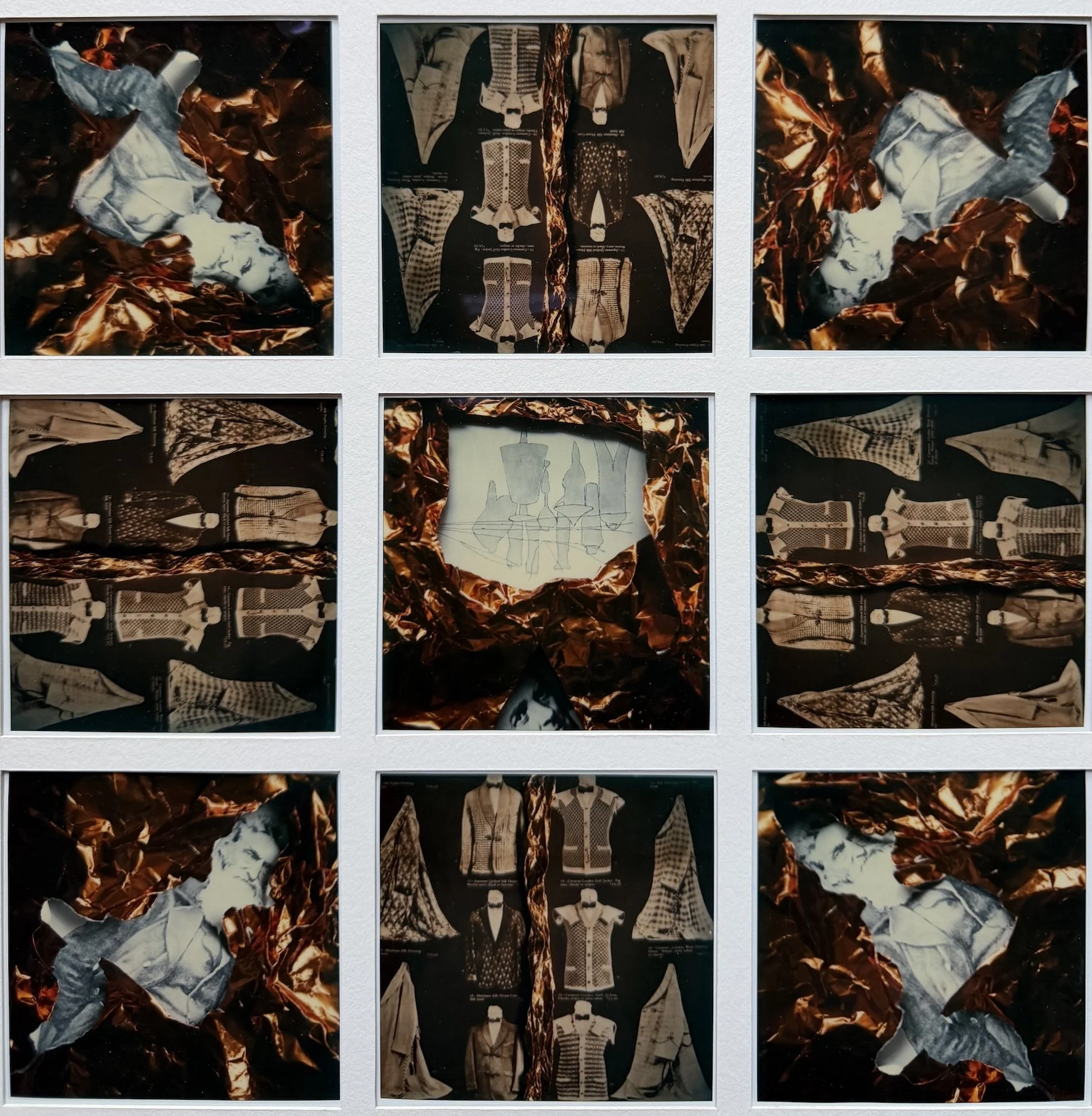
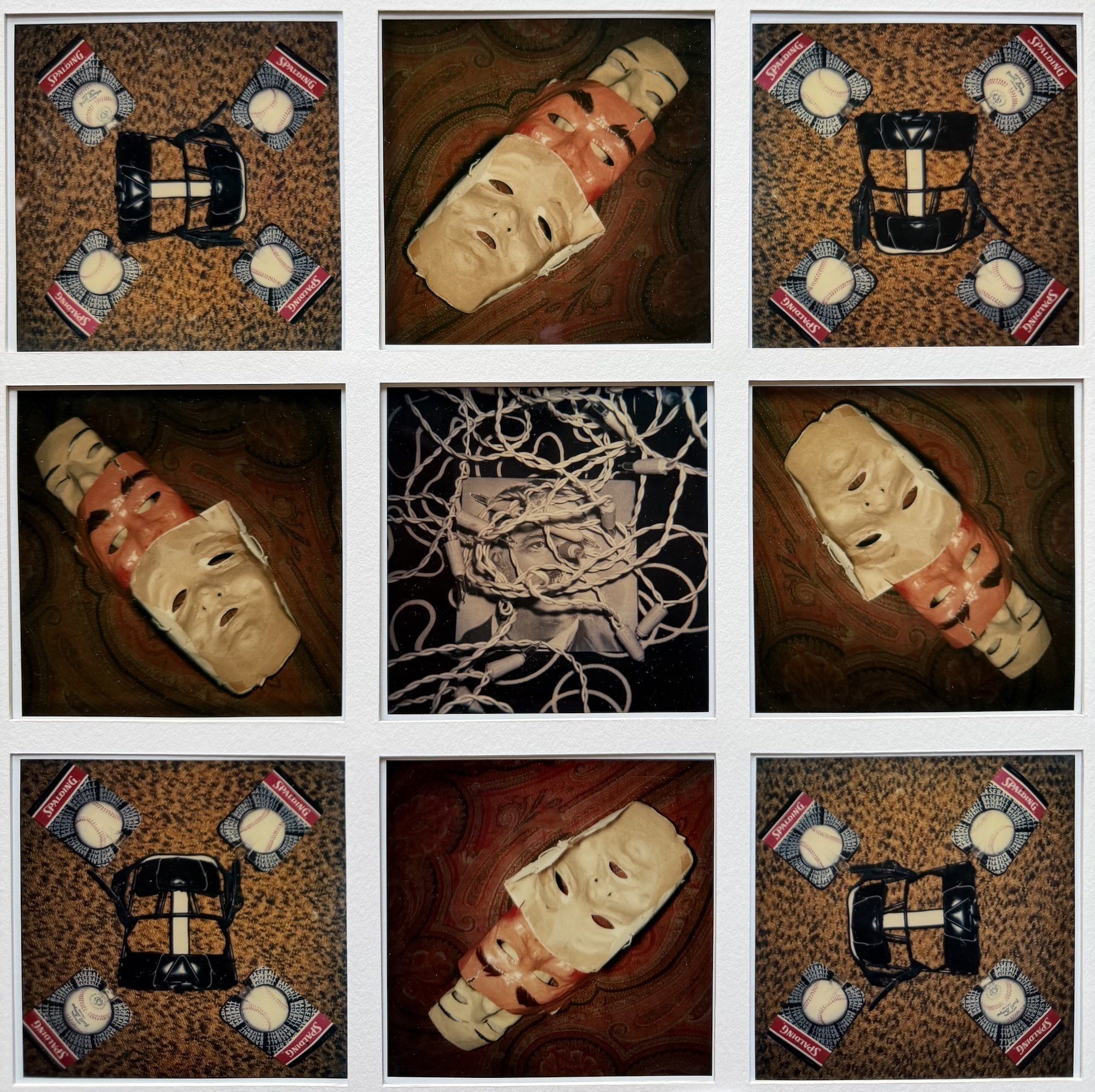
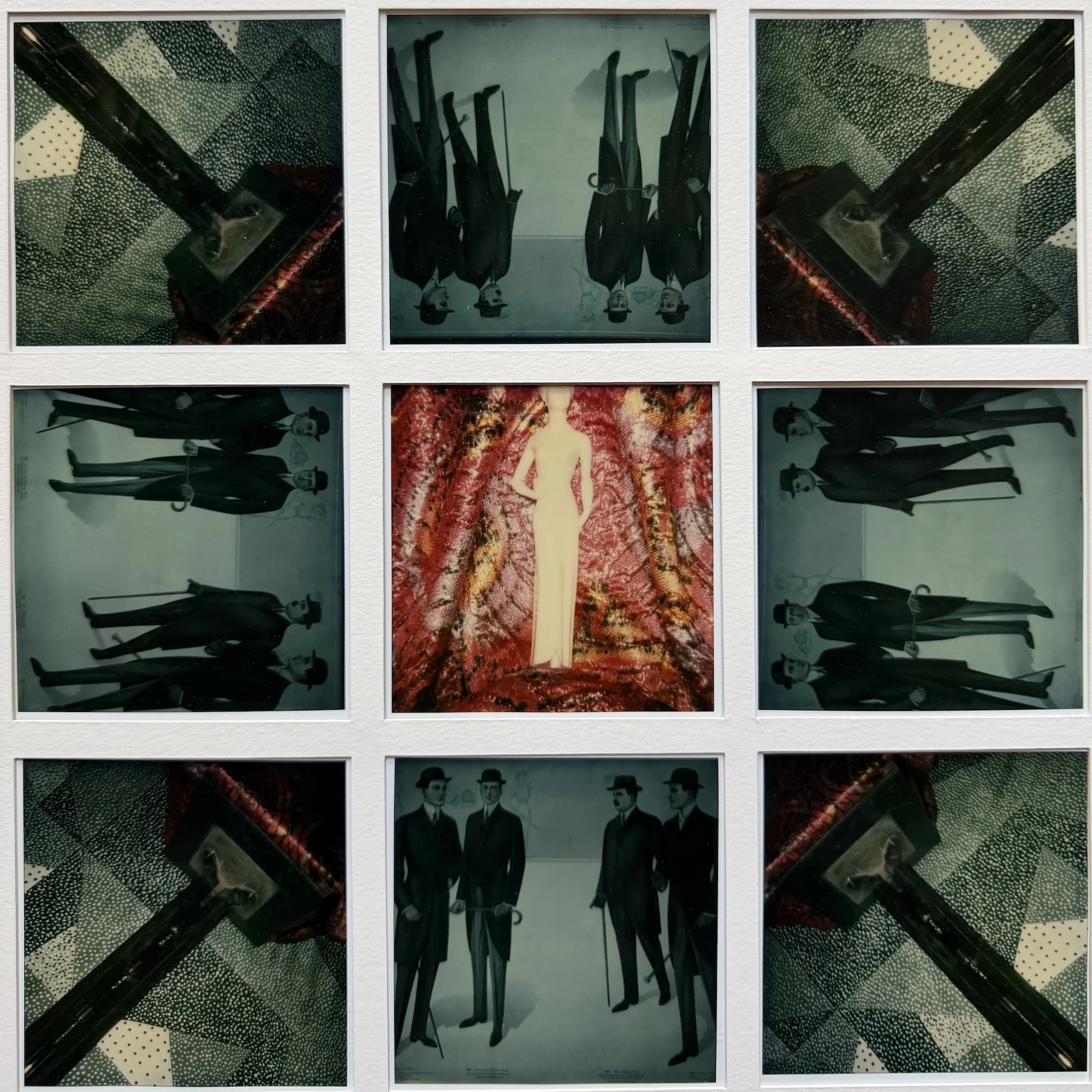
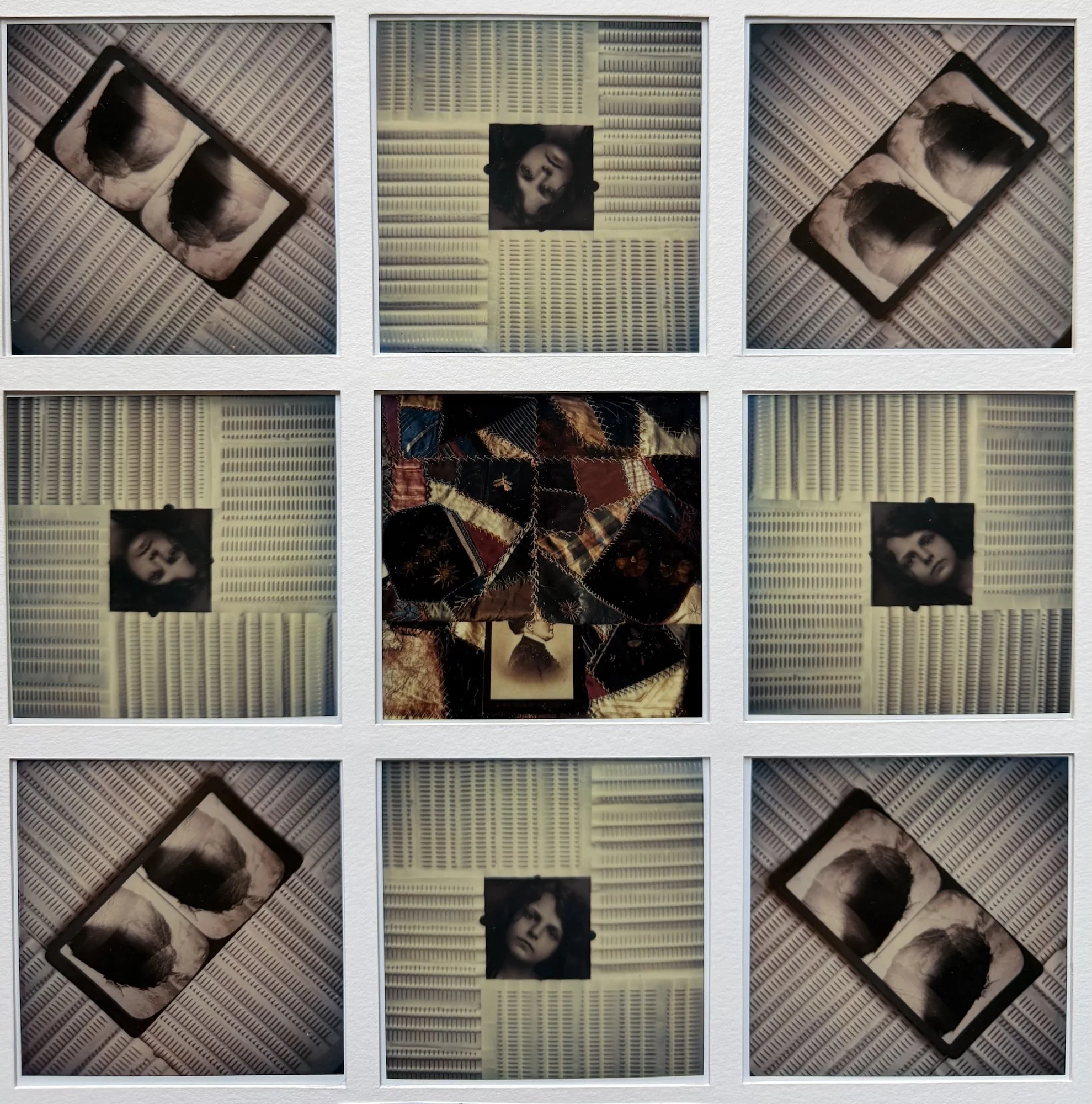
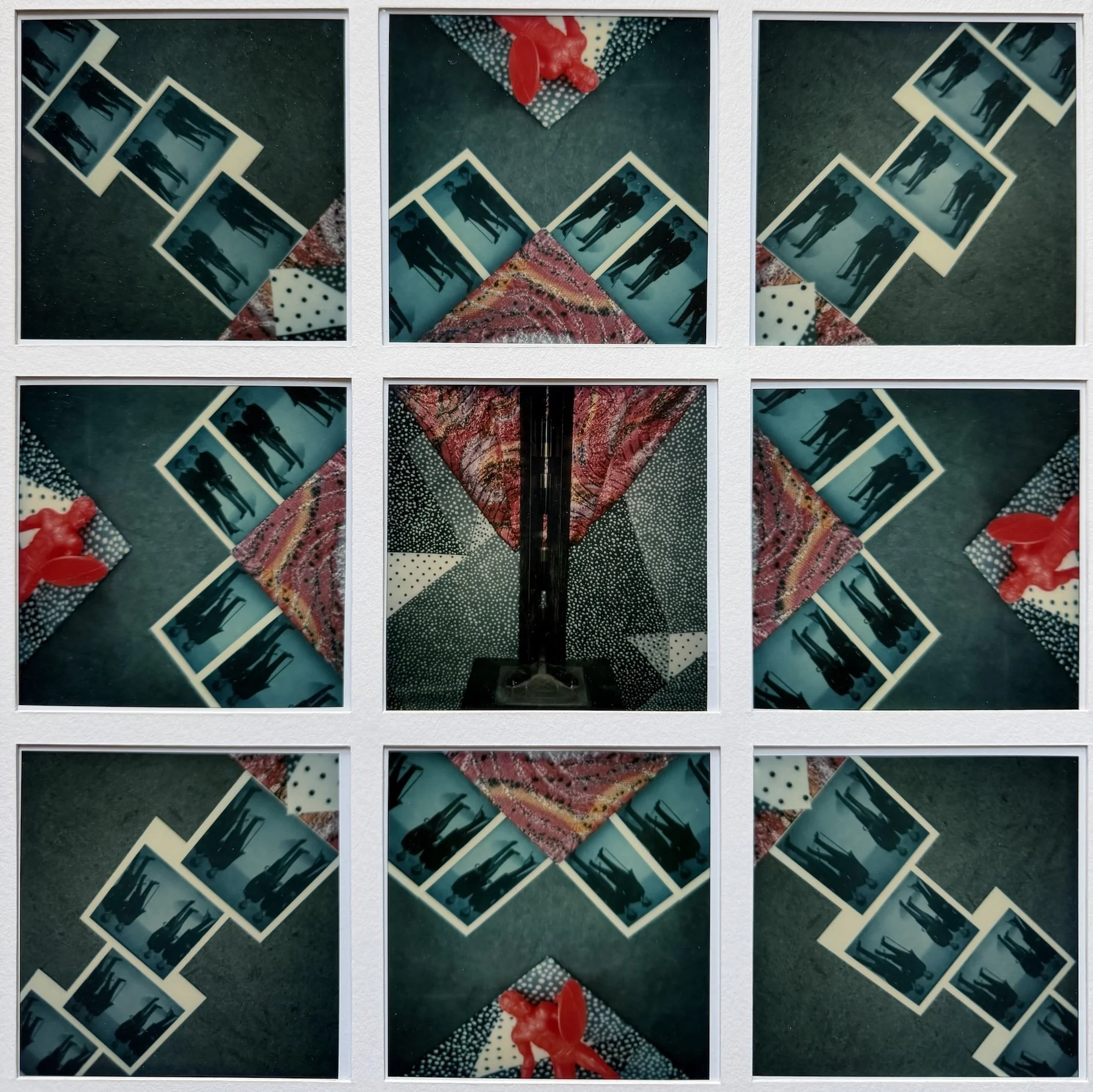
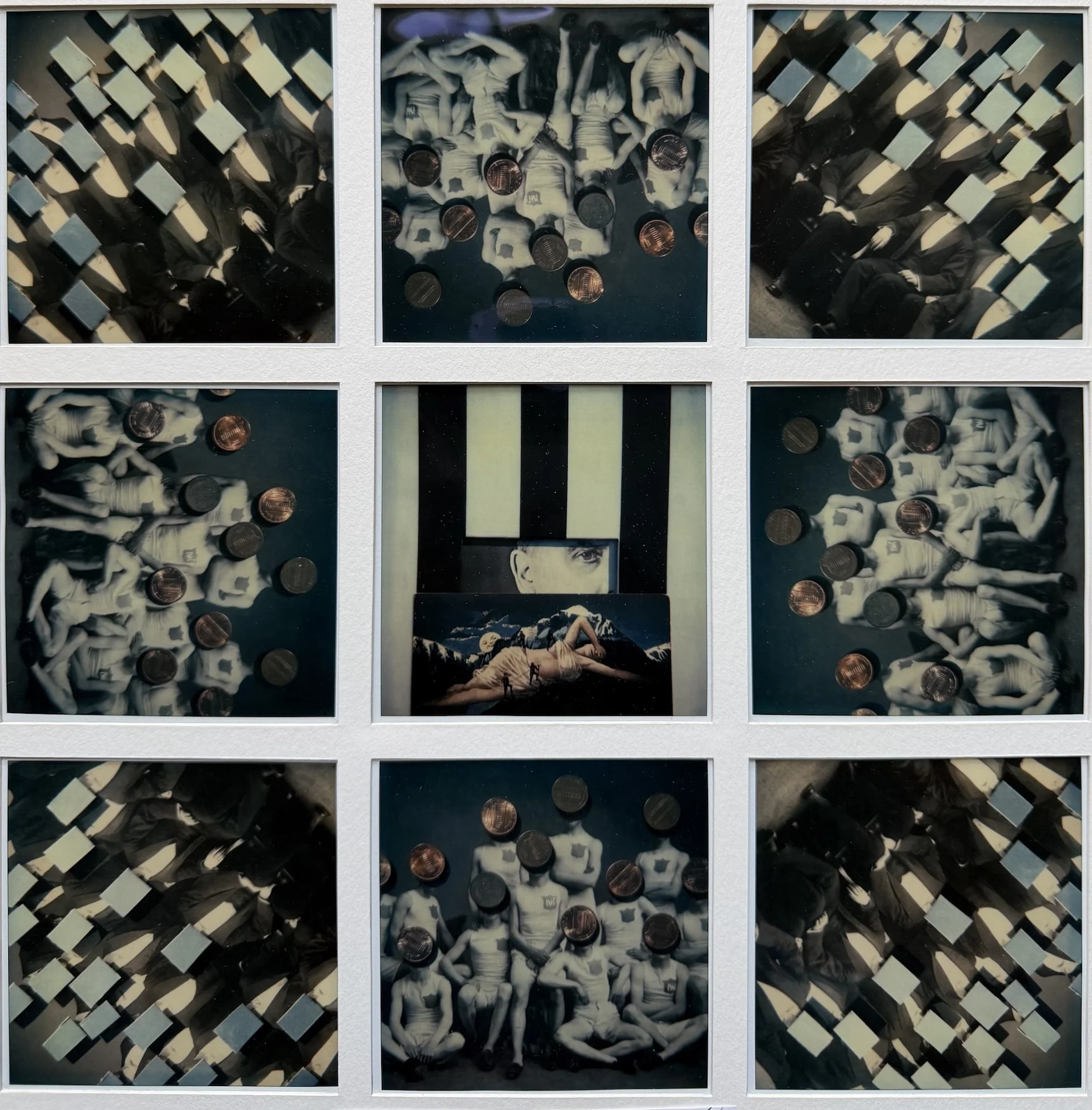
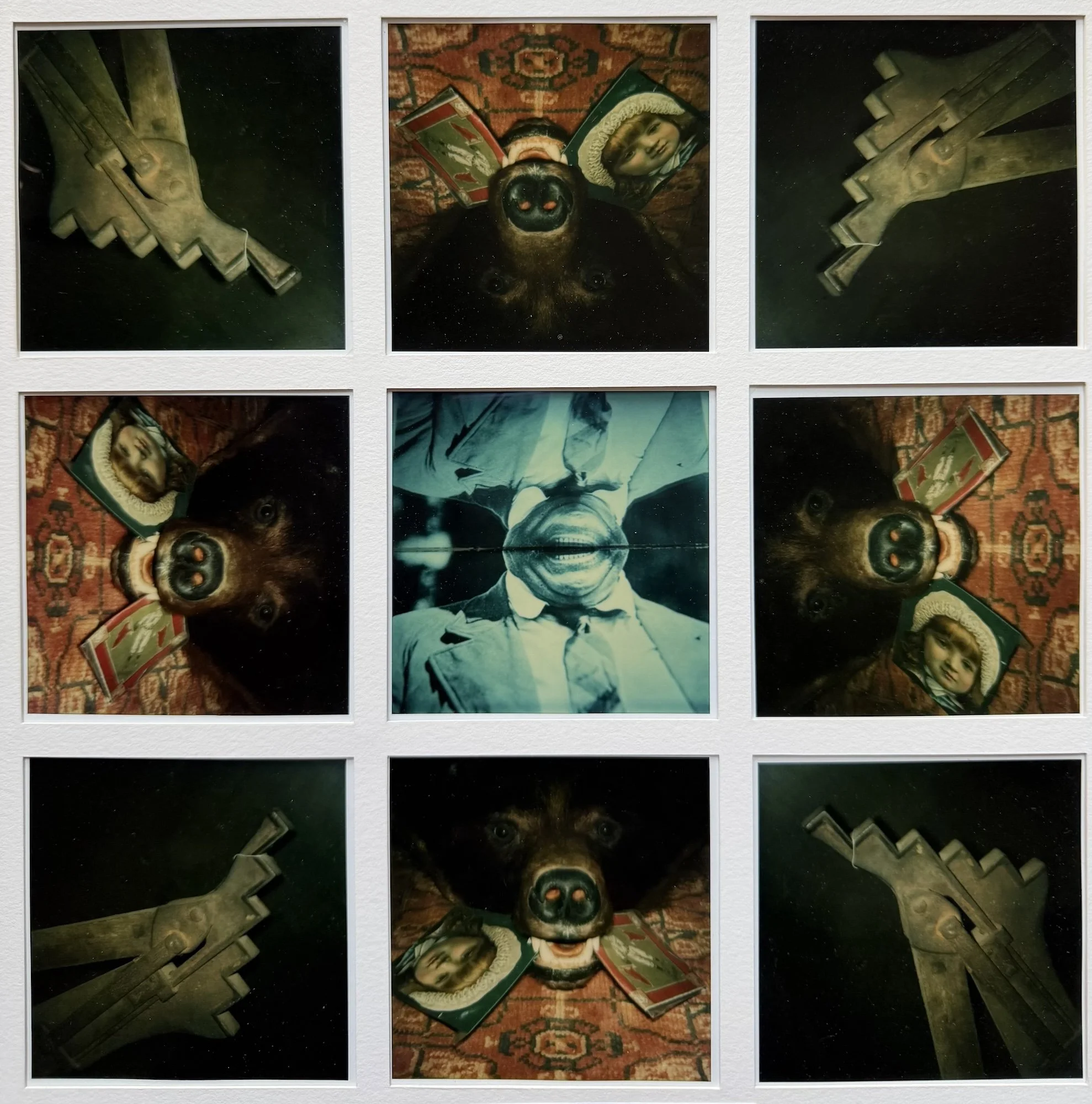
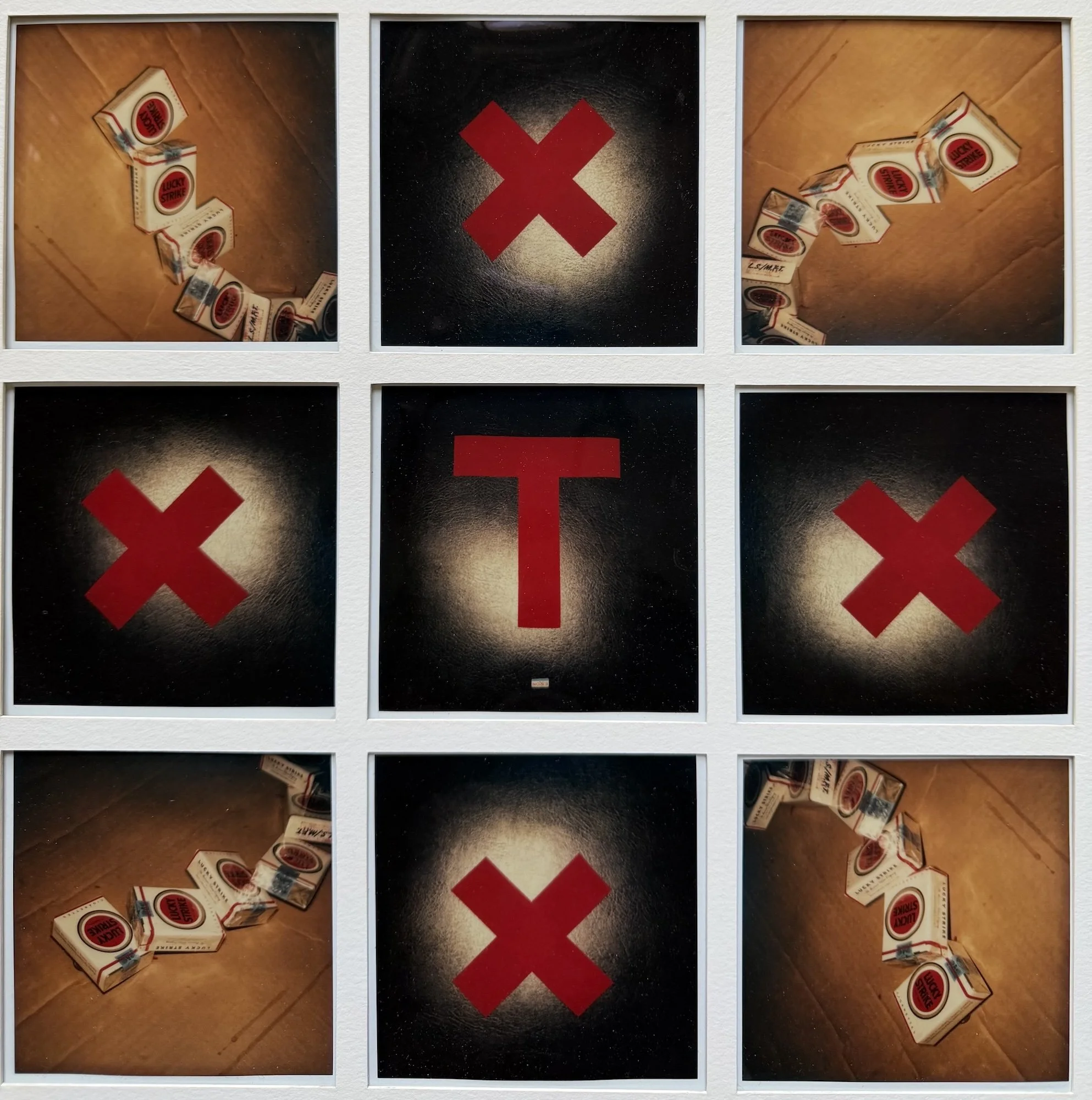
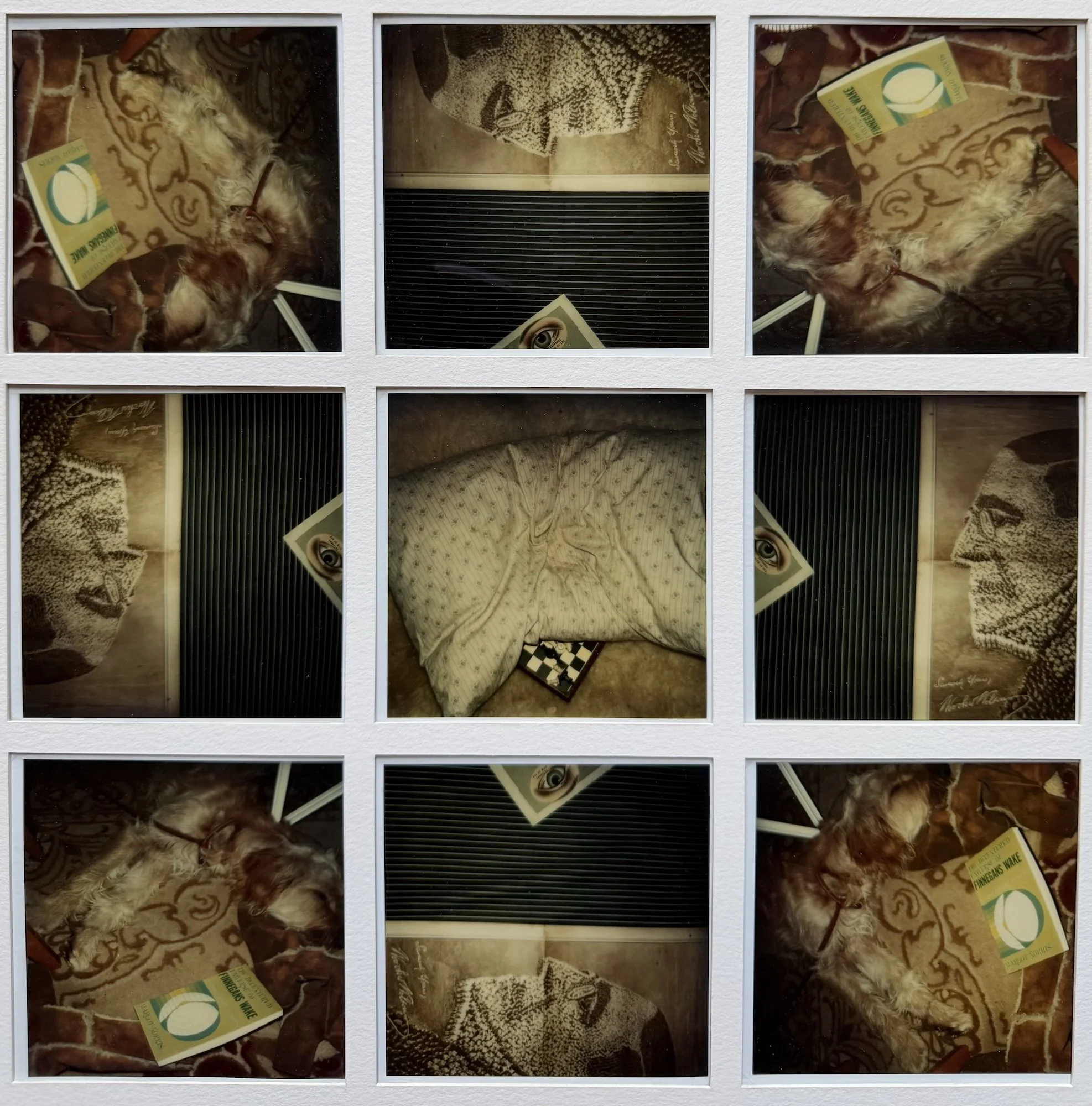
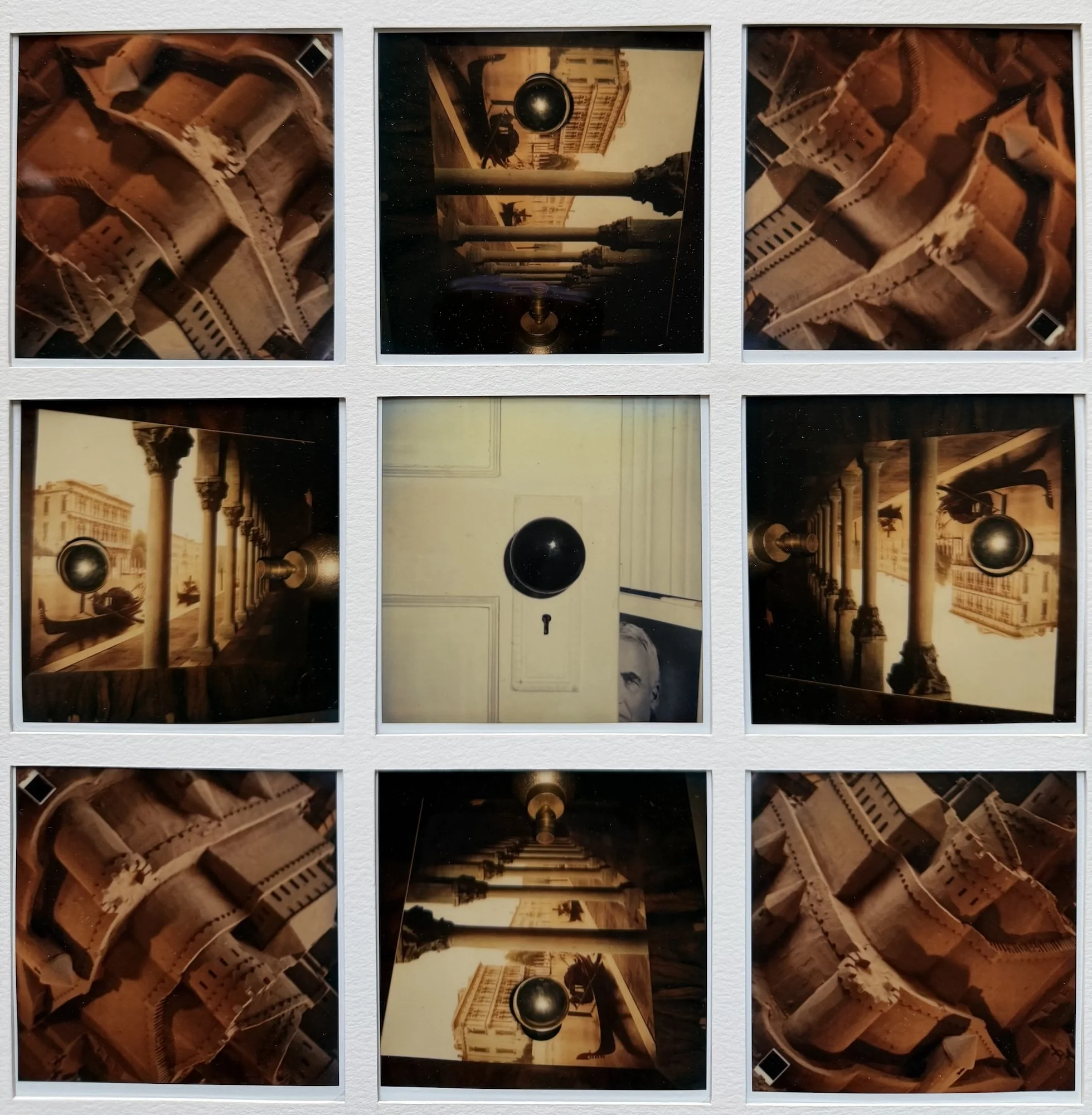
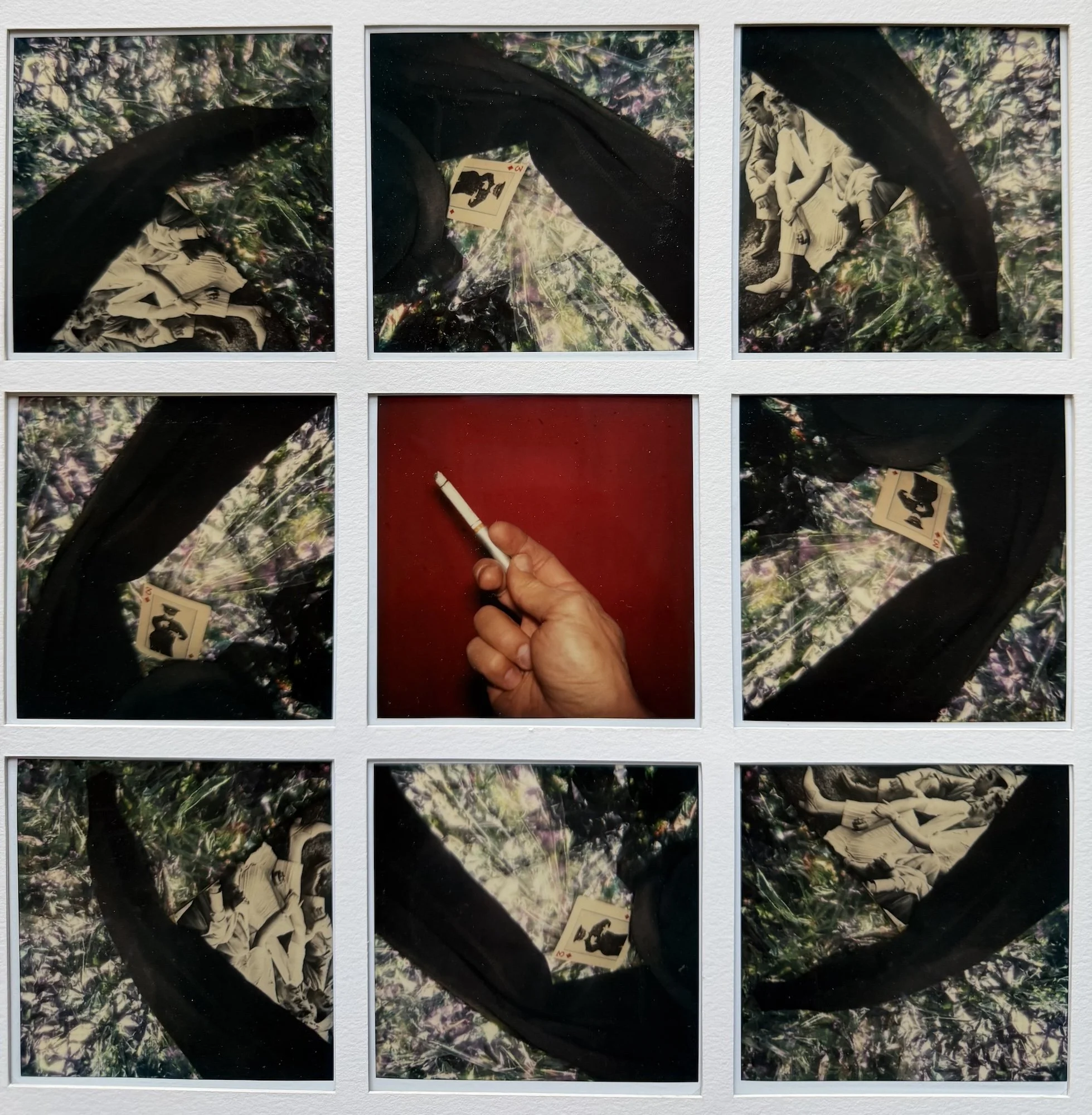
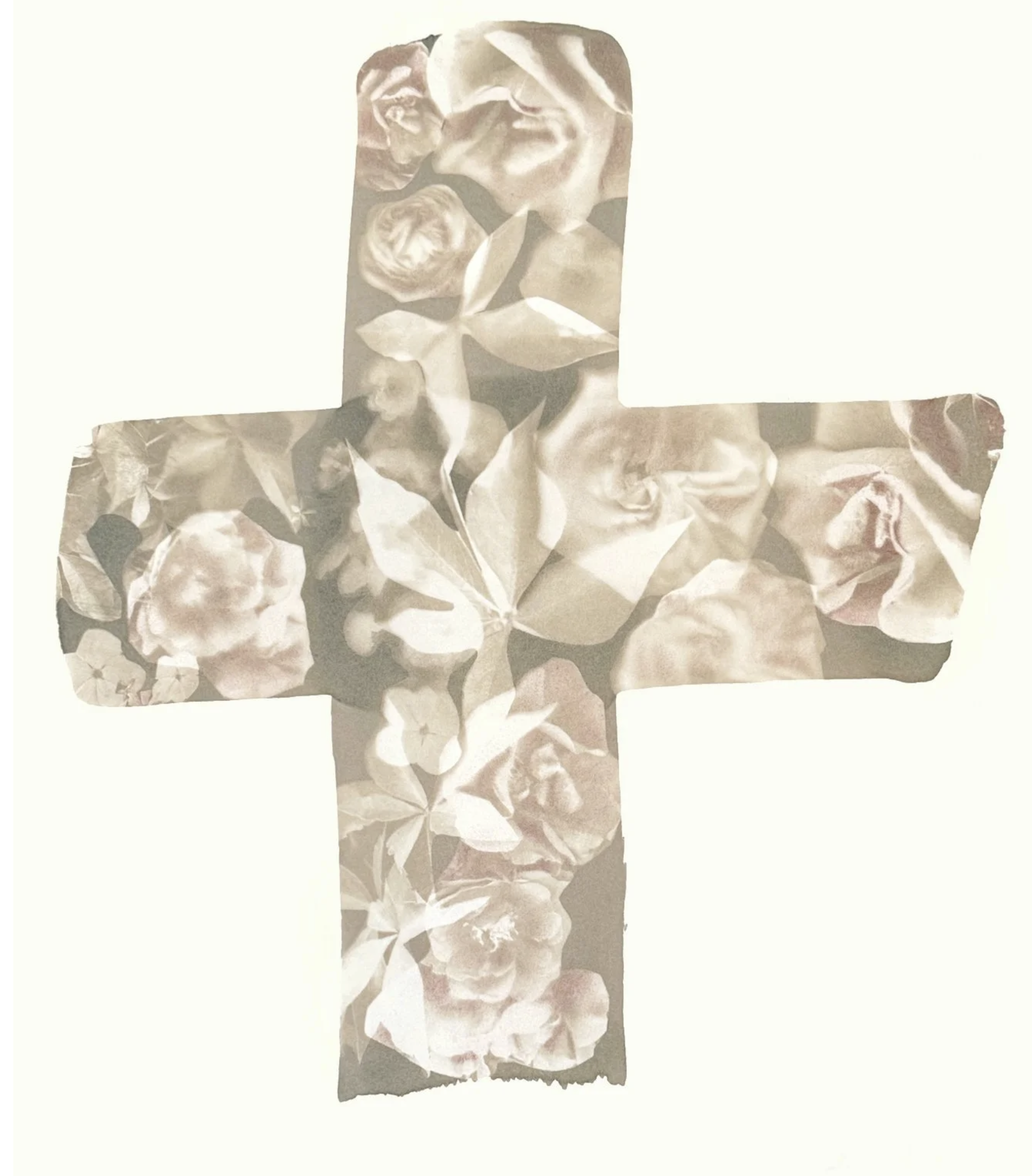
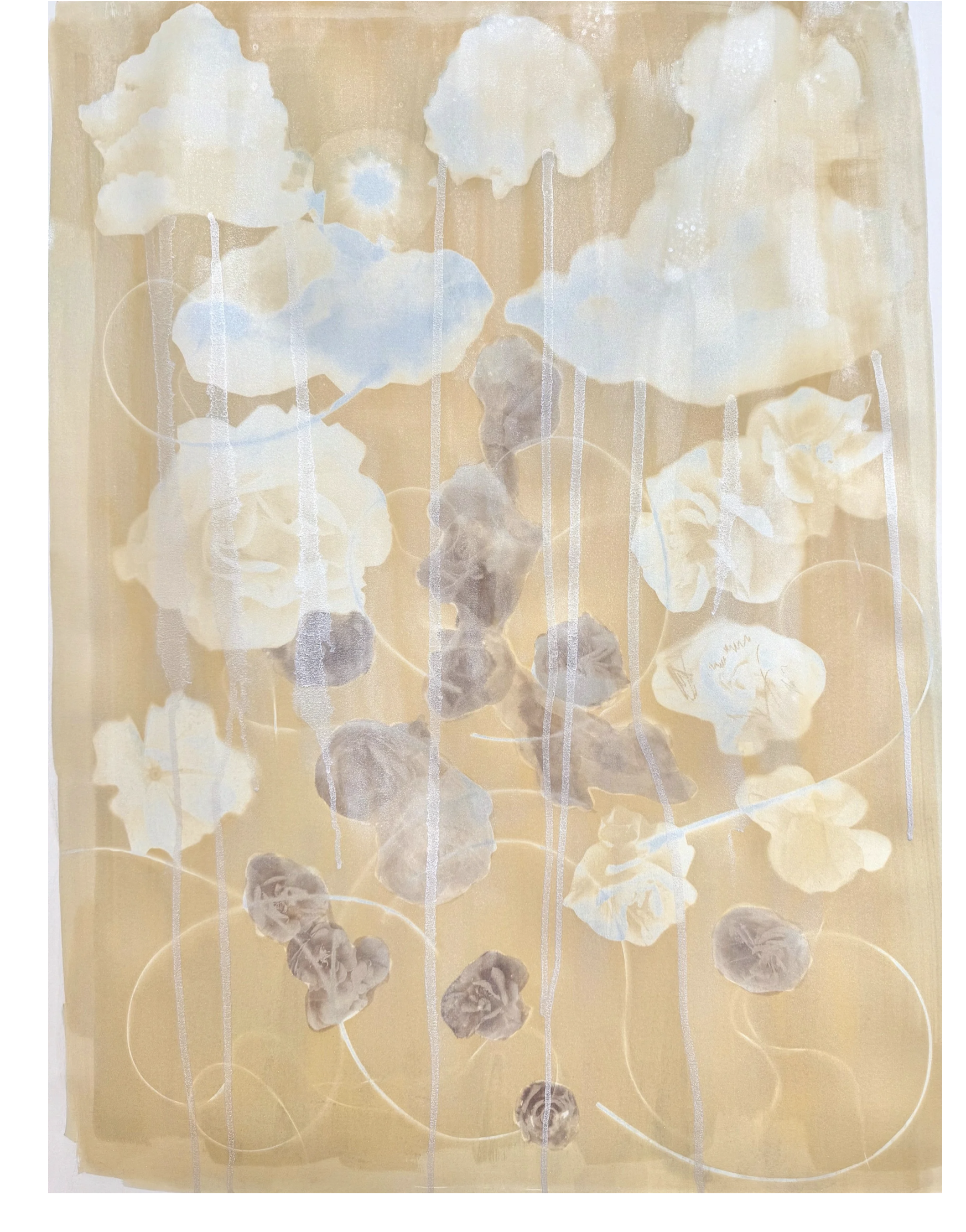
Susan Murie, Harmony, 1/1, 2025, Bleached and toned cyanotype and colored pencil on paper, 12 x 9 inches, $200
I use my time in the studio to investigate the unique properties of cyanotype and my connections to the natural world and the sea. I sometimes tone the prints with tannin rich solutions such as green tea, yerba mate and coffee which affect the iron salts and turn the blue of the cyanotype into blue black, eggplant black and sepia black with tinted highlights. I often work watercolor, gouache, spray paint, pastel and ink into the prints of my chosen motifs of plants and flowers, vintage artifacts, found objects and architectural elements. Looking at my work, there are themes of falling, gravity, beauty, the passage of time and disrupted nature. I draw on my time as a professional gardener, a parent and my background in theater to present these tableaus of a fragile and out of balance world. - S.M.
Susan Murie is an artist living and working in Boston, MA. Recent exhibitions include the Copley Society of Art, Mass Art Auctions, Fort Point Arts Space, Maine Museum of Photographic Arts, Photographic Resource Center, Boston, Cambridge Art Association, CAA @ CANAL, Abigail Ogilvy Gallery and Rhode Island Center for Photographic Arts. Her work has been featured in Art Scope Magazine, Boston Magazine - Boston Home, Podcast CyanUtopia, What Will You Remember Best Photo Picks and INKQ, Inky Leaves Publishing, London. Her work is in collections at Fidelity Investments Corporate Art Collections, The City of Somerville, Raffles Hotel Boston, Bellagio Hotel Las Vegas, Ritz Carlton, San Franciscoand private collections in the US and Europe. She was an Artist in Residence at TheTruro Center for the Arts at Edgewood.
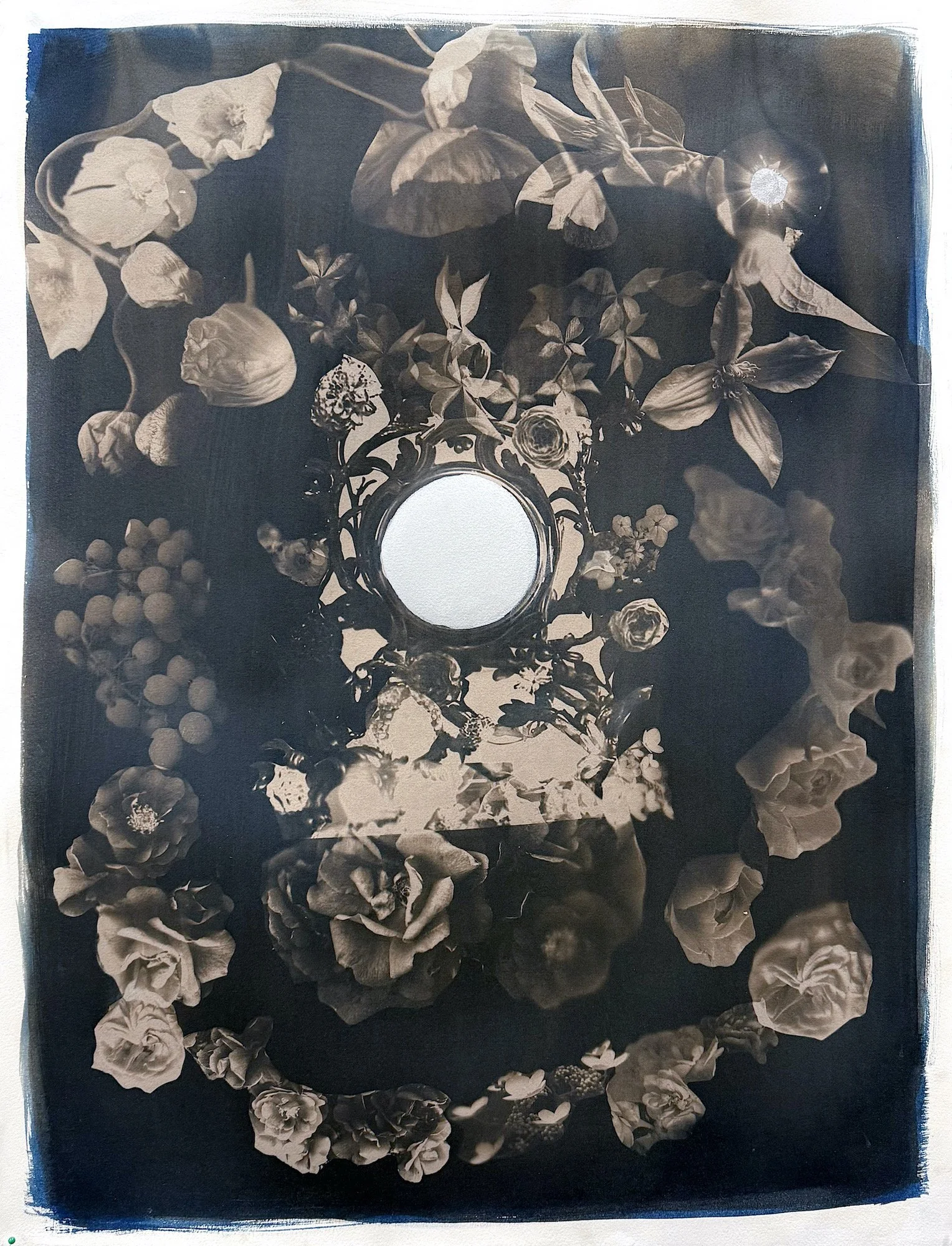
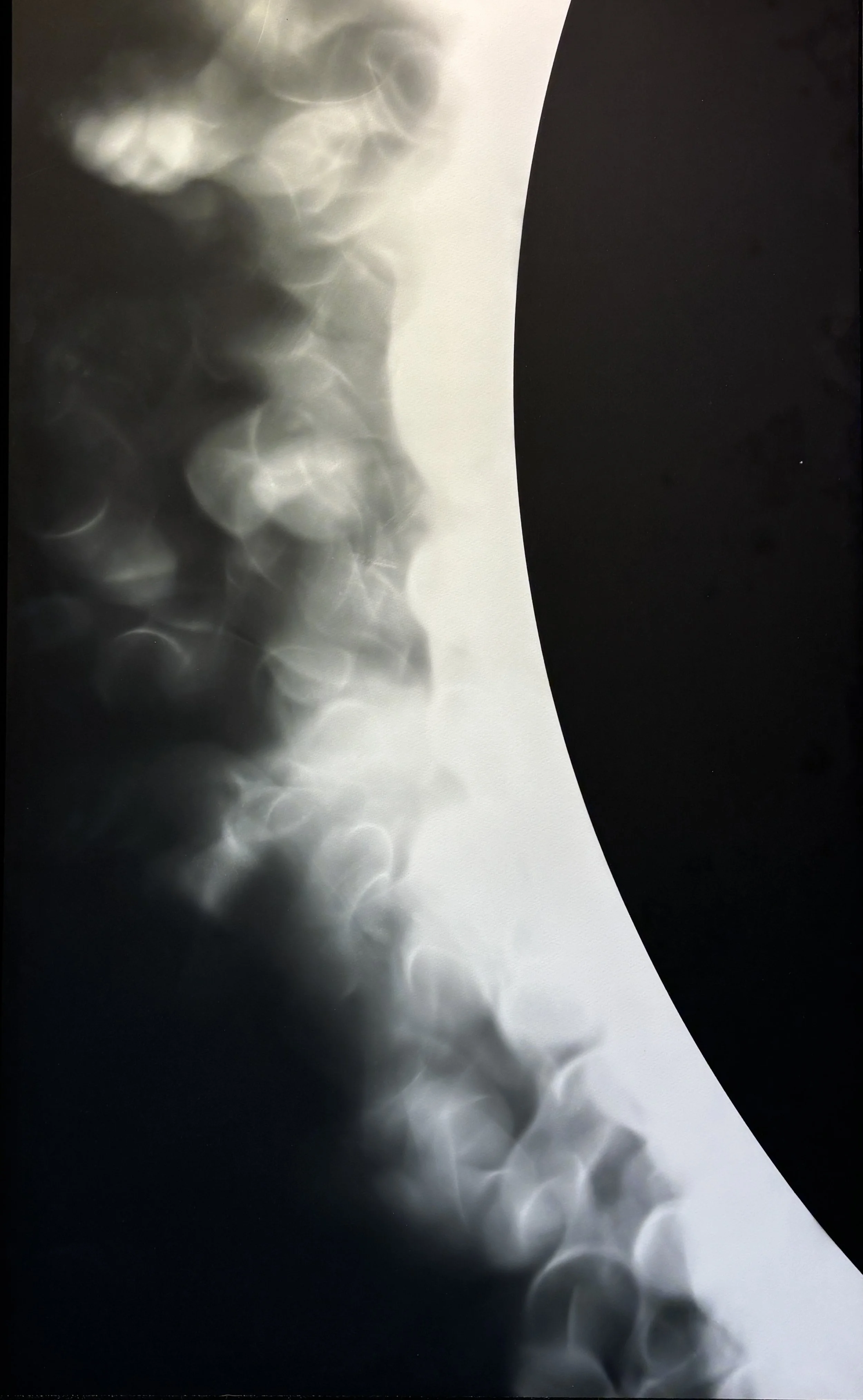
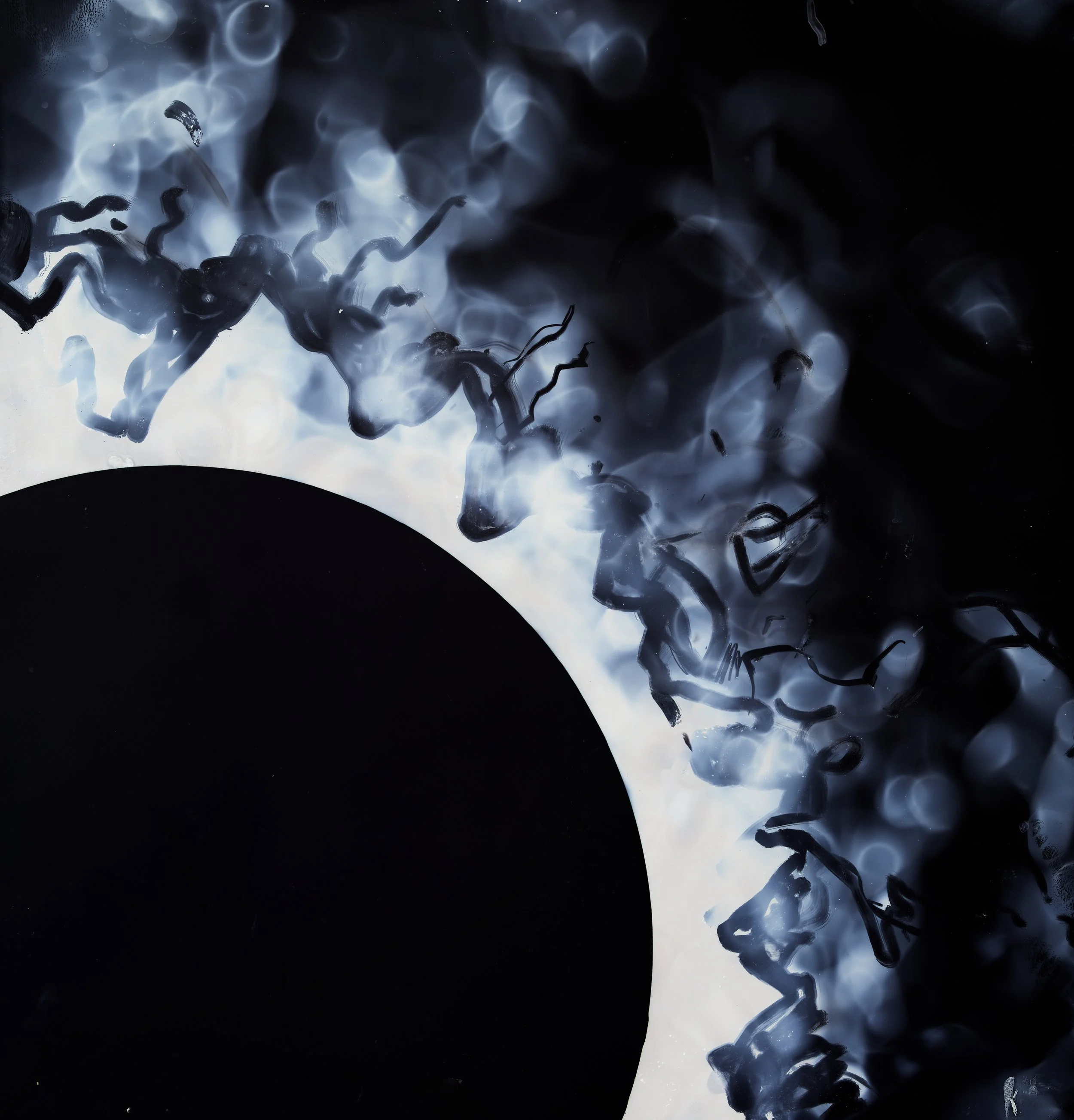
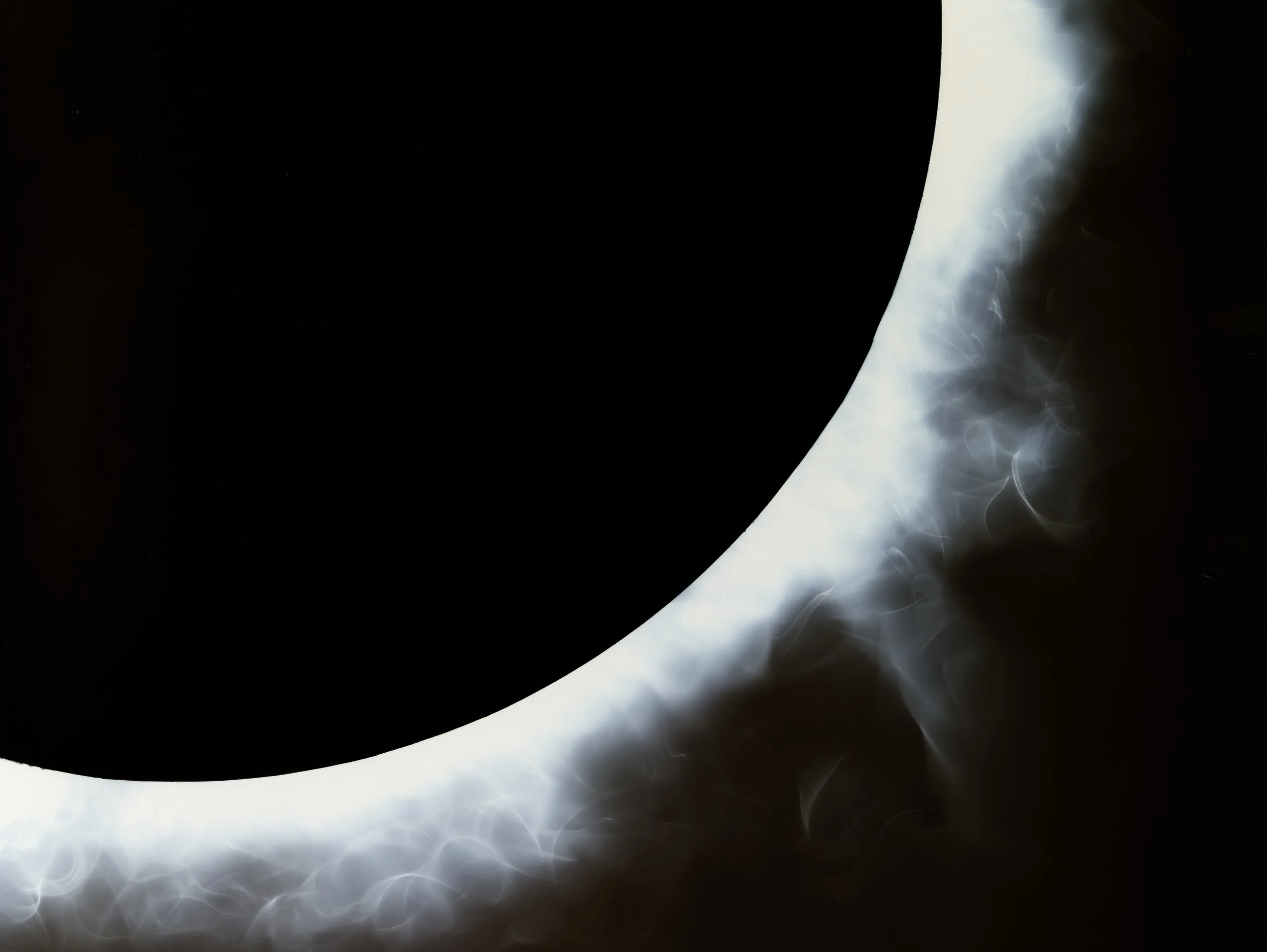
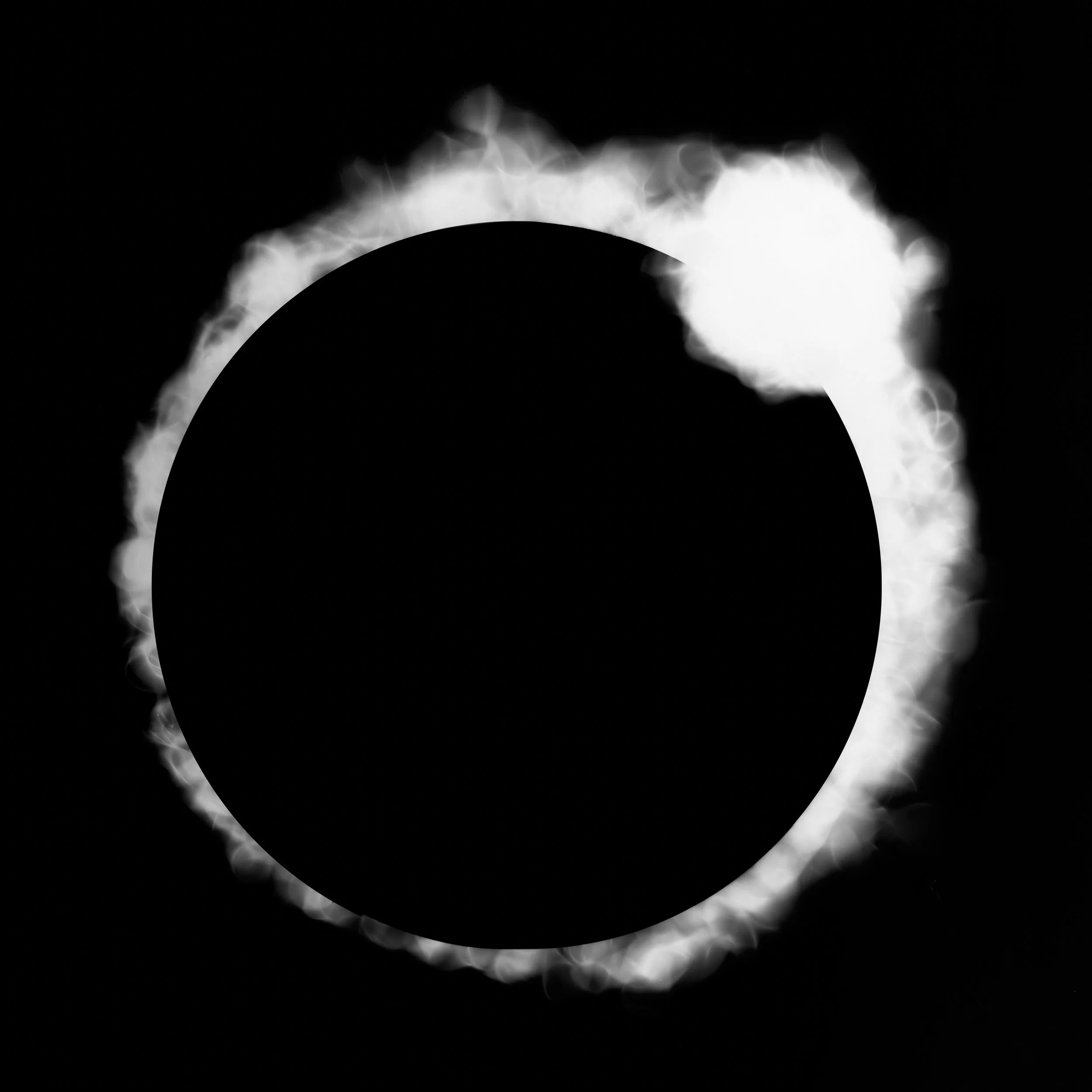
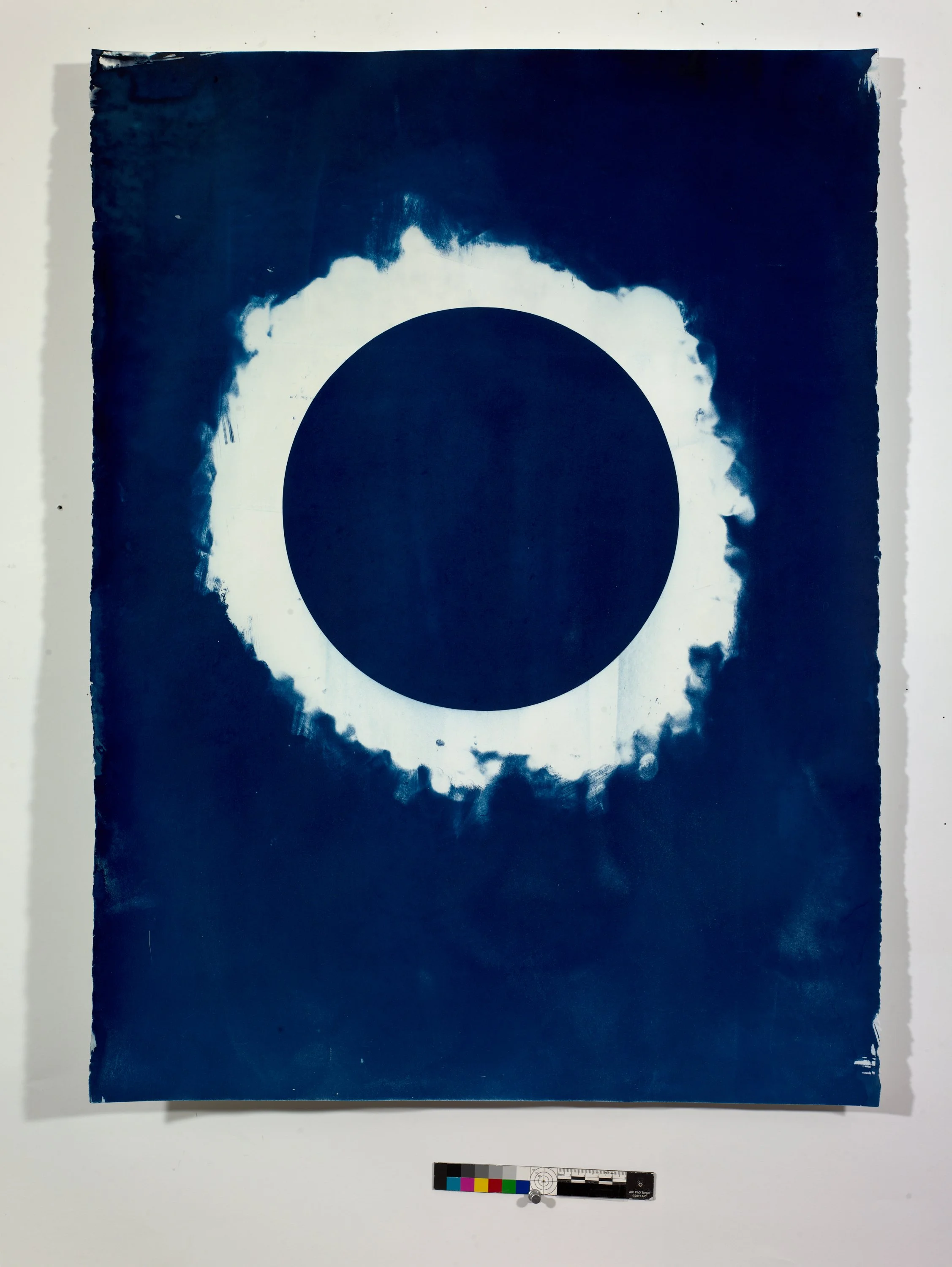
Luc Demers & Peter Precourt, Totality, Top Fragment II, 1/10, 2026, Archival Inkjet print ed photo of soot and fire residue drawing, 24 x 34 inches, $2,200
My art practice is a meditation on, and an investigation of photography through photography. I am interested in photographs as objects of history, science, and art. I am interested in how we use photography to remember, to inform, and to explore the visual world around us, to preserve the world that we see, and to reveal a world only visible through photographs. I strive to make photographs that not only expand my understanding of the visual world but also expand my understanding of how we see and how photography functions as a medium of seeing.
- L.D.
Luc Demers is an artist living in Southern Maine. In the early nineties, he studied art at USM, completing the BFA program with a concentration in photography. In 1994, while continuing to pursue his personal work, he began working as a commercial photographer. In 2010, he earned his MFA in Visual Art at Vermont College of Fine Arts. Currently, Demers is an exhibiting artist, freelance art documentation photographer, and Associate Professor of Art at The University of Maine at Augusta.