
Joyce Tenneson & Carol Eisenberg
October 9 - December 5, 2026
Opening Reception: Friday, October 9, 5-8pm
Artist Talks: Friday, October 23, 5-8pm
Curatorial statement by Denise
Botanical Rhizomes, Mitochondrial Deoxynucleic Acid: Joyce Tenneson’s and Carol Eisenberg’s Botanical Portraits
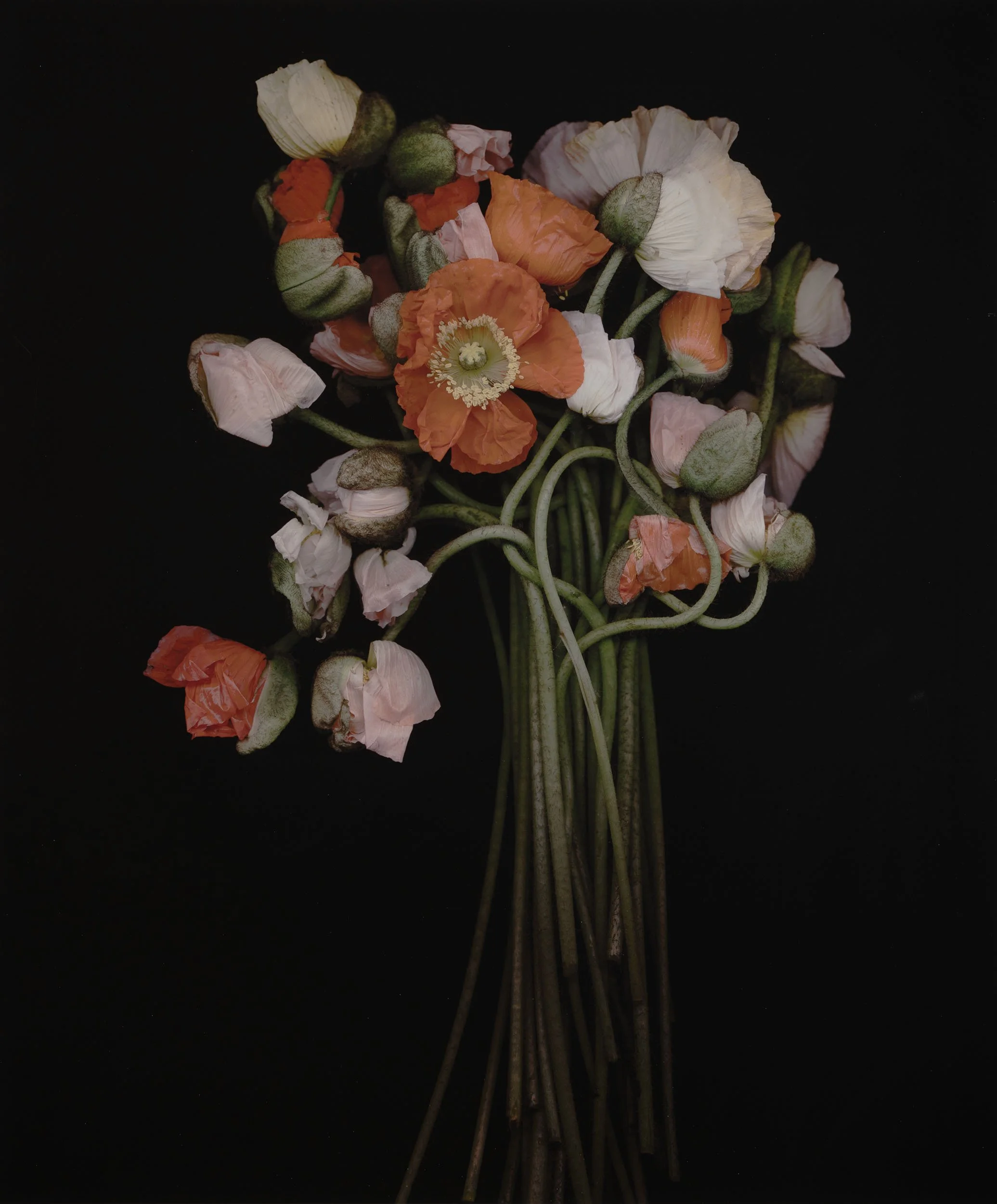
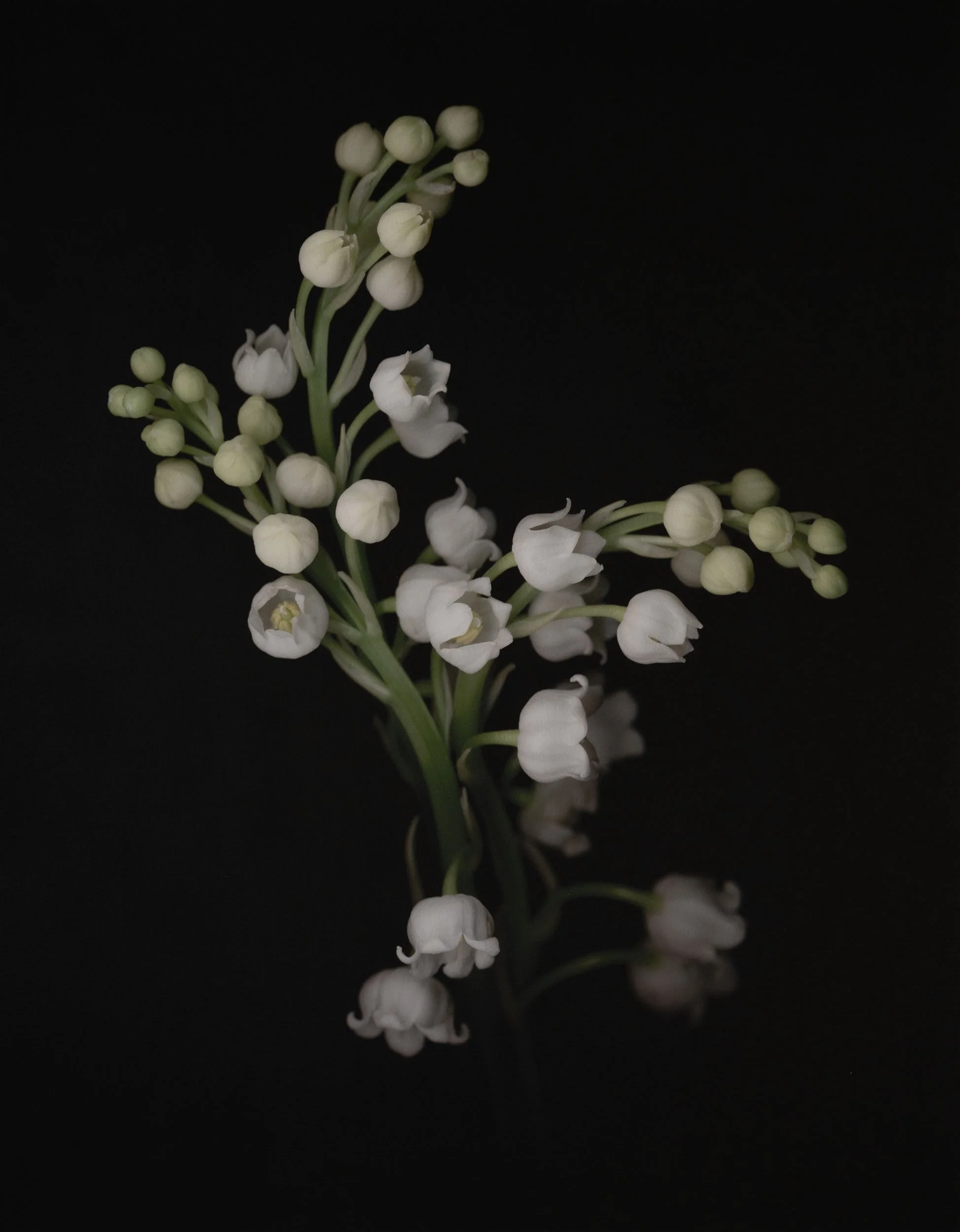
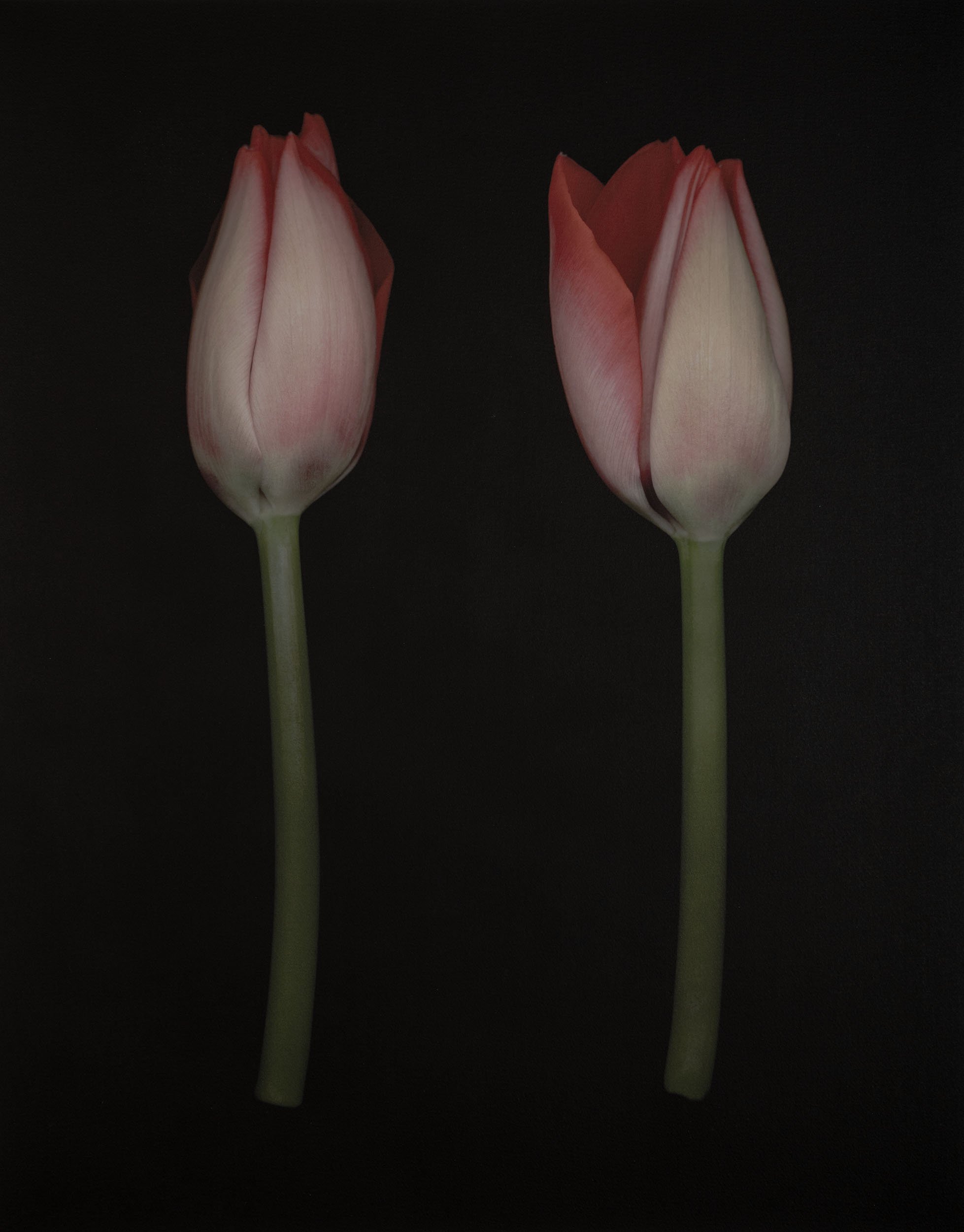
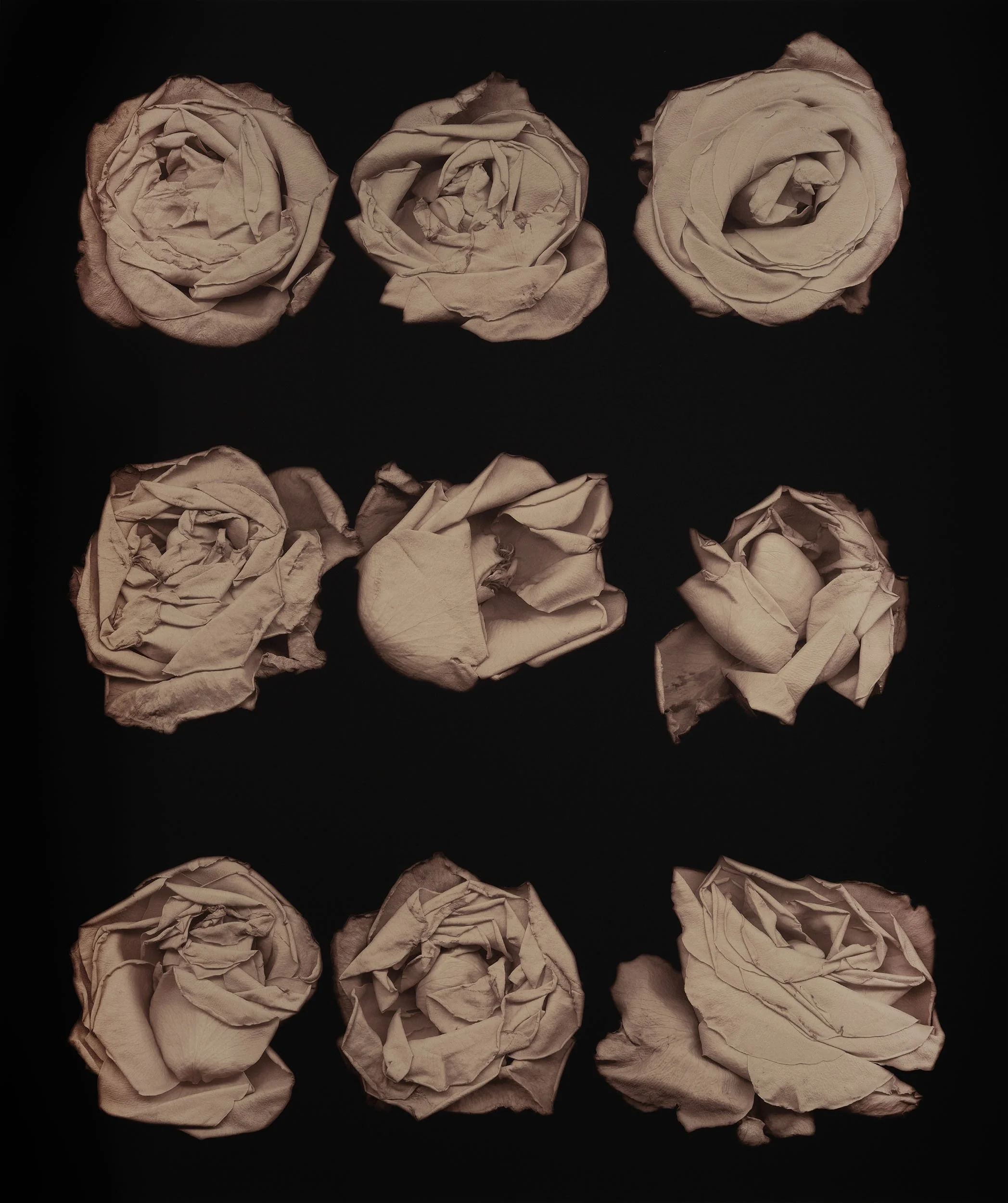
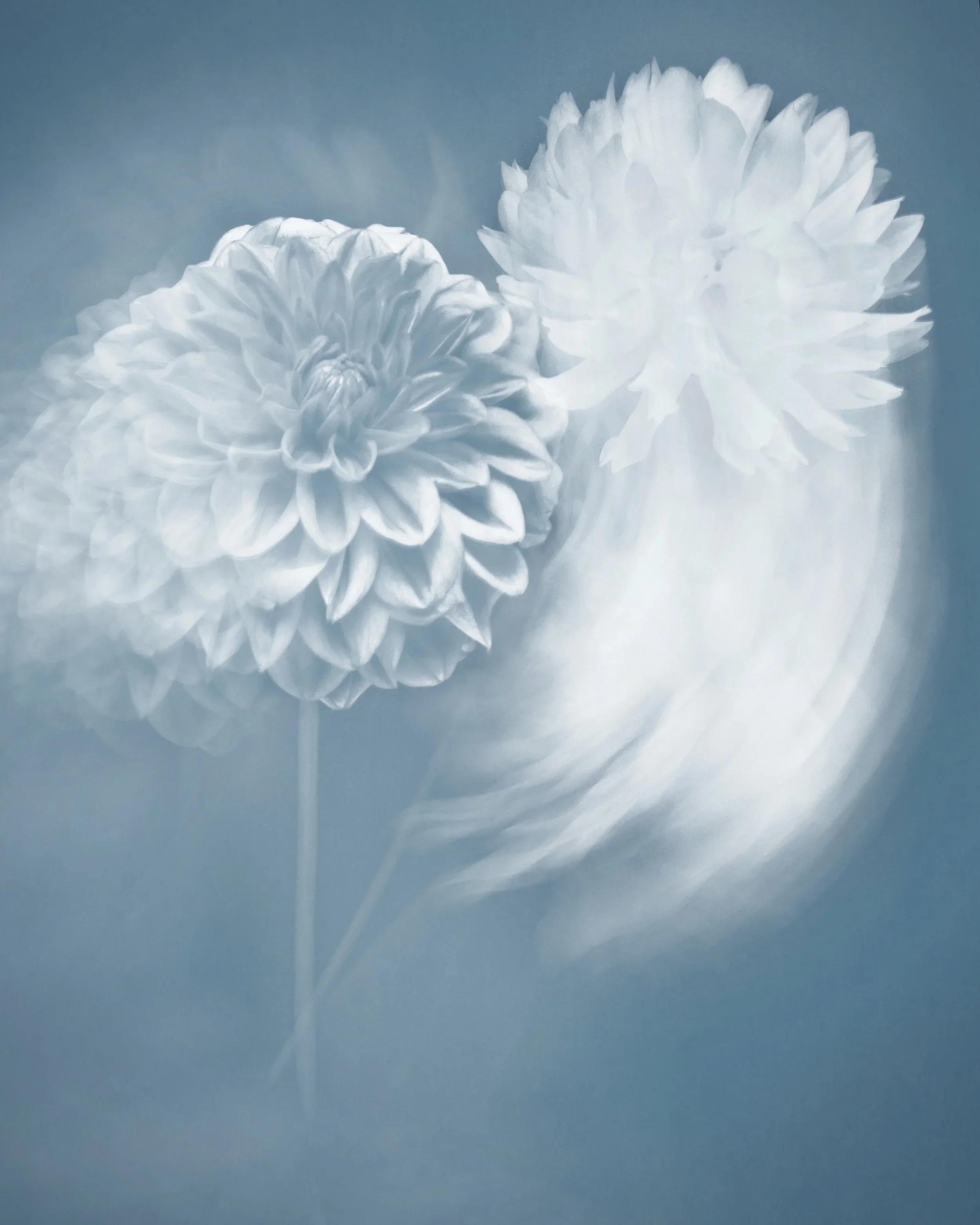
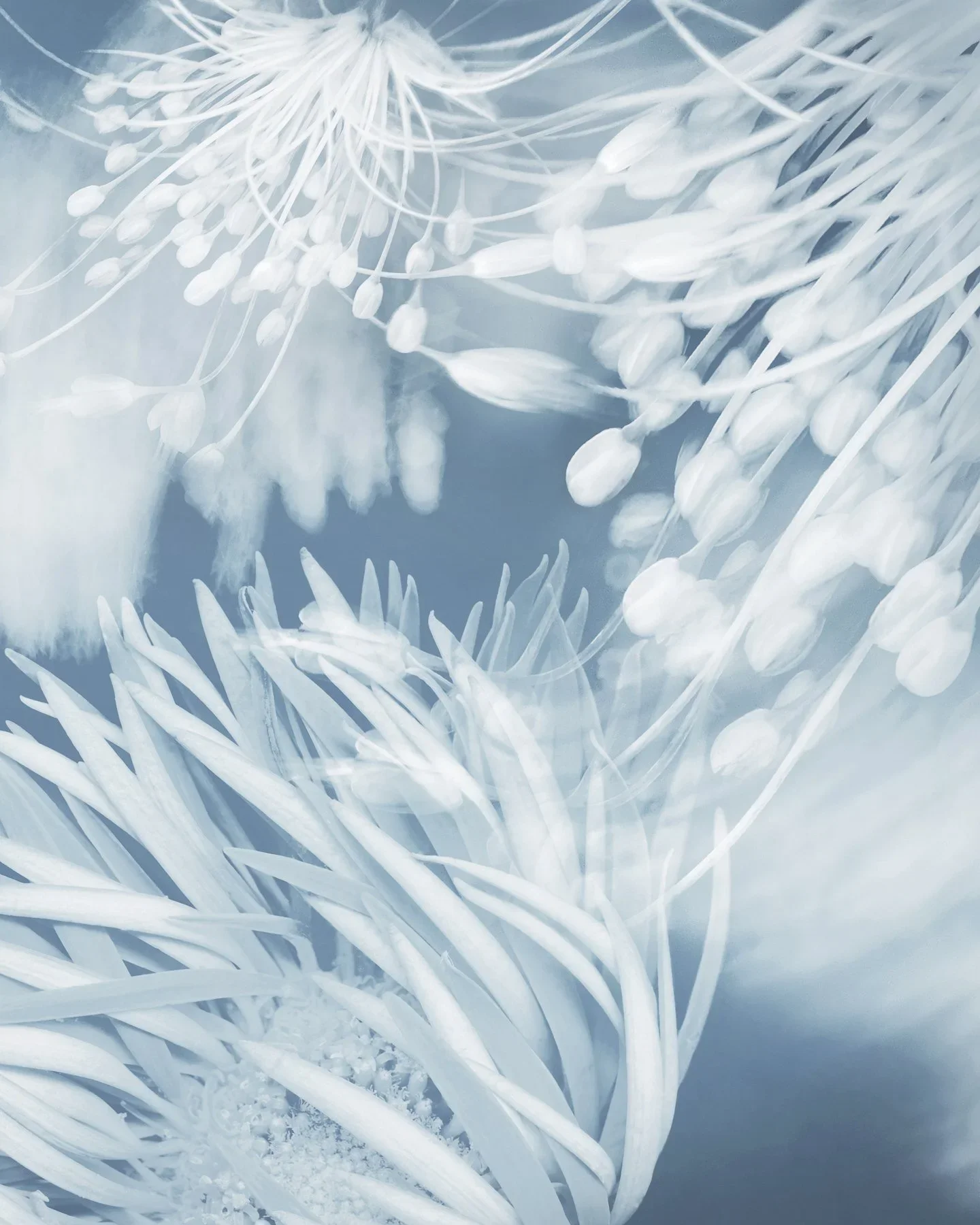
Joyce Tenneson’s intimate flower portraits, experimenting with process and tone, and Carol Eisenberg’s fabular botanical landscapes conjoin as oneiric, visionary redoxes of the still- life and landscape traditions.
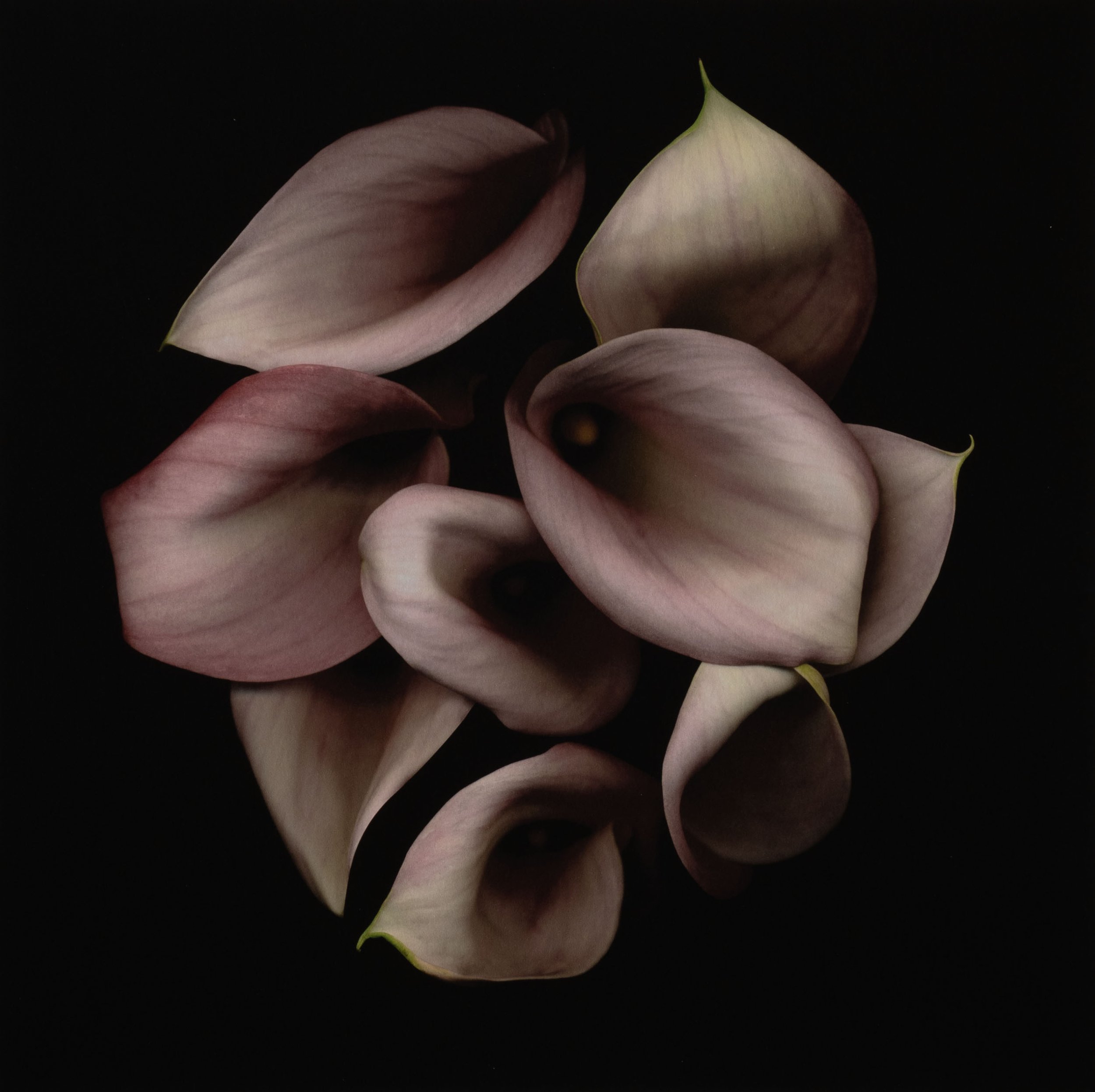
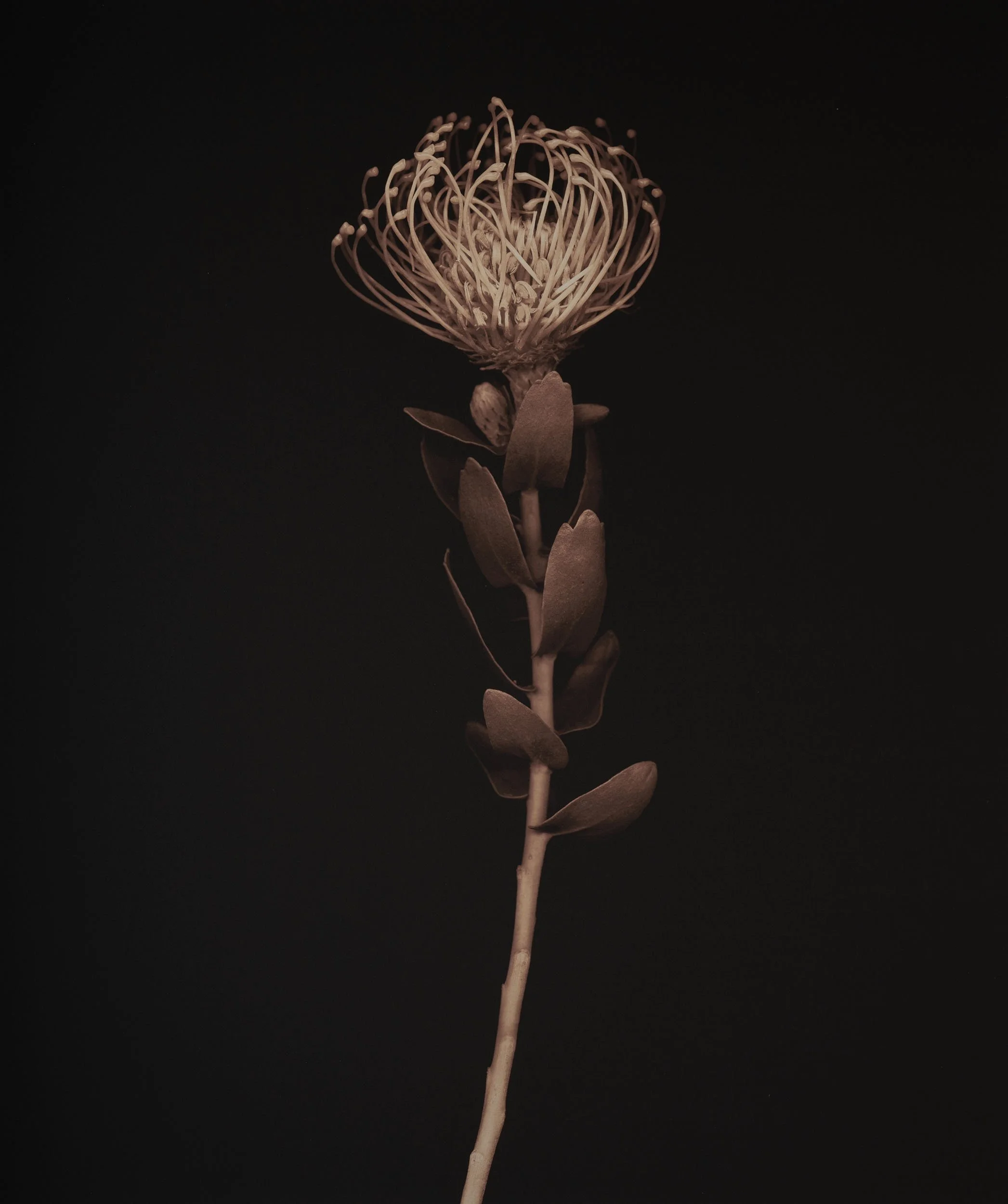
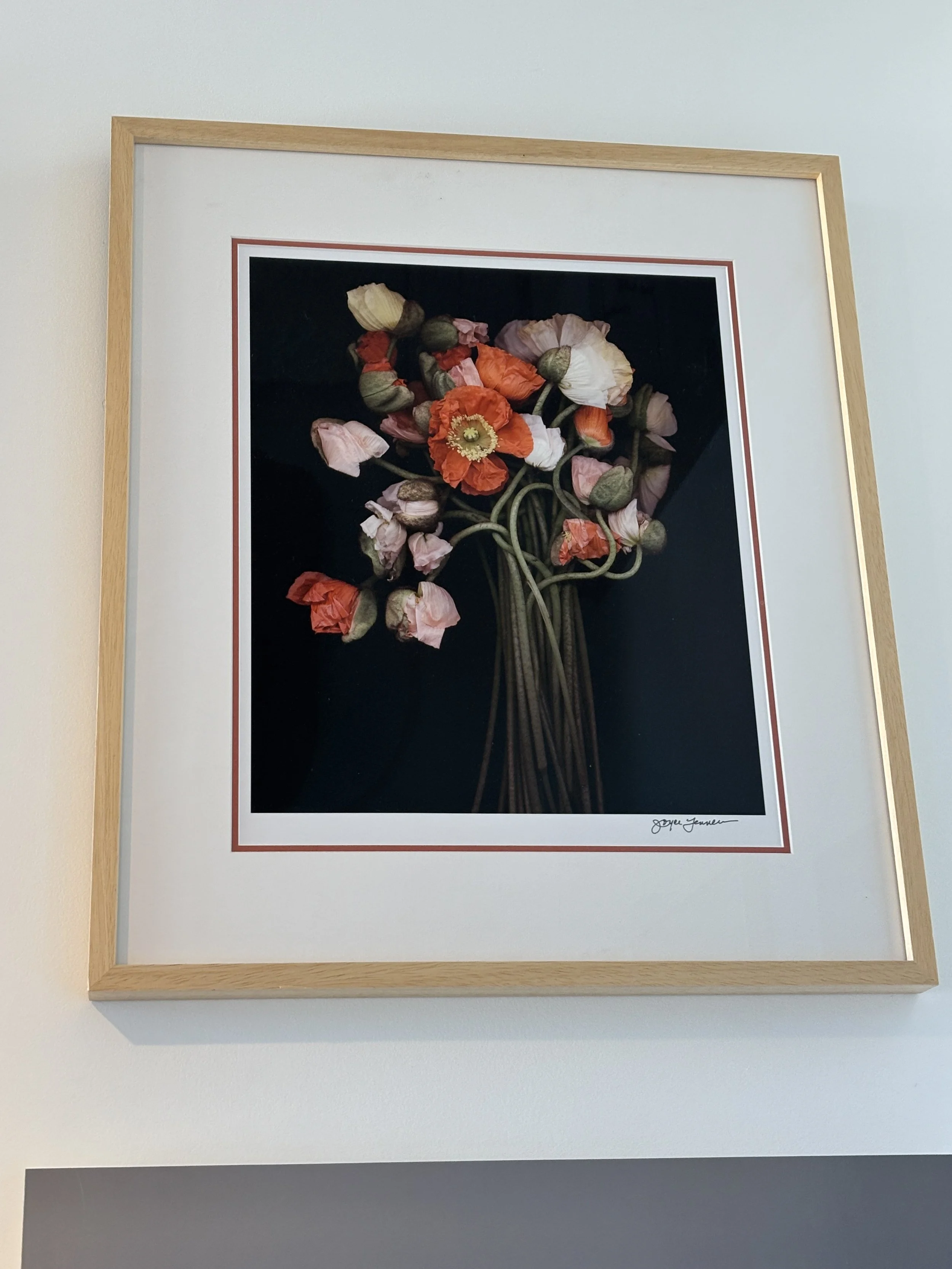
In botanical photographs, Tenneson and Eisenberg pay homage to and radically expand an inherited vocabulary of floral and botanical imagery. From painters Clara Peeters and Rachel Ruysch in the seventeenth century, to scientist photographer Anna Atkins in the nineteenth-century, through Modernist Imogene Cunningham in the twentieth century, the tie between women artists and floral imagery is historically deep. For Joyce Tenneson and Carol Eisenberg, who were born in 1945 and 1942, respectively, the strength of will and gift needed to manifest a career “as a woman” was extraordinary. In turning to traditionally feminine subjects – flowers, botanicals, portraits – the photographers meditate elliptically on the cultural inheritance of the feminine revisiting and pressing against its constraints.
Tenneson’s and Eisenberg’s expansion of the vocabulary of photographic flower imagery create complex twists, flourishing a kind of visual mitochondrial DNA that pulls from the inherited lexicon of the feminine while pulling away from truisms of what is a “woman.” Nourishing botanical rhizomes of visual grace undergird these images offering original turns on the tradition of the feminine still-life and the haunted landscape. The contemplative spaces opened by these flower photographs are haunted by the history of the feminine. And this is a history painful and fecund. It is a history of finding visual idioms in the face of oppression and erasure, of making eloquent the silenced and rich strands of claiming the space of the one who sees in a culture that prefers for women to merely be the ones who are seen.
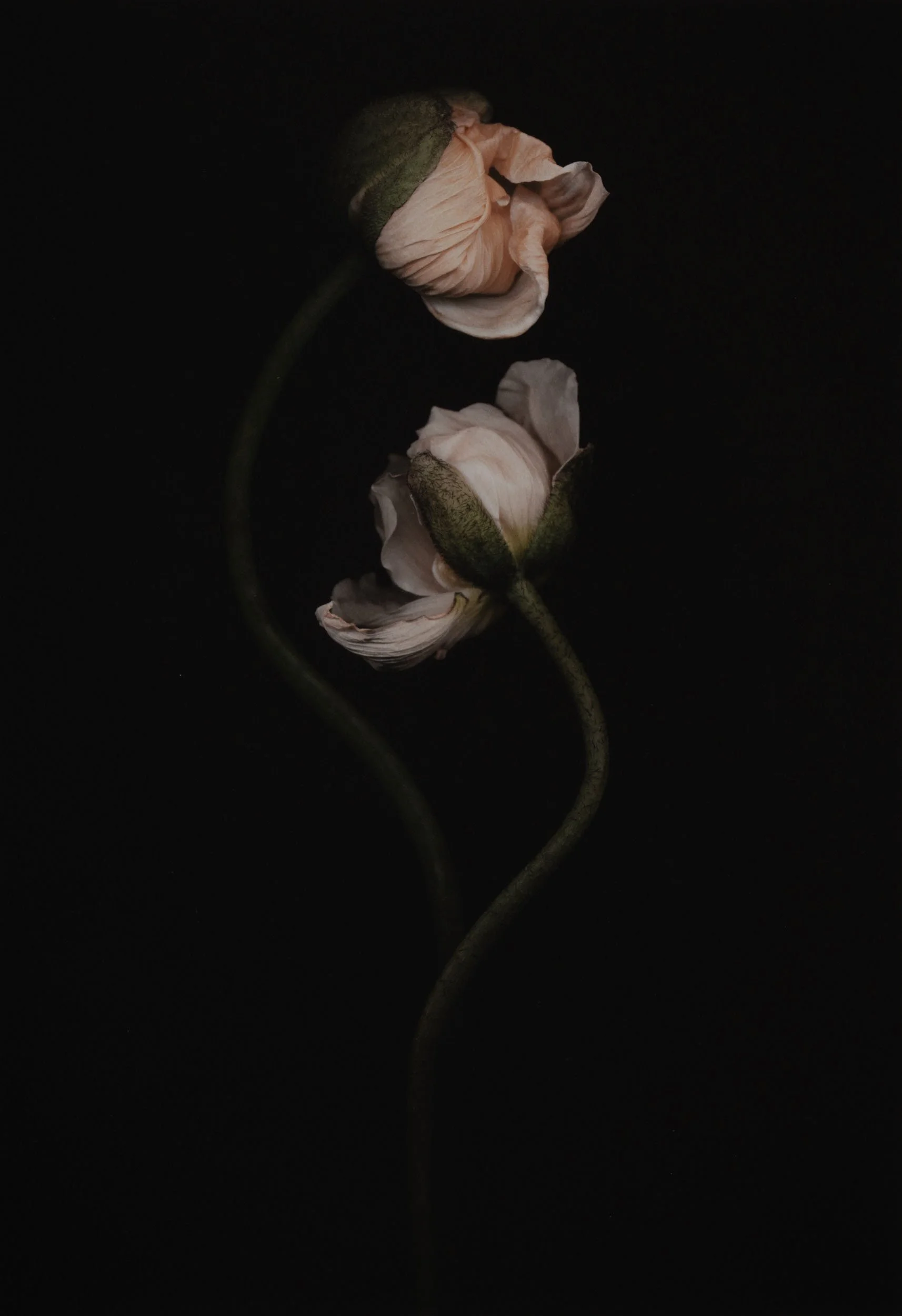
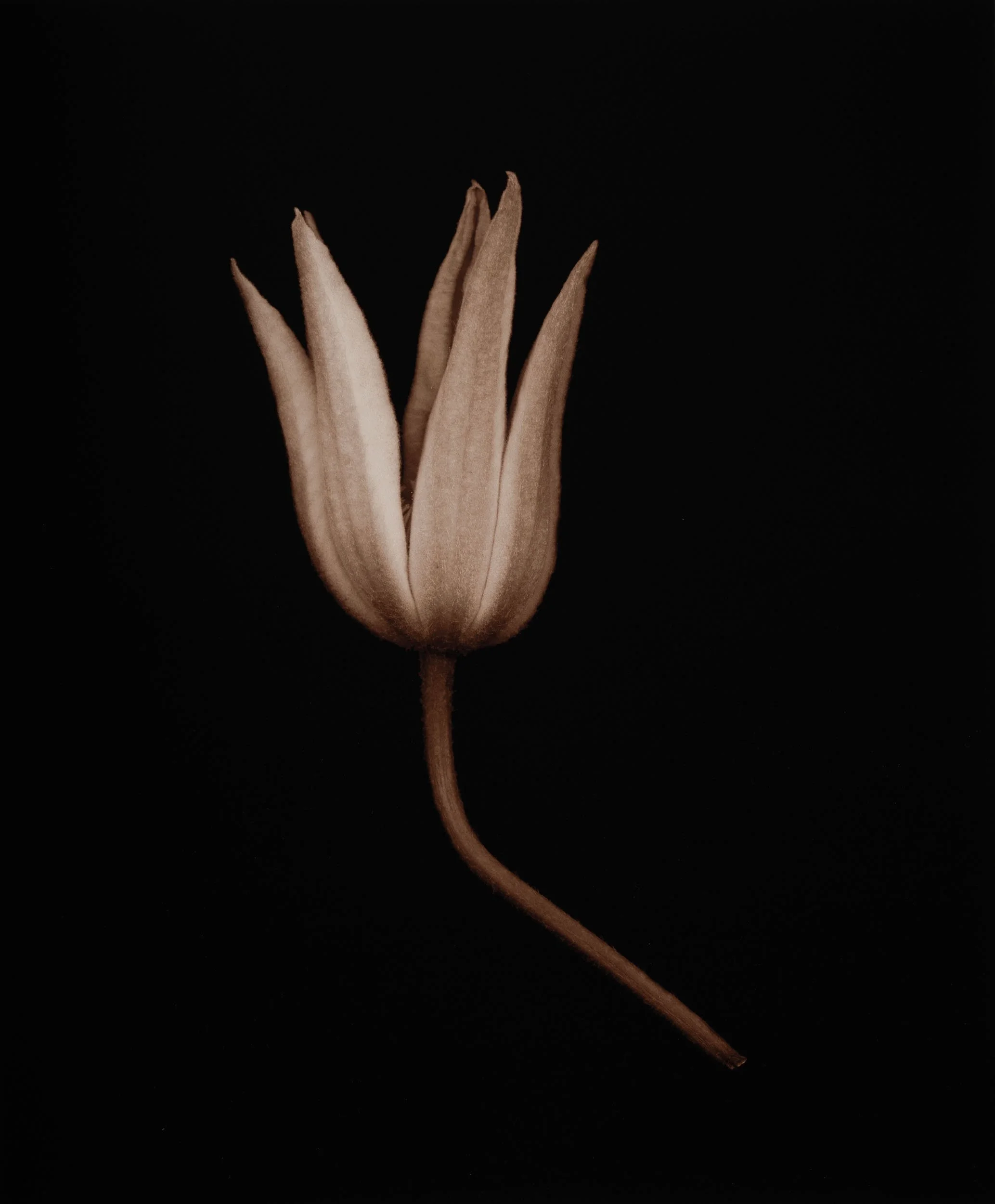
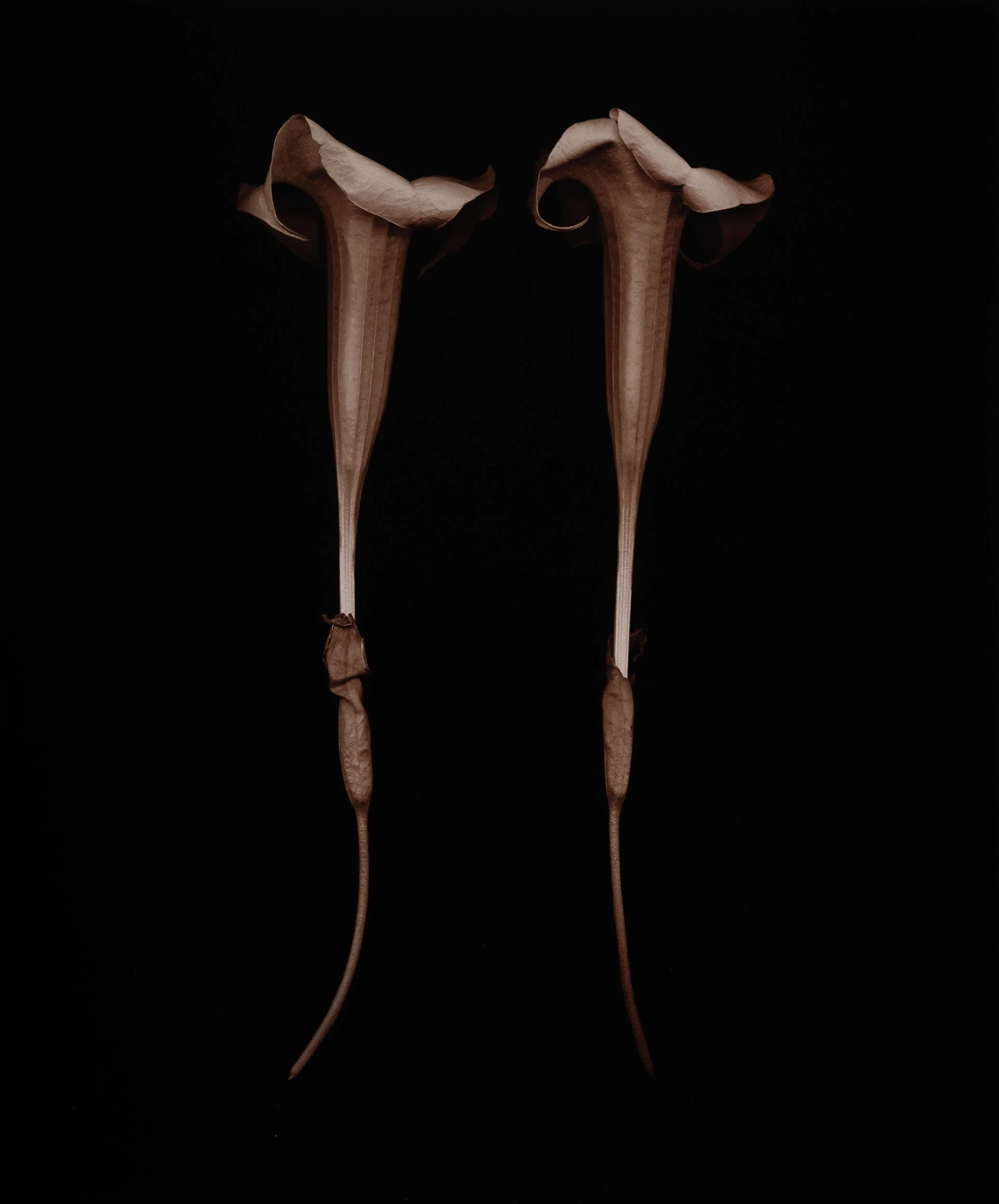
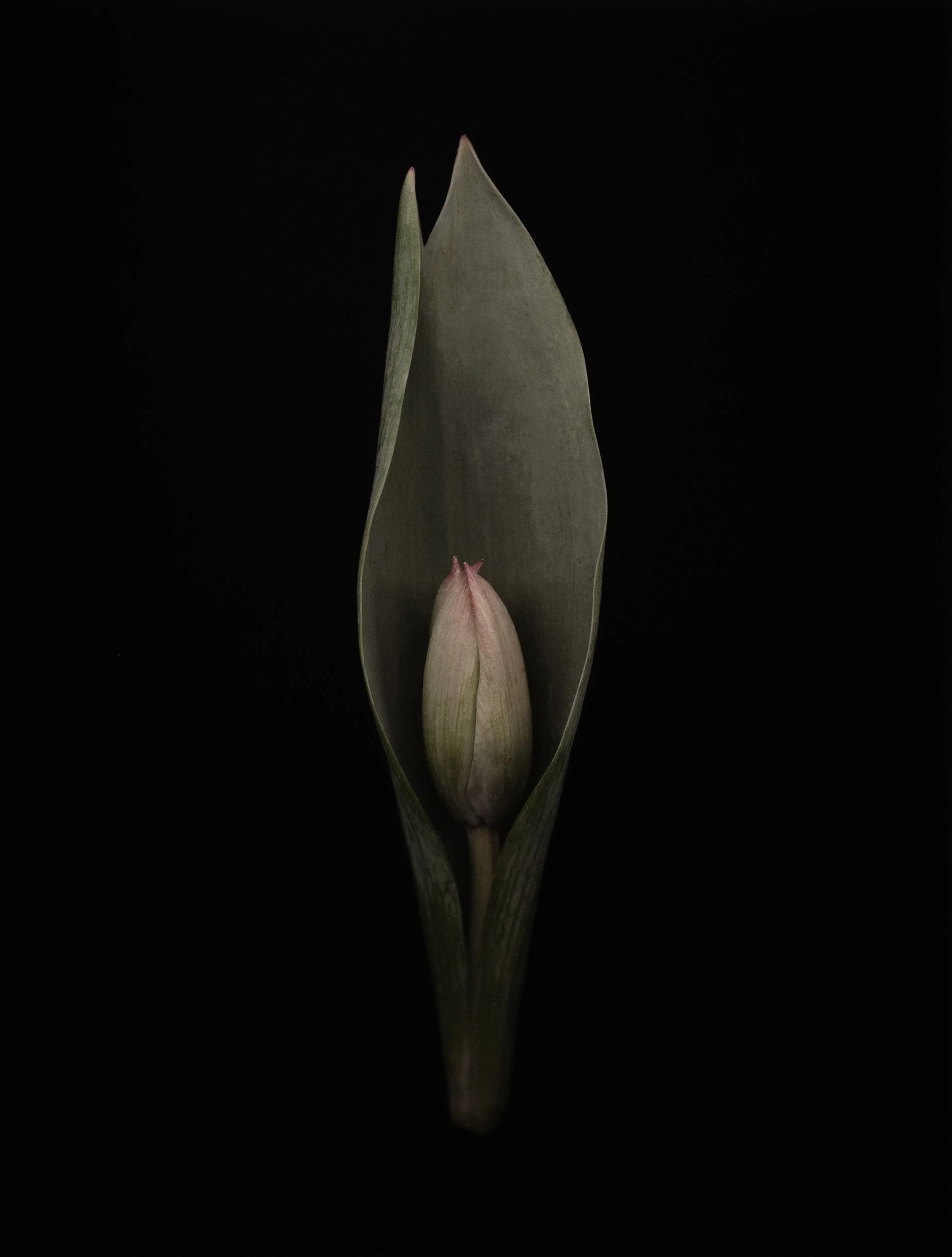
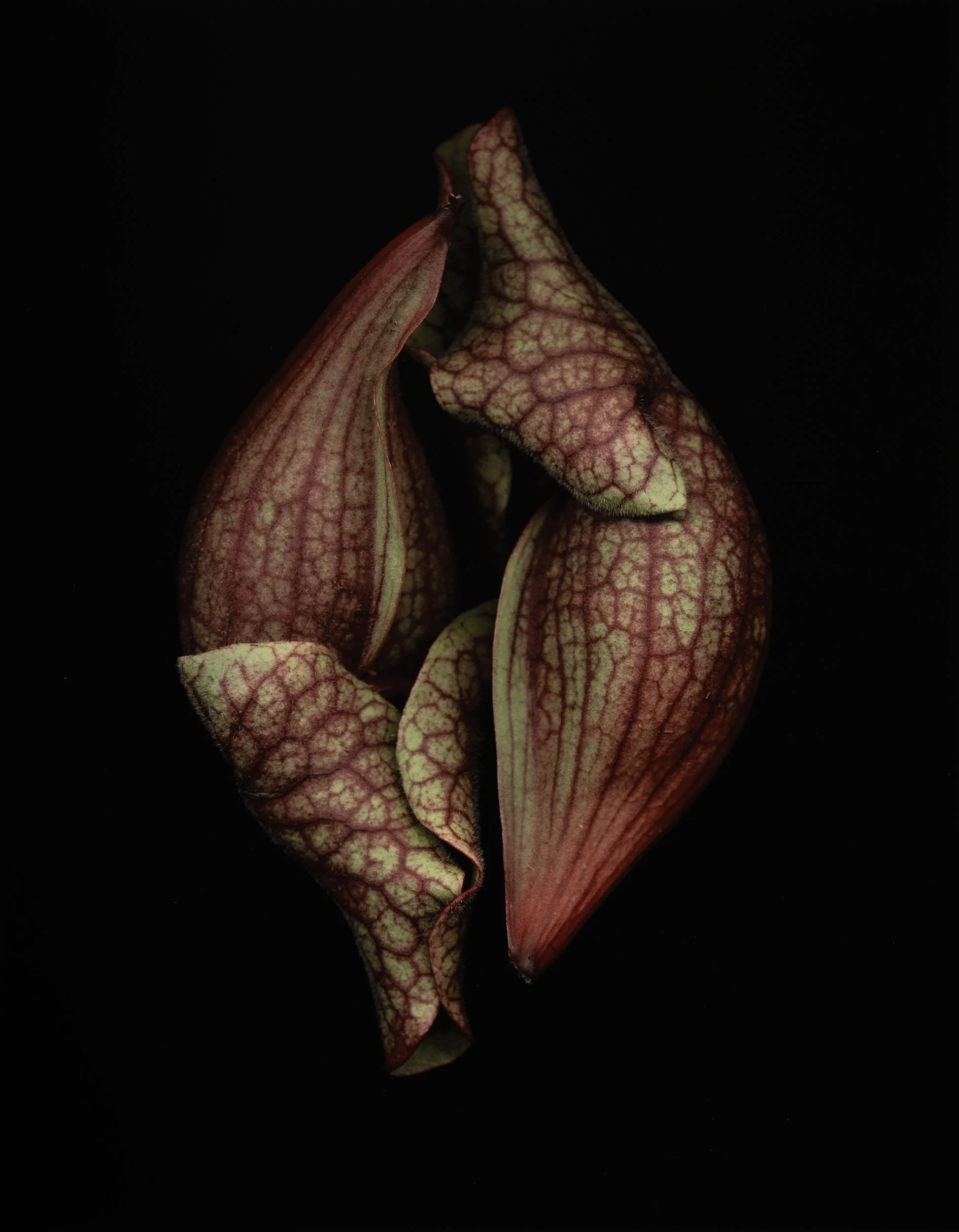
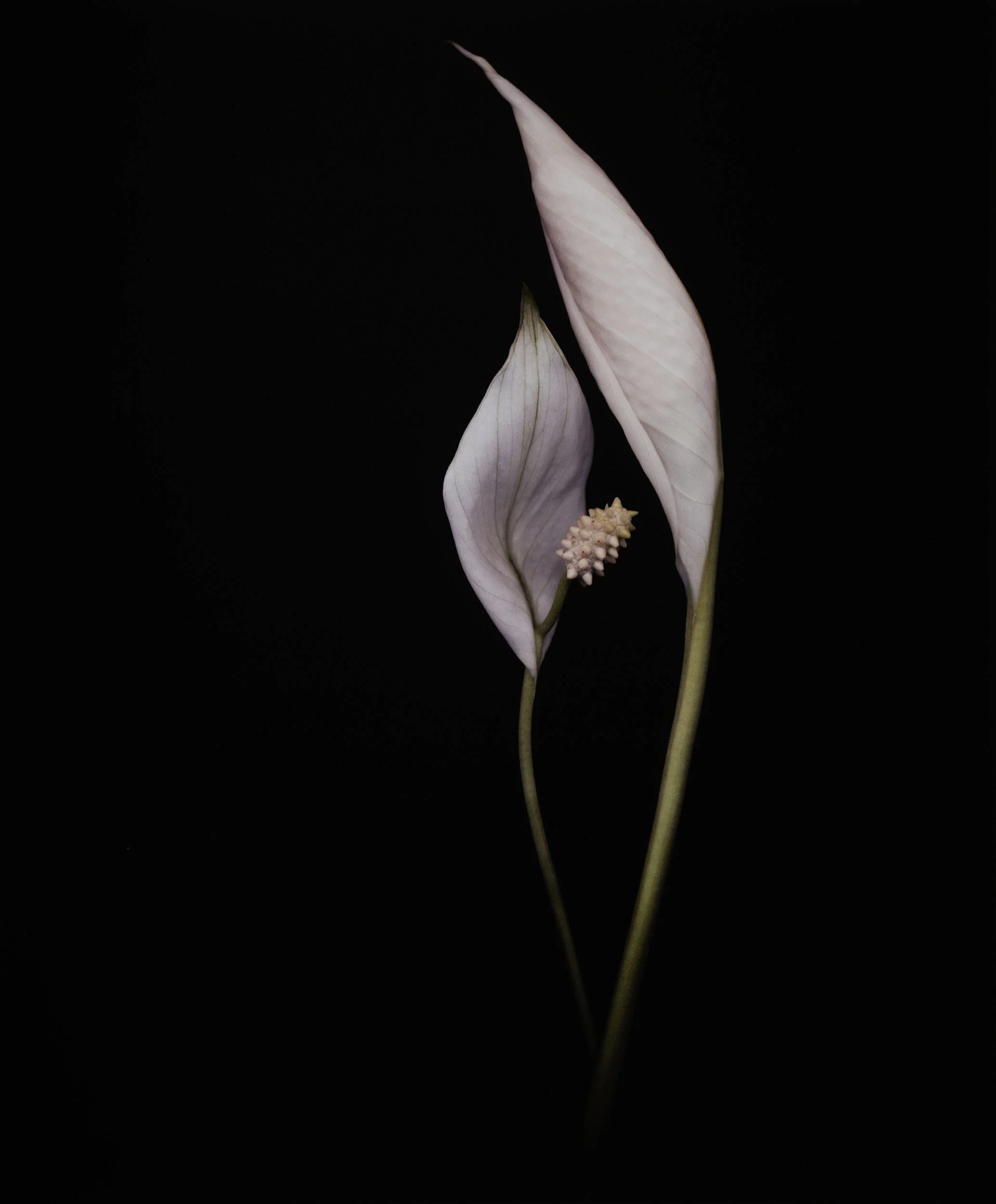
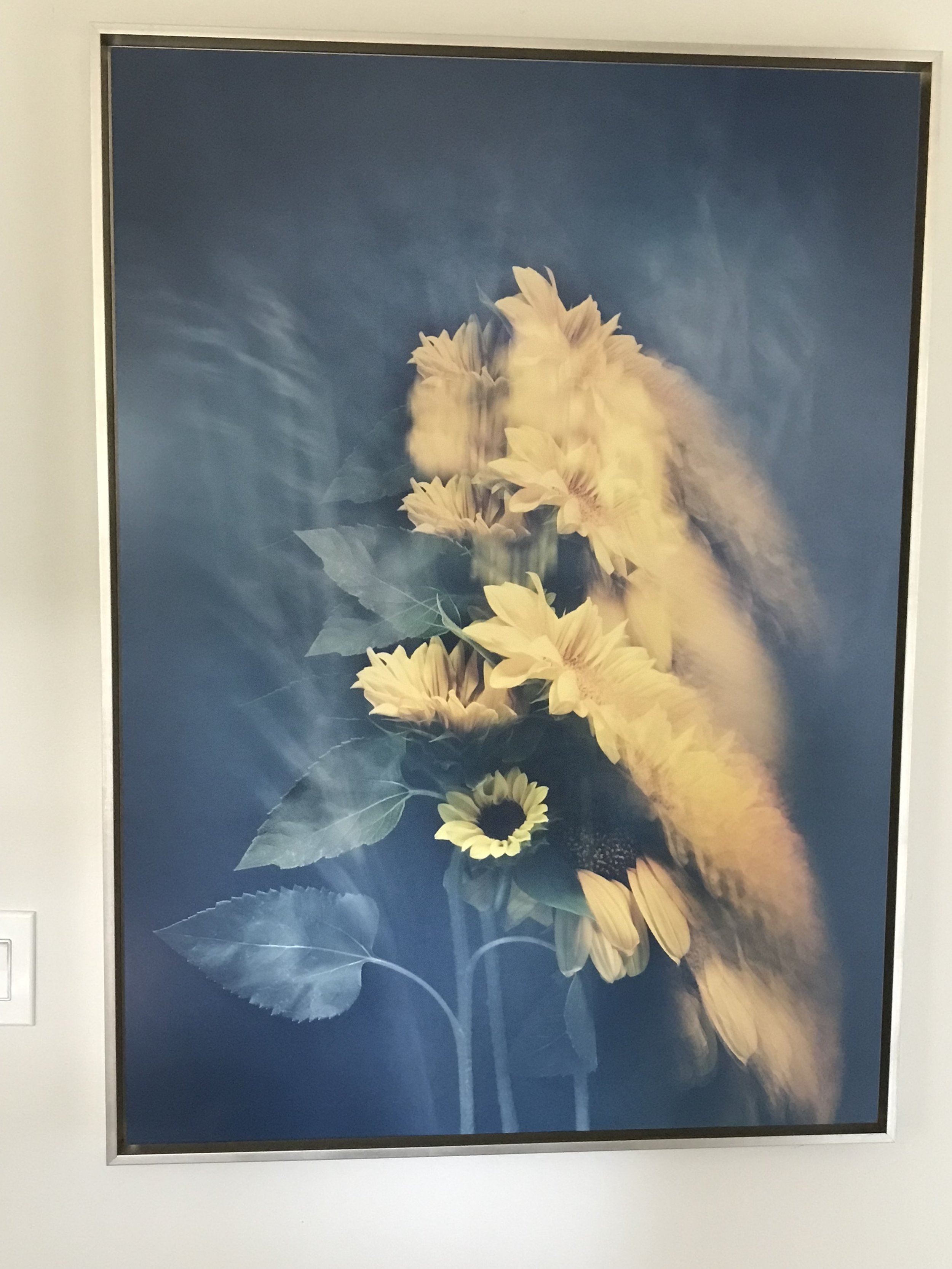
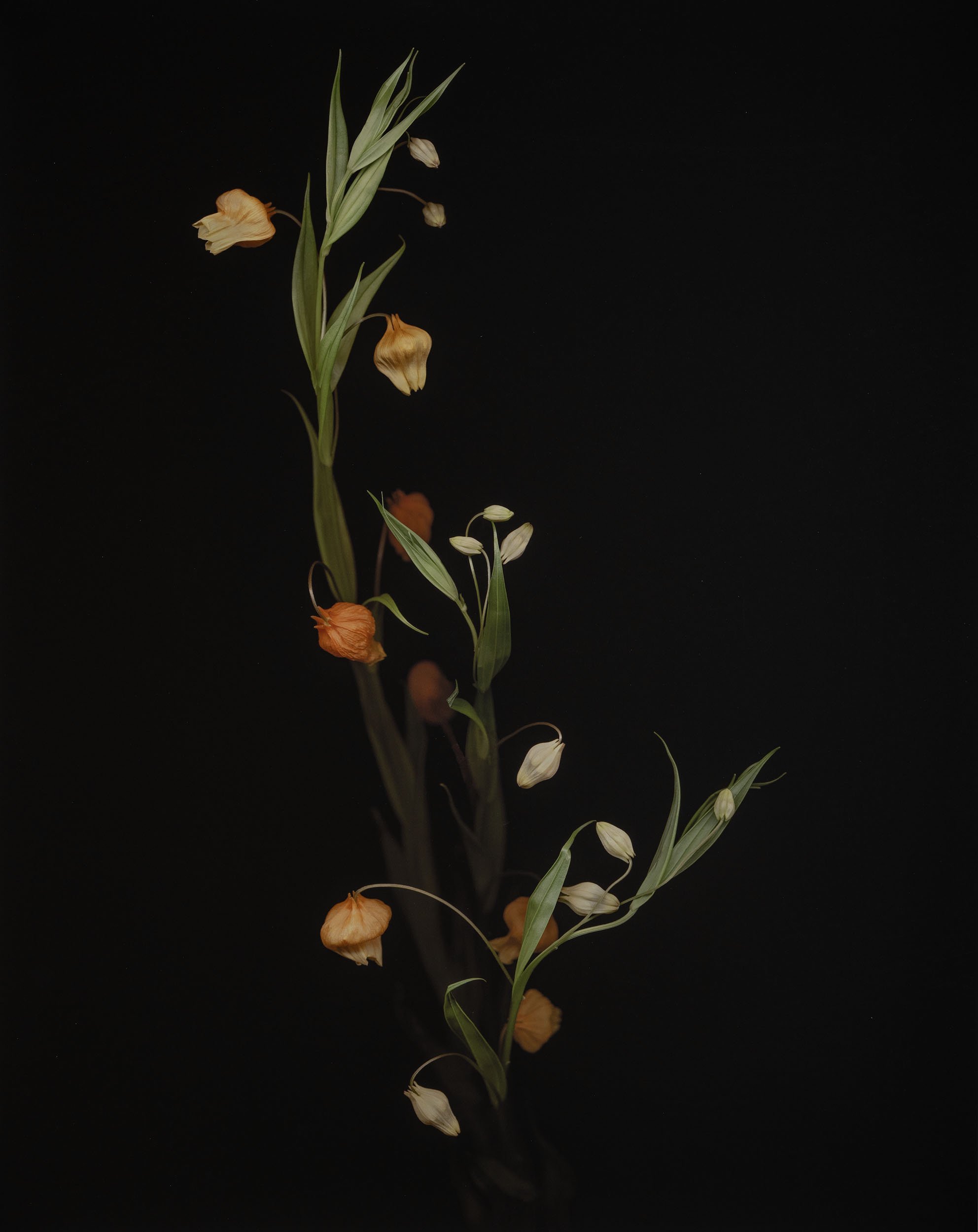
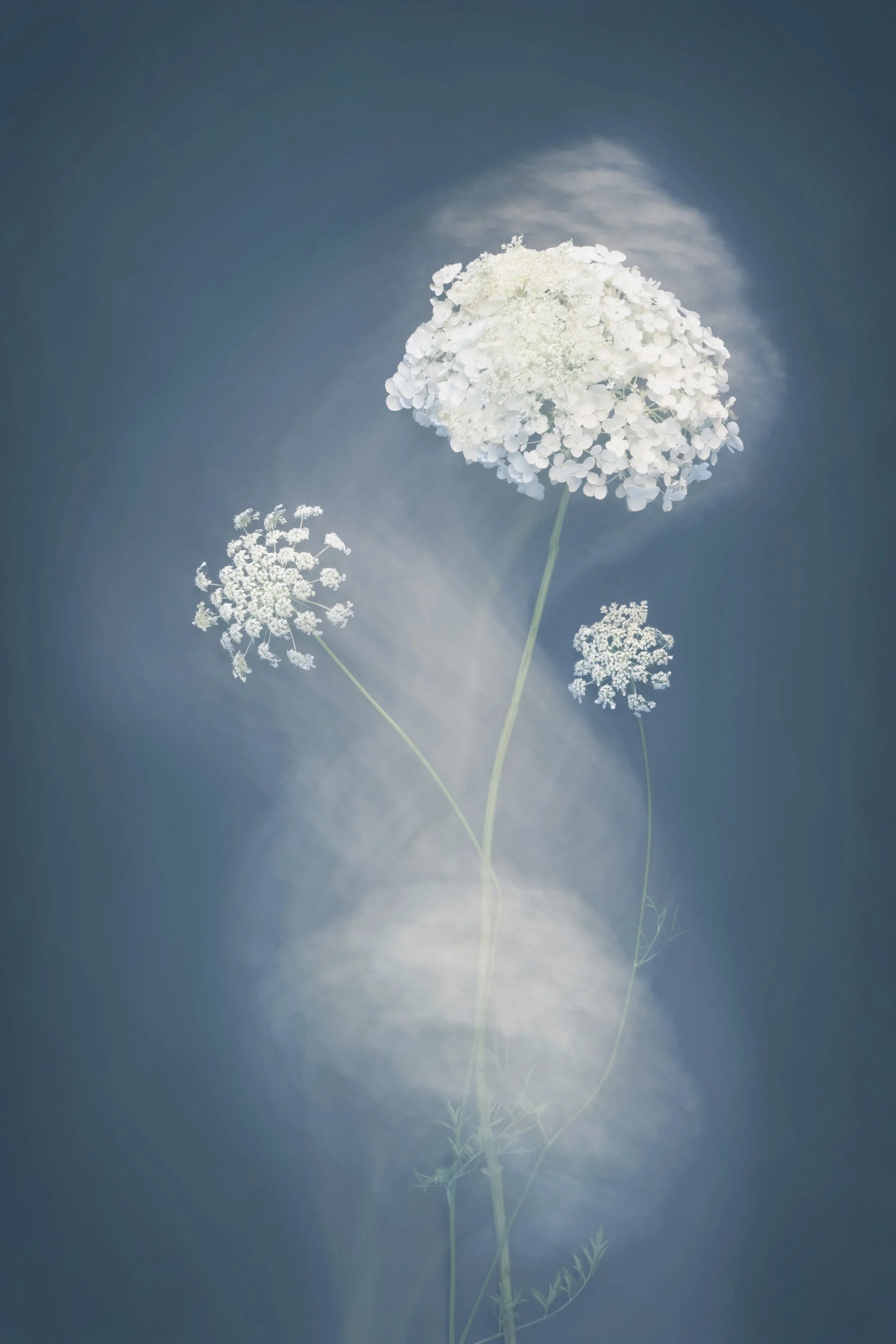
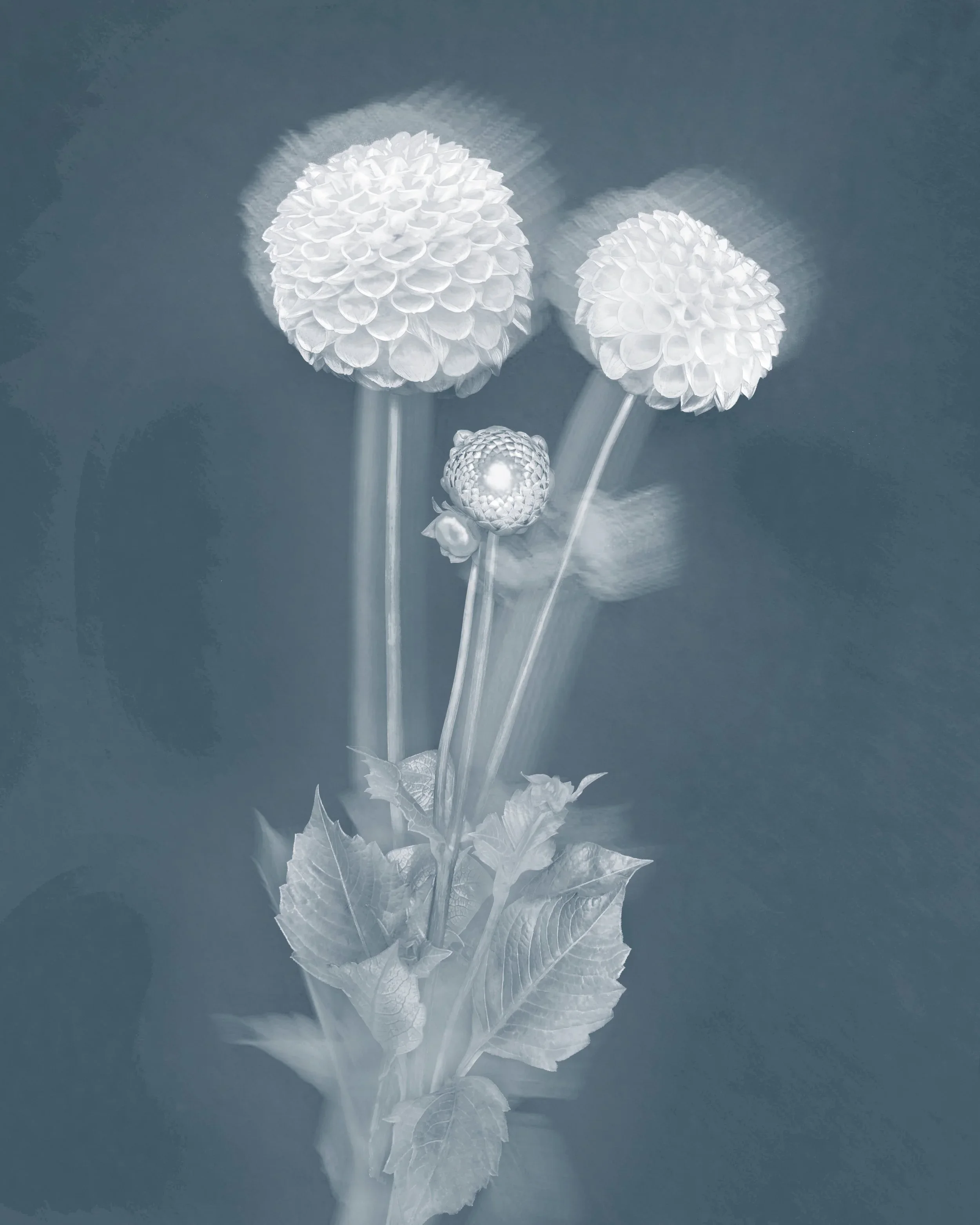
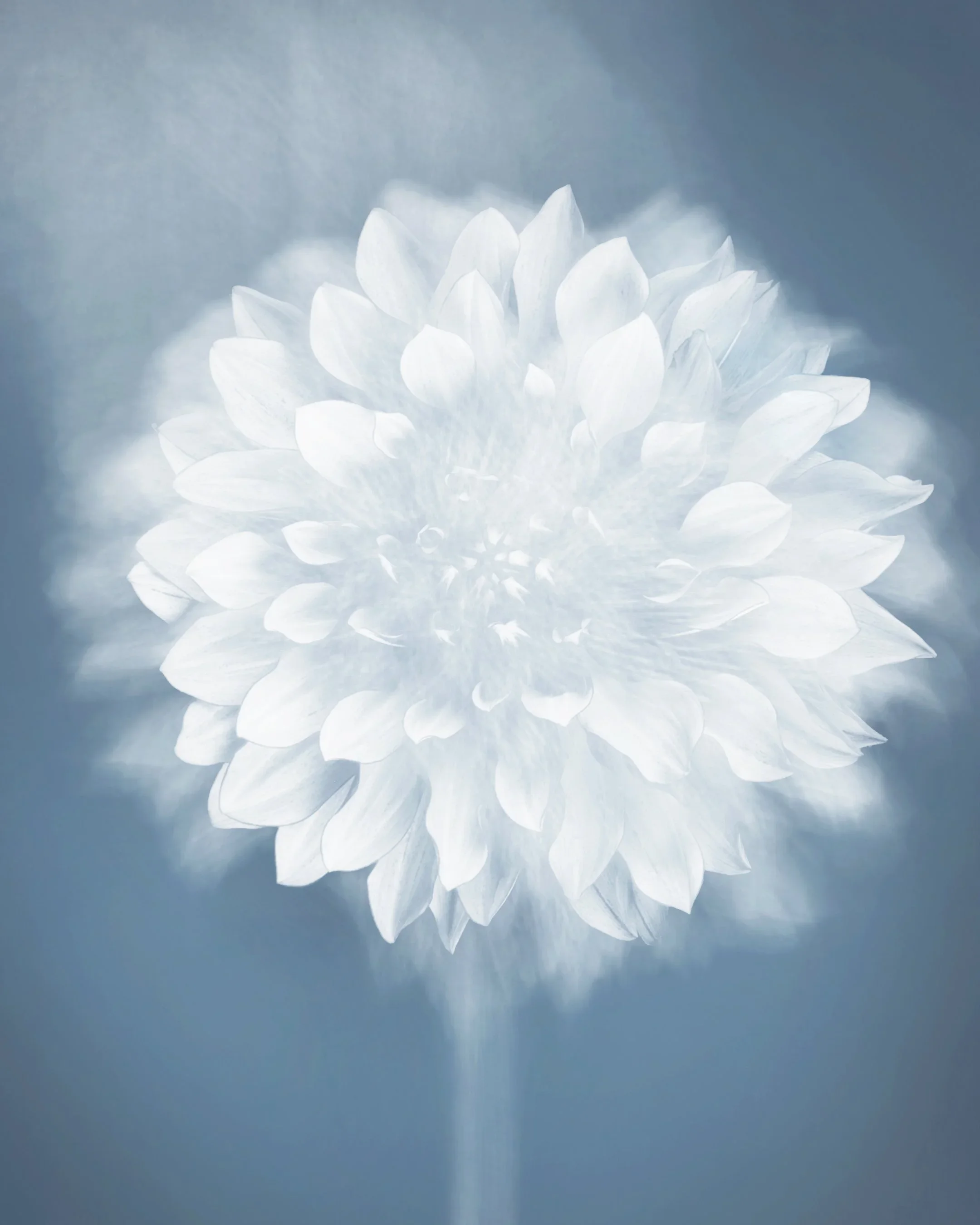
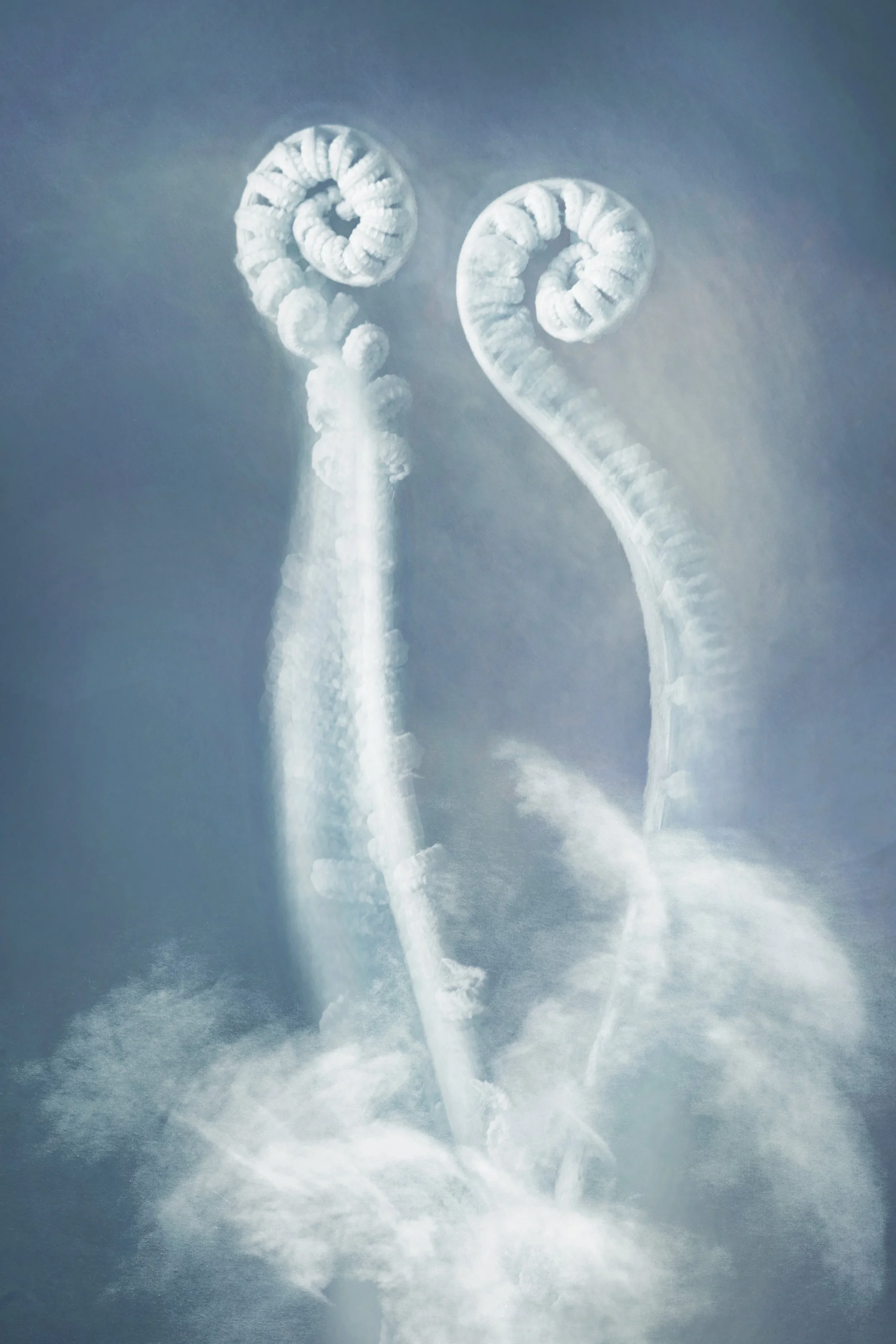
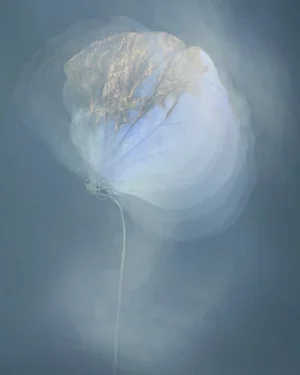
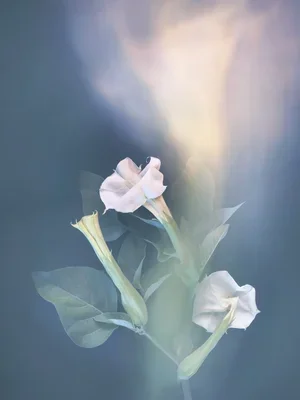
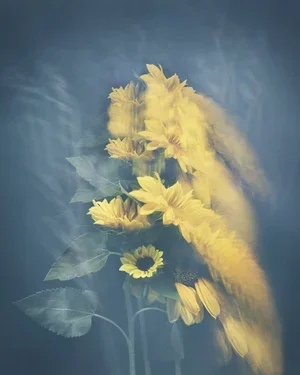
A sense of mystery attends Tenneson’s botanical portraits, a gaze that looks through flowers to time. Watching her flowers we see evanescence, not as memento mori but as the aesthetic force in recognizing the impermanence of all material life. Eisenberg’s Mangroves series likewise evoke an enigmatic sense of place, as if we are sinking and rising through the photographically based images, wild with color and lush with a pang that feels like a new crush. In Tenneson’s and Eisenberg’s work, the paradigm of the feminine is transfigured into an uncanny process of gazing at the quiet, borderland lives of flowers, mangroves, the teeming botanical world. In centering that which is decentered by man-made epicenters of power, these photographers subtly bring urgency to the process of being with, being in the presence of, photographic images. Their photographic works rise fresh and intimate to the surface of seeing.
Many of the images shimmer between painting and photography, drawing photography beyond its capacity for startling clarity, while still making use of that gift. An eerie feeling of sacredness emerges from the floral and botanical images, an emotive registry of salvage at the edge of loss. In this, Tenneson’s and Eisenberger’s botanical portraits meet the moment of our times, finding grace in a world nearing its edge. - Claire Raymond
Joyce Tenneson
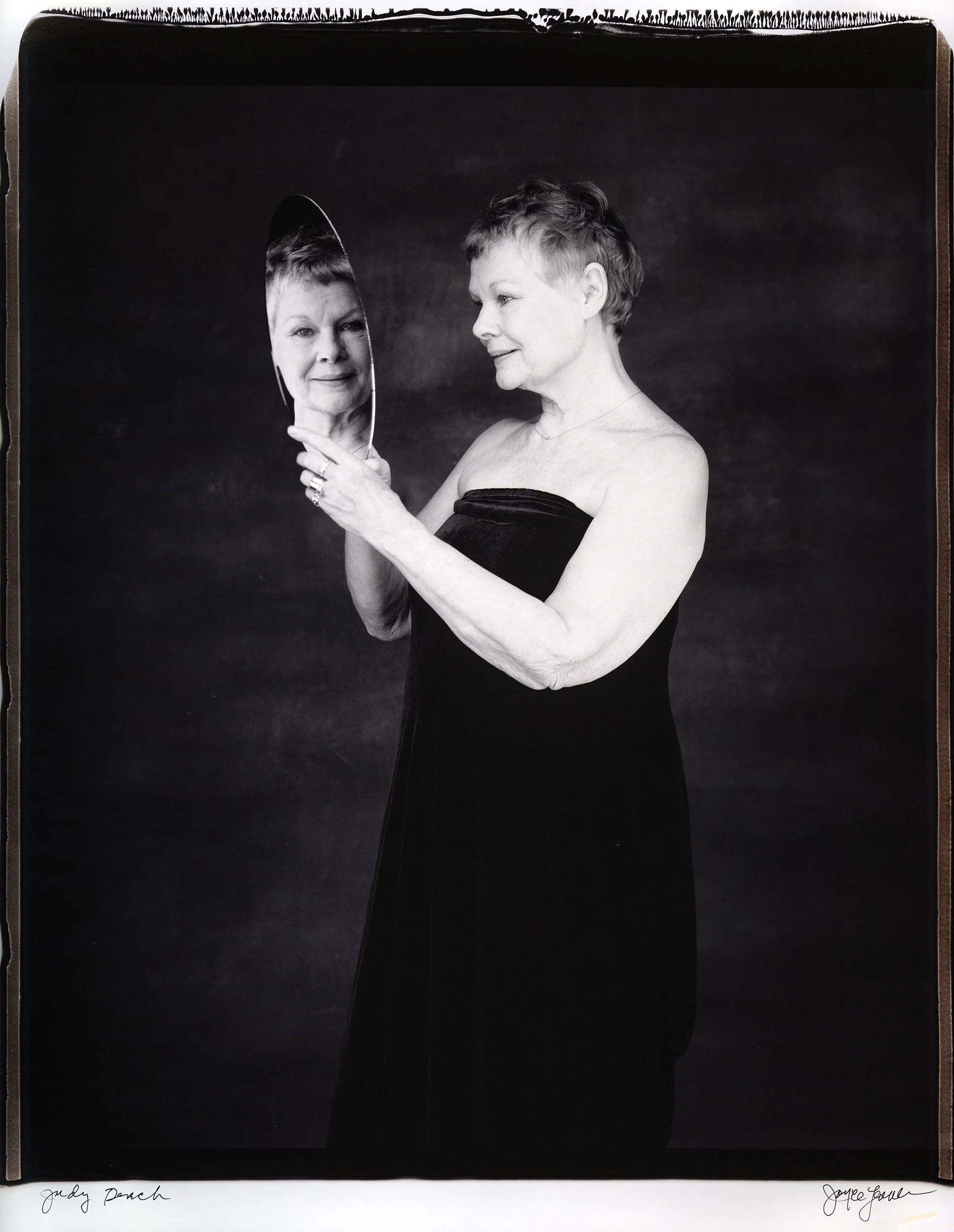
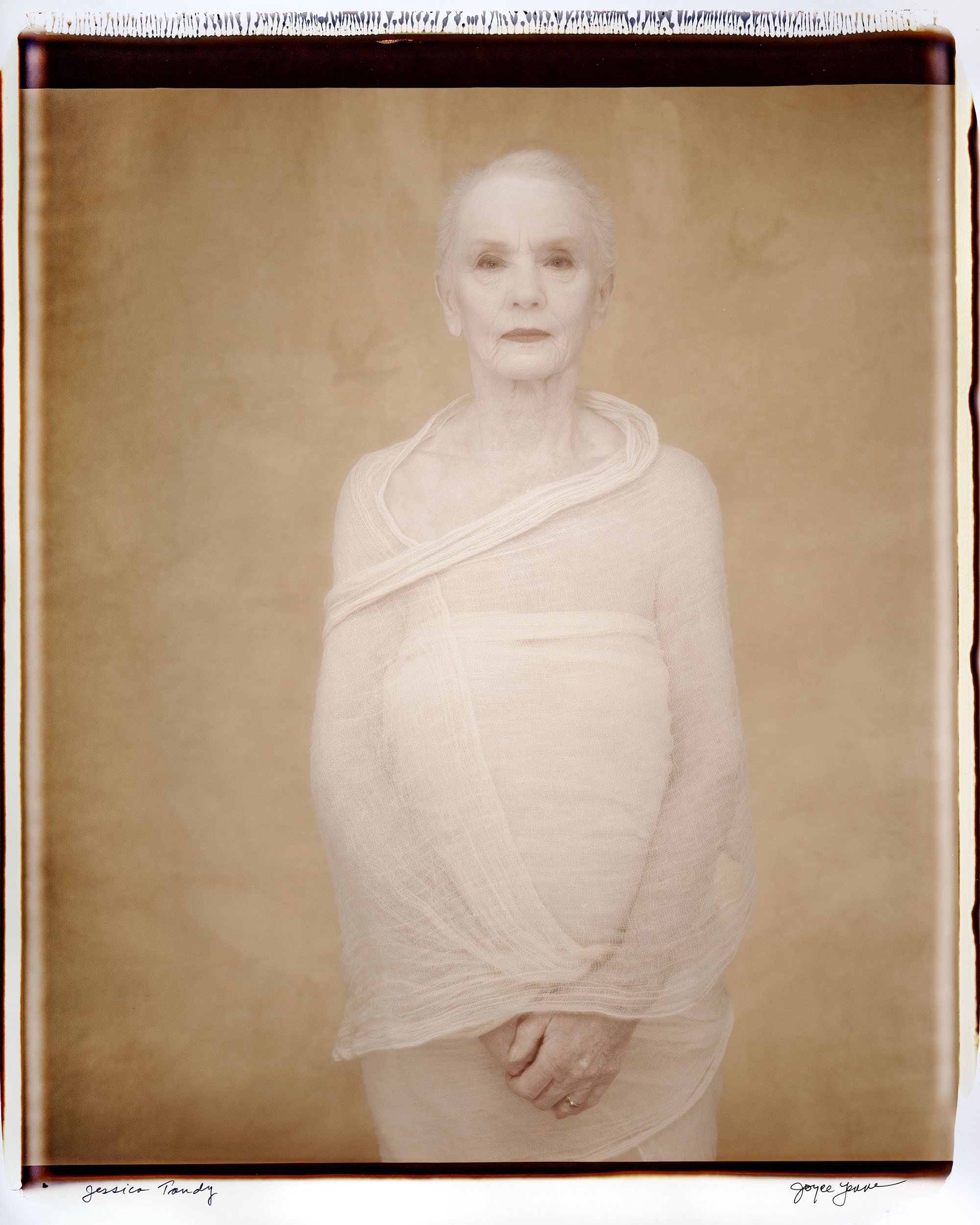
Haunting, ethereal, mystical, – all of these words describe the photographic style of Joyce Tenneson. Her photos command a complex and intense emotional response from the viewer. Tenneson’s images are a mysterious alchemy of sensuality and spirituality lit in an almost otherworldly glow. Vicki Goldberg, critic and author, writes: “Tenneson possesses a unique vision which makes her photographs immediately recognizable.”
Internationally lauded as one of the leading photographers of her generation, Joyce Tenneson’s work has been published in books and major magazines, and exhibited in museums and galleries worldwide. Tenneson is the author of seventeen books including the best seller, “Wise Women", which was featured in a Today Show series. She is also the recipient of many awards and, in a poll conducted by American Photo Magazine, readers voted Tenneson among the ten most influential women in the history of photography. The Lucie Awards named Joyce Tenneson as Fine Art Photographer of the Year in 2005, and in 2018 she received the Lucie Award for Outstanding Achievement in Portraiture. In the Fall of 2014, Fotografiska Museum, in Stockholm, Sweden, mounted a large retrospective of Tenneson’s work. In 2021 Tenneson was inducted into the International Photography Hall of Fame.
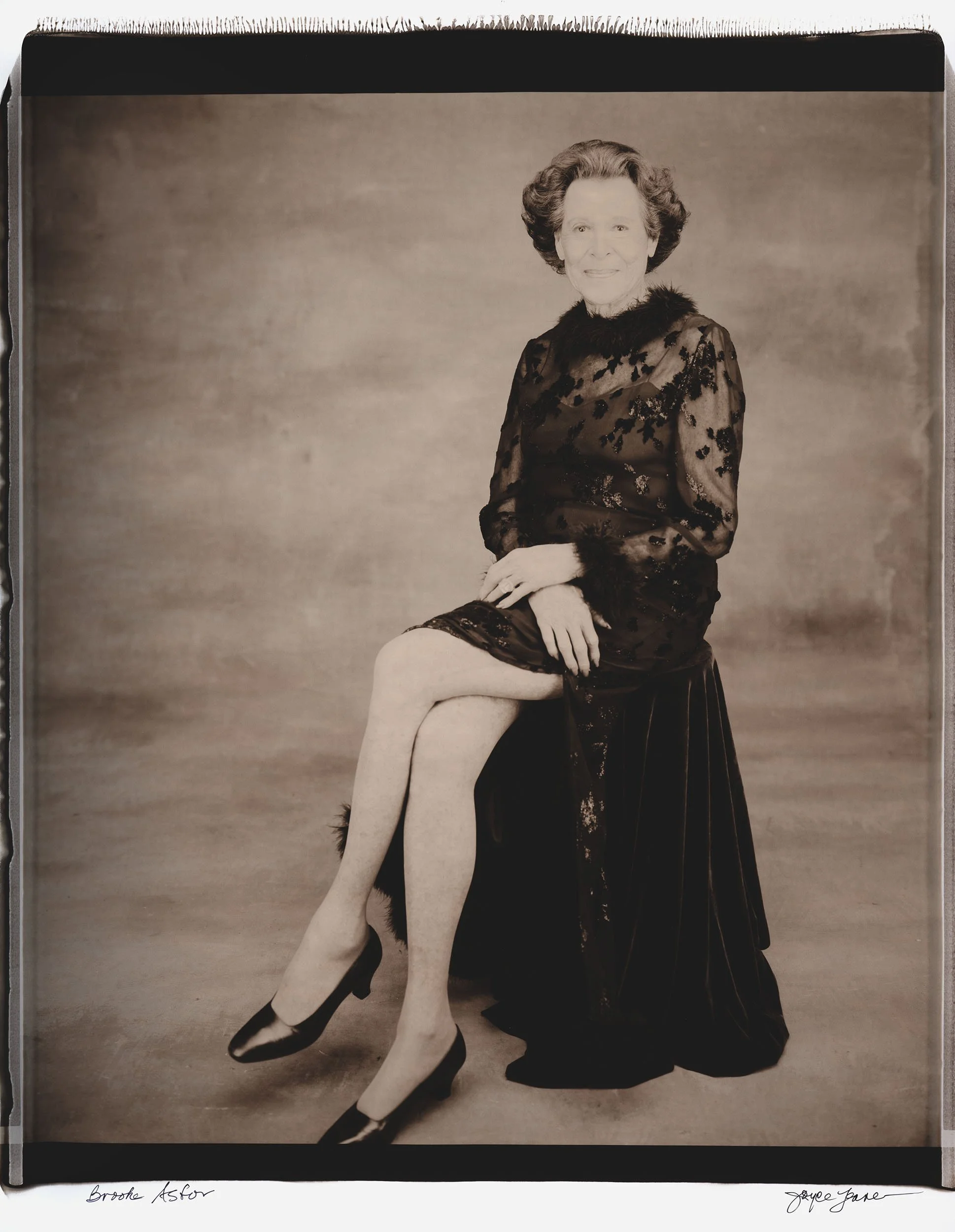
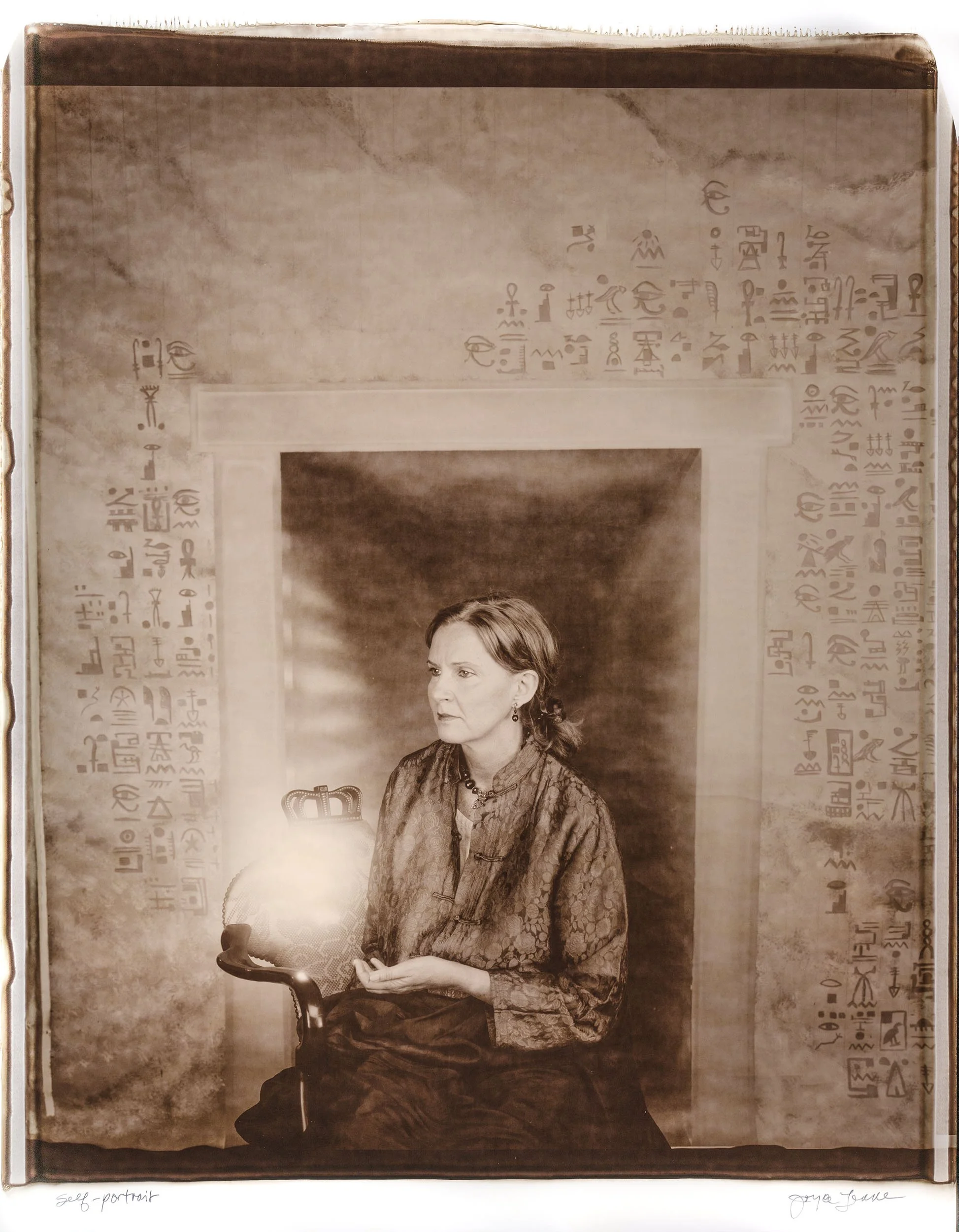
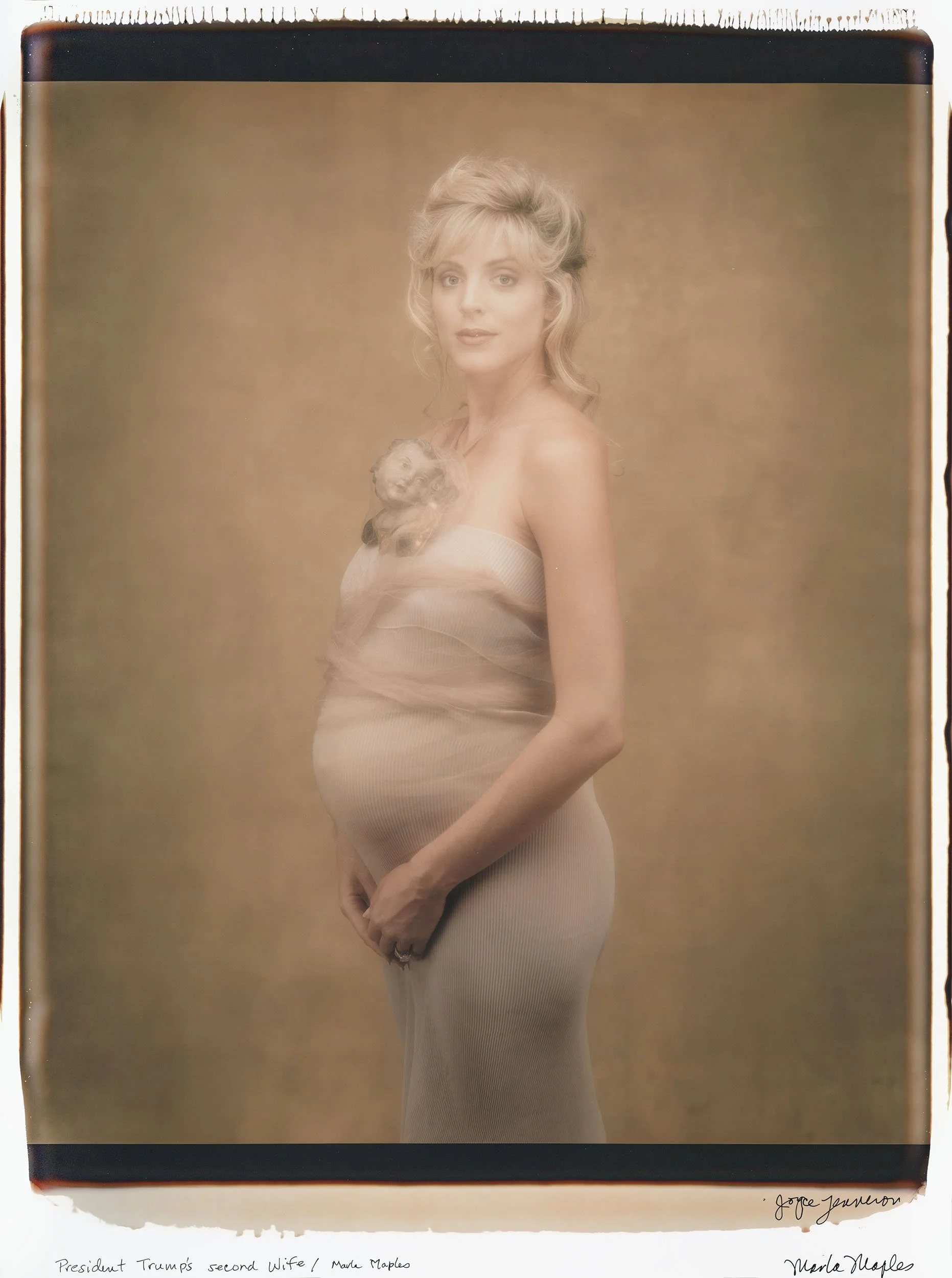
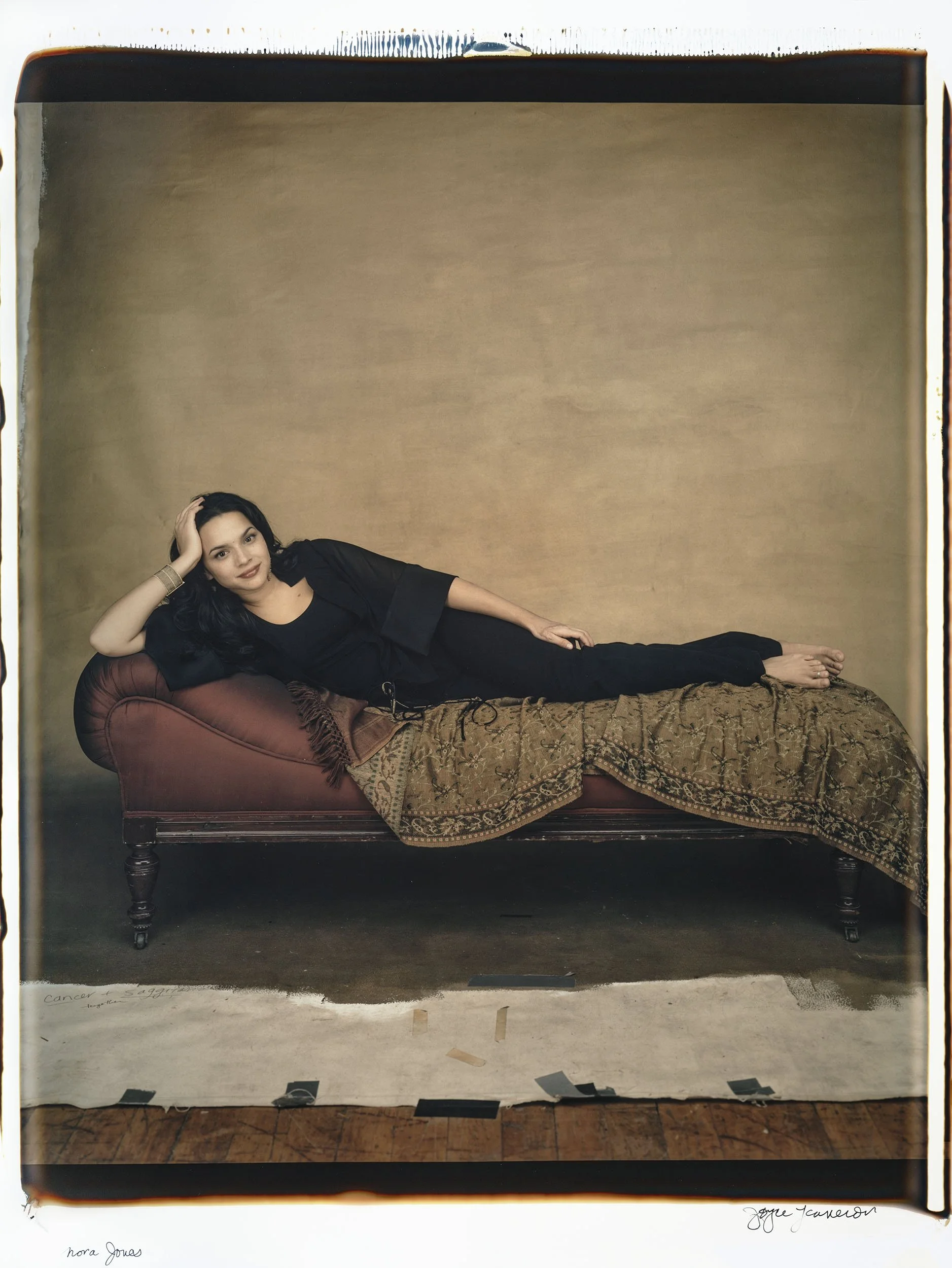
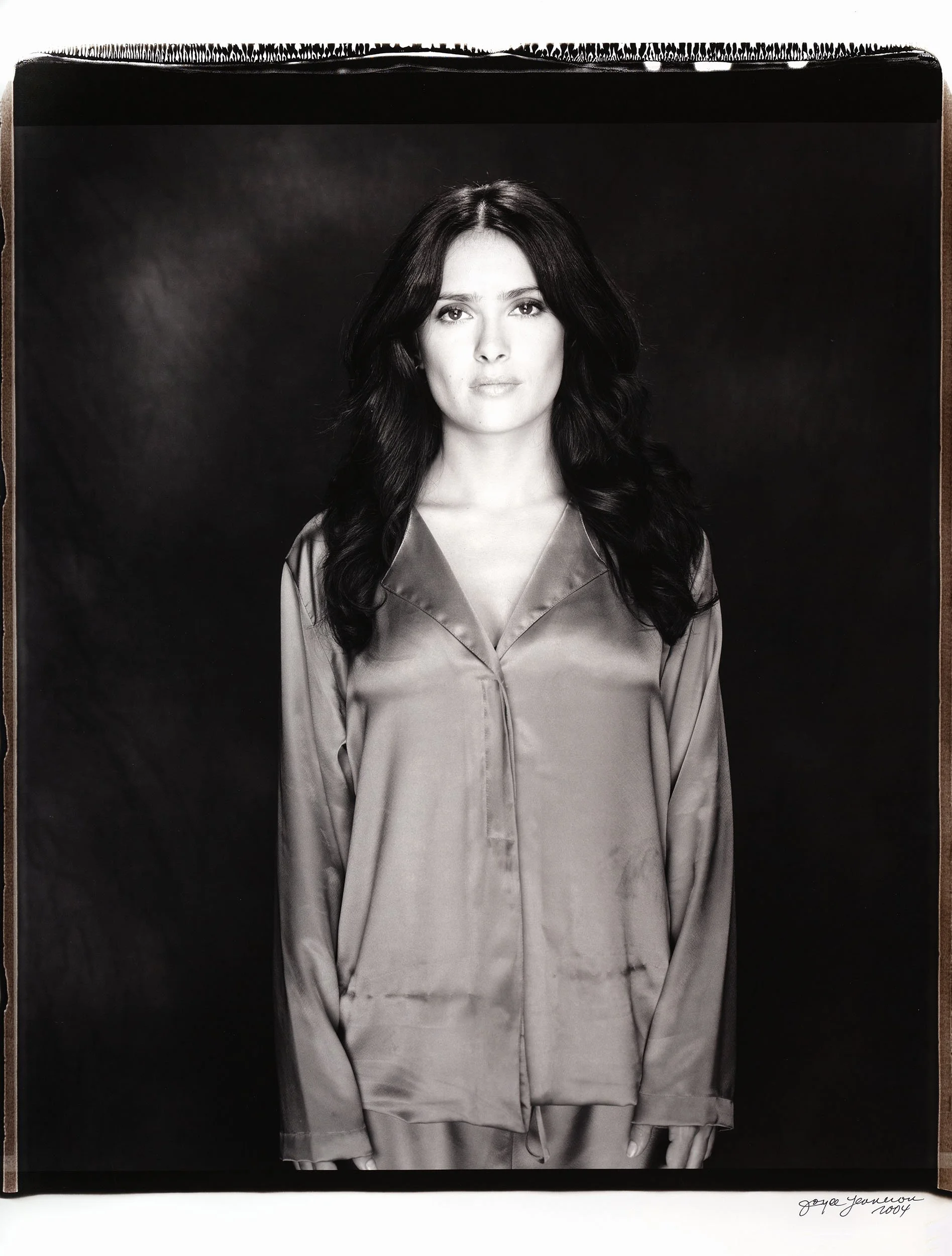
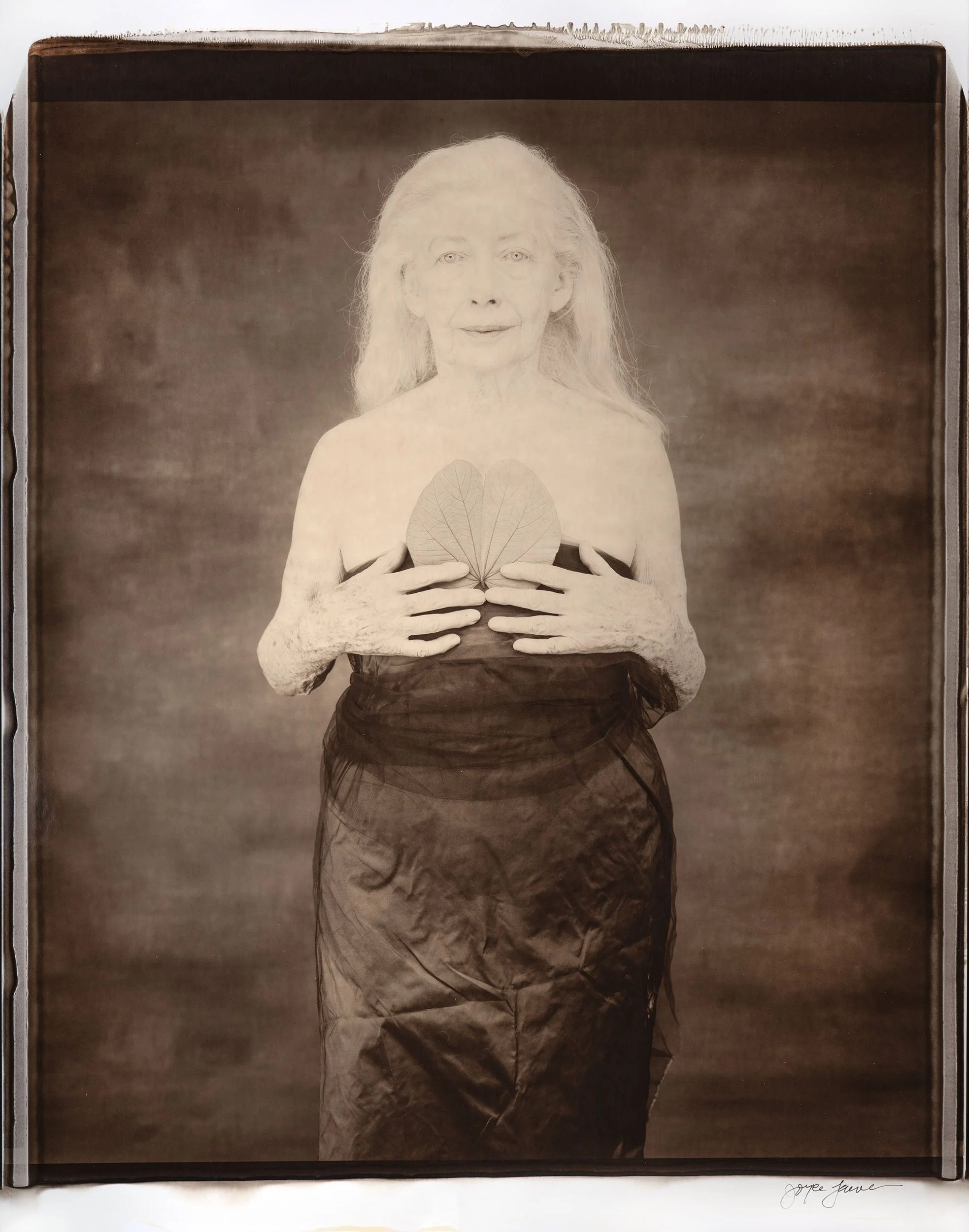
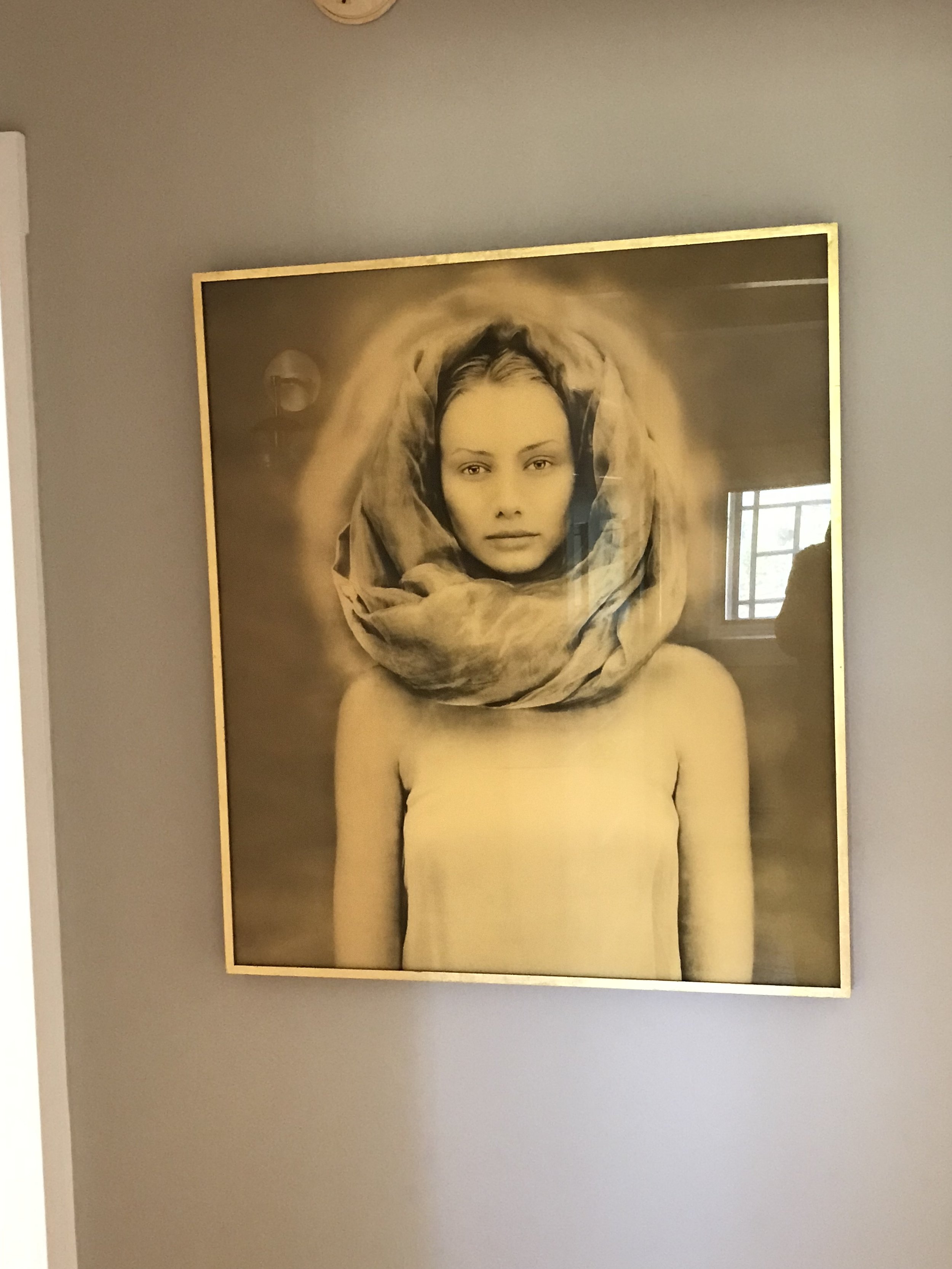
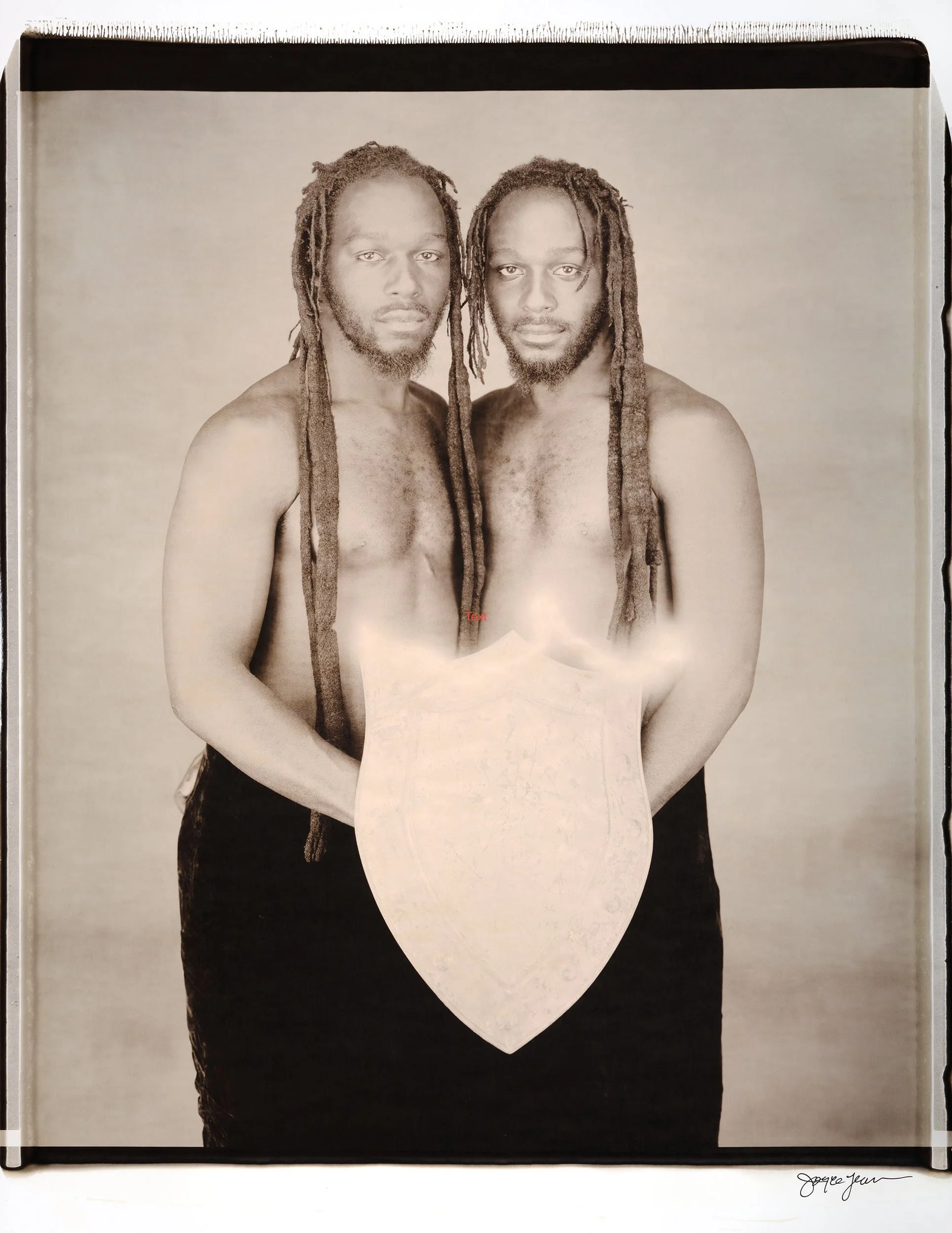
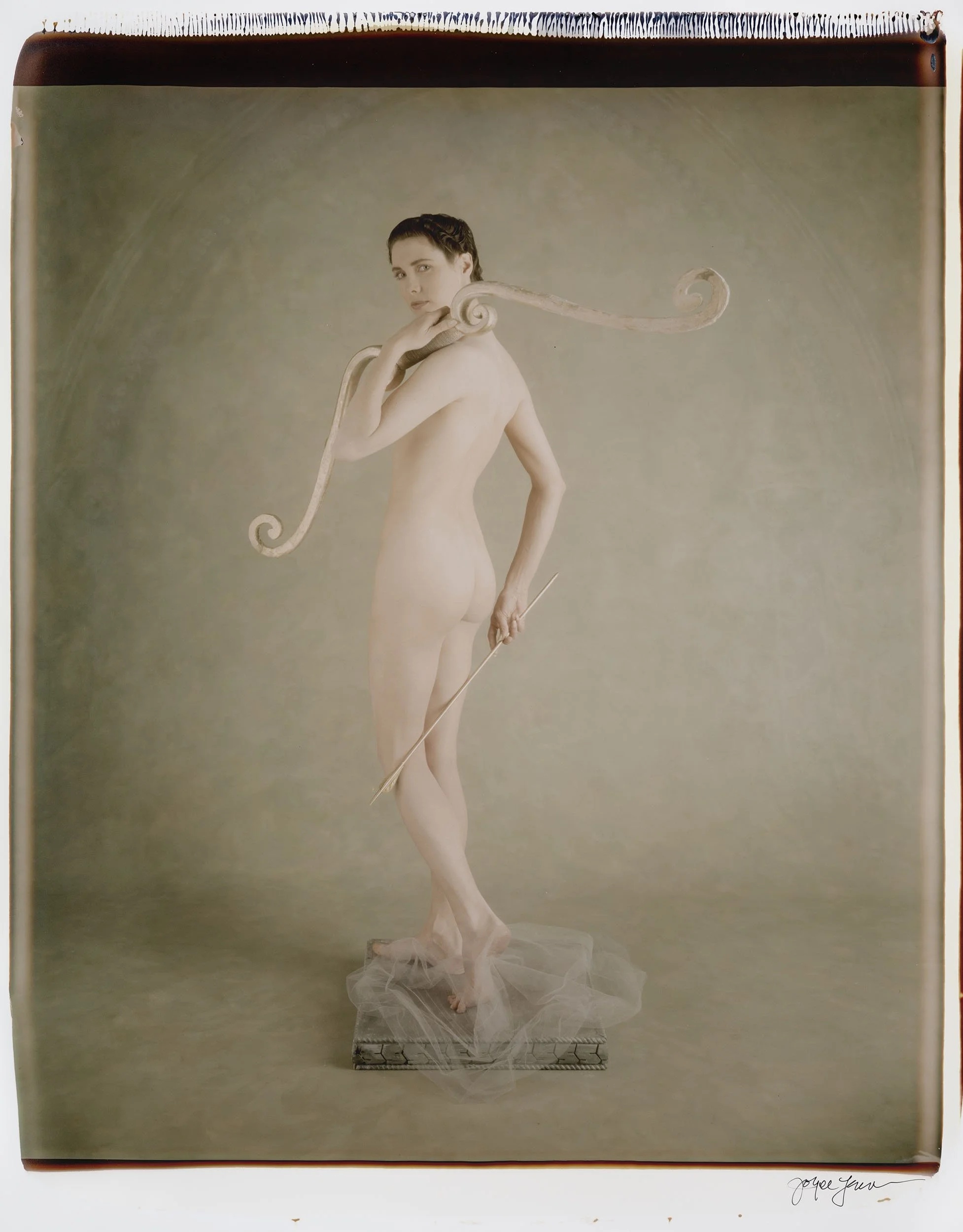
Joyce Tenneson, Brooke Aster, Circa 1990’s?, 1/1, Polaroid, 24 x 20 inches, $8,000
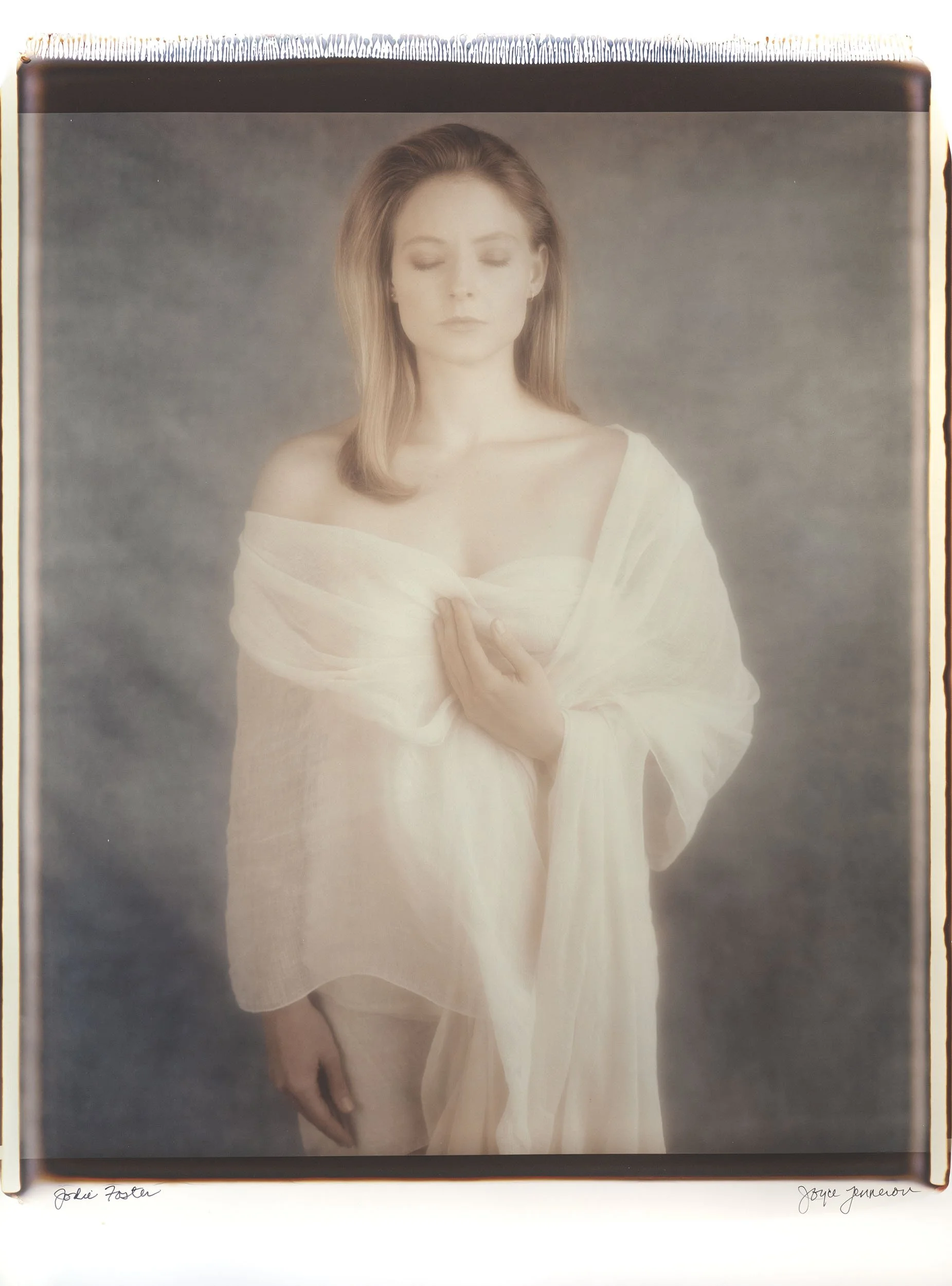
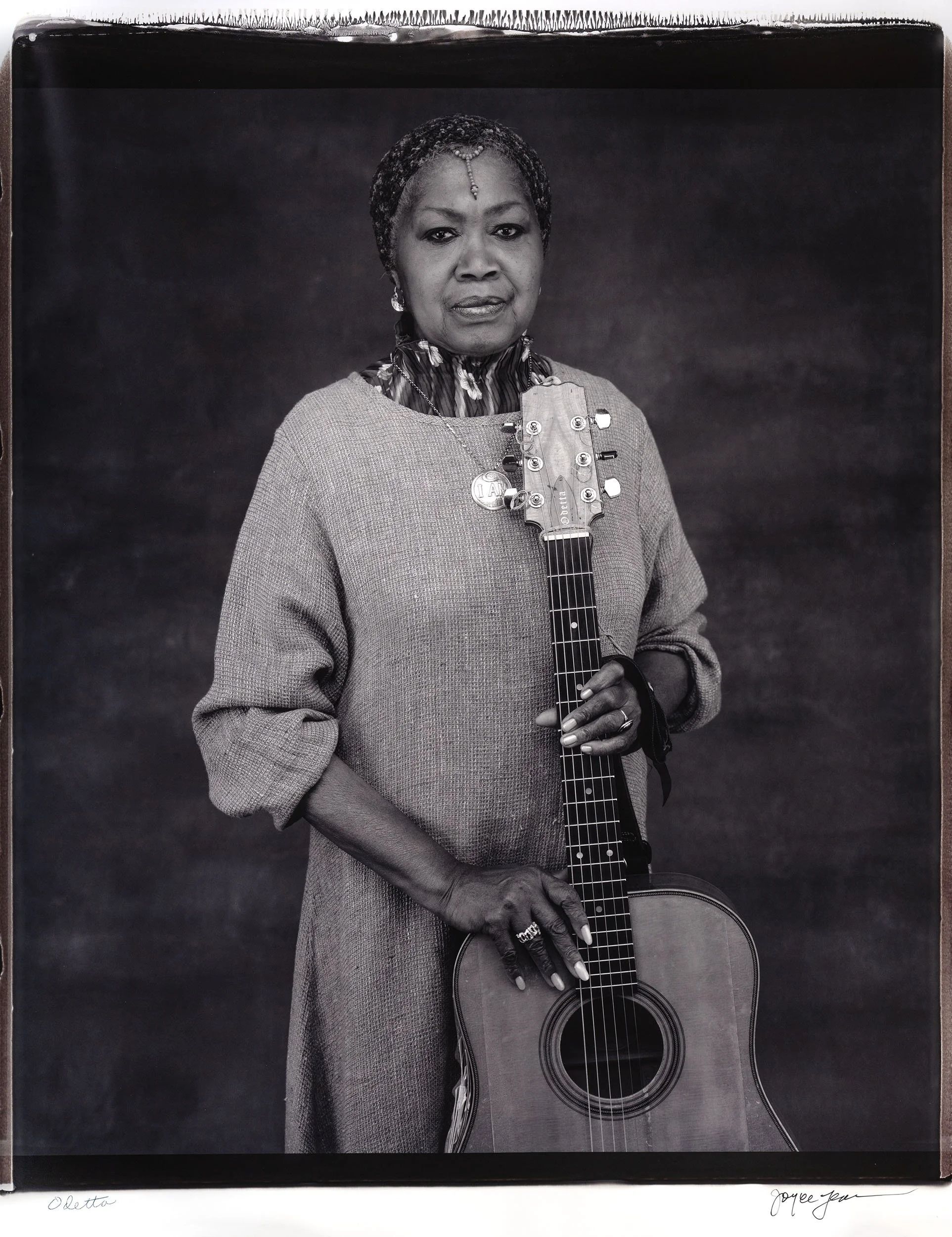
Virtually all of Tenneson's work are a form of portraiture. She approaches nature with the same respect for the history and inner beauty of the subject as she does her human subjects, giving each an opportunity to tell its story.
Carol Eisenberg
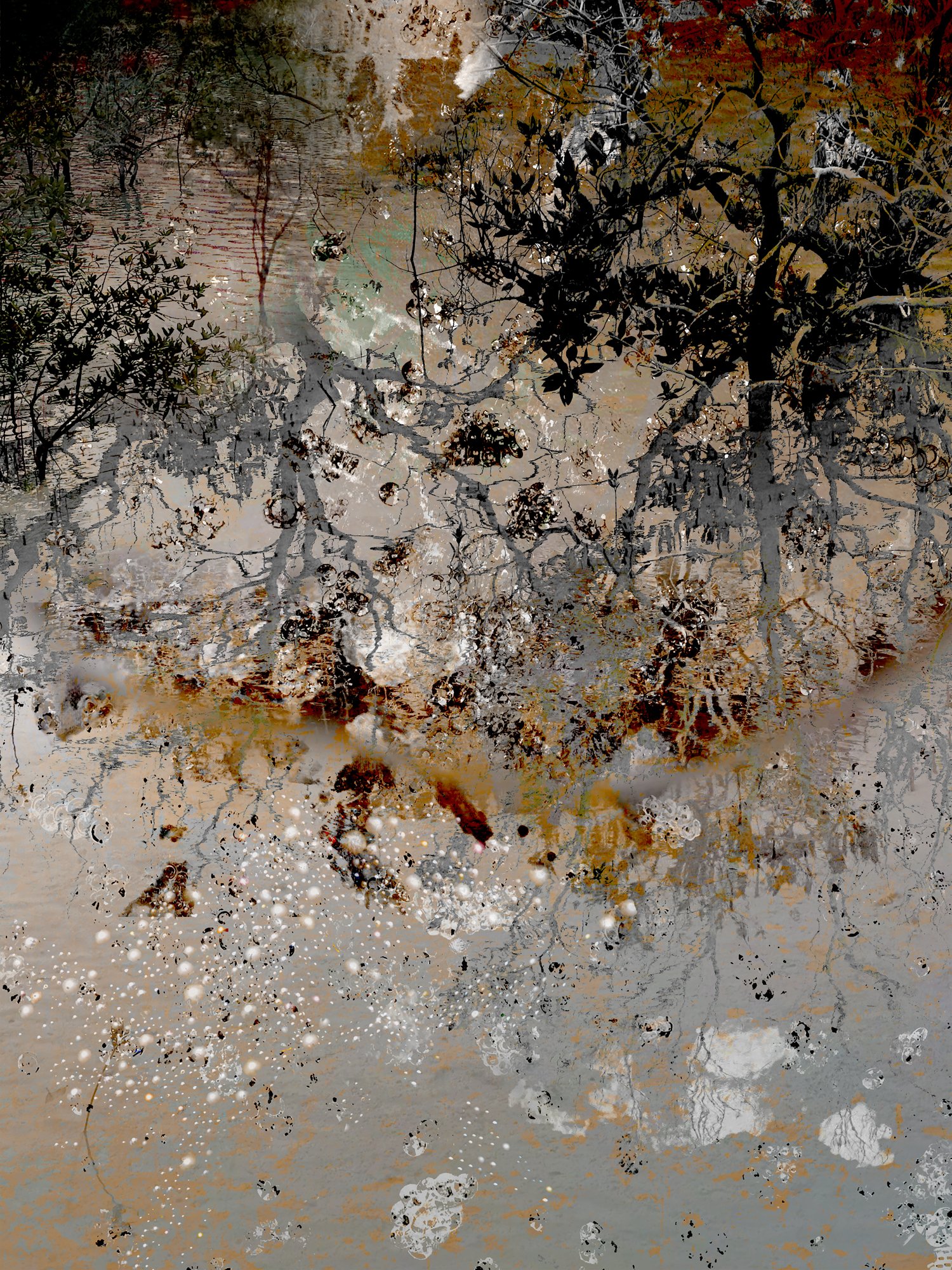
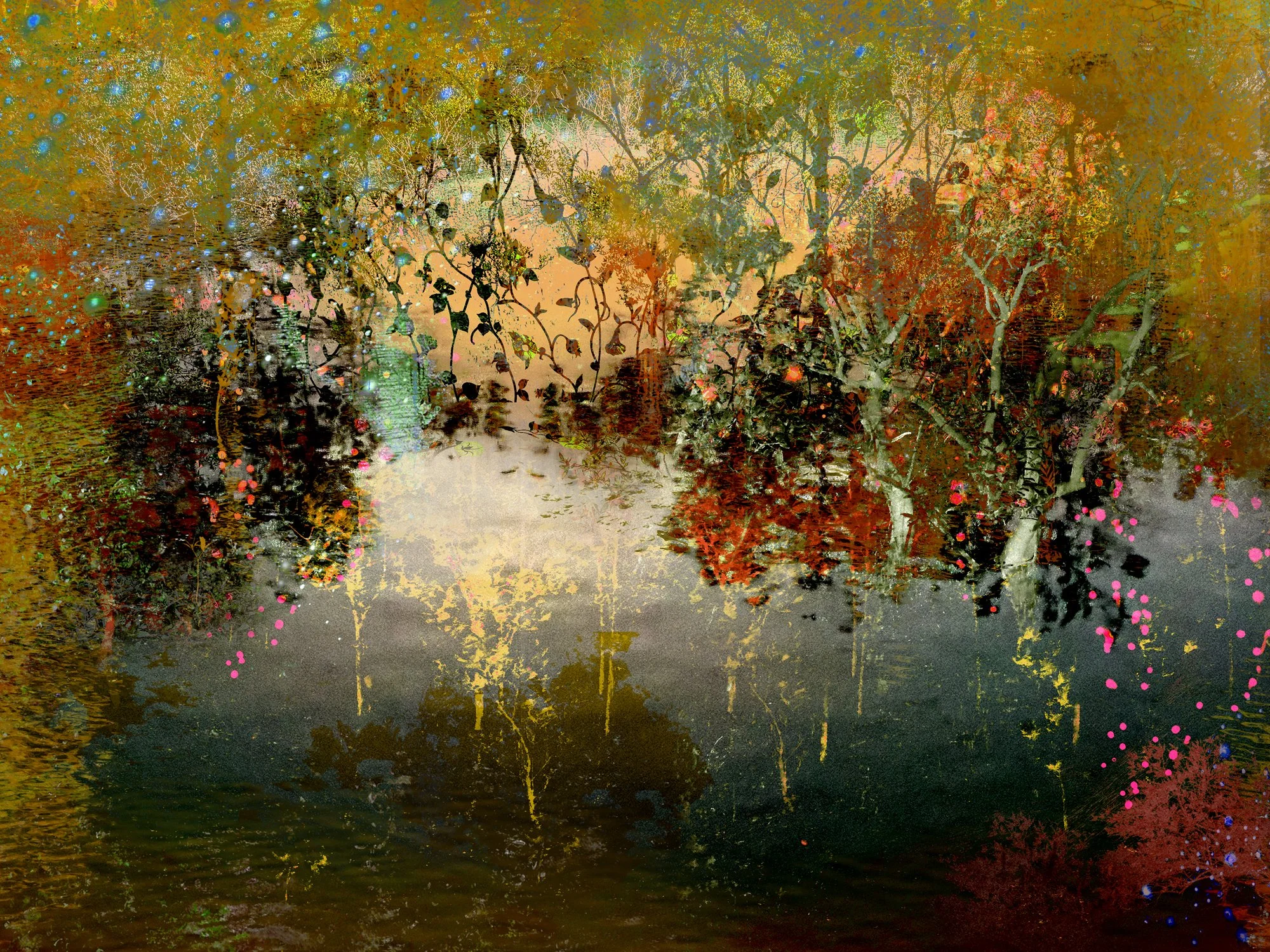
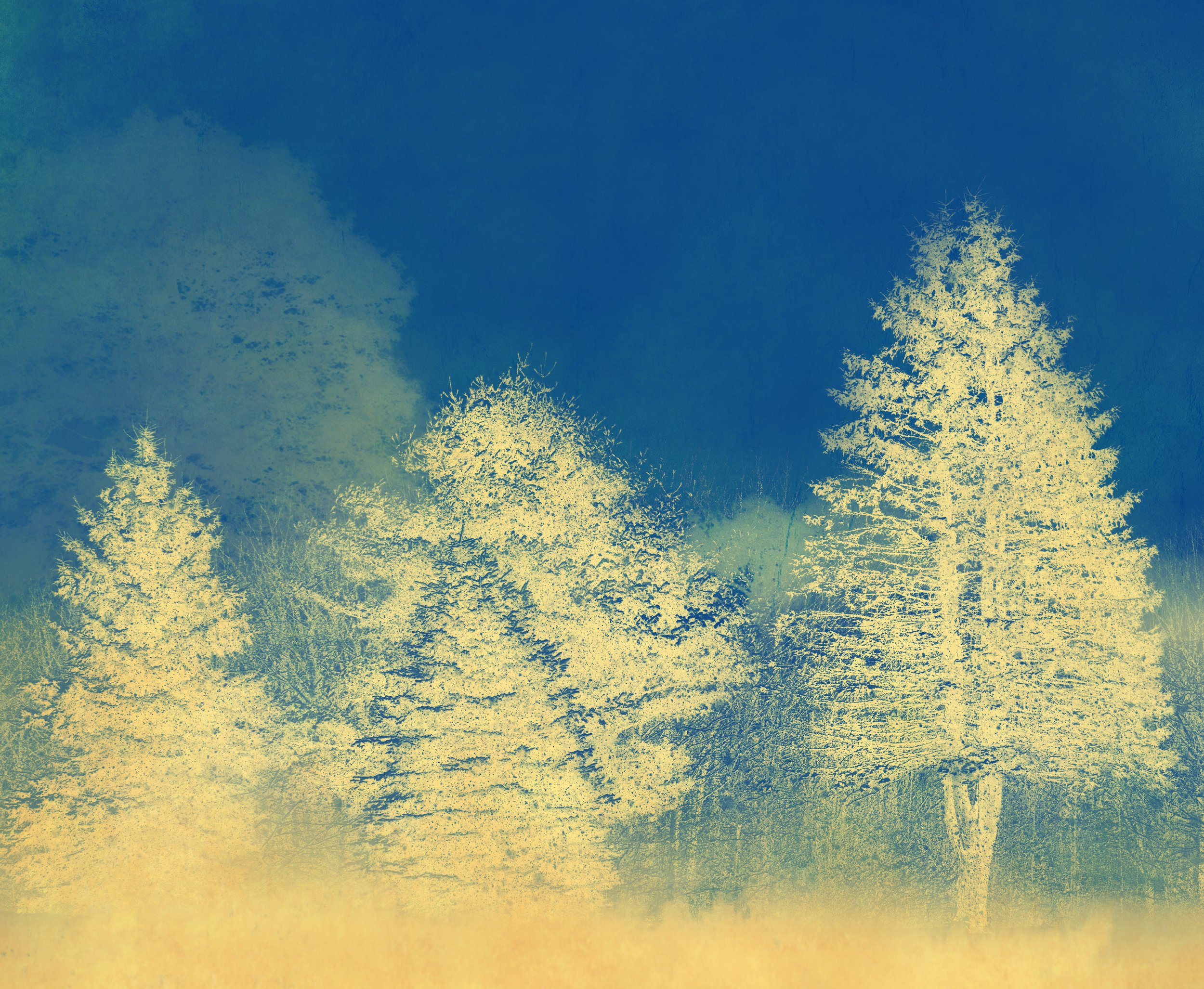
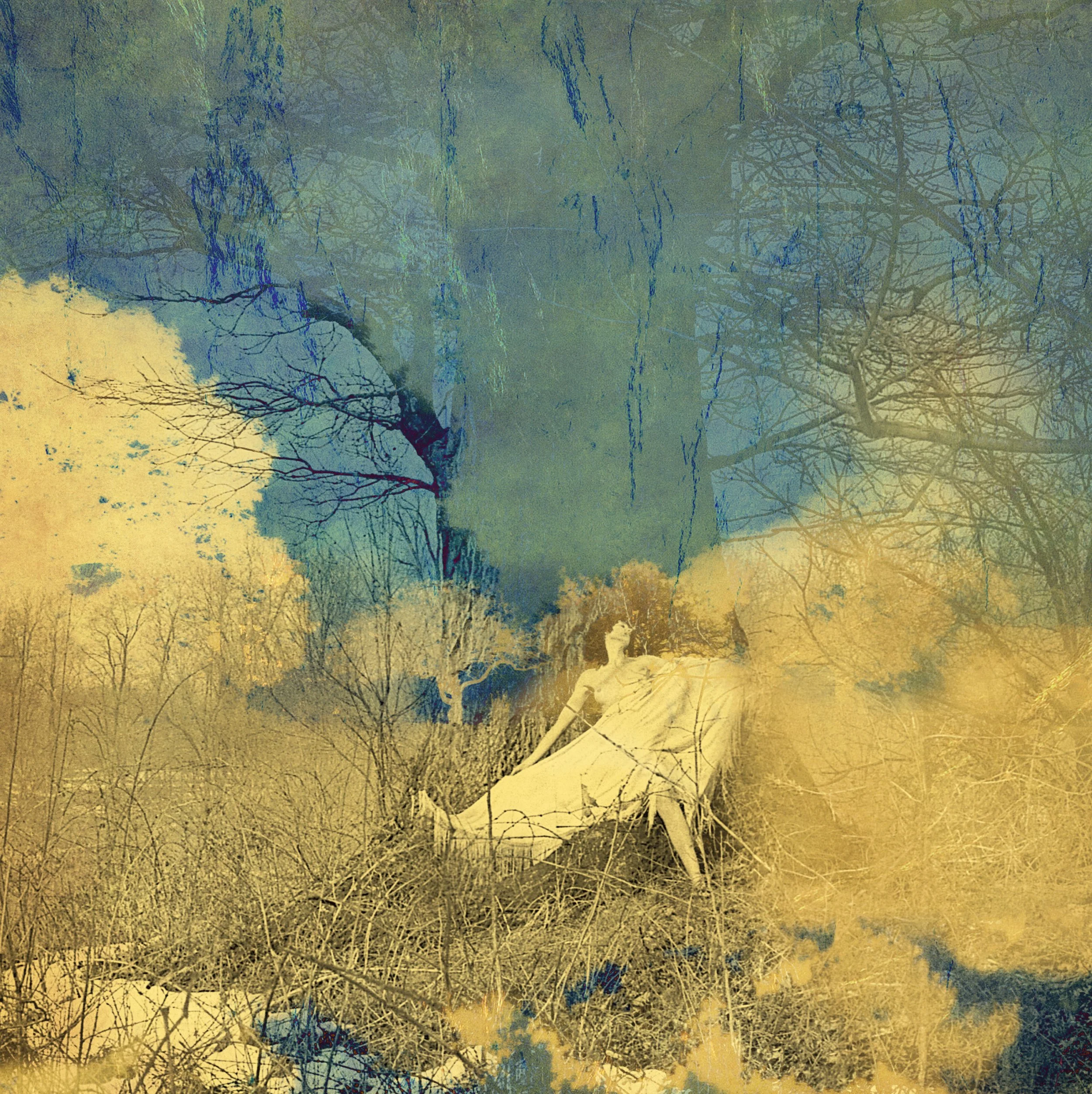
Carol Eisenberg, Mangroves 25, 1/8, 2026, Inkjet print, 28.5 × 36 inches, $2,800.
Mangroves. In Limine.
This series began with photographs I took at the Jubail Mangrove Park in Abu Dhabi, a hauntingly beautiful ecosystem whose complex root structures stabilize the coastline, shelter diverse forms of life, and thrive where land and sea converge. Existing at the threshold between permanence and change, this remarkable habitat exemplifies interconnectedness, resilience, and transformation — a metaphor for life itself.
Back in the studio, I embedded imagery of pearls, blossoms, and jewel-like forms into my photographs of the already ravishing mangrove sanctuary, emphasizing processes of growth, accumulation, beauty, and hidden value. My collaged layers developed much as natural systems do, through accretion, interaction, and continual change. Mangroves survive by adapting rather than resisting. Pearls evolve through accretion. Jewels represent permanence, value, and desire. Together they suggest that beauty is not ornamental but accumulated—formed through time, pressure, adaptation, and endurance. In these complex environments, boundaries dissolve, and beauty emerges. - Carol Eisenberg
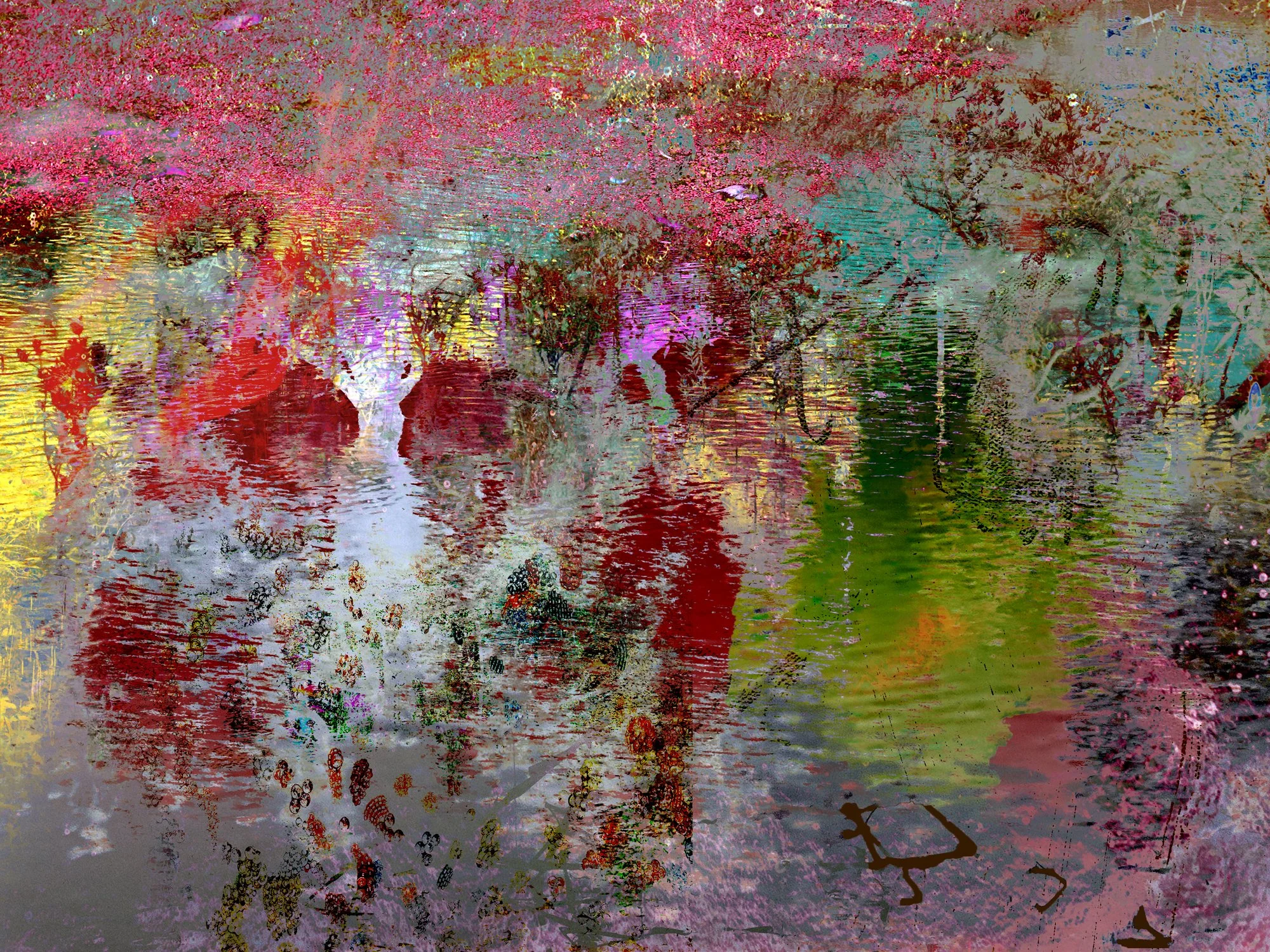
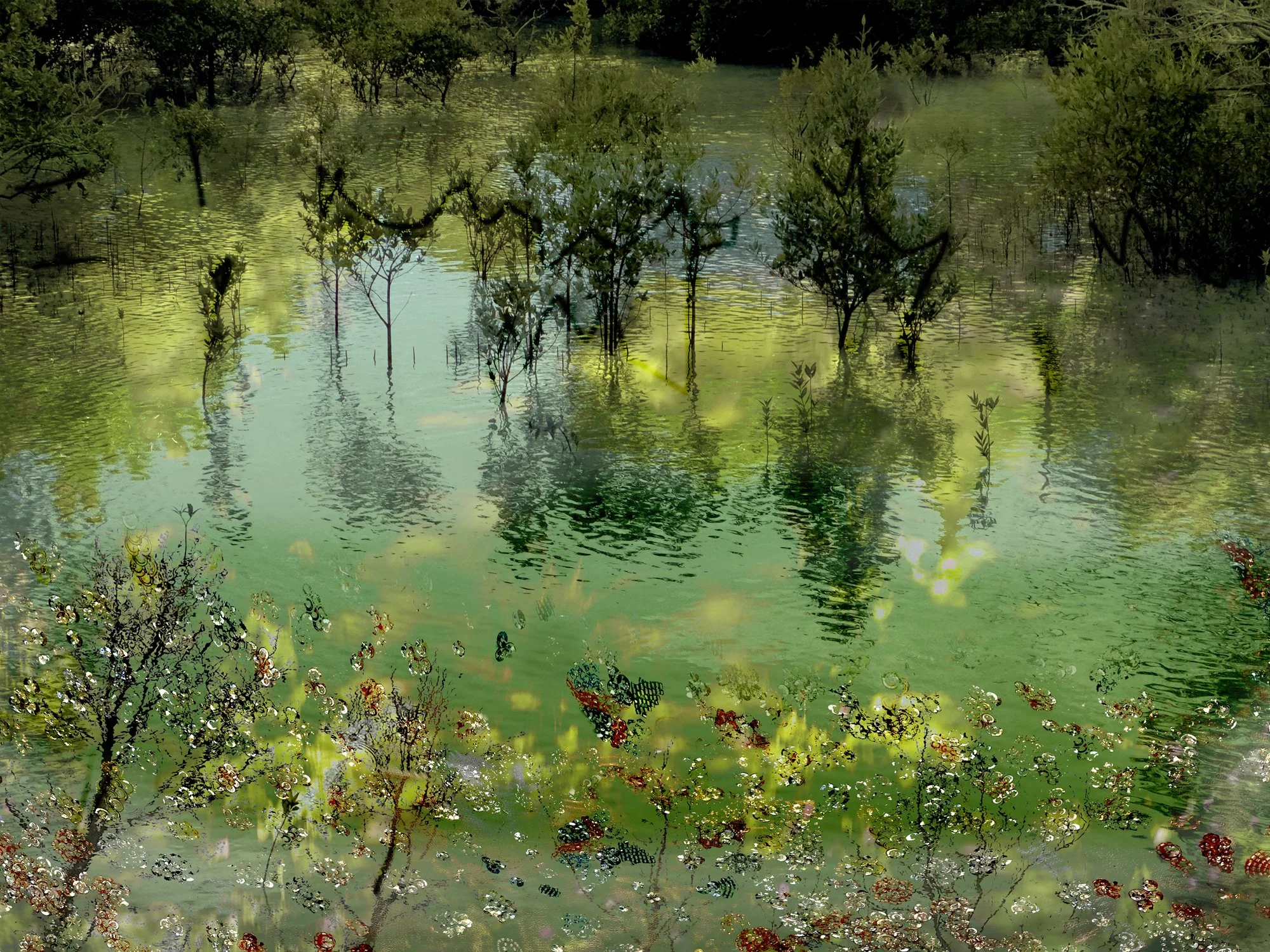
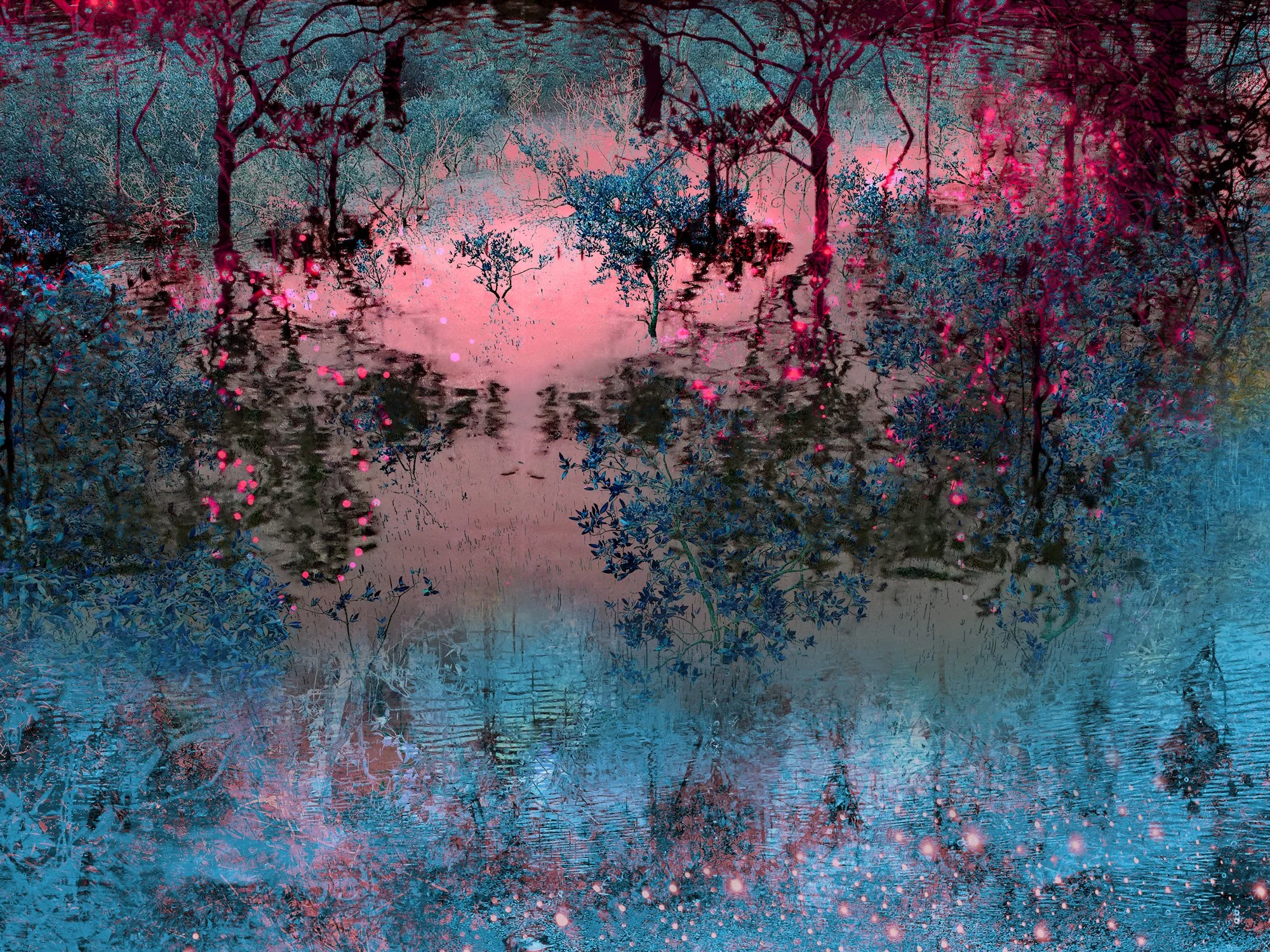
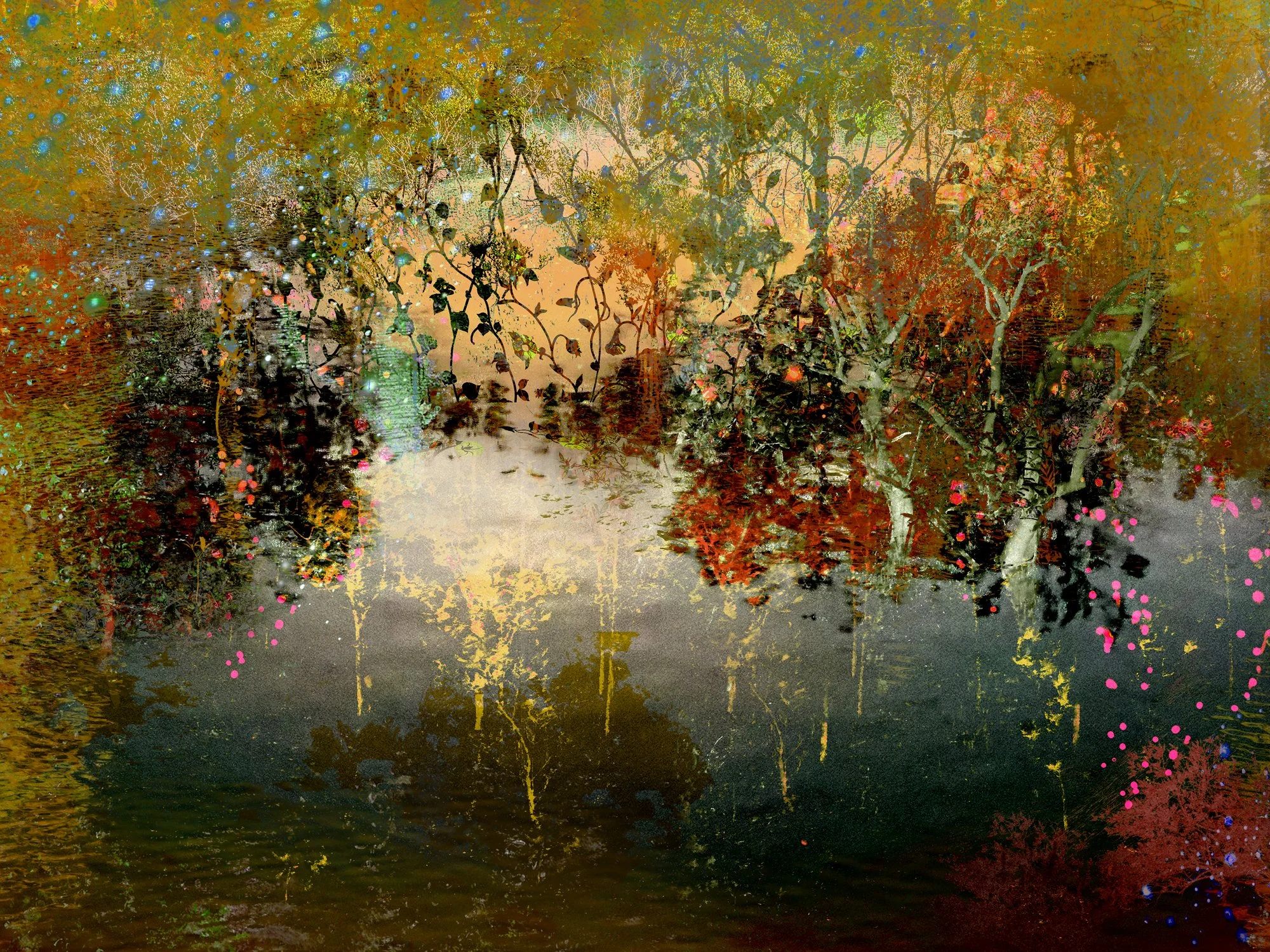
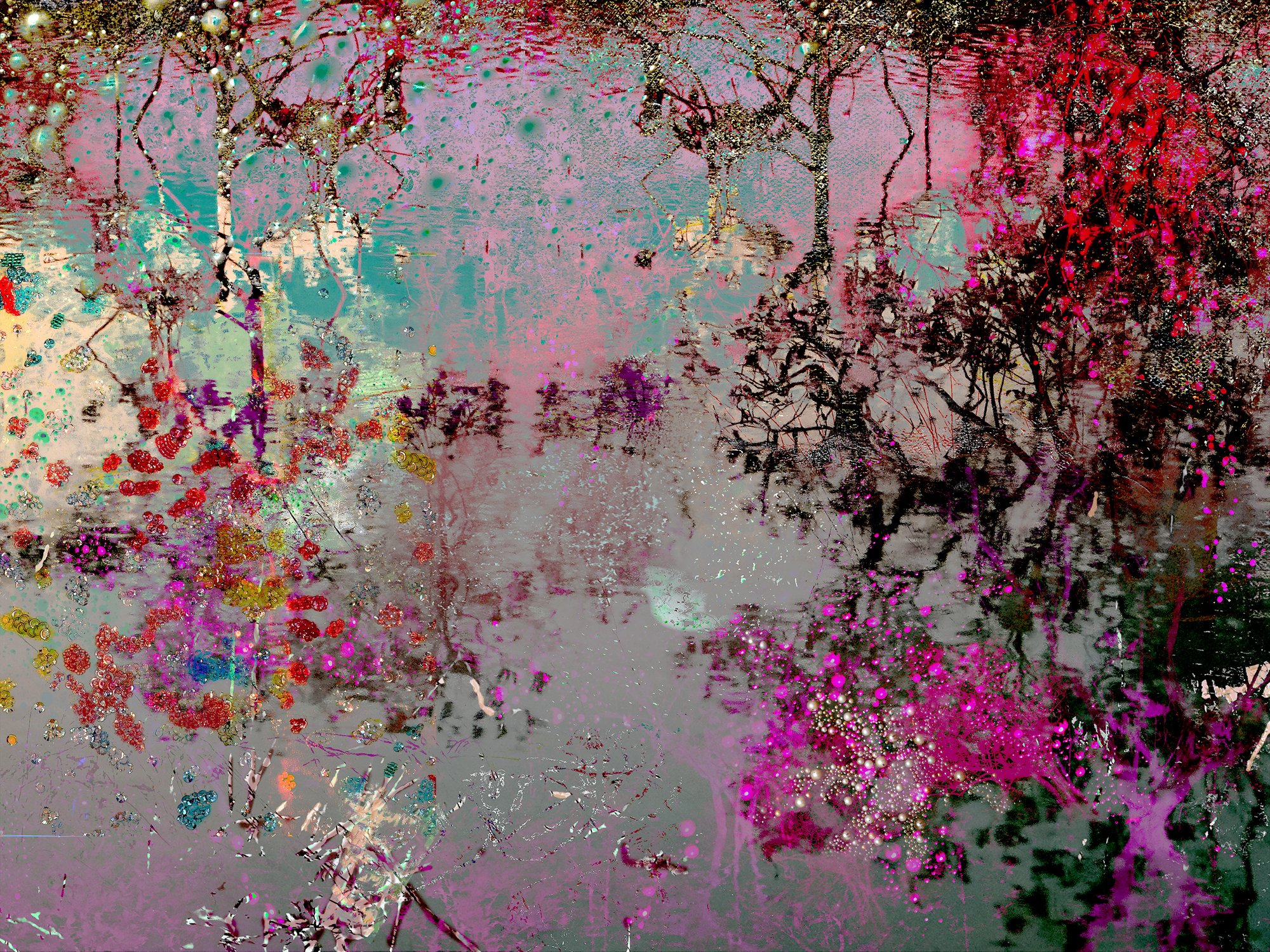
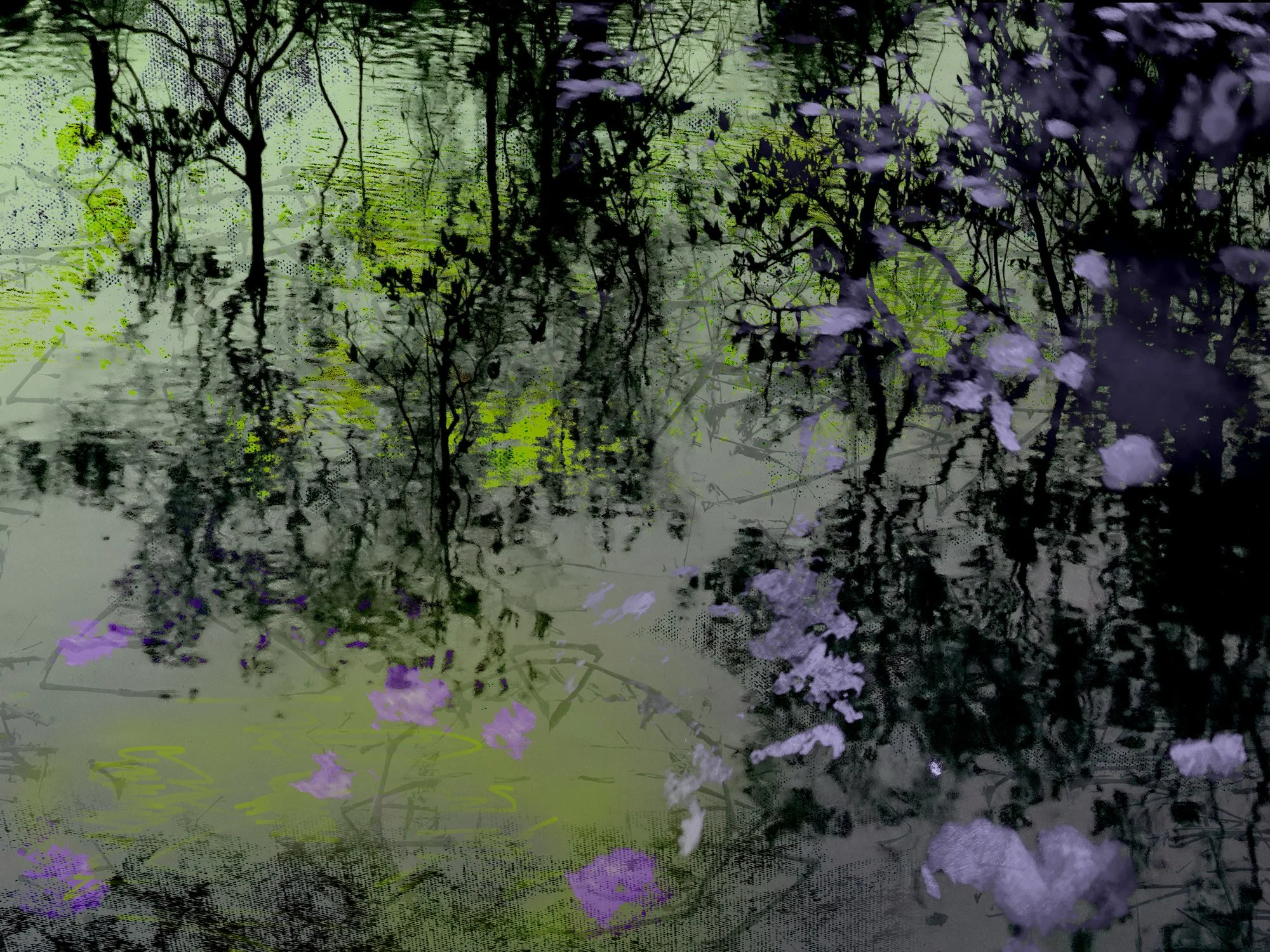
Carol Eisenberg is a fine art photographer whose constructed digital images blur the line between painting and photography, drawing upon the polarities of beauty and decay, the natural and the human-made. Her compositions begin with originally sourced imagery selected from photographs she shoots in the studio or on location near her homes in Maine and Israel and on her travels. The images exist in an abstract realm that unites intentional creation with a fluid, intuitive approach to composition and color.
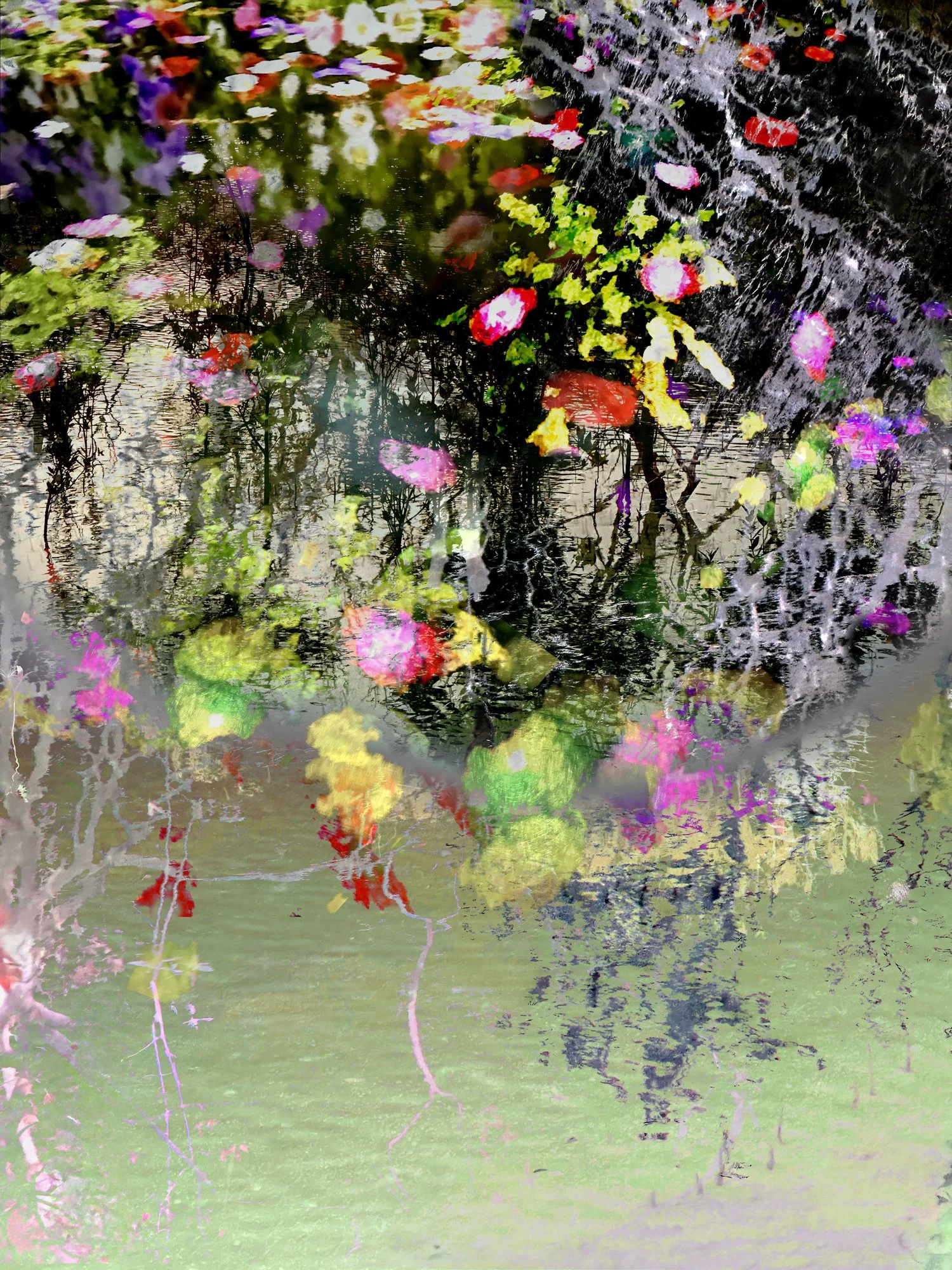
Carol Eisenberg, Mangroves 23, 1/8, 2026, Inkjet print, 28.5 × 36 inches, $2,800.
Sacre Bleu
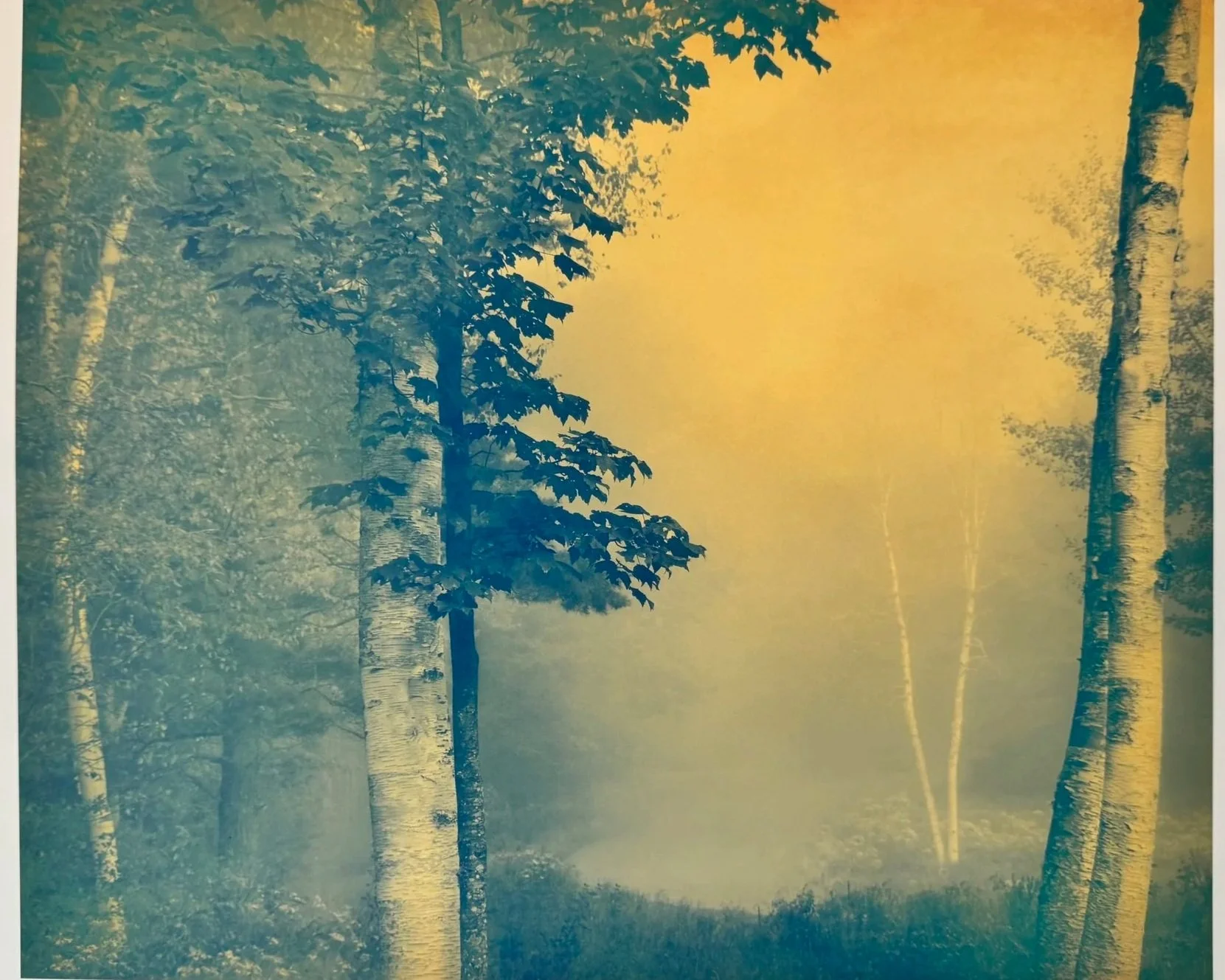
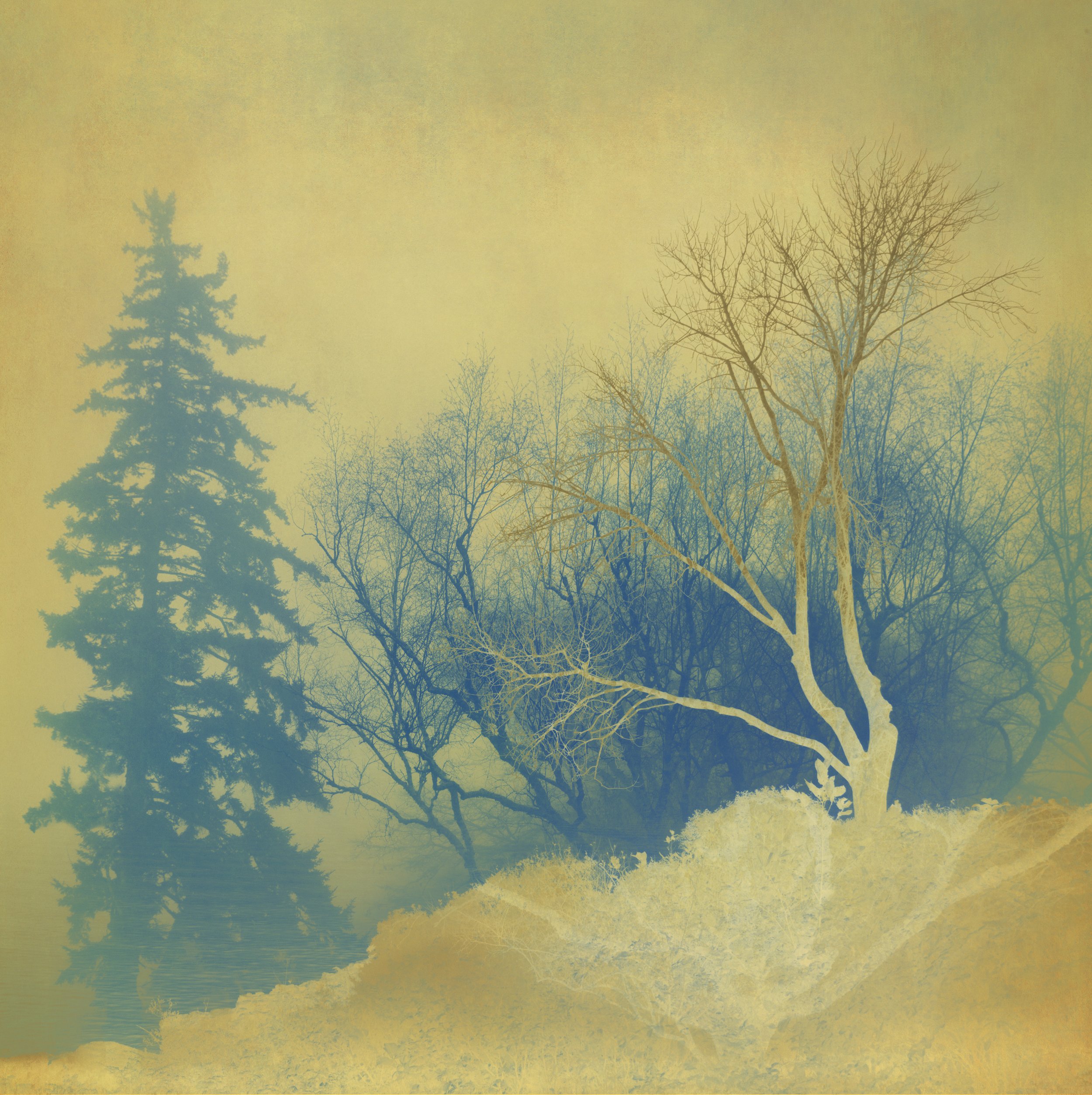
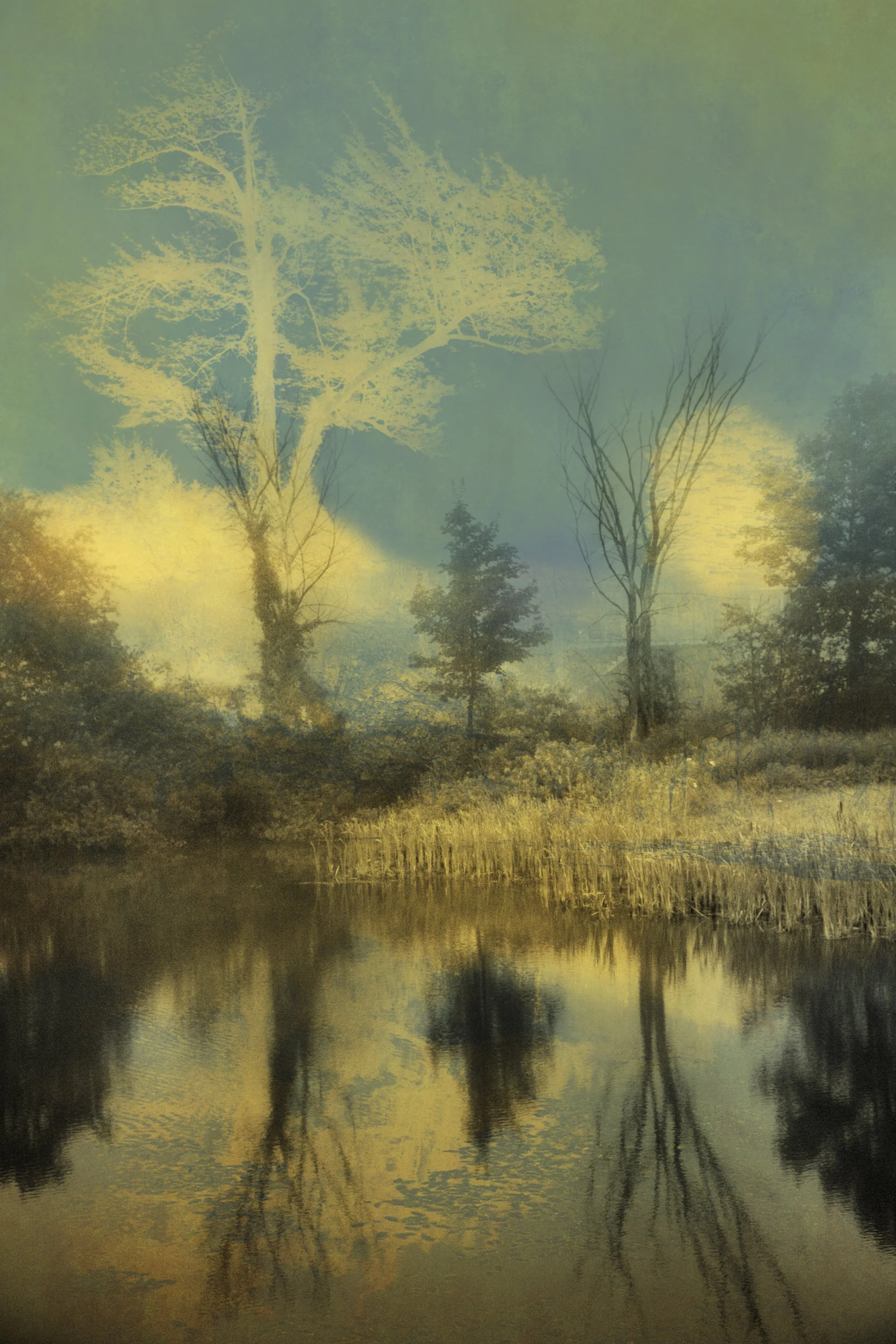
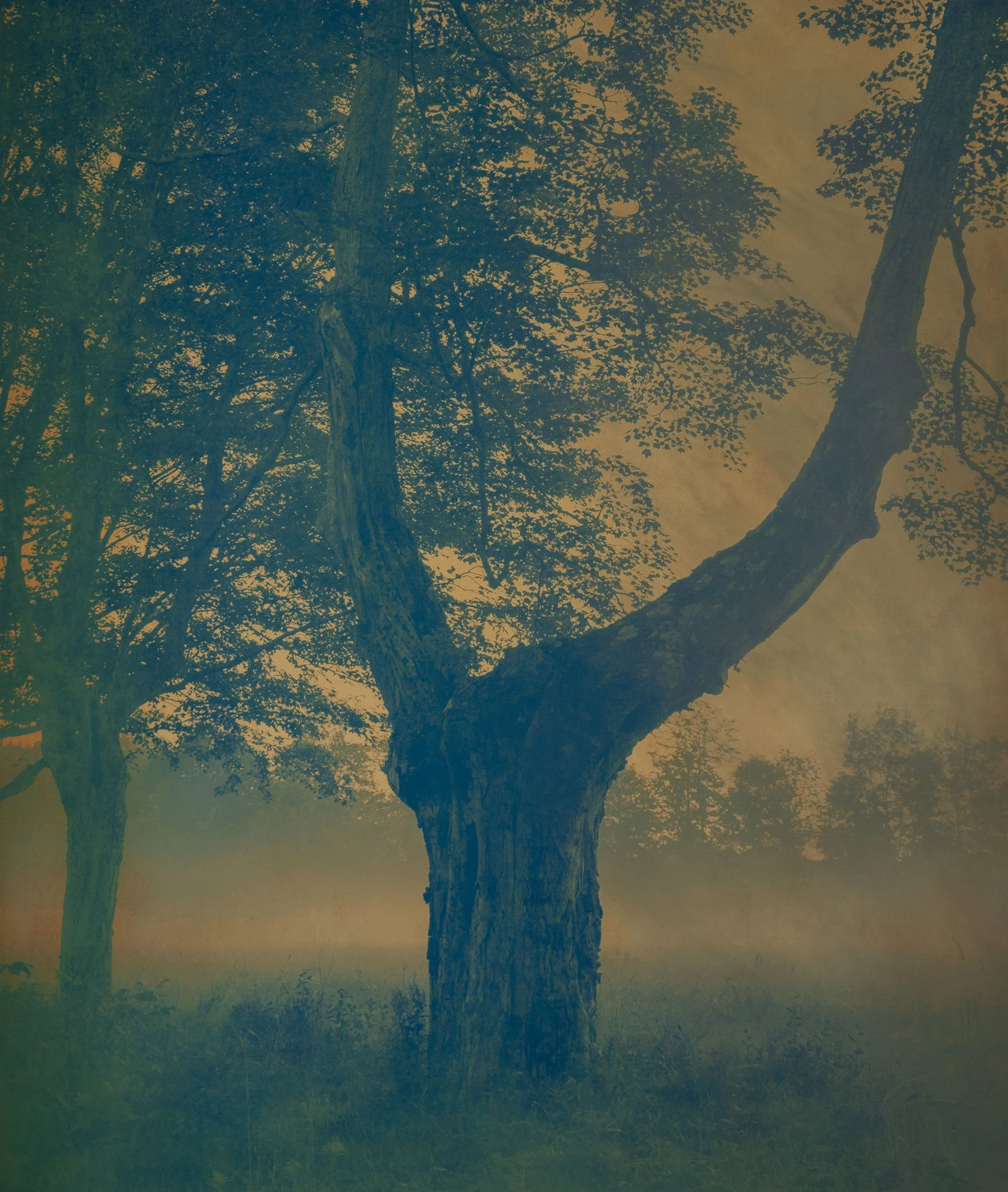
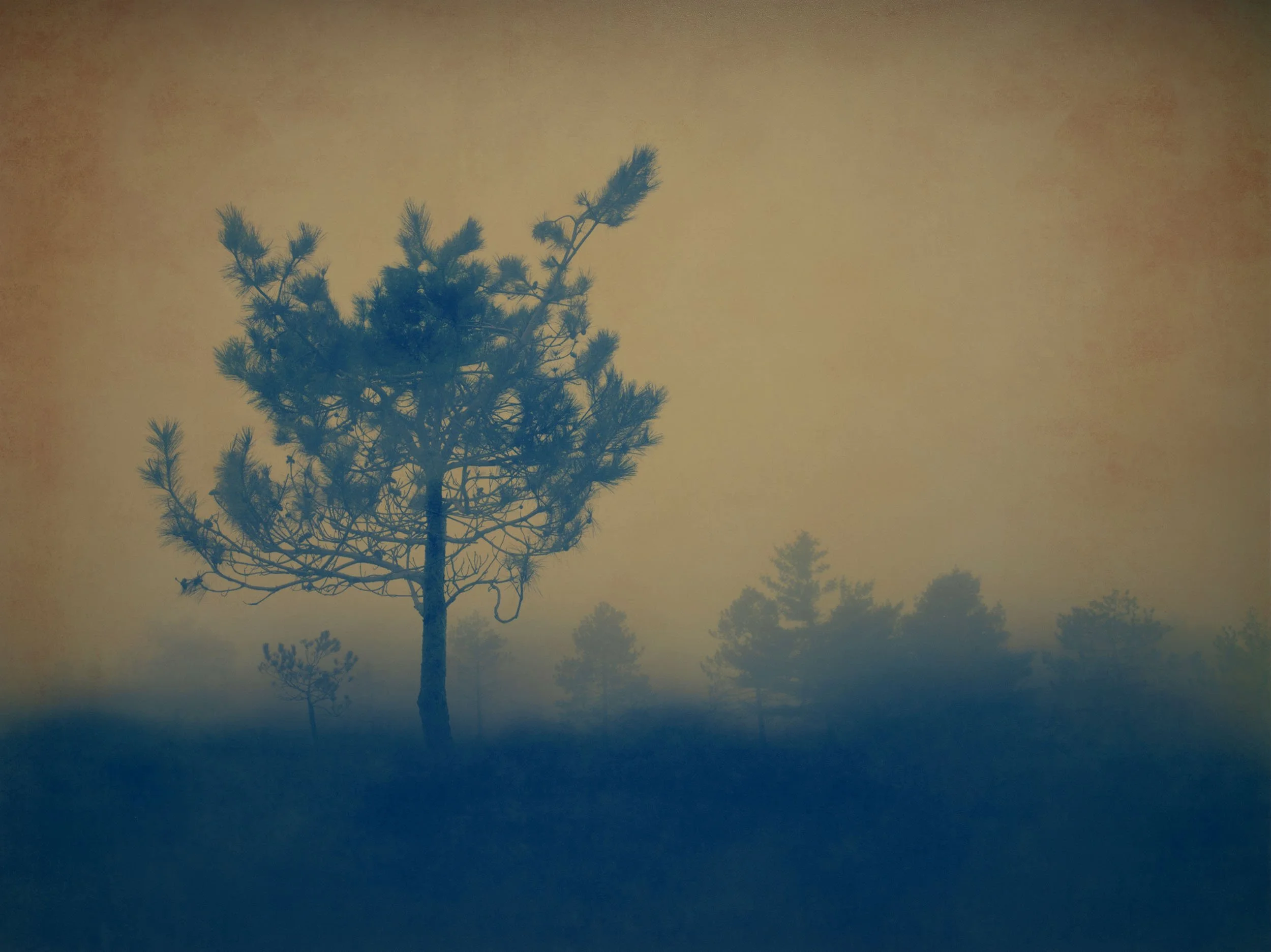
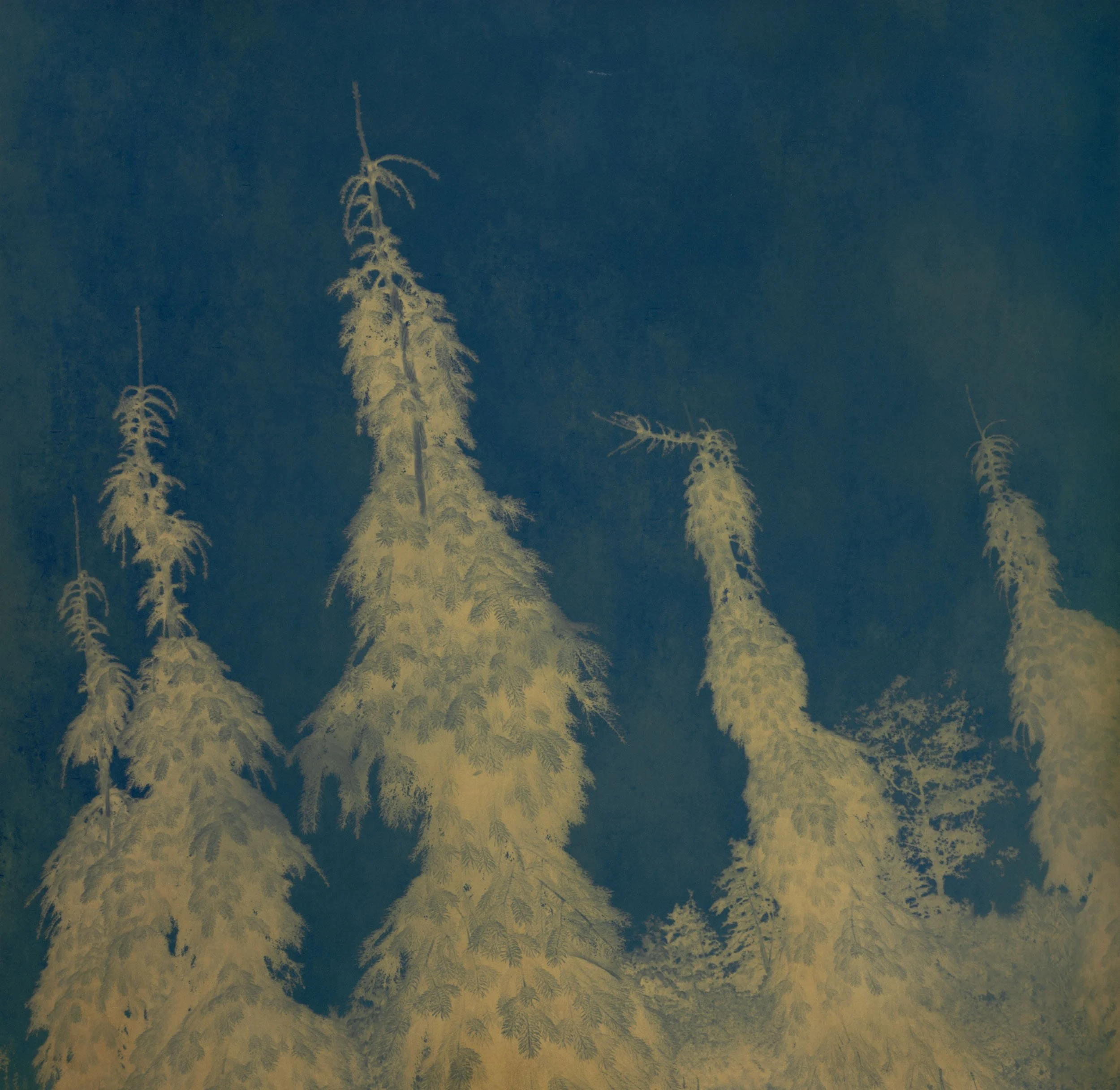
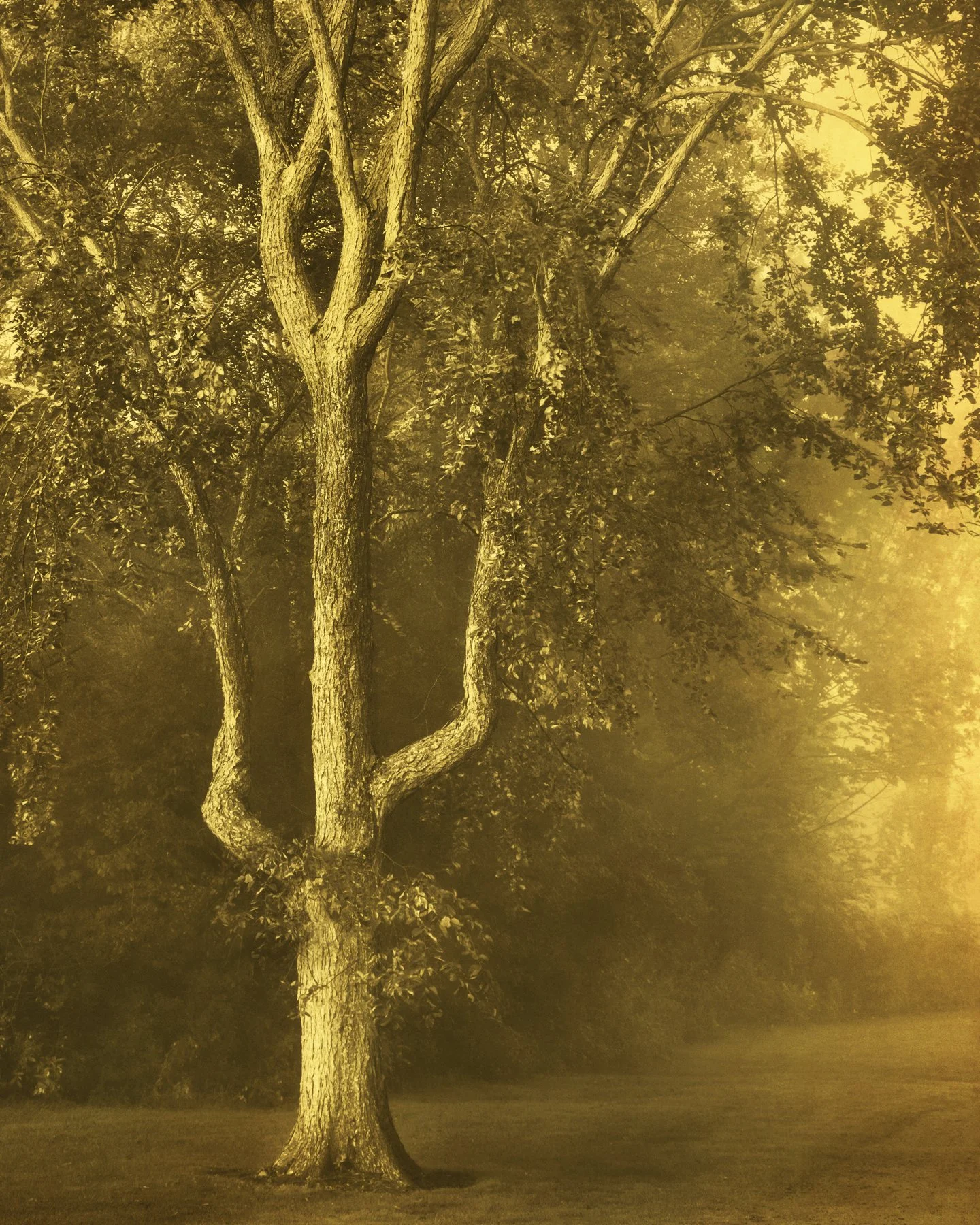
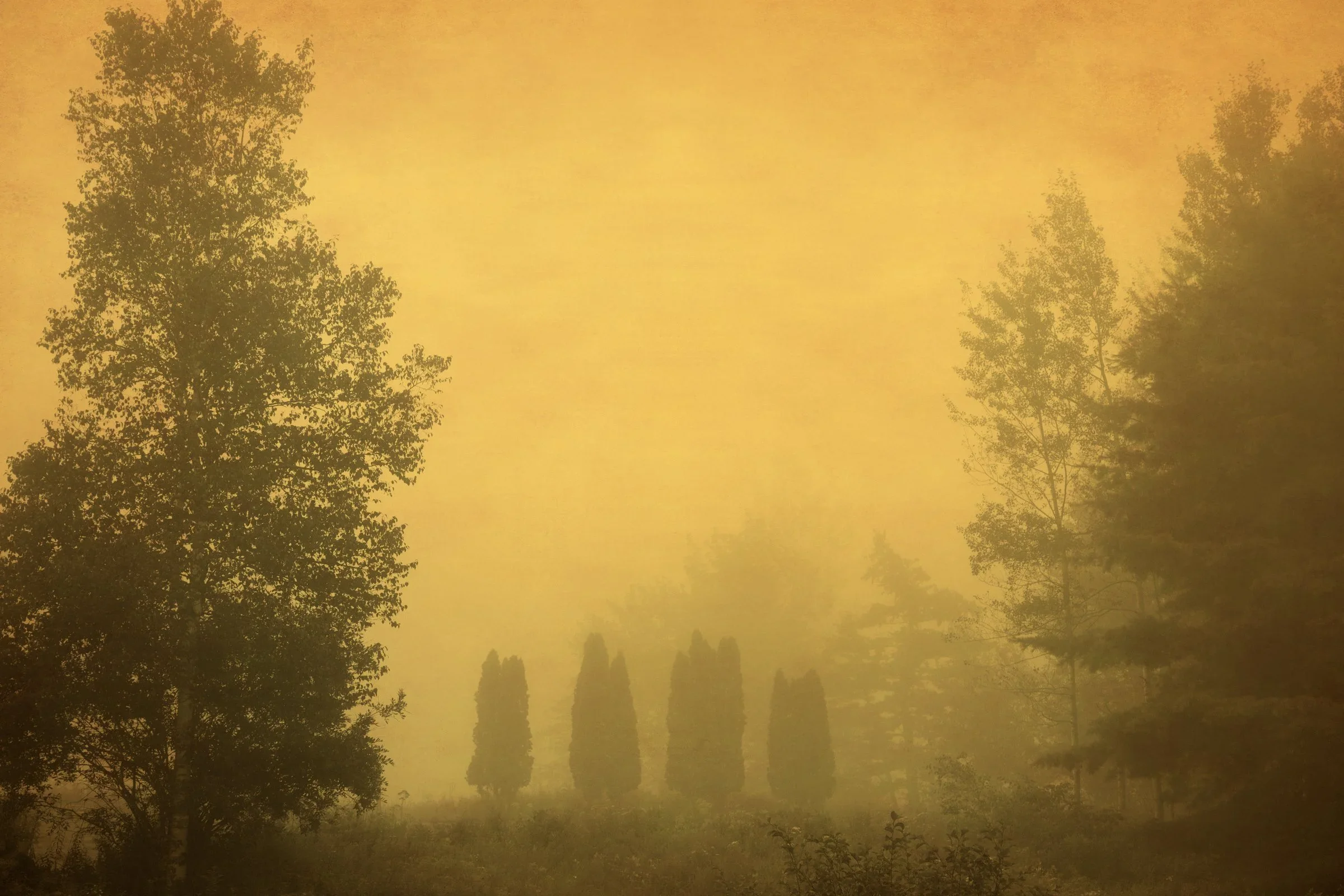
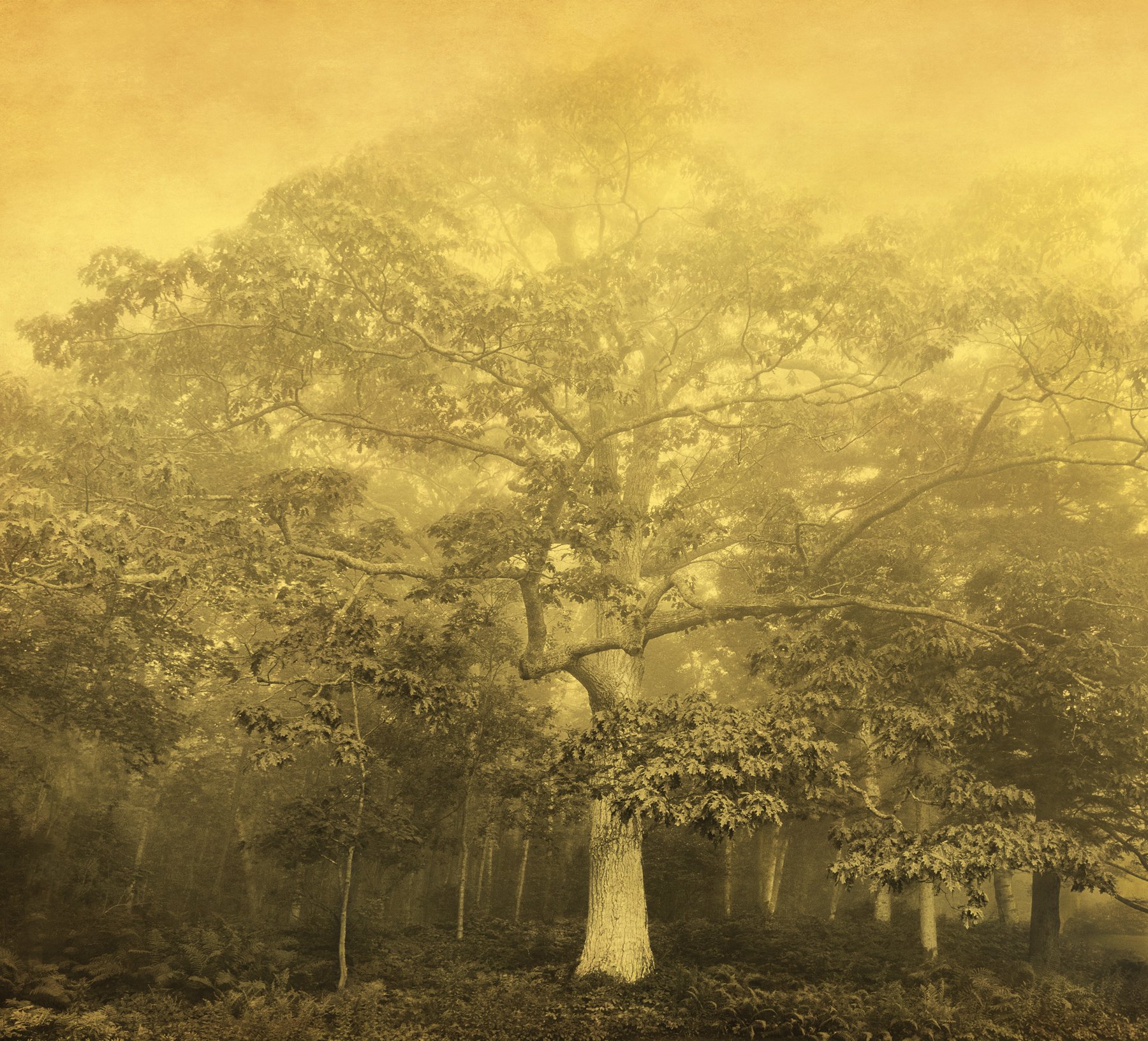
"Trees throughout history have inspired deep symbolic meaning in cultures around the world. The "tree of life" metaphor expresses the mystical concept that all forms of life are interconnected. When we stand with the trees, we feel we are part of them, and they are part of us. They give us a sense of belonging to the greater universe.” – Joyce Tenneson
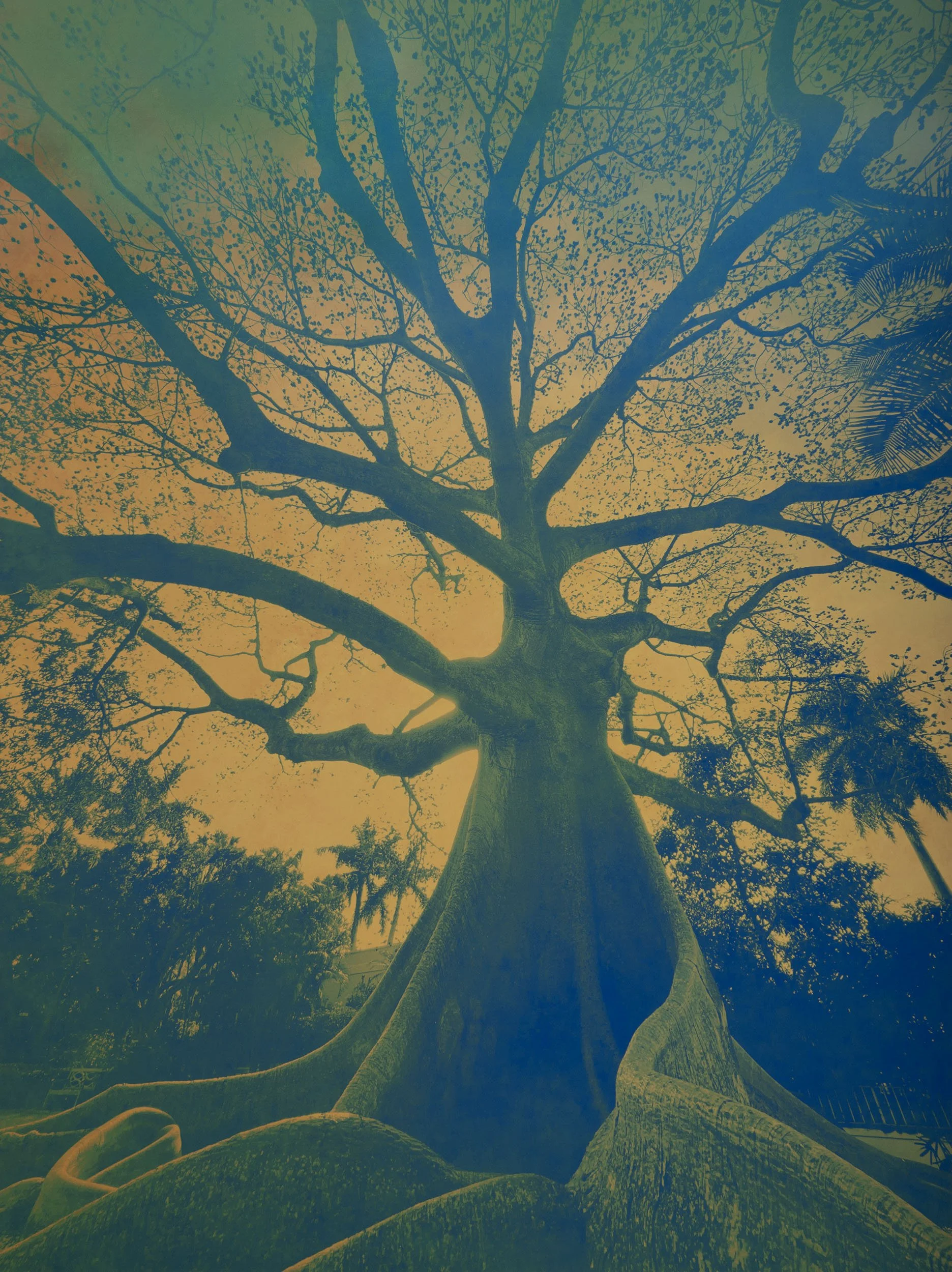
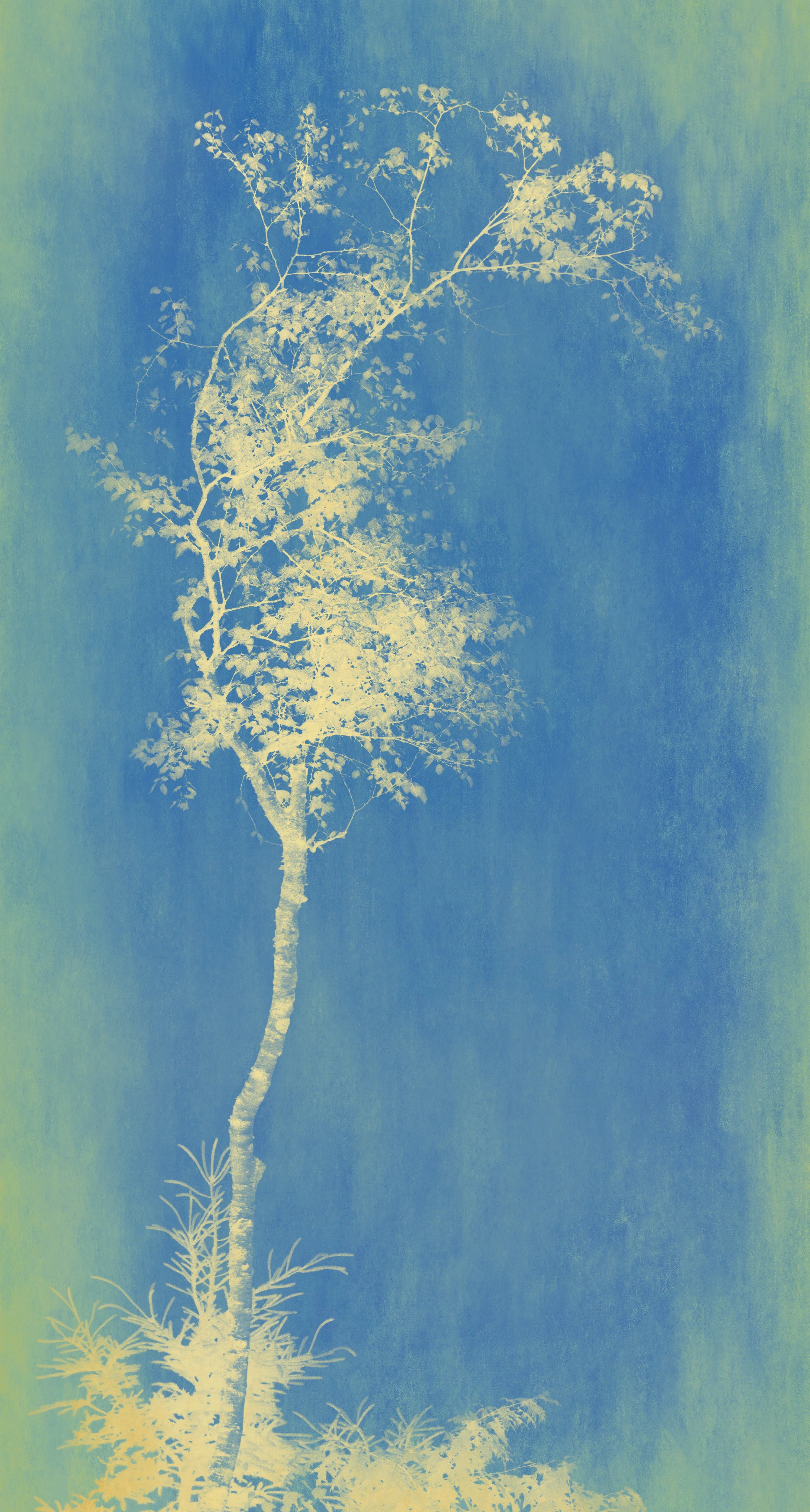
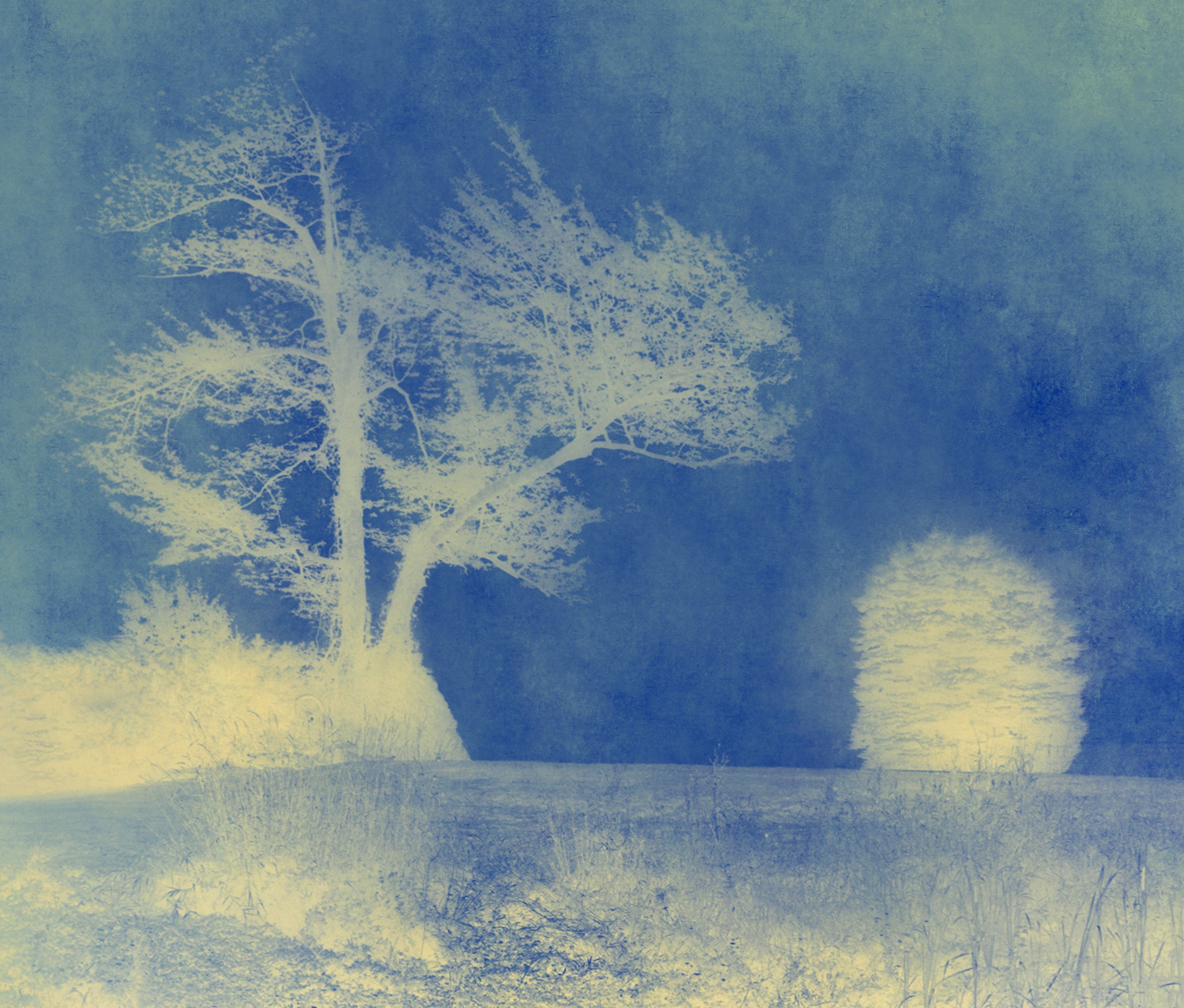
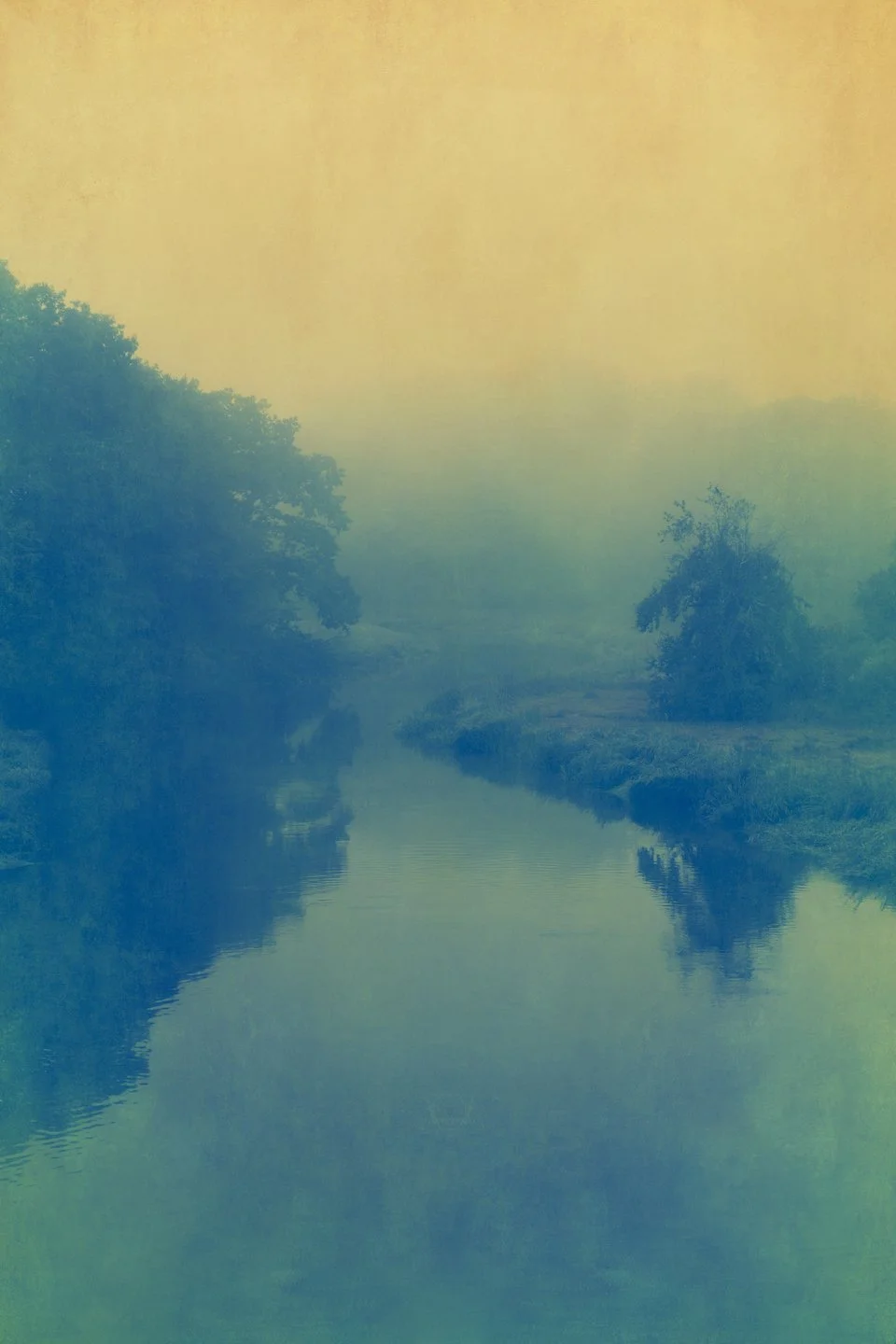

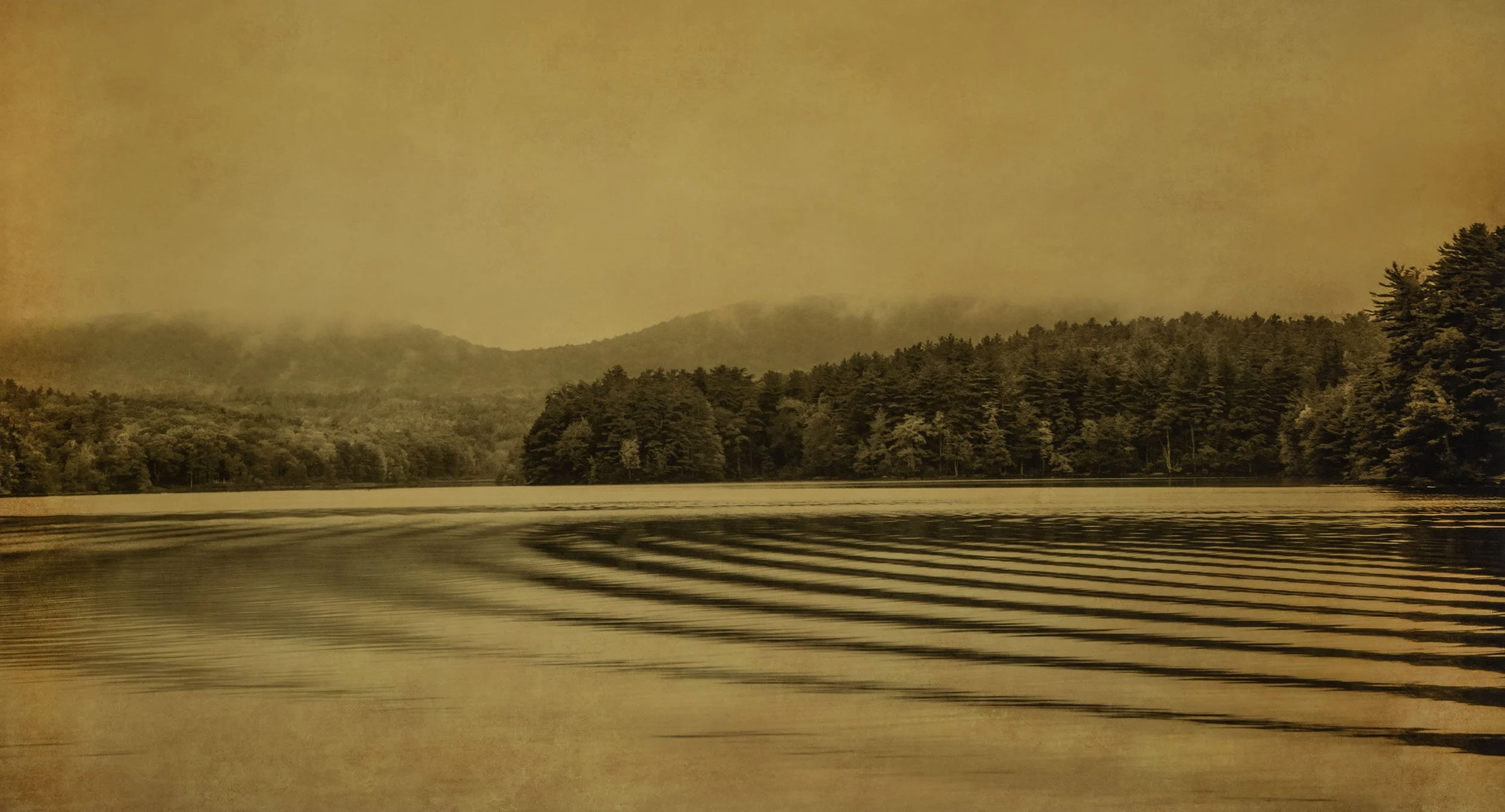
Gold Trees
All of the images in this gallery were made within 10 miles of Joyce's home and studion in Maine. When Joyce would awaken to see that a thick fog had crept across the landscape during the night, she would venture out with her camera to make portraits of trees with nature's own perfect backdrop: the fog. Later, she gave each of these portraits a golden hue in post-production.
Flower Portraits
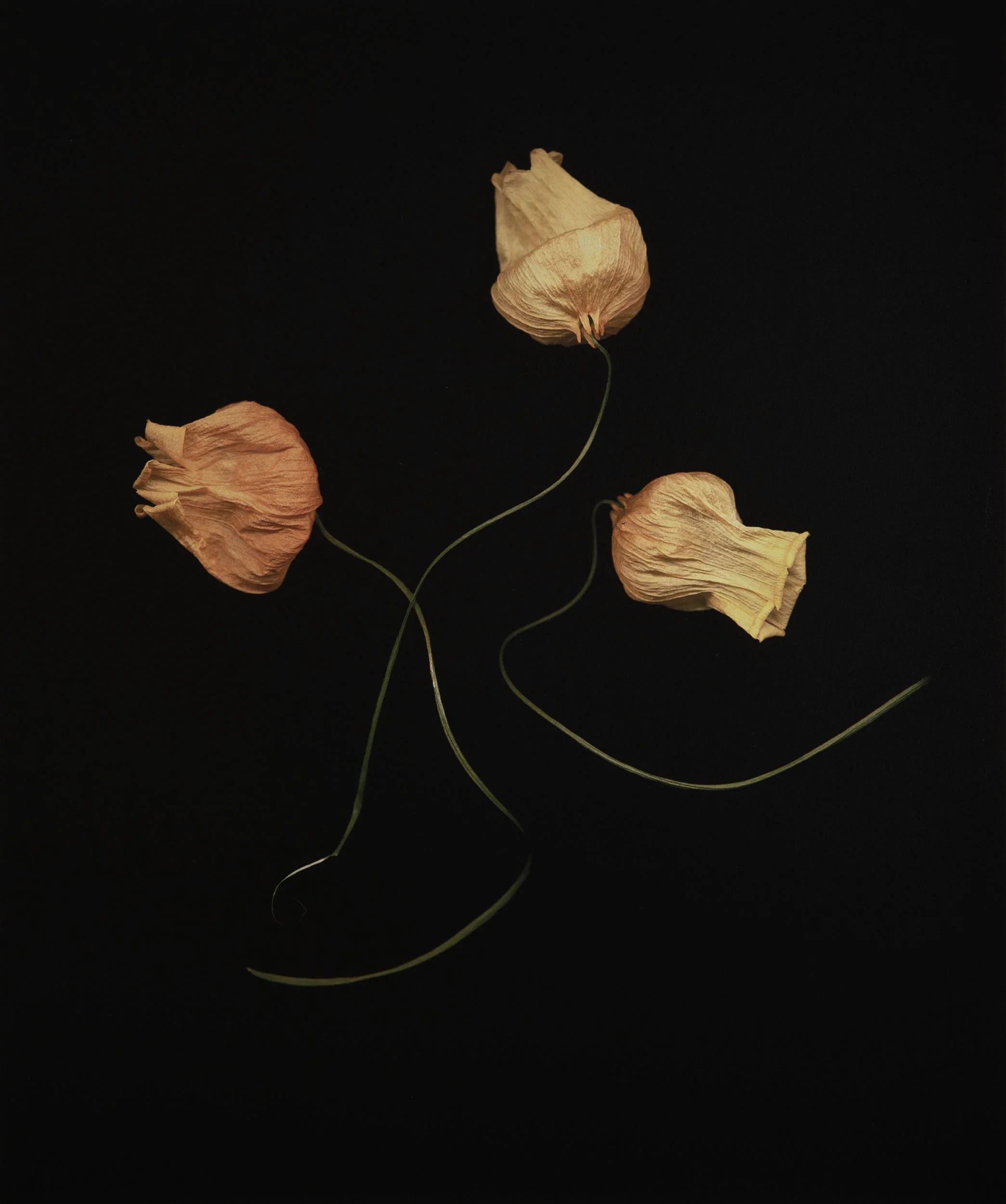
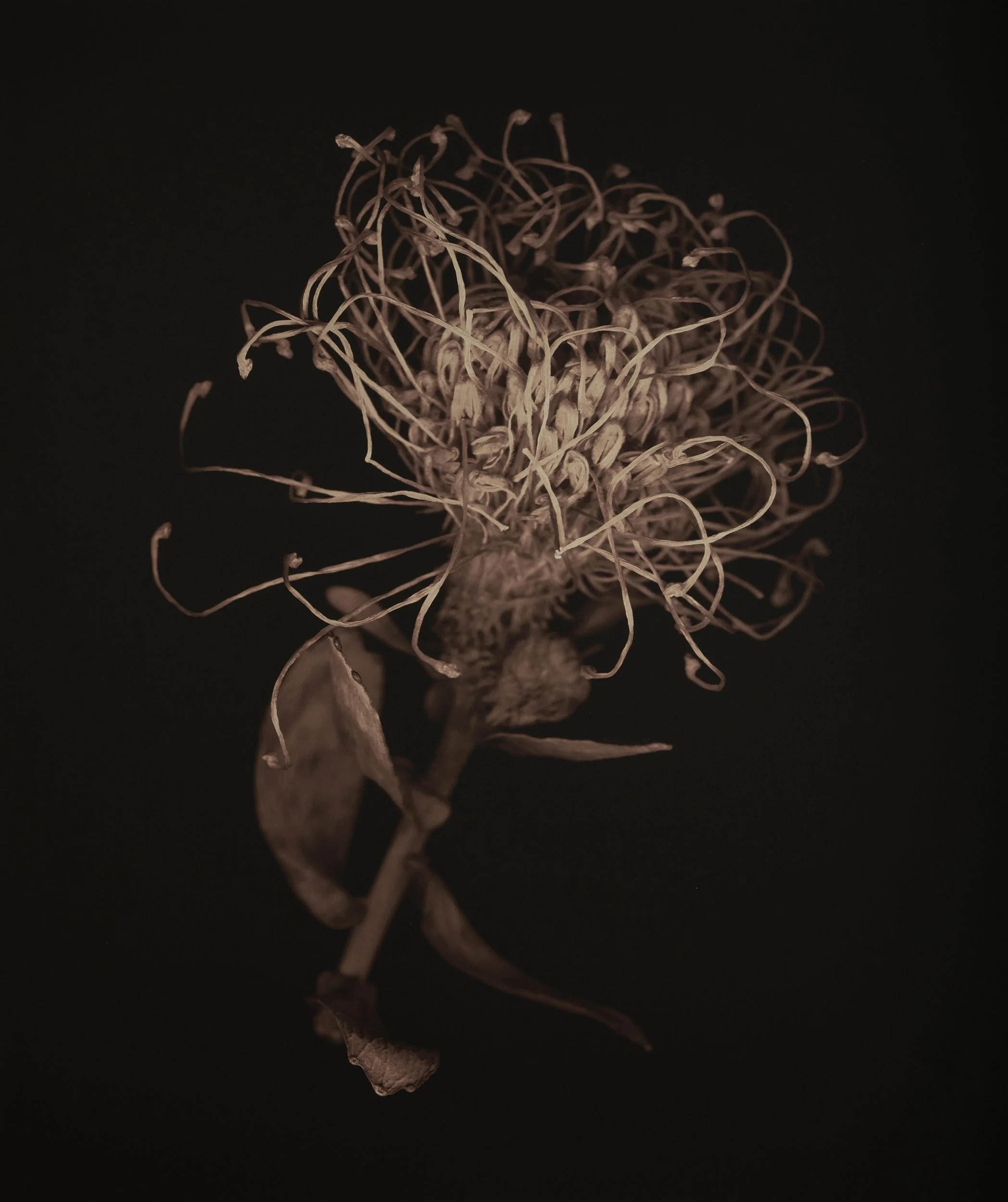
Radiant Beings 1
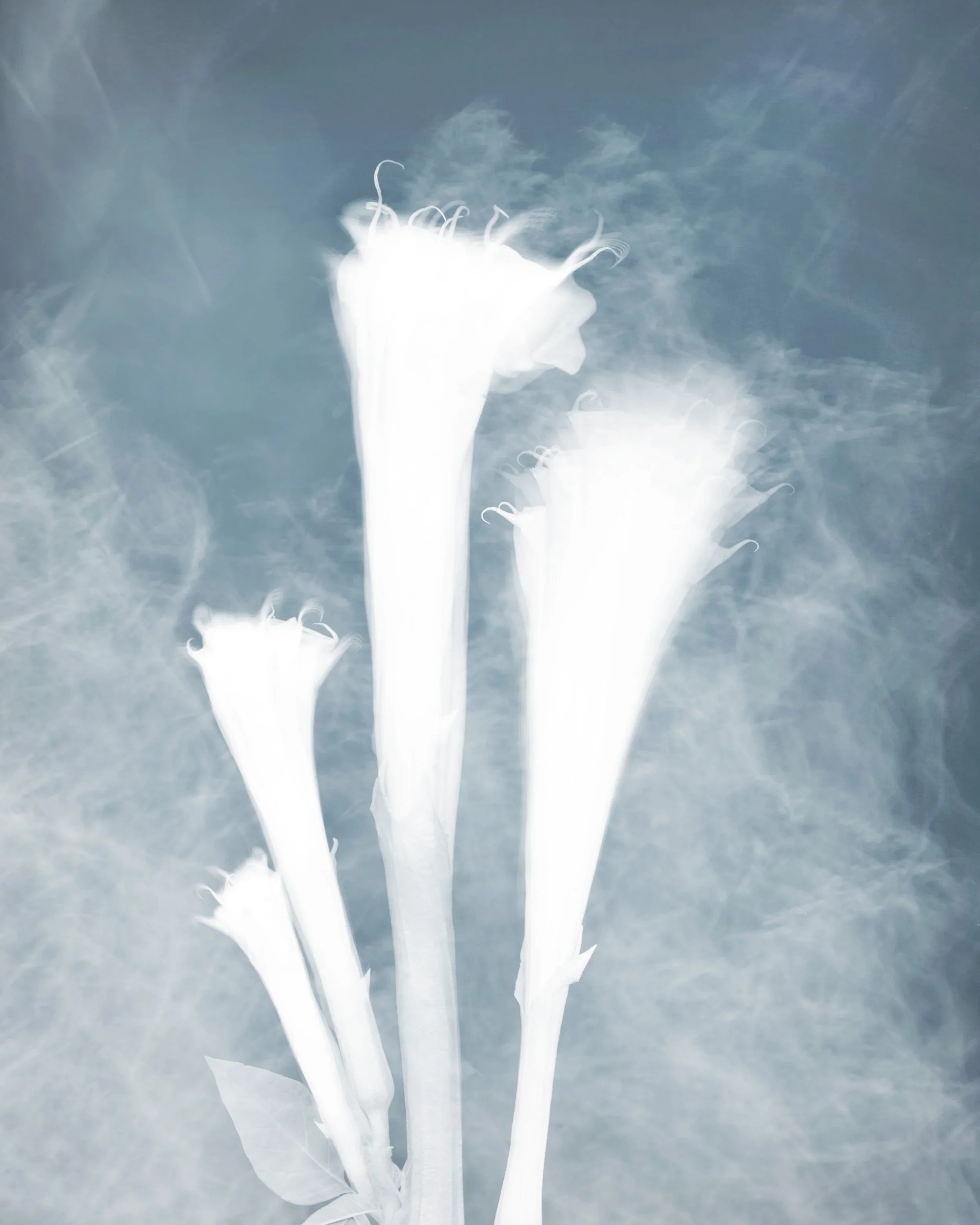
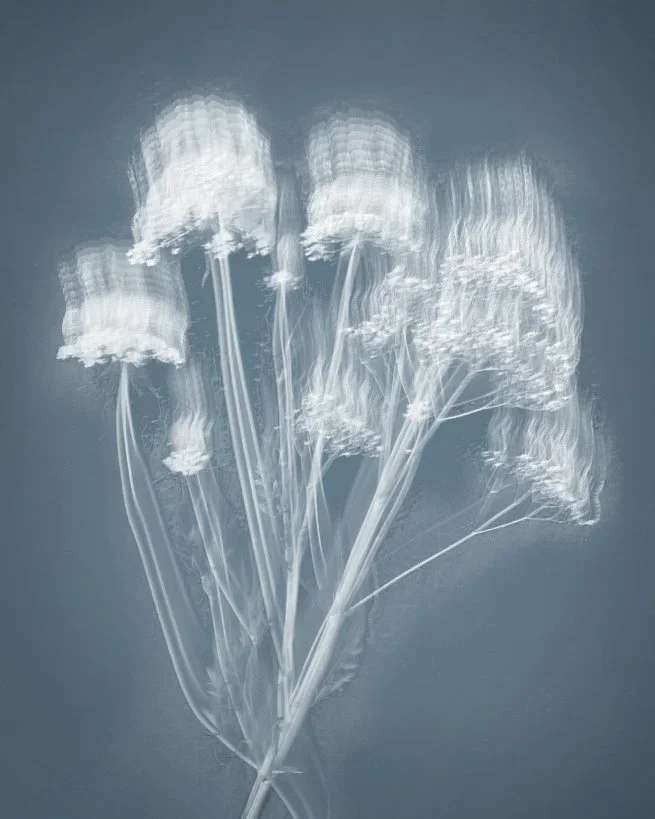
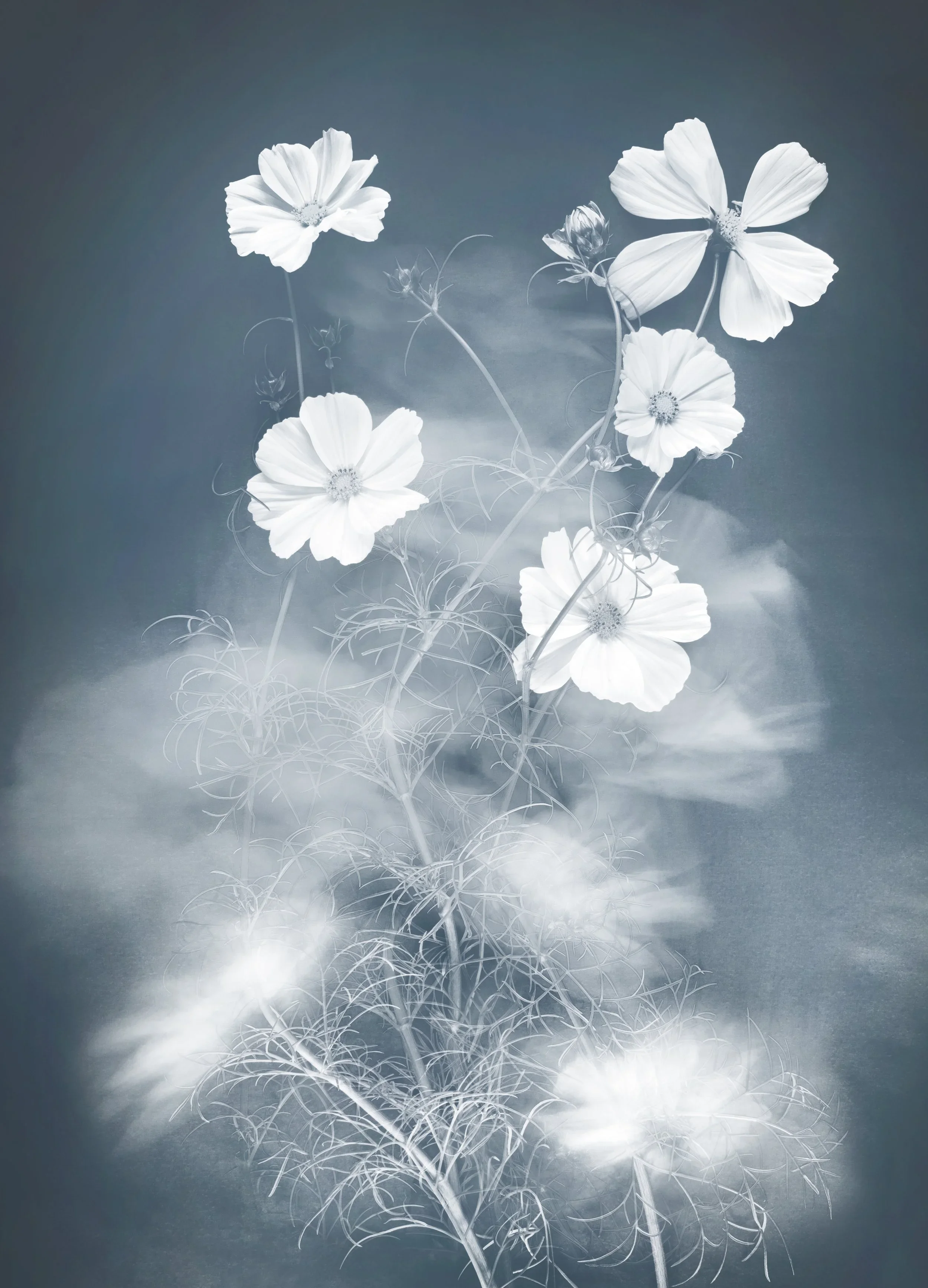
Radiant Beings 2
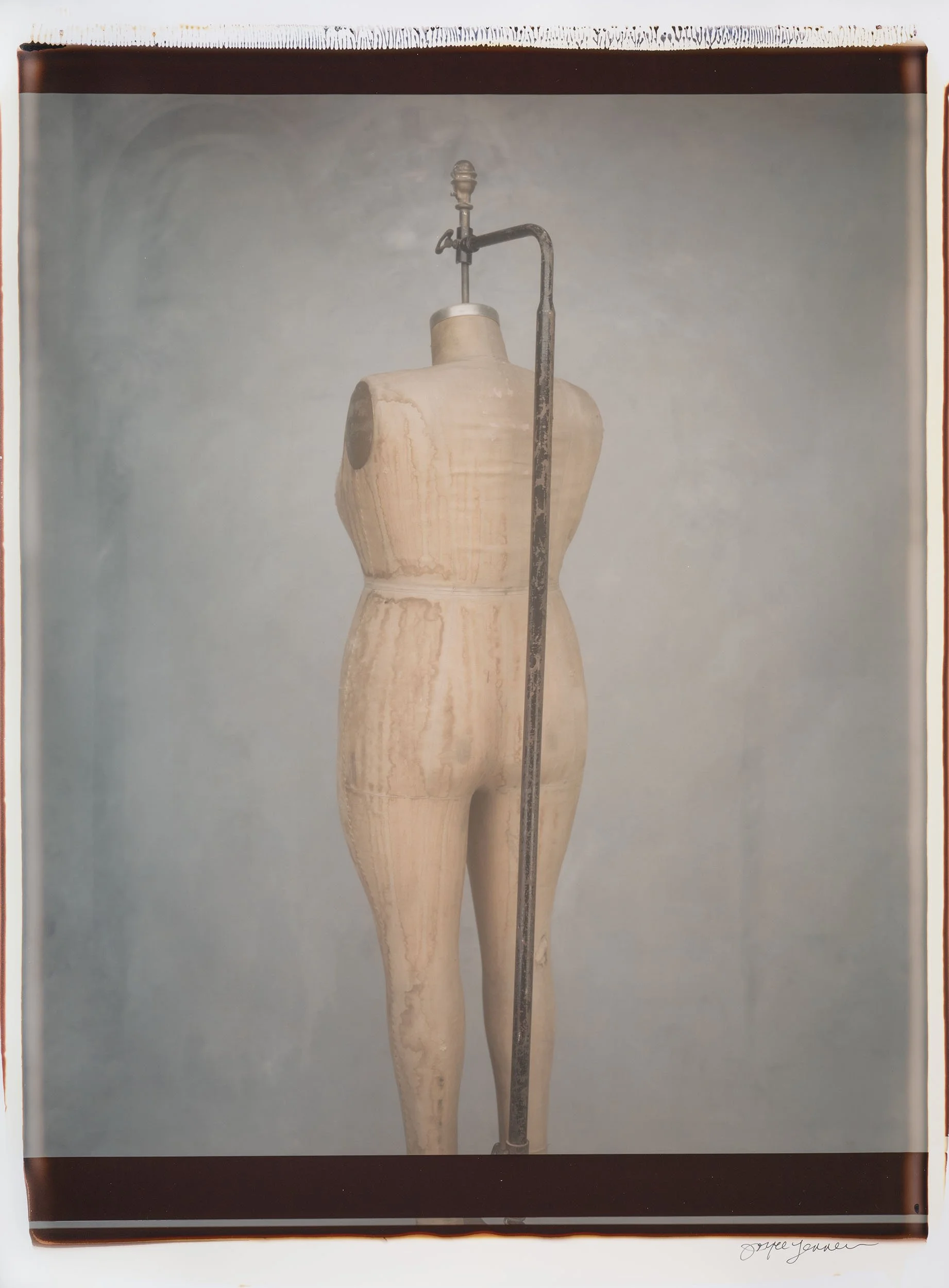
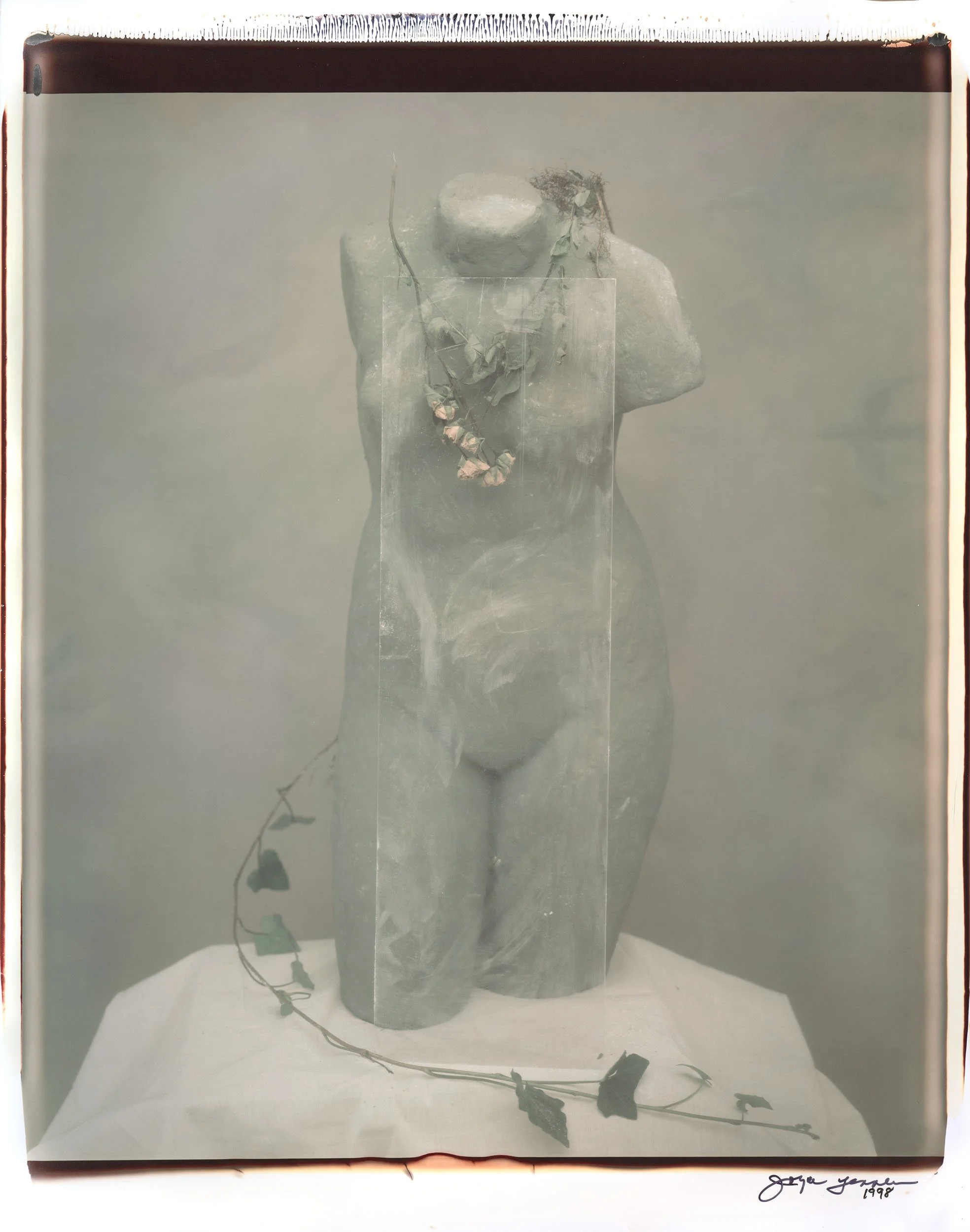
Polaroid Portraits
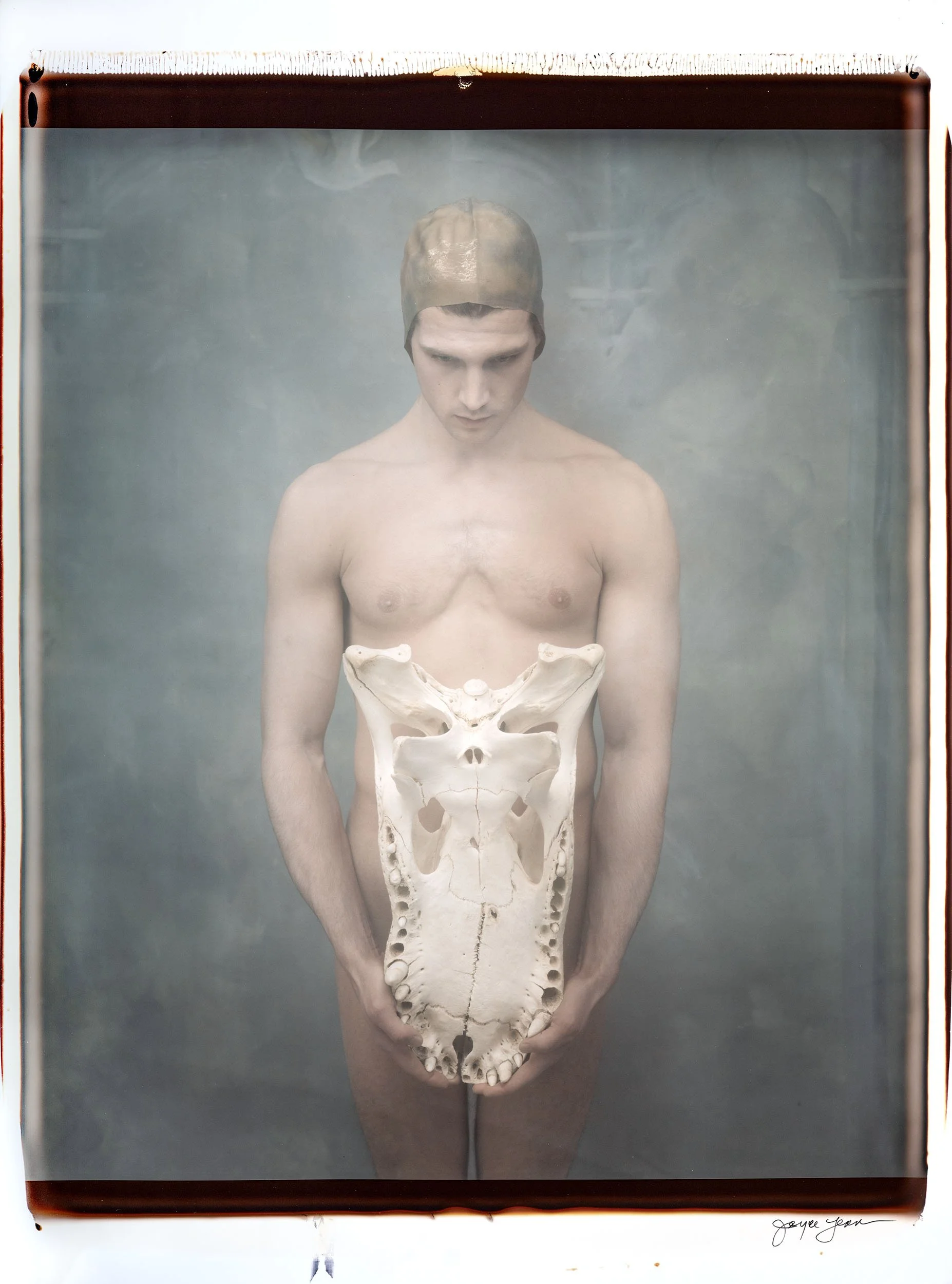
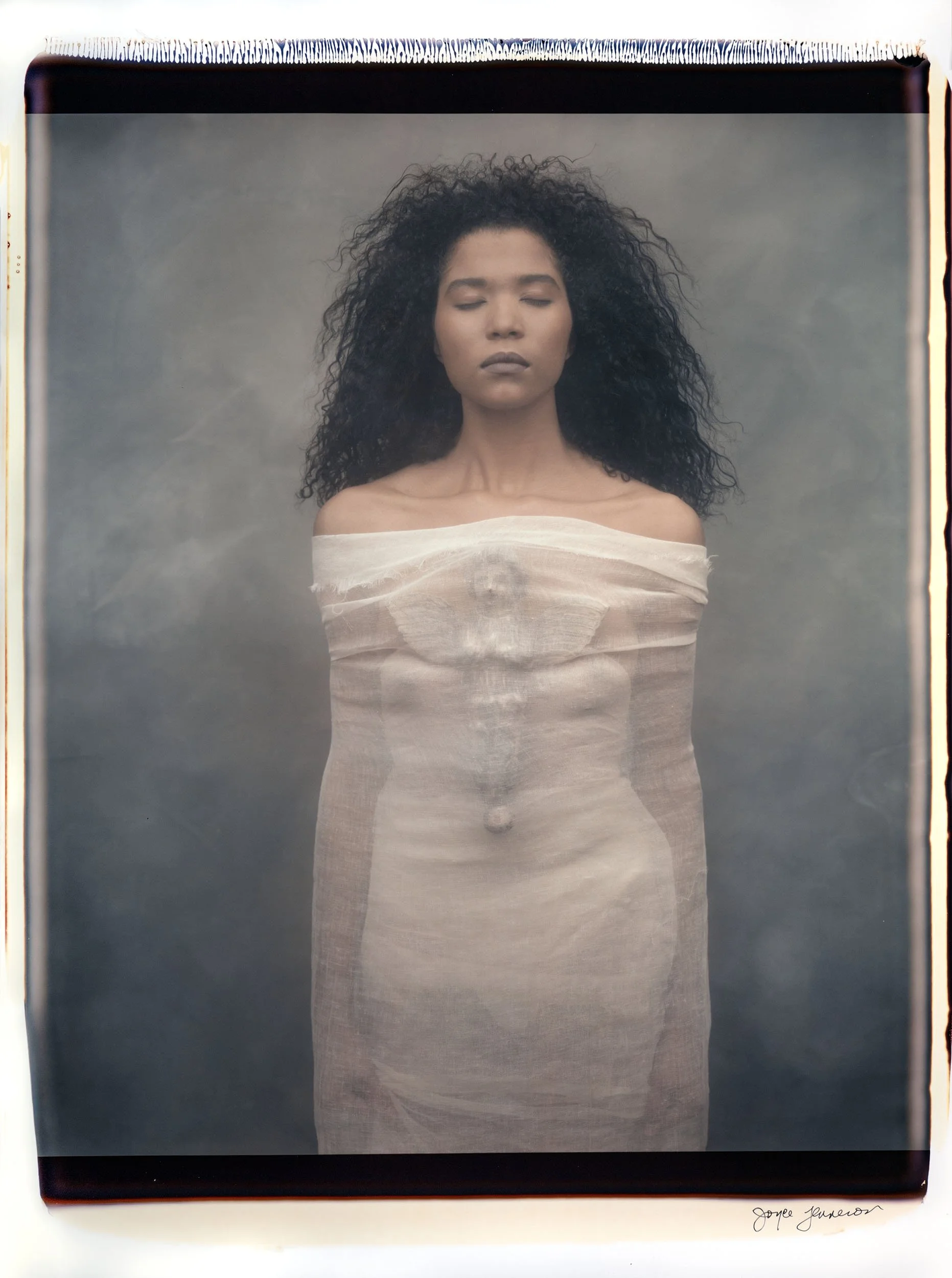
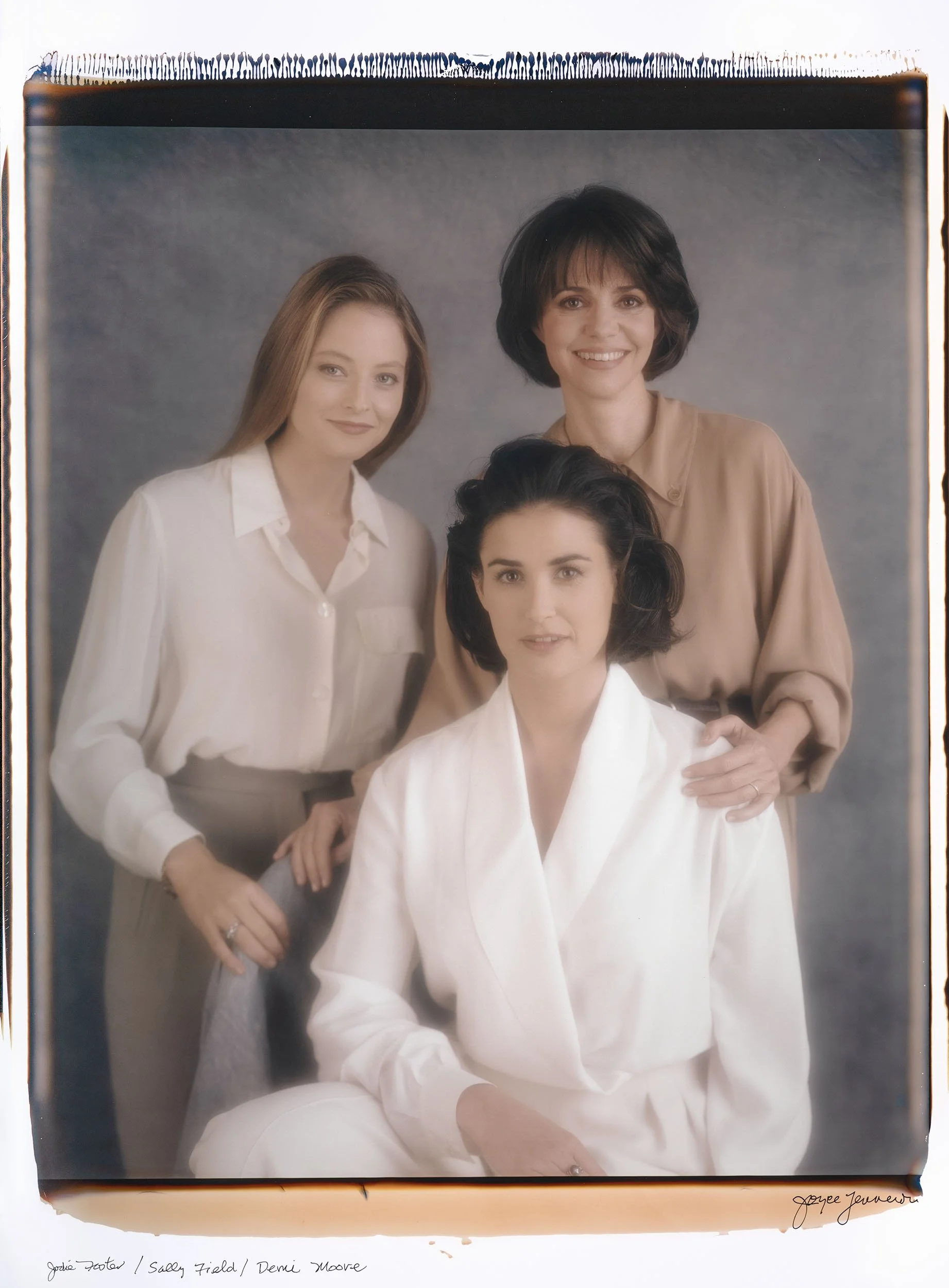
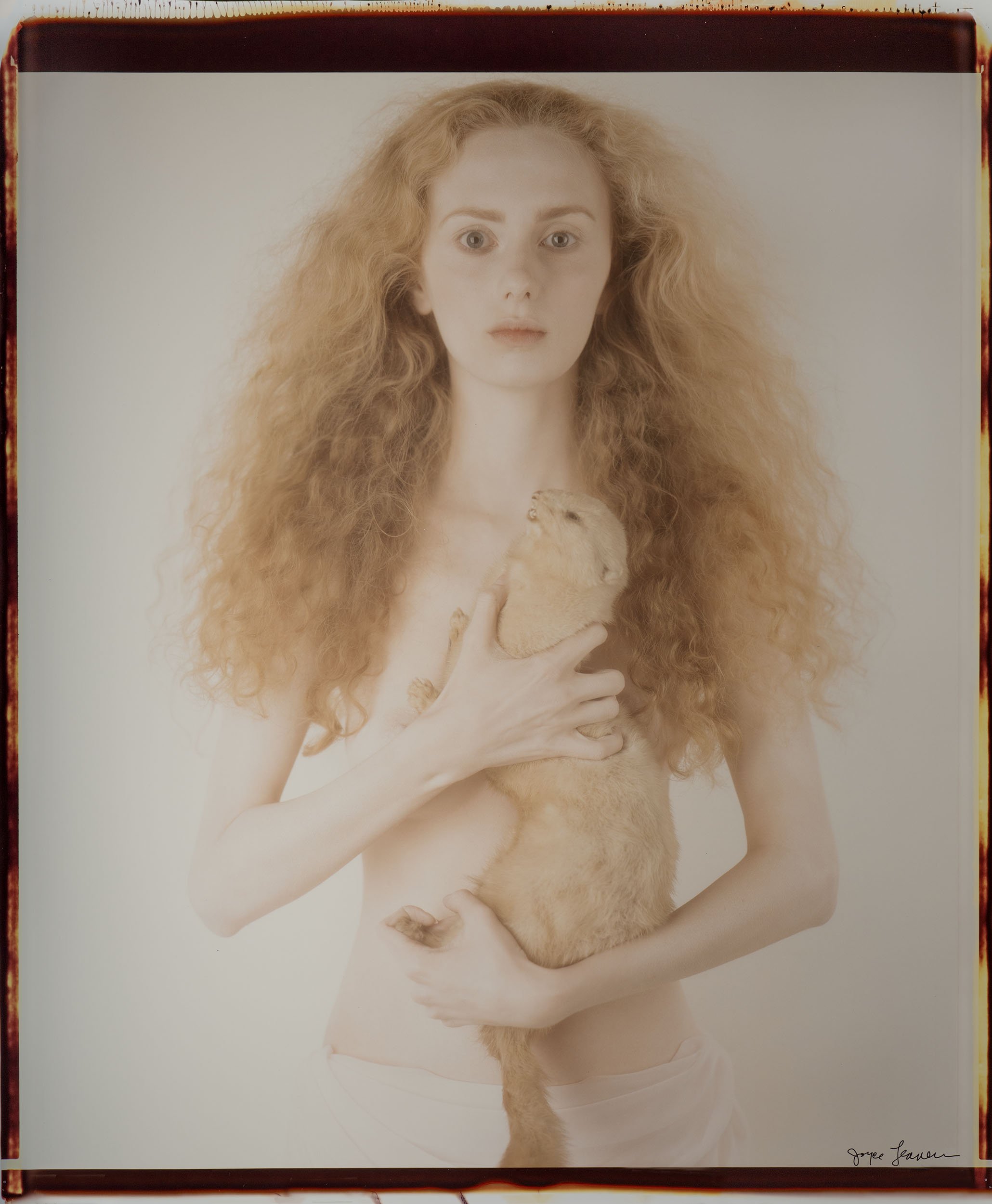
Film About Joyce Tenneson: "I Would Have Rathered Died Than Not Pursue"
As a groundbreaking female photographer pursues her vision, she struggles to navigate diverging roles as mother and artist. Explore Joyce Tenneson’s life as she fights to express her voice and suffers the fallout of a 45-year-old secret. By Rebecca Dreyfus, Randy Gebhardt and David Wright.